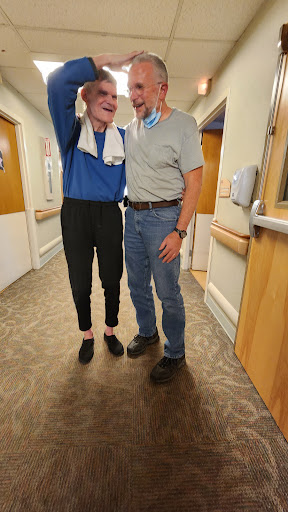
Overall Review of Manor Care Health Services - Hyattsville
differentiator2 reviews mention this
Rehab and physical therapy helped
Physical and occupational therapy is a key reason families mention measurable progress.
Several residents and family members point to the rehab team as a meaningful part of the stay. One reviewer describes improving mobility after therapy and support. Another credits physical therapy with helping a loved one regain the ability to walk.
common2 reviews mention this
Activities and recreation feel engaging
The activities and recreation program stands out for how much residents get to do.
A couple of reviews highlight the recreation and activities team as a positive part of daily life. Residents are described as having access to fun, learning, and structured activity experiences. One review specifically calls out a recreation team that provides quality experiences for residents.
common3 reviews mention this
Dining quality varies by meal
Dining gets mixed feedback, with some meals praised while others fall short.
Food is a recurring topic, but the tone shifts depending on the meal. One reviewer says breakfast did not meet expectations while lunch and dinner were adequate. Another describes the food as very good and mentions meal preparation support for special diets.
caveat3 reviews mention this
Care responsiveness is inconsistent
Residents describe uneven responsiveness, including delays when help is requested.
While many reviews describe caring, helpful staff, others raise concerns about how quickly staff respond. One reviewer describes using the call light and not getting help promptly, then needing family involvement. Another describes trouble with staff not coming when residents push the call bell. Separately, there are also reviews that criticize the level of attention given during weekends.
caveat4 reviews mention this
Facility cleanliness and odor split
Cleanliness gets mixed reviews, including complaints about strong odors.
Some reviewers say the facility looks clean and well maintained. Others report unpleasant smells, including urine odor, and describe issues with room conditions. One reviewer also mentions an environment that feels unacceptable, including references to sanitation and cleanliness problems. Another review agrees something is “old” and discusses worn or stained conditions.
How we summarize
Counts show how many written reviews mention each theme; a review can touch several themes, and only frequently mentioned themes are displayed.
Features
Housing
160 resident community capacity
Types of Care
Skilled Nursing Facility
Amenities
Air-conditioning
Beauty salon
Cable or satellite TV
Computer center
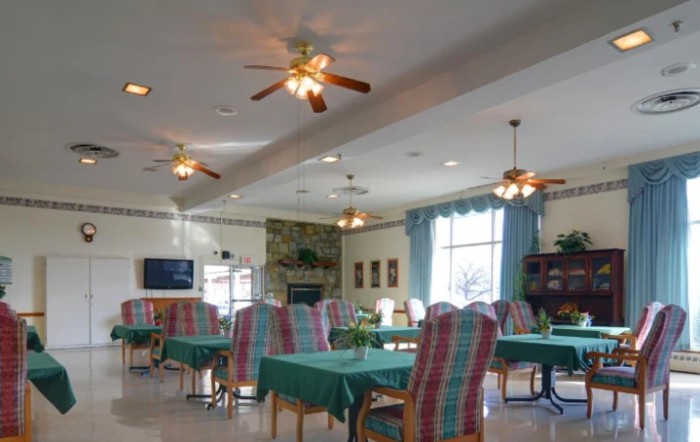
Dining room
Fitness room
Fully furnished
Gaming room
Garden
Housekeeping services
Kitchenette
Move-in coordination
Outdoor space
Private bathrooms
Restaurant-style dining
Small library
Telephone
Wellness center
Wi-Fi/high-speed internet available
Transportation
Ronald Reagan Washington National (9 miles away)
Baltimore-Washington International (22 miles away)
Community operated transportation
Transportation arrangement
Transportation arrangement (non-medical)
Transportation to doctors appointments
Care Services
12-16 hour nursing
24-hour call system
24-hour supervision
Activities of daily living assistance
Assistance with bathing
Assistance with dressing
Assistance with transfers
Diabetes diet
Meal preparation and service
Medication management
Mental wellness program
Special dietary restrictions
Dining
Diabetes diet
Special dietary restrictions
Activities
Community-sponsored activities
Concierge services
Fitness programs
Planned day trips
Resident-run activities
Scheduled daily activities
Nearby Places of Interest
This part of Hyattsville, Maryland, offers a convenient and diverse range of amenities for senior living. With several pharmacies within close proximity, accessing medication and healthcare services is easily manageable. The area also boasts a variety of dining options, from fast-food chains to local breweries and upscale restaurants. Public transportation is readily available with multiple metro stations nearby, making it easy to get around the city. For medical care, there are reputable physicians and hospitals in the vicinity, ensuring quality healthcare services are within reach. Additionally, the numerous parks provide opportunities for outdoor recreation and relaxation. Cafes offer a pleasant setting for socializing or enjoying a quiet coffee break. Places of worship cater to spiritual needs, while theaters provide entertainment options for leisure activities. Overall, this part of Hyattsville provides a well-rounded community with convenient access to essential services for senior residents.
Pharmacies
CVS Pharmacy (0.8 miles)
Walgreens (1.2 miles)
CVS Pharmacy (1.4 miles)
CVS Pharmacy (1.6 miles)
CVS Pharmacy (2.3 miles)
Walgreens (2.5 miles)
CVS Pharmacy (2.5 miles)
Restaurants
Chick-Fil-A (1.3 miles)
Denizens Brewing Co. (2.6 miles)
McDonald's (3 miles)
McDonald's (3.1 miles)
Chick-Fil-A (3.9 miles)
Right Proper Brewing Company (4.2 miles)
Republic Cantina (4.5 miles)
Transportation
West Hyattsville Metro Station (1.3 miles)
Prince George's Plaza Metro Station (1.6 miles)
Georgia Ave-Petworth Metro Station (3.1 miles)
College Park - University of Maryland Metro Station (3.1 miles)
Rhode Island Ave - Brentwood Metro Station (3.5 miles)
Shaw-Howard University Metro Station (4.3 miles)
Forest Glen Metro Station (4.4 miles)
Physicians
Mary's Center (1.7 miles)
Children's National - Main Hospital (3.4 miles)
Capitol Medical Group (5.2 miles)
One Medical (5.2 miles)
One Medical (5.3 miles)
The Centers For Advanced Orthopaedics (5.5 miles)
Parks
Fort Slocum Park (1.7 miles)
Rock Creek Park (3.5 miles)
Duvall Playground (4.1 miles)
Meridian Hill Park (4.3 miles)
Chevy Chase Park (4.4 miles)
S Street Dog Park (4.8 miles)
Stanton Park (5.3 miles)
Cafes
Lost Sock Roasters (1.8 miles)
Vigilante Coffee (2.7 miles)
The Coffee Bar (4.5 miles)
Starbucks (4.7 miles)
Unconventional Diner (4.9 miles)
L Street Coffee (4.9 miles)
A Baked Joint (5 miles)
Places of Worship
Basilica of the National Shrine of the Immaculate Conception (2.7 miles)
Christ Congregational Church (3.4 miles)
College Park United Methodist Church (4.4 miles)
St Joseph Catholic Church on Capitol Hill (5.4 miles)
Hospitals
Medstar Washington Hospital Center (3.2 miles)
Children's National Medical Center (3.4 miles)
Howard University Hospital (4.1 miles)
Holy Cross Hospital (4.1 miles)
Theaters
Alamo Drafthouse Cinema DC Bryant Street (3.4 miles)
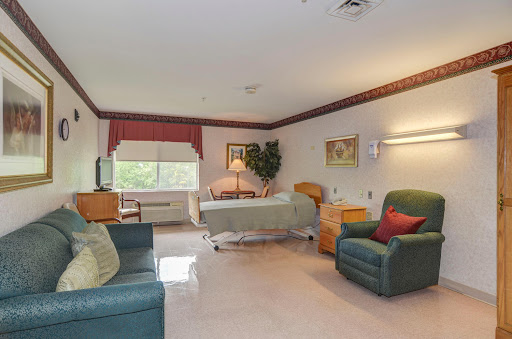
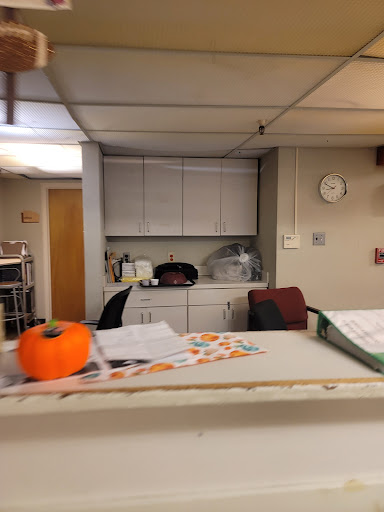
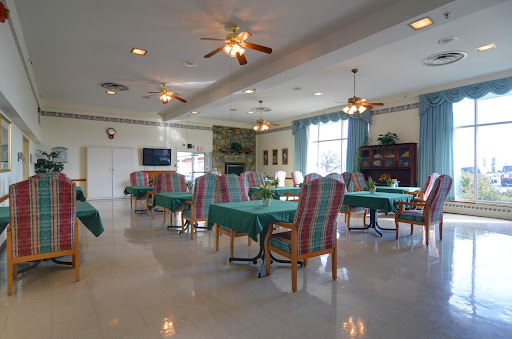
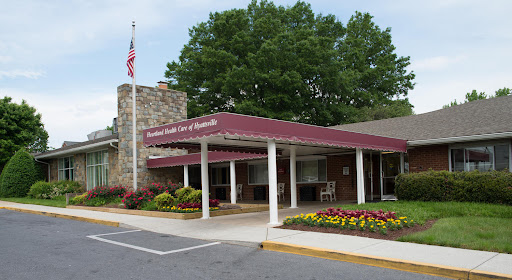
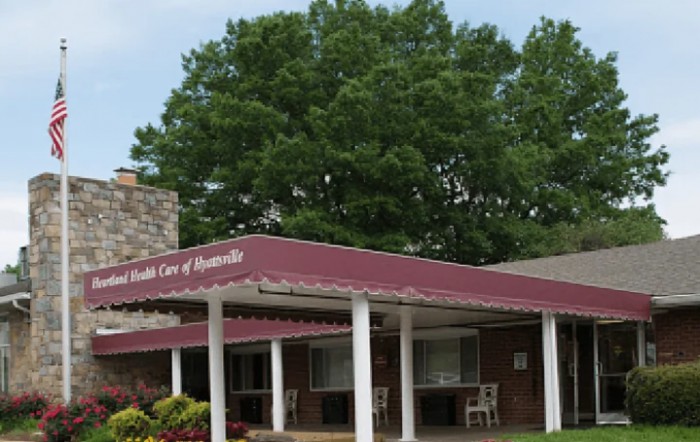
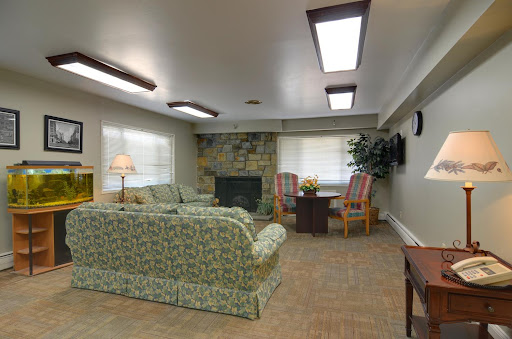
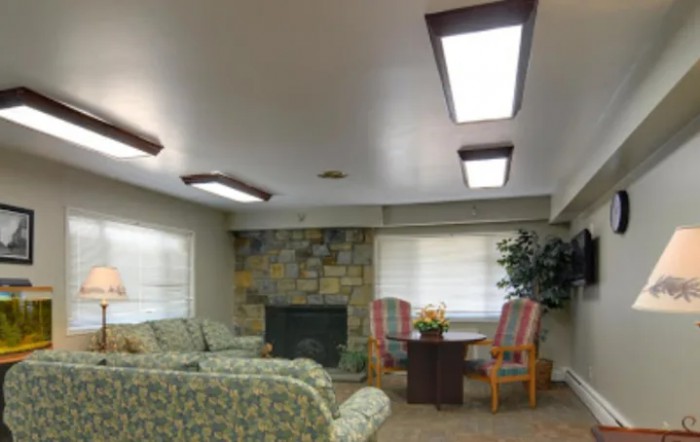
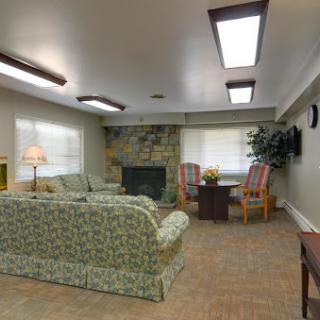
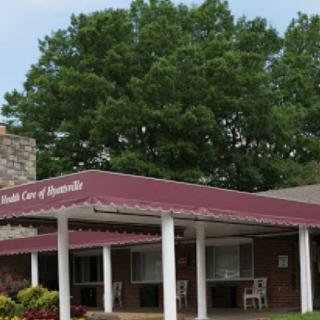
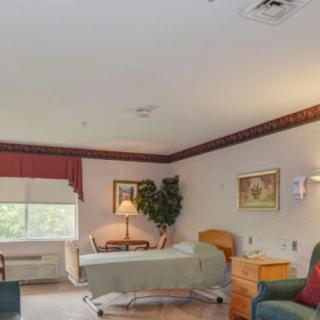
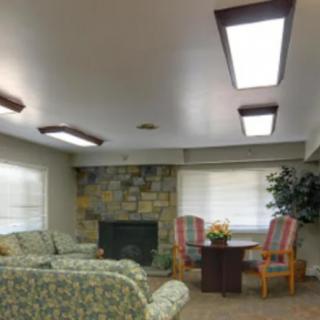
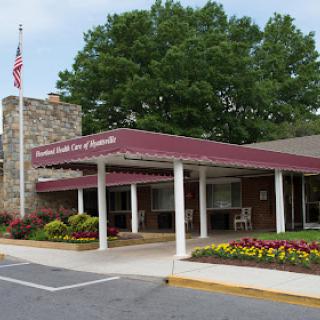
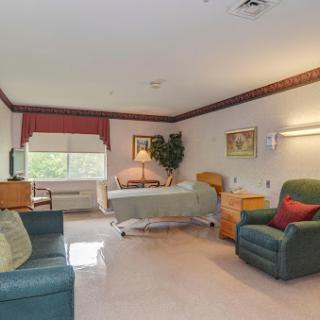
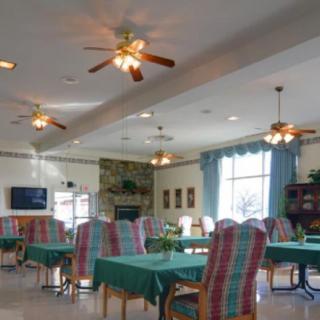
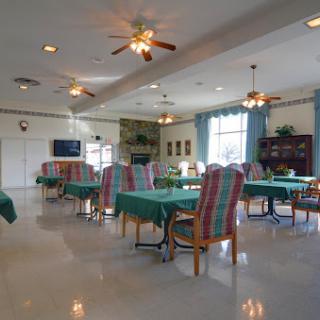
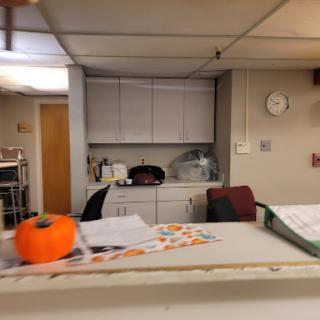
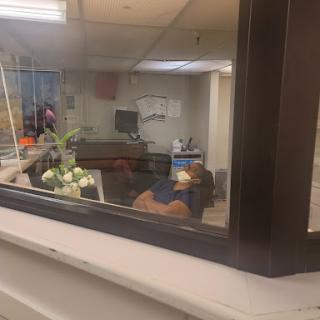
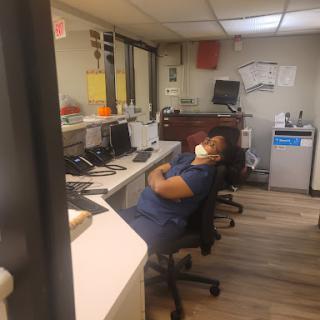
Manor Care Health Services - Hyattsville on seniors.fyi includes 14 photos including images showing interior, healthcare, windows, entrance, dining, living room, fireplace, lighting, and more.
Nearby Communities
Victory Crest
Hyattsville, MD
3.8 from 13 reviews
$4,500 to $6,000 / month
Vibrant community with extensive amenities, on-site/off-site activities, and multiple common areas.
Rollingcrest Commons
Hyattsville, MD
4.1 from 31 reviews
$1,169 to $1,402 / month
Friendly, attentive staff; clean, quiet environment; spacious 1- and 2-bedroom apartments with well-maintained grounds.
Eighth Avenue
Hyattsville, MD
Small, personalized community with comprehensive care and on-site amenities.
Tender Love & Care - Hyattsville
Hyattsville, MD
5 from 1 review
Small, personalized setting with fully furnished apartments and a garden.
Elyric's Amazing Care One
Takoma Park, MD
$2,500 to $3,500 / month
Affordable pricing below county/state averages.
Hands And Heart Assistant Living
Hyattsville, MD
Intimate 5-resident community with 24/7 supervision and comprehensive care.
Sligo Creek Center
Takoma Park, MD
3.4 from 104 reviews
Small, personalized SNF with 24-hour supervision, comprehensive daily living support, and on-site amenities.
Rainier Manor
Mount Rainier, MD
4.6 from 33 reviews
$1,153 to $1,368 / month
Clean, well-maintained facility with spacious apartments, attentive staff, and a friendly, close-knit community; convenient location with parking and nearby services; pricing is notably affordable for the area.
The article highlights the importance of empathy and open communication when comforting someone who is grieving, noting that grief is unique to each individual and emphasizing the need for sincere expressions of condolence, active listening, and ongoing support. It also addresses cultural differences in mourning practices and encourages tailored approaches to provide effective comfort.
Home health care aides provide vital medical and non-medical support to individuals at home, assisting with daily living activities and promoting emotional well-being, while the demand for these services increases due to an aging population. Families benefit from in-home care's flexibility and cost-effectiveness but face challenges like scheduling consistency and caregiver turnover.
Older adults with urinary tract infections (UTIs) often present atypical symptoms, complicating diagnosis due to factors like incomplete bladder emptying and chronic health conditions that increase their susceptibility. Effective management involves prompt treatment with antibiotics, hydration, and preventive strategies while minimizing antibiotic resistance and focusing on holistic care approaches.
Get PricingAsk A QuestionSchedule A TourContact Senior Advisor
By clicking submit, you agree to our Partner's Terms of Use. You
also consent to receive calls and texts, which may be autodialed, from our Partner. Your consent is not a condition to
using our Partner's service. Please visit our Partner's Privacy Policy for information about their privacy practices.



 160 resident community capacity
 Skilled Nursing Facility
 Air-conditioning
 Beauty salon
 Cable or satellite TV
 Computer center
 Dining room
 Fitness room
 Fully furnished
 Gaming room
 Garden
 Housekeeping services
 Kitchenette
 Move-in coordination
 Outdoor space
 Private bathrooms
 Restaurant-style dining
 Small library
 Telephone
 Wellness center
 Wi-Fi/high-speed internet available
 Ronald Reagan Washington National (9 miles away)
 Community operated transportation
 12-16 hour nursing
 24-hour call system
 Activities of daily living assistance
 Assistance with bathing
 Assistance with dressing
 Assistance with transfers
 Diabetes diet
 Medication management
 Mental wellness program
 Special dietary restrictions
 Concierge services
 Planned day trips
 Vibrant community with extensive amenities, on-site/off-site activities, and multiple common areas.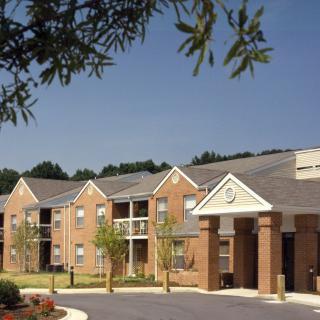

 Compassionate Conversations: How to Comfort Someone Who Is Grieving
 Home Health Care Aides: Understanding Their Role and Supporting Your Family
 Urinary Tract Infections in Older Adults: Comprehensive Insights on Symptoms, Treatment, and Prevention