Forestville Healthcare Center in Forestville, MD

Save

  • Interior

    A beautifully arranged floral display enhances the welcoming atmosphere of the lobby.
  • Decor

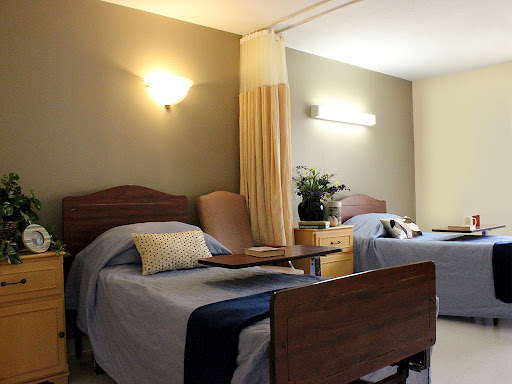
    A well-lit healthcare room with two beds, offering a comforting atmosphere.
  • Building

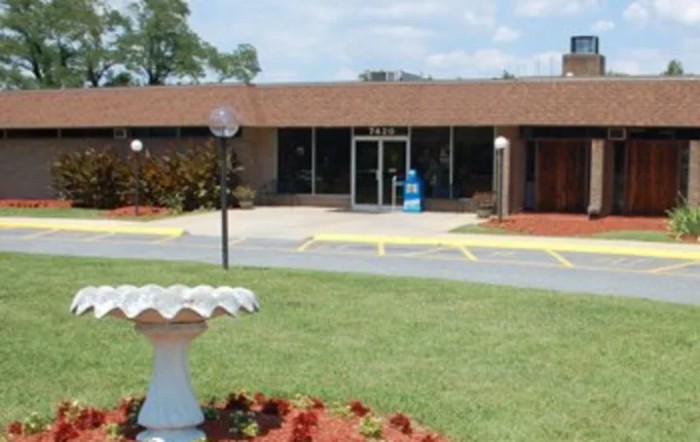
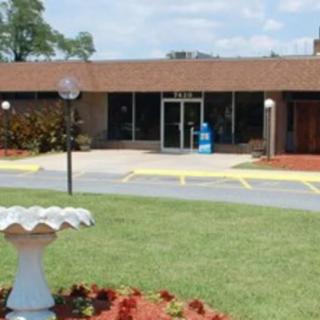
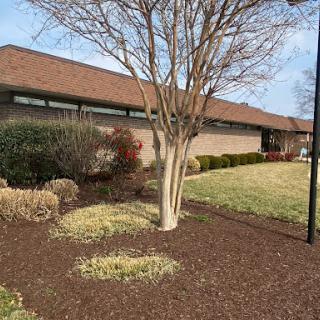
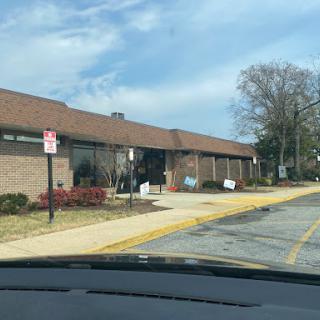
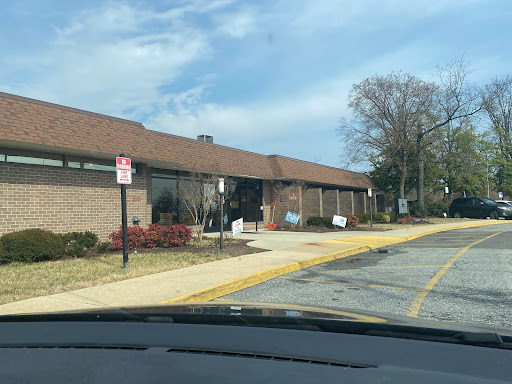
    A small building entrance with a green lawn and lamp post on a sunny day.
  • Bedroom

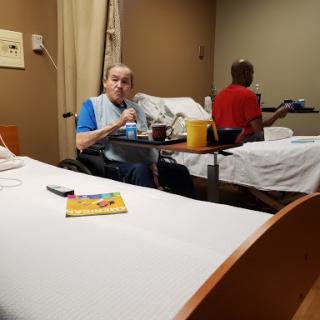
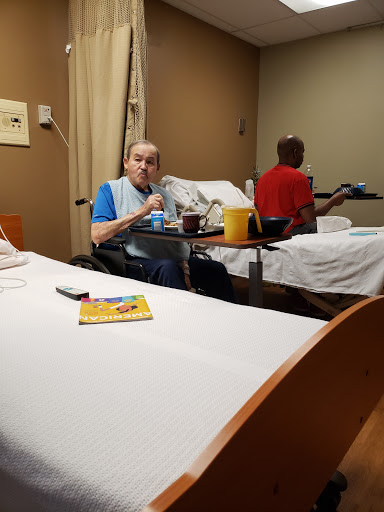
    Patients in a hospital room sharing a meal.
  • Trees

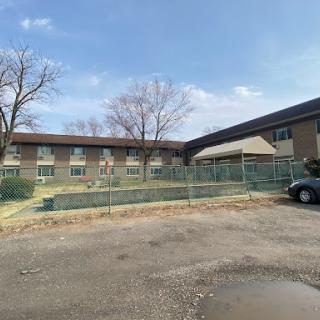
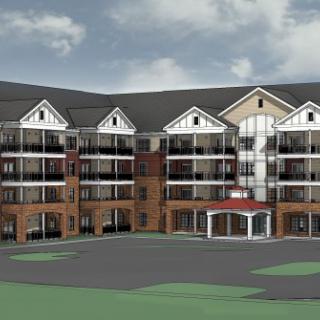
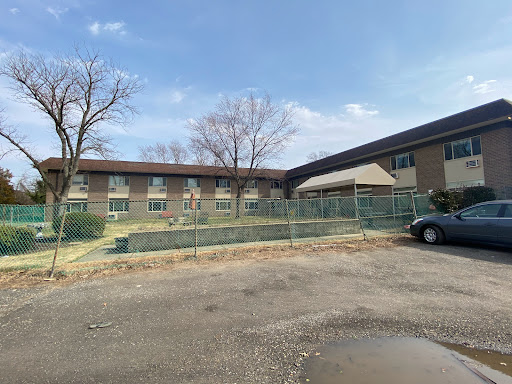
    A view of a construction site with a fenced area around a building, set against a cloudy sky.
  • Dining

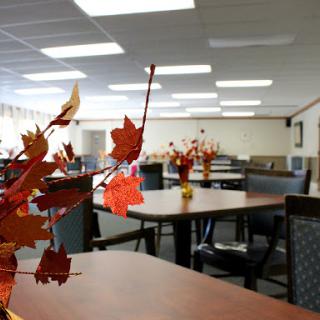
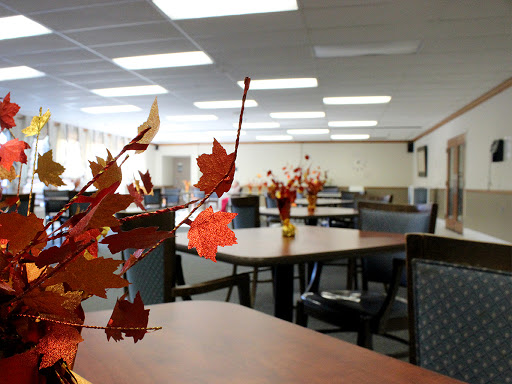
    A cozy dining area decorated with autumn-themed accents, featuring tables and chairs arranged for gathering.
  • Landscaping

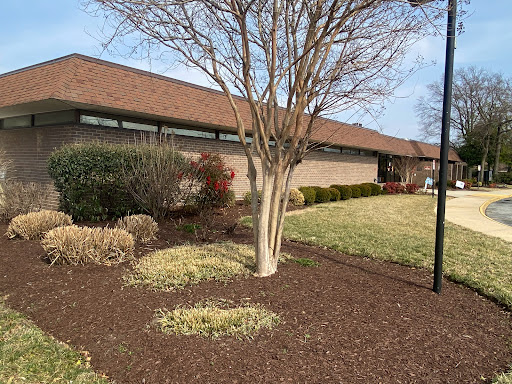
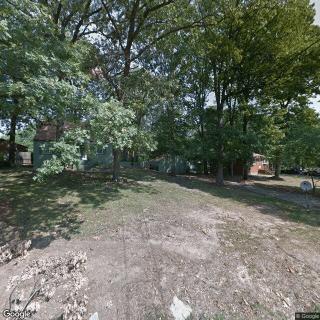
    A tranquil garden scene featuring a tree and well-maintained landscaping.
  • Lighting

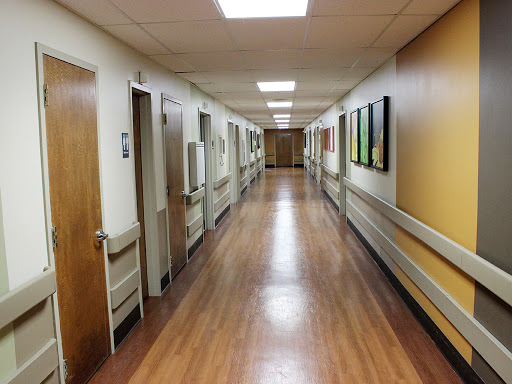
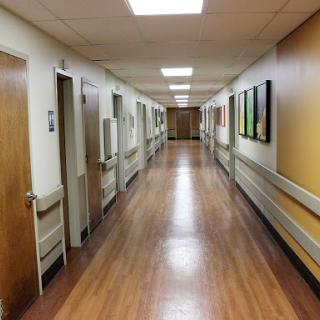
    A view of a hospital hallway with rooms on either side.
  • Exercise Equipment

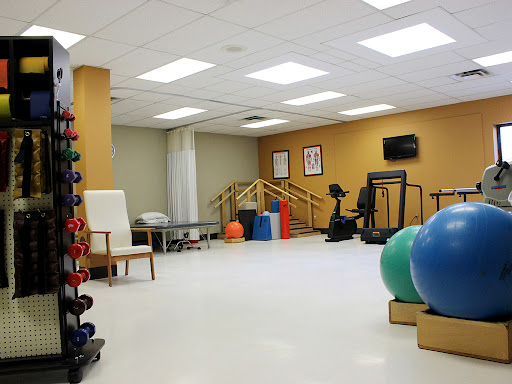
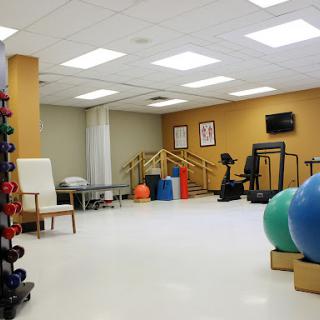
    A well-equipped rehabilitation gym featuring various exercise tools and ample space for physical therapy.
  • Healthcare

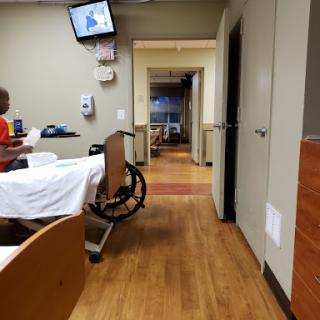
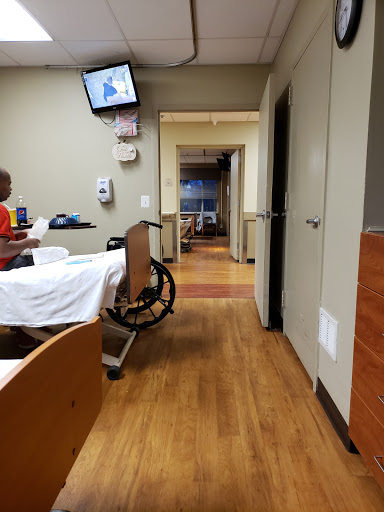
    A view of a hospital patient room, featuring a wheelchair and an empty bed.
  • Sidewalk

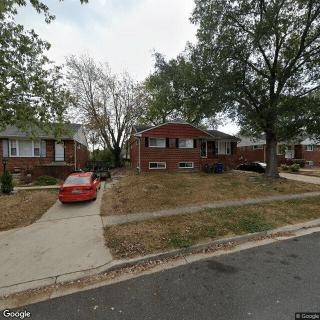
    A view of a building along the street on a cloudy day.

Forestville Healthcare Center in Forestville, MD

Information last verified:

7420 Marlboro Pike, Forestville, MD 20747

For more information about senior living options: (844) 490-3973

2 from 66 reviews
5 stars
10
4 stars
5
3 stars
3
2 stars
5
1 stars
43

Overall Review of Forestville Healthcare Center

Pros

  • pro The rehab and therapy program is the best part of the facility.
  • pro The rehab staff were phenomenal and consistently attentive.
  • pro Rebecca is amazing.
  • pro The PT team is excellent and helped the patient regain mobility.
  • pro The staff are caring and friendly, making residents feel welcome.
  • pro The director of the rehab center and her team were amazing overall.
  • pro The rehabilitation team (PT and OT) were true stars.
  • pro The facility fosters a fun environment and keeps residents laughing.

Cons

  • pro There are reports of falsified medication administration, with medicines not given even though records show they were.
  • pro A staff member allegedly assaulted a patient, and charges are pending.
  • pro The facility has no video cameras, which is described as very suspicious.
  • pro The smell throughout the facility is horrendous most of the time.
  • pro Residents have been left in waste for 45 minutes to 2 hours, indicating neglect.
  • pro The meals are frequently poor and do not respect dietary restrictions.
  • pro The facility is severely understaffed, causing call bells to go unanswered and residents to be unattended.
  • pro The staff is often rude and unprofessional, with reports of neglect and poor treatment.
  • pro The building is dirty and poorly maintained, with urine smells, dirty bathrooms, and damaged blinds.

Review

Forestville Healthcare Center in Forestville, MD is best suited for families pursuing short-term, high-intensity rehabilitation where the core value is restoring mobility and independence through robust physical and occupational therapy. The rehabilitation corridor repeatedly reveals the strongest, most credible care: therapists who push for progress, a treatment emphasis that yields real gains, and staff who remain attentive to rehabilitation goals even when other systems are strained. For residents arriving unable to stand or needing substantial assistive support, the center can deliver tangible improvements in gait, balance, and daily functioning when therapy schedules are followed and a vigilant family or advocate keeps therapy on track. In short, this is a facility to consider seriously if the primary objective is recovery and regaining independence through intensive rehab.

Those evaluating ongoing long-term care should weigh stark cautions. Alternatives deserve consideration for families prioritizing consistent daily safety, reliable medication management, and a consistently clean, respectful environment. The reviews paint a troubling pattern: chronic under-staffing, frequent call-bell delays, and a sense that front-line workers may be overwhelmed or disengaged. For residents with dementia, high fall risk, or complex medical needs, these inconsistencies in basic care, medication administration, timely responses, and routine supervision, pose real safety risks. Repeated reports of strong odors, cleanliness gaps, and deteriorating conditions in rooms and common areas further erode trust and raise questions about infection control and overall daily quality of life. Dietary services also appear inconsistent, with meals that do not meet restrictions or preferences, which can undermine nutrition and comfort for vulnerable residents.

The strongest, most consistent upside centers on rehabilitation outcomes. When the rehab team operates at full tilt, progress is visible: patients regain walking ability, improve mobility, and experience a sense of momentum that families notice and appreciate. Several reviews highlight caregivers in the therapy realm who are knowledgeable, supportive, and effective at coaching patients through difficult milestones. Yet this bright spot does not erase the broader caregiving gaps. Across the campus, non-therapy staff, nurses, aides, housekeeping, and administrative personnel, are described as inconsistent in responsiveness, sometimes brusque or disengaged, and occasionally unavailable when needs arise. The contrast between excellent therapy and uneven daily care compounds families’ frustration, emphasizing that therapy success depends on a functioning, reliable caregiving system that consistently supports every resident’s basic needs.

From a risk-management viewpoint, the rehab advantage is tempered by significant governance and operations concerns. Medication errors or delays, documentation inconsistencies, and allegations of neglect or poor responses to emergencies appear in multiple accounts. The physical environment, stale smells, aging décor, maintenance gaps, and visible wear, further undermines confidence and elevates stress for families. These factors mean that even when therapy produces meaningful bodily gains, the overall experience can be unreliable and unsettling. For families willing to deploy ongoing oversight, frequent visits, direct conversations with nursing leadership, and proactive monitoring of meds and hydration, the center can function as a viable rehab-focused option. For others, the cumulative risk of medication lapses, dehydration, bedsores, or delayed assistance makes this a far less attractive long-term placement.

Practical next steps should focus on due diligence and concrete safeguards. Prospective residents or their representatives should plan multiple, extended tours during different shifts to observe therapy, nursing responsiveness, and daily routines. Ask for current staffing ratios, the governance structure (Director of Nursing and Rehab Director’s roles), and the cadence of administrative follow-through on family concerns. Interview current residents or family advocates about day-to-day care, and request up-to-date state inspection findings and complaint histories. Clarify medication workflows, storage, and dispensation processes, and insist on a transparent plan for nutritional accommodations that respect vegetarian, religious, or other dietary needs. Evaluate housekeeping routines, laundry turnaround, and infection-control practices, and insist on a clear communication channel for reporting and resolving issues. These checks help distinguish episodic care quality from systemic weakness.

In the end, Forestville Healthcare Center represents a high-stakes decision. For families prioritizing regenerative therapy and meaningful functional gains, a careful, closely supervised rehab stay can yield real, sometimes life-changing improvements. For most seniors seeking stable, respectful, and consistently managed daily care, alternatives with stronger staffing stability, proven med management, and cleaner, better-maintained environments are advisable. If choosing Forestville, enter with a concrete oversight plan: scheduled check-ins with the DON, scheduled therapy milestones, and explicit accountability for meals, meds, and hygiene. When operated with disciplined oversight and a clear, shared goal around mobility, the center’s rehabilitation strengths can shine; when oversight wanes, the same strengths falter under the weight of chronic caregiving gaps. The recommendation is decisive: prioritize proven, reliable daily care or select this center only if a rigorous oversight framework is in place and rehabilitation remains the clear, dominant objective.

Features

Housing

  • 160 resident community capacity 160 resident community capacity

Types of Care

  • Skilled Nursing Facility Skilled Nursing FacilitySkilled Nursing Facilities are crucial for seniors as they provide round-the-clock medical care, rehabilitation services, and assistance with daily activities. These facilities ensure that seniors receive the specialized care they need to maintain their health and well-being as they age.

Amenities

  • Air-conditioning Air-conditioningAir conditioning is important for seniors as they are more vulnerable to heat-related illnesses and may have underlying health conditions that make it difficult for them to regulate their body temperature. It helps to keep them comfortable, safe, and healthy in hot weather.
  • Beauty salon Beauty salonBeauty salons are important for seniors because they provide a space for them to feel pampered, socialize, and maintain their personal grooming and hygiene. Regular visits to a beauty salon can help boost seniors' self-esteem and overall well-being.
  • Cable or satellite TV Cable or satellite TVCable or satellite TV is important for seniors because it provides entertainment, news, and companionship, helping to combat loneliness and boredom. It also offers a wide range of programming options tailored to different interests and preferences.
  • Computer center Computer centerA computer center is essential for seniors as it provides access to technology, communication tools, and resources that can enhance their daily lives. It allows them to stay connected with loved ones, engage in online activities, and learn new skills, ultimately promoting socialization and mental stimulation.
  • Dining room Dining roomDining rooms are important for seniors as they provide a space for socialization, connection, and nutritious meals. They offer opportunities for residents to bond over shared meals, foster a sense of community, and promote healthy eating habits. Dining rooms also ensure that seniors have access to well-balanced meals tailored to their dietary needs and preferences.
  • Fitness room Fitness roomHaving a fitness room in a senior living community is essential for seniors to stay active, maintain their physical health, and improve their overall well-being. Regular exercise can help prevent falls, reduce the risk of chronic diseases, and promote mental sharpness. It also provides social opportunities for residents to connect with others and enjoy a sense of community.
  • Fully furnished Fully furnishedFully furnished senior living communities are important for seniors because they provide convenience, comfort, and a hassle-free moving experience. Seniors can easily settle into their new living space without the stress of having to buy and move furniture. This allows them to focus on enjoying their new home and community.
  • Gaming room Gaming roomGaming rooms are important for seniors as they provide a fun and engaging environment for socializing, cognitive stimulation, and physical activity. Games can improve memory, problem-solving skills, and overall mental well-being while fostering friendships and reducing feelings of isolation.
  • Garden GardenGardens are important for seniors as they provide a peaceful and therapeutic environment for relaxation, physical activity, and socialization. Being in nature has been shown to reduce stress, improve mood, and promote overall well-being. Gardens also offer opportunities for seniors to engage in gardening activities, which can improve mobility, flexibility, and cognitive function. Additionally, gardens create a sense of community and connection with others who share a passion for plants and outdoor spaces.
  • Housekeeping services Housekeeping servicesHousekeeping services are important for seniors because they help maintain a clean and safe living environment, promote independence, and reduce the risk of accidents or illnesses. Additionally, having assistance with household chores can alleviate physical strain and allow seniors to focus on other aspects of their well-being.
  • Kitchenette KitchenetteKitchenettes are important for seniors living in senior living communities because they provide the convenience and independence of being able to prepare simple meals and snacks in the comfort of their own living space. This can help promote a sense of autonomy and well-being for seniors, allowing them to maintain some level of control over their dietary choices and daily routines.
  • Move-in coordination Move-in coordinationMove-in coordination is important for seniors because it helps ease the transition into their new living environment. It ensures that all logistics, such as packing, organizing movers, and setting up utilities are taken care of, allowing seniors to focus on settling in and adjusting to their new home. Having a smooth move-in process can alleviate stress and anxiety, making the transition smoother and more enjoyable for seniors.
  • Outdoor space Outdoor spaceOutdoor spaces are important for seniors as they provide opportunities for physical activity, social interaction, exposure to natural light and fresh air, and a sense of connection to nature. Having access to outdoor spaces can improve overall well-being and quality of life for older adults living in senior communities.
  • Private bathrooms Private bathroomsPrivate bathrooms are important for seniors in senior living communities because they provide independence, dignity, and comfort. Having a private bathroom allows seniors to maintain their personal hygiene routines without the need for assistance, promoting a sense of autonomy and privacy. Additionally, private bathrooms help prevent the spread of infections and provide a safe and clean environment for seniors to navigate safely.
  • Restaurant-style dining Restaurant-style diningRestaurant-style dining is important for seniors because it allows them to enjoy delicious, nutritious meals in a social and upscale setting. This enhances their dining experience, promotes healthy eating habits, and fosters socialization with fellow residents, ultimately contributing to their overall well-being and quality of life.
  • Small library Small librarySmall libraries are important for seniors as they provide access to a variety of reading materials, including books, newspapers, and magazines. This can help stimulate their minds, keep them engaged, and provide a sense of community through book clubs and other social activities. Additionally, reading has been shown to improve cognitive function and overall mental well-being in older adults.
  • Telephone TelephoneTelephones are important for seniors as they provide a lifeline for communication with loved ones, emergency services, and healthcare providers. They offer a sense of security and independence, enabling seniors to stay connected and access assistance when needed.
  • Wellness center Wellness centerWellness centers are important for seniors because they offer a variety of programs and services that promote physical, mental, and emotional well-being. These centers provide opportunities for exercise, socialization, education, and relaxation, helping seniors maintain their overall health and quality of life.
  • Wi-Fi/high-speed internet available Wi-Fi/high-speed internet availableWi-Fi/high-speed internet is important for seniors to stay connected with loved ones, access online resources, and participate in virtual activities to combat feelings of loneliness and isolation. It also allows them to easily manage healthcare needs, access entertainment, and engage in lifelong learning opportunities.

Transportation

  • Ronald Reagan Washington National (9 miles away) Ronald Reagan Washington National (9 miles away)
  • Community operated transportation Community operated transportationCommunity operated transportation is crucial for seniors as it provides them with the means to access essential services, social activities, and medical appointments. It allows seniors to maintain their independence and quality of life by ensuring they can participate in activities outside of their homes. Additionally, community-operated transportation services offer a safe and reliable way for seniors to travel without having to rely on family or friends for assistance.
  • Transportation arrangement Transportation arrangementTransportation arrangements are crucial for seniors as they may face challenges with driving, mobility, or access to public transportation. Having reliable transportation services ensures that seniors can easily attend appointments, social activities, and maintain their independence and quality of life.
  • Transportation arrangement (non-medical) Transportation arrangement (non-medical)Transportation arrangements are essential for seniors as they provide access to essential services, activities, and social interactions outside the home. This service helps maintain independence, mobility, and overall well-being for seniors who may have limited transportation options.
  • Transportation to doctors appointments Transportation to doctors appointmentsTransportation to doctors appointments is crucial for seniors as it ensures they have access to necessary medical care and support, promoting their health and well-being. It allows them to receive timely treatment, monitor existing conditions, and address any new health concerns efficiently. Additionally, transportation services can help seniors maintain their independence and quality of life by enabling them to stay connected with their healthcare providers.

Care Services

  • 12-16 hour nursing 12-16 hour nursing12-16 hour nursing care is crucial for seniors in order to ensure around-the-clock monitoring, timely medication administration, and prompt response to any health concerns or emergencies. This level of care helps to promote the overall well-being and safety of seniors living in senior living communities.
  • 24-hour call system 24-hour call system24-hour call systems are important for seniors because they provide peace of mind and immediate assistance in case of emergencies. This technology ensures that help is always available, promoting safety and security for elderly individuals living alone or in assisted living facilities.
  • 24-hour supervision 24-hour supervision24-hour supervision is important for seniors to ensure their safety, well-being, and access to immediate assistance in case of emergencies or health issues. This constant support provides peace of mind for both seniors and their loved ones, allowing them to age in place with dignity and security.
  • Activities of daily living assistance Activities of daily living assistanceActivities of daily living assistance are important for seniors because they provide essential support with tasks such as eating, bathing, dressing, and mobility. This assistance helps seniors maintain their independence, dignity, and overall quality of life as they age.
  • Assistance with bathing Assistance with bathingAssistance with bathing is crucial for seniors as it helps maintain personal hygiene, prevents infections, and ensures their overall well-being and comfort. It also provides a sense of dignity and independence for seniors who may struggle with this task on their own.
  • Assistance with dressing Assistance with dressingAssistance with dressing is important for seniors because it helps maintain their independence, promotes personal hygiene, prevents accidents and injuries, and improves overall quality of life. This service ensures that seniors can continue to dress comfortably and confidently, despite any physical limitations they may have.
  • Assistance with transfers Assistance with transfersAssistance with transfers is crucial for seniors as it helps prevent falls and injuries, maintains their independence, and ensures they can safely navigate their living environment. It also provides peace of mind for both seniors and their loved ones.
  • Diabetes diet Diabetes dietA diabetes diet is crucial for seniors as it helps manage blood sugar levels, reduce risks of complications, and improve overall health and well-being. By following a balanced and nutritious diet tailored to their specific needs, seniors can better control their diabetes and enhance their quality of life.
  • High acuity care High acuity careHigh acuity care is important for seniors because it provides specialized medical attention and support for individuals with complex medical needs. This level of care ensures that seniors receive the appropriate treatment and assistance to maintain their health and quality of life as they age.
  • Incontinence care Incontinence careIncontinence care is essential for seniors to maintain their dignity, hygiene, and overall quality of life. By addressing incontinence issues promptly and effectively, seniors can enjoy a sense of independence and comfort in their daily activities.
  • Meal preparation and service Meal preparation and serviceMeal preparation and service are crucial for seniors as they may have limited mobility or energy to cook nutritious meals. Having access to healthy and convenient food options can ensure they are getting the proper nutrition needed to maintain their overall health and well-being.
  • Medication management Medication managementMedication management is crucial for seniors to ensure they are taking the right medications at the correct dosages and times. This helps prevent adverse drug interactions, reduces the risk of medication errors, and promotes overall health and well-being. Proactive management also allows for adjustments as needed based on changing health conditions or new prescriptions.
  • Mental wellness program Mental wellness programMental wellness programs are essential for seniors as they promote cognitive stimulation, emotional support, and social engagement. These programs help prevent isolation, depression, and cognitive decline, ultimately enhancing the overall quality of life for older adults.
  • Special dietary restrictions Special dietary restrictionsSpecial dietary restrictions are important for seniors because age-related changes in metabolism and health conditions can make it difficult for their bodies to process certain foods. By following a diet tailored to their specific needs, seniors can maintain their overall health and well-being, manage chronic conditions, and reduce the risk of complications such as malnutrition or food interactions with medications.

Dining

  • Diabetes diet Diabetes dietA diabetes diet is crucial for seniors as it helps manage blood sugar levels, reduce risks of complications, and improve overall health and well-being. By following a balanced and nutritious diet tailored to their specific needs, seniors can better control their diabetes and enhance their quality of life.
  • Special dietary restrictions Special dietary restrictionsSpecial dietary restrictions are important for seniors because age-related changes in metabolism and health conditions can make it difficult for their bodies to process certain foods. By following a diet tailored to their specific needs, seniors can maintain their overall health and well-being, manage chronic conditions, and reduce the risk of complications such as malnutrition or food interactions with medications.

Activities

  • Community-sponsored activities Community-sponsored activitiesCommunity-sponsored activities are important for seniors as they provide opportunities for social interaction, mental stimulation, and physical activity. These activities can help improve overall well-being, combat loneliness and isolation, and promote a sense of belonging and purpose among older adults.
  • Concierge services Concierge servicesConcierge services are essential for seniors as they provide assistance with daily tasks and errands, enhance their quality of life by offering convenience and personalized care, and promote a sense of safety and security.
  • Fitness programs Fitness programsFitness programs are crucial for seniors as they help improve strength, flexibility, balance, and overall well-being. Staying active can reduce the risk of chronic diseases, improve mental health, and enhance quality of life in older adults.
  • Planned day trips Planned day tripsPlanned day trips are important for seniors because they offer opportunities for socialization, mental stimulation, and physical activity. They provide a change of scenery and help seniors stay engaged and connected to their community, promoting overall well-being and quality of life.
  • Resident-run activities Resident-run activitiesResident-run activities are important for seniors as they encourage social interaction, creativity, and a sense of autonomy. These activities empower seniors to stay engaged and active in their community while fostering meaningful connections with their peers.
  • Scheduled daily activities Scheduled daily activitiesScheduled daily activities are important for seniors because they provide structure, socialization, mental stimulation, and physical activity. Engaging in regular activities can improve overall well-being and quality of life for seniors living in a community setting.

Description

Forestville Healthcare Center is an assisted living community located in Forestville, MD. This vibrant community offers a wide range of amenities and care services to cater to the needs and preferences of its residents.

The community features an on-site beauty salon, ensuring that residents can easily maintain their personal grooming needs. Residents can also enjoy their favorite TV shows or movies with cable or satellite TV access in their private accommodations. In terms of transportation, Forestville Healthcare Center offers both community-operated transportation and arrangements for non-medical transportation, making it convenient for residents to run errands or attend appointments.

For those who wish to stay connected digitally, the community provides a computer center and Wi-Fi/high-speed internet access. There are also plenty of opportunities for socialization and recreation, with a gaming room, small library, and outdoor spaces available. The dining experience at Forestville Healthcare Center is top-notch, offering restaurant-style dining with special dietary restrictions taken into account.

In terms of care services, residents can have peace of mind knowing that there is 24-hour call system and supervision available to ensure their safety and well-being. The dedicated staff members provide assistance with activities of daily living such as bathing, dressing, and transfers when needed. The community also specializes in high acuity care for individuals with more complex medical needs. Additionally, medication management is provided for residents who require assistance in this area.

Forestville Healthcare Center values the mental wellness of its residents by offering a mental wellness program to promote overall emotional well-being. For individuals with specific dietary restrictions such as diabetes diet or special dietary needs, the community caters to these requirements.

Residents at Forestville Healthcare Center have access to various activities designed to enrich their lives. From fitness programs and planned day trips to resident-run activities and scheduled daily activities, there is something for everyone's interests. The concierge services ensure that all resident requests are promptly attended to.

Lastly, the location of Forestville Healthcare Center offers convenience with nearby cafes, parks, pharmacies, physicians, restaurants, transportation options, and hospitals.

Overall, Forestville Healthcare Center provides a well-rounded assisted living experience with its array of amenities and care services, ensuring that residents have everything they need to live comfortably and thrive in a welcoming community environment.

Videos

Nearby Places of Interest

This part of Forestville, Maryland offers convenient access to essential amenities such as pharmacies, hospitals, restaurants, cafes, physicians, parks, transportation hubs, and places of worship. Within a short distance, you will find multiple pharmacies like CVS and Walgreens for your medication needs. In case of medical emergencies, Riverside Medical District Heights and MedStar Southern Maryland Hospital Center are nearby. There are various dining options including fast food chains like McDonald's and Chick-Fil-A as well as sit-down restaurants like Panda Express. Additionally, Starbucks and other cafes provide a cozy spot to enjoy a cup of coffee. Parks like Mellwood Park and Watkins Regional Park offer green spaces for outdoor activities. Public transportation is easily accessible with metro stations such as Benning Road and Stadium-Armory in close proximity. Various places of worship are also available within the vicinity. Overall, this part of Forestville provides a convenient and well-rounded environment for senior living.

Pharmacies

  • Shoppers Food & Pharmacy (0.4 miles)
  • CVS Pharmacy (0.4 miles)
  • Walgreens (0.4 miles)
  • CVS Pharmacy (1.6 miles)
  • Shoppers Food & Pharmacy (1.7 miles)
  • CVS Pharmacy (3.8 miles)
  • Walgreens (4.5 miles)

Hospitals

  • Riverside Medical District Heights (1.1 miles)
  • St Elizabeths Hospital (6 miles)
  • MedStar Southern Maryland Hospital Center (6.9 miles)

Restaurants

  • McDonald's (1.6 miles)
  • Chick-Fil-A (1.8 miles)
  • McDonald's (1.9 miles)
  • McDonald's (1.9 miles)
  • Panda Express (2 miles)
  • Sonic Drive-In (2.1 miles)
  • Chick-Fil-A (2.2 miles)

Cafes

  • Starbucks (2.2 miles)
  • Starbucks (5.3 miles)
  • Panera Bread (5.3 miles)
  • Starbucks (6.6 miles)
  • Wine & Butter Cafe & Market (6.8 miles)
  • Philz Coffee (6.9 miles)
  • Slipstream (7.2 miles)

Physicians

  • Childrens Pediatricians (3 miles)
  • Dr Jenkin's Office (4.8 miles)
  • Weinstein Eye Associates (7.8 miles)

Parks

  • Mellwood Park (3.8 miles)
  • Watkins Regional Park (5.1 miles)
  • L'Enfant Square (5.3 miles)
  • Lincoln Park (6.7 miles)
  • The Yards Park (6.9 miles)
  • Stanton Park (7.3 miles)
  • Marlton Community Park (7.6 miles)

Transportation

  • Benning Road Metro Station (4.4 miles)
  • Stadium-Armory Metro Station (6 miles)
  • Potomac Avenue Metro Station (6.2 miles)
  • Eastern Market Metro Station (6.8 miles)
  • New Carrollton Amtrak Station (6.9 miles)
  • Capitol South Metro Station (7.4 miles)
  • Union Station Metro (7.8 miles)

Places of Worship

  • St Peter's School on Capitol Hill (7.1 miles)
  • St Joseph Catholic Church on Capitol Hill (7.5 miles)

Frequently Asked Questions

Where is Forestville Healthcare Center?
What photos are available for Forestville Healthcare Center in Forestville, Maryland?

Nearby Communities

  • Gwynn Gardens Assisted Living

    Gwynn Gardens Assisted Living

    Forestville, MD


    pro Small, intimate community with personalized care and 24/7 supervision plus comprehensive support services.
  • Home Assisted Living

    Home Assisted Living

    District Heights, MD

    5 from 1 review
     

    pro Cozy, fully furnished apartments with 24/7 care, meals, and on-site amenities.

  • Starcare Partners

    Starcare Partners

    District Heights, MD

     
    $2,000 to $2,300 / month

    pro Affordable private/semi-private rooms with 24/7 supervision, comprehensive care services, and engaging activities in a pet-friendly setting.

  • Eby Health Services III

    Eby Health Services III

    District Heights, MD

    5 from 3 reviews
    $2,000 to $3,000 / month

    pro Lower-than-average rates for semi-private and private rooms.

  • Great Victory Care Inc.

    Great Victory Care Inc.

    District Heights, MD

    5 from 1 review
     

    pro Convenient access to healthcare, pharmacies, dining options, and nearby parks.

  • Conifer Village at Oakcrest

    Conifer Village at Oakcrest

    Capitol Heights, MD

    4 from 20 reviews
    $1,030 to $1,200 / month

    pro Brand-new, handicap accessible apartments with friendly staff and ample on-site amenities.

  • The Sky Bridge at Town Center

    The Sky Bridge at Town Center

    Largo, MD

    4.8 from 109 reviews
     

    pro Comprehensive care options (including memory care) with 24/7 supervision and on-site dining/amenities.

  • The Vistas at Lake Largo

    The Vistas at Lake Largo

    Largo, MD

    3.7 from 34 reviews
    $904 to $1,073 / month

    pro Attractive exterior with positive initial staff interactions and solid 2-bedroom options.

  • Jericho Residences

    Jericho Residences

    Landover, MD

    3.8 from 83 reviews
    $1,325 to $4,940 / month

    pro Spacious, clean apartments with an active 55+ community and on-site amenities (gym, dining, washers in-unit) plus social programs.

Related Resources

  • tax implications of parent living with youNavigating the Tax Landscape of Caregiving: Credits, Deductions, and Beyond

    Caregiving for an aging parent entails emotional and financial responsibilities accompanied by significant tax implications, including potential benefits from claiming them as dependents and deductions for medical expenses and caregiving costs. Caregivers must understand eligibility requirements, maintain thorough documentation, and consider consulting a tax professional to navigate these complexities effectively.

  • low impact exercises for seniorsHighly Beneficial Low-Impact Exercises for Senior Living Residents

    Low-impact exercises are vital for seniors as they promote health, independence, and social interaction while reducing joint strain. These adaptable activities, guided by healthcare professionals, enhance strength, flexibility, and emotional well-being.

  • is home health care tax deductibleIs In-Home Healthcare Tax Deductible? Your Comprehensive Guide
    The guide details the tax deductibility of in-home healthcare expenses according to IRS guidelines, differentiating between medically necessary services and non-medical assistance, while emphasizing the need for proper documentation and itemization requirements. It also highlights state-level variations, the importance of record-keeping, and encourages seeking professional tax help to understand evolving regulations.