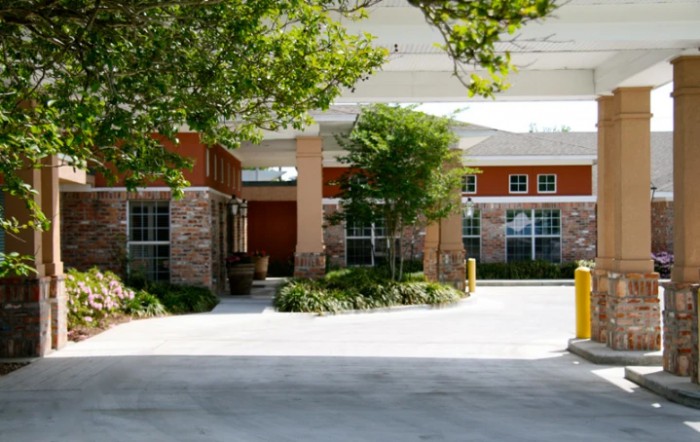
1306 West Admiral Doyle Drive, New Iberia, LA 70560
For more information about senior living options: (866) 208-4318
Overall Review of Belle Teche Nursing & Rehabilitation Center
Pros
 They love it.
- They have been very pleased.
Cons
 They are very disgusted and would give zero stars if possible.
- They have no education on how people need to be taken care of or treated.
- They are very lazy and don’t check the things that need to be checked.
- They would not send their loved ones here.
Review
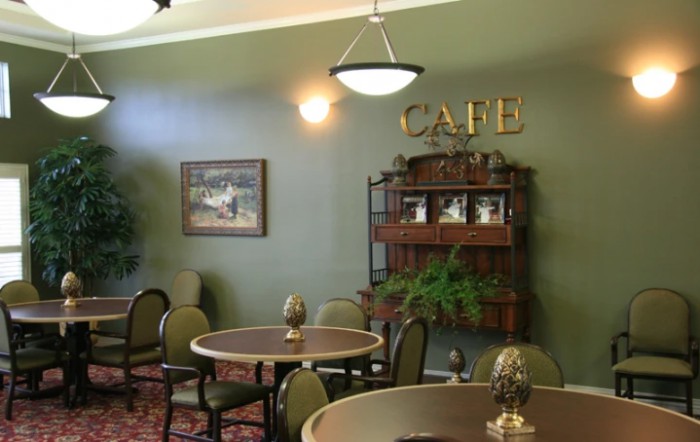
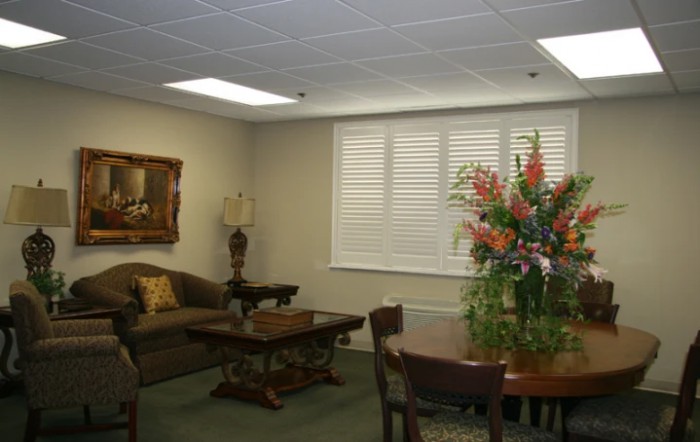
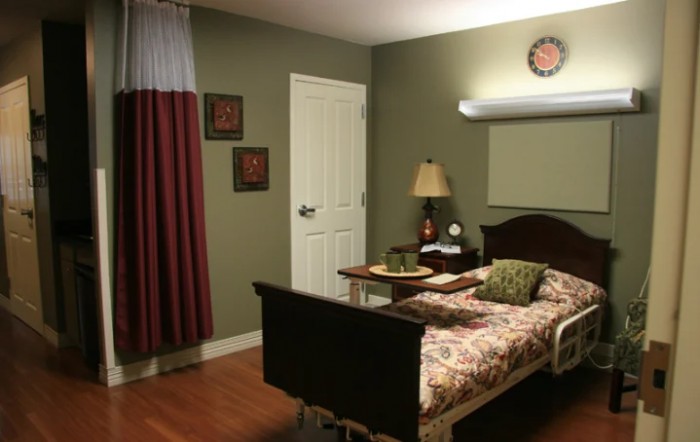
Belle Teche Nursing & Rehabilitation Center in New Iberia is best suited for families seeking a rehab-focused option that delivers basic daily care in a familiar, mid-range setting. The community appears to meet the needs of residents who prize a welcoming atmosphere and approachable staff, and who can tolerate some day-to-day variability as long as steady recovery or maintenance progress is visible. For families pursuing consistent, top-tier care with highly structured medical oversight, this center may not be the strongest match, but it can be a practical, value-conscious choice for those who can actively participate in and monitor care.
Those with loved ones requiring intensive medical management, complex nursing needs, or strong behavioral health support should consider alternatives. The most cautionary signal among the reviews centers on concerns about care quality and staff attentiveness. A pair of 1-star testimonials paints a stark picture of neglect and insufficient checks, implying that oversight and accountability may be uneven. In such cases, moving to a facility with demonstrated, unwavering attention to safety, medication management, and regular monitoring would be prudent. Families facing high-acuity needs should proceed with extra scrutiny or choose a different option.
On the upside, several reviews convey genuine satisfaction and a sense of reassurance from families. The sentiment “We have been very pleased!” signals that, for some residents, the daily routine is manageable, therapy services are accessible, and the environment offers a degree of comfort and warmth. Those positive notes, while not richly detailed, suggest that the facility can provide meaningful rehab- and recovery-oriented care when staffing levels align with patient needs and when caregivers engage with residents in a consistent manner. In settings like this, the absence of a dramatic consensus doesn’t mean excellence is universal, but it does indicate that a respectable portion of residents experience acceptable to good care.
The main drawbacks hinge on care quality and reliability. The most concerning elements are reported as a lack of education among staff about proper caregiving and a perception of laziness or insufficient task completion. When staff fail to check essential indicators or overlook routine safety measures, resident outcomes can suffer, especially for those with chronic conditions, post-acute recovery needs, or limited mobility. These are not abstract risks; they translate to missed symptoms, delayed responses, and potential complications that families must not overlook. The contrast between several positive voices and the negative ones underscores a critical takeaway: outcomes may be highly situational, dependent on who is on shift and how tightly oversight is enforced.
The positive attributes can offset the negatives only to a point. For residents with moderate needs and a clear rehabilitation trajectory, a friendly environment and accessible therapy services can support progress and grant families reassurance that their loved one is in a calm, engaged setting. When families are able to participate in care planning, advocate for clear communication, and regularly check in on routines and medications, the favorable aspects can be maximized. Yet the risks highlighted by the negative reviews remain real reminders that steady, proactive governance is essential; without it, the gains from a supportive atmosphere can be undermined by lapses in accountability.
Decision makers should approach with a clear plan: visit in person, observe interactions between staff and residents, and request candid conversations with nurses, therapists, and the administrator about staffing levels and how care plans are updated daily. Ask for recent incident reports, medication management practices, and specifics on how essential checks (vital signs, wound care, fall prevention) are conducted and documented. If possible, talk to current families about consistency of care across shifts and whether they feel truly informed about their loved one’s condition. If these conversations reveal credible, ongoing attention and reliable oversight, Belle Teche can be a sensible, economical choice. If concerns persist, or if the resident demands high-touch medical management, pursuing alternatives with stronger demonstrated reliability is the prudent path.
 150 resident community capacity
 Skilled Nursing Facility
 Air-conditioning
 Beauty salon
 Cable or satellite TV
 Computer center
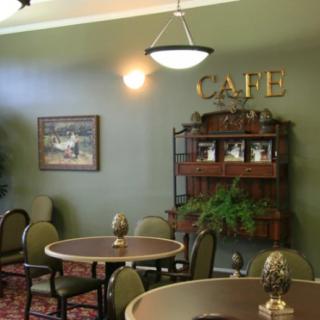
 Dining room
 Fitness room
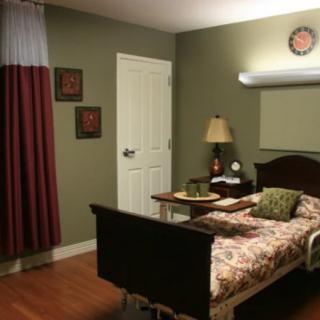
 Fully furnished
 Gaming room
 Garden
 Housekeeping services
 Kitchenette
 Move-in coordination
 Outdoor space
 Private bathrooms
 Restaurant-style dining
 Small library
 Telephone
 Wellness center
 Wi-Fi/high-speed internet available
 Lafayette Regional (16 miles away)
 Community operated transportation
 12-16 hour nursing
 24-hour call system
 Activities of daily living assistance
 Assistance with bathing
 Assistance with dressing
 Assistance with transfers
 Diabetes diet
 Medication management
 Mental wellness program
 Special dietary restrictions
 Concierge services
 Planned day trips



 Understanding the Full Cost of 24/7 In-Home Care: A Detailed Overview
 Exploring the World of Home Health Nurses: Qualifications, Roles, and Hiring Tips
 Navigating Medicare Coverage for In-Home Care Services