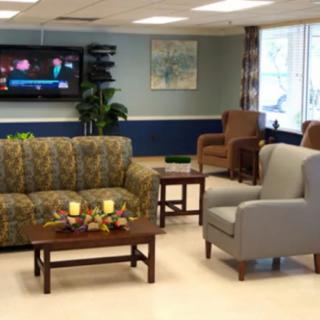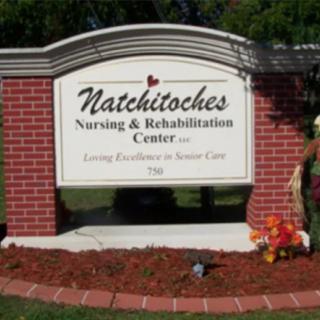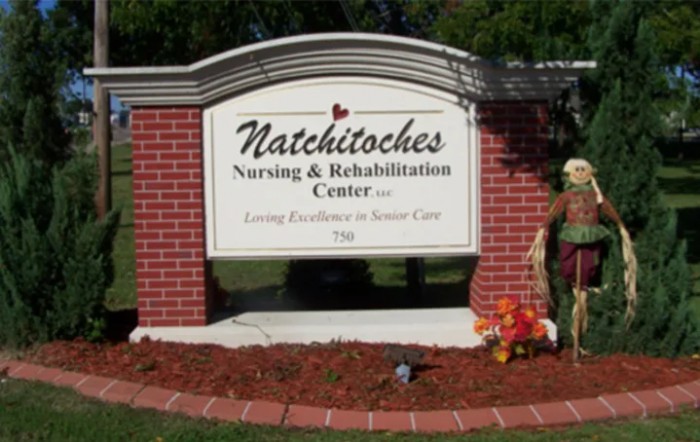
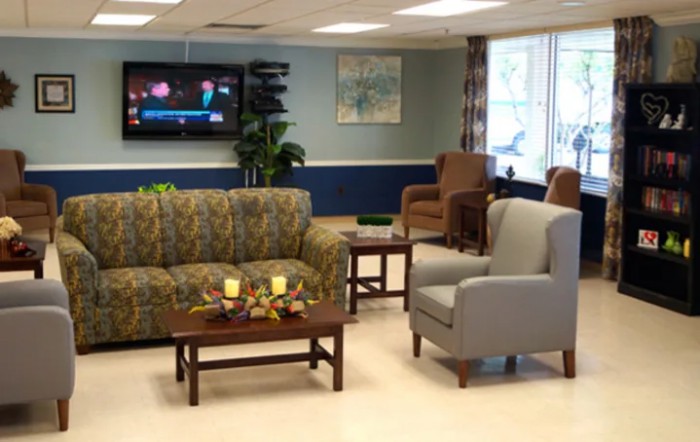
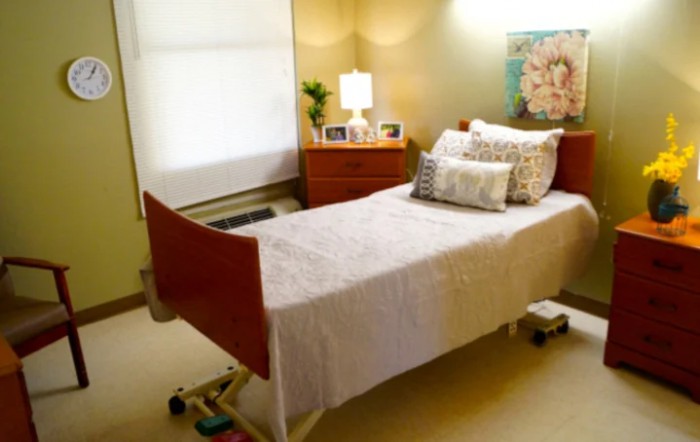
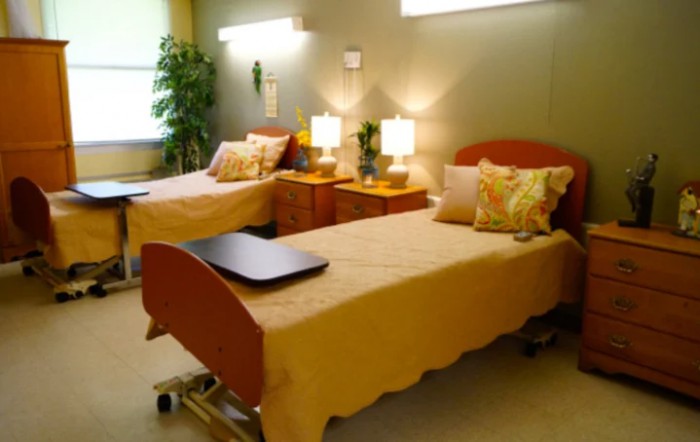
750 Keyser Avenue, Natchitoches, LA 71457
For more information about senior living options: (866) 208-4318
Overall Review of Natchitoches Nursing And Rehabilitation Center
Pros
 The facility’s 24-hour skilled nursing made the resident feel cared for and valued.
- The current staff is amazing and genuinely cares about the residents and their families.
- The nurses were attentive from the start and greeted the resident consistently.
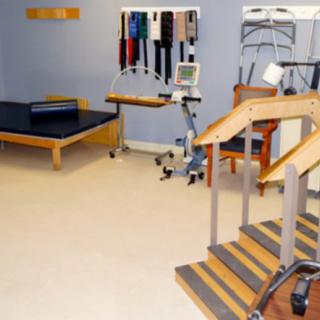
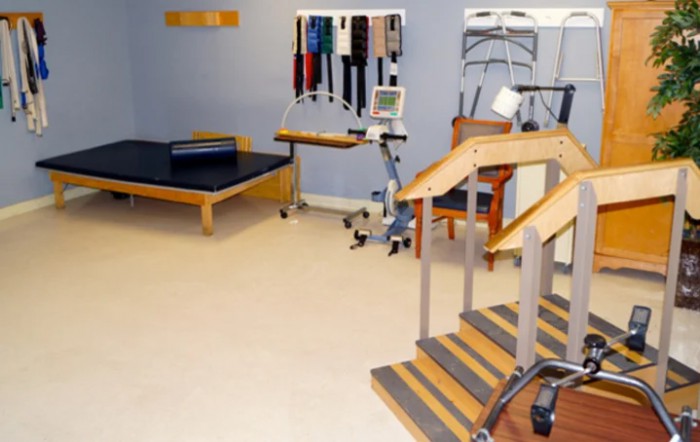
- The therapy team is good and the therapists are dedicated to helping patients recover.
- Brittany is a dedicated worker who takes her job seriously.
Cons
 The nursing staff and nursing assistant personnel are very unprofessional, lazy, and not properly trained to care for patients.
- The facility is described as prioritizing money over patient care, with staff not genuinely interested in the patients.
- The therapy staff are good, but the rest of the facility is not as good.
- The weekend staffing is inadequate, with workers not checking on residents often enough.
- He is neglected, left to sit in his poop and urine-soaked diaper, and is starving and thirsty during visits.
- Some reviewers describe the facility as abusive and urge others to leave.
Review
This community is best suited for seniors who require targeted physical therapy and for families prepared to be present and vigilant about daily care. The standout asset is the therapy program, with several residents reporting meaningful progress and therapists who take the time to work on specific goals. When a resident can lean on skilled rehab services and a nursing staff that responds on a case-by-case basis, tangible gains can be realized, particularly for post-surgical recovery or ongoing mobility needs. That combination can make a meaningful difference, provided there is robust family involvement to monitor day-to-day care and ensure care plans are followed.
However, this is not a facility to passively rely on. Those who require consistently reliable nursing attention and a stable, genuinely caring bedside presence should consider alternatives. Reviews describe unprofessional behavior, minimal engagement, and gaps in basic oversight, especially on weekends, and there are alarming reports of neglect and neglectful conditions. For families unable to visit frequently or advocate assertively, the risk of subpar care appears higher here than in other options. In short, this community may not meet expectations for residents who depend on steady, compassionate daily care.
On the positive side, the strongest reports highlight moments of real care from certain staff and from leadership when present. When new leadership or better-trained nurses are on duty, the team can notice concerns early, greet residents consistently, and support families during transitions, including end-of-life care. Therapy teams are praised for competence and session quality. These threads demonstrate what the facility can deliver when staffing aligns with expectations. Yet the contrast with negative experiences is stark, and the overall impression remains that daily caregiving is the greater weakness.
Families can mitigate risk by insisting on concrete protections and routines. Request a written care plan with defined daily check-ins, ensure there is a designated nurse or aide responsible for the same resident each shift, and verify weekend coverage. Schedule regular, proactive meetings with the administrator or director of nursing, and demand transparency around staffing levels, hydration, and any concerns that appear in the chart. Be prepared to respond quickly to issues of neglect, hygiene, or overall well-being, and be ready to escalate if promises fail. This is a facility where advocacy is not optional; it is essential to secure the level of care that is promised.
Cost considerations and the perception that finances drive decisions recur in the feedback. Several reviewers indicate that financial discussions overshadow patient welfare, creating frustration with the perceived gap between what is paid and what is delivered. That dynamic heightens risk for families, especially when the clinical picture is unstable or the resident requires more consistent attention than is provided. The mix of occasional praise for therapy with frequent cautions about staffing creates a clear calculus: the positives can be real, but they only hold if there is rigorous oversight and active participation from the family.
Bottom line: this community can work for a narrow subset of residents, those who can leverage strong rehabilitation services and maintain an active oversight role to police daily care. For many others, especially those who need consistent, warm, everyday nursing attention or who cannot commit to frequent visits, alternatives are advisable. Prospective movers should compare facilities with more stable staffing and clearer patient-first cultures, enter with explicit care agreements, and insist on transparent billing practices. In the decision-making landscape, this option sits in the caution zone, not the comfort zone.
 98 resident community capacity
 Skilled Nursing Facility
 Air-conditioning
 Beauty salon
 Cable or satellite TV
 Computer center
 Dining room
 Fitness room
 Fully furnished
 Gaming room
 Garden
 Housekeeping services
 Kitchenette
 Move-in coordination
 Outdoor space
 Private bathrooms
 Restaurant-style dining
 Small library
 Telephone
 Wellness center
 Wi-Fi/high-speed internet available
 Community operated transportation
 12-16 hour nursing
 24-hour call system
 Activities of daily living assistance
 Assistance with bathing
 Assistance with dressing
 Assistance with transfers
 Diabetes diet
 Medication management
 Mental wellness program
 Special dietary restrictions
 Concierge services
 Planned day trips



 Exploring Nonmedical Home Care: Understanding Services, Costs, and Financial Approaches
 Engaging Brain Games and Innovative Apps to Keep Senior Minds Active
 Effective Strategies for Keeping Seniors' Minds Active: A Deep Dive into Brain Games and Apps