
740 Justa Street, Morgan City, LA 70380
For more information about senior living options: (866) 208-4318
Overall Review of Morgan City Health Care Center
Pros
 The nurses were sincere, kind, and friendly.
- The nurses were like family.
- The staff kept them informed.
- The food looked and smelled good.
Cons
 The mother did not get the therapy she needed.
- The staff didn’t have time to go to each patient to encourage and help them.
- The mother had dementia, so she did not understand what they were saying.
- The staff worked with all of the patients at the same time, rather than giving individualized attention.
- The floor was sticky and sometimes stank.
- The glue under the floor was wrong and was seeping out, and could not be removed.
- The reviewer did not eat the food.
Review
Morgan City Health Care Center is best suited for families that value a warm, approachable nursing staff and steady, transparent updates about a loved one. The caregivers come across as sincere and friendly, and the atmosphere often feels like a close-knit team looking out for residents. For short stays or for individuals who benefit from a steady, nonclinical touch throughout the day, this environment can be comforting. However, for families needing aggressive rehabilitation, highly individualized dementia care, or meticulous housekeeping, this community will present clear limitations that should prompt looking at alternatives before committing long-term.
Key positives center on the human touch. The nurses are described as sincere, kind, and friendly, with staff who feel almost like family to the residents and their families. That relational strength matters because it reduces anxiety and makes care transitions less jarring. Family members are kept well informed, which can ease decision-making and reduce alarm during a loved one’s stay. The food narrative is less decisive, but the presentation looked appetizing and smelled pleasant, signaling that meals may be appealing to many residents. Taken together, the day-to-day climate at a qualitative level offers dependable warmth and communication that families can rely on when medical details are murky.
The most troubling drawbacks cluster around therapy and daily upkeep. Therapy for a dementia patient, in the review, was not individualized and leaned toward a group approach that excluded meaningful, person-centered engagement. When a patient cannot follow group instructions, essential rehabilitation and stimulating activities disappear into a crowd, leaving gaps in progress and morale. Compounding this, housekeeping and sanitation concerns emerge: the reviewer had to prompt staff to mop a floor that was sticky and sometimes odorous, and there were even issues with floor adhesive seeping through from underneath. These factors touch safety, dignity, and comfort, eroding confidence that the facility can meet more demanding or evolving needs over time.
Do the positives offset the negatives? To an extent, the warmth and reliable updates provide emotional ballast that can hold families steady as longer-term care decisions are made. Yet the motivational and safety uplift from a caring staff does not fully compensate for the absence of tailored therapy and the maintenance weaknesses that affect daily living. For dementia care, the inability to deliver individualized attention can translate into slower progress, frustration for residents who don’t grasp group cues, and a sense that requests for help aren’t promptly prioritized. In practical terms, the care environment feels humane but not comprehensive, and that gap matters when clinical improvement or sustained safety is on the line.
For families actively evaluating options, several concrete steps matter. Request a detailed therapy plan with one-on-one sessions, clear patient-to-therapist ratios, and a documented dementia-engagement approach. Inquire about housekeeping protocols, cleaning schedules, and response times for maintenance requests, and seek recent records or assurances about floor and sanitation standards. During tours, observe how staff communicate changes in care and how often families receive updates. If pursuing this facility, insist on a formal care conference that aligns therapy goals, daily routines, and safety checks with the resident’s needs, and insist on timely remediation any time maintenance concerns arise.
Bottom line: Morgan City Health Care Center is a compassionate option for families prioritizing staff warmth and regular, honest updates, with the caveat that rehab intensity and dementia-specific engagement are not robust. If the resident requires strong, individualized therapy or ultra-high cleanliness standards, alternatives should be explored. For those comfortable supplementing care with proactive family involvement or external therapy, the setting can function as a steady, supportive home base. The positive human touch does not fully offset the core service gaps, so a decision should hinge on aligning these realities with the resident’s care goals, safety requirements, and measurable progress expectations.
 88 resident community capacity
 Skilled Nursing Facility
 Air-conditioning
 Beauty salon
 Cable or satellite TV
 Computer center
 Dining room
 Fitness room
 Fully furnished
 Gaming room
 Garden
 Housekeeping services
 Kitchenette
 Move-in coordination
 Outdoor space
 Private bathrooms
 Restaurant-style dining
 Small library
 Telephone
 Wellness center
 Wi-Fi/high-speed internet available
 Community operated transportation
 12-16 hour nursing
 24-hour call system
 Activities of daily living assistance
 Assistance with bathing
 Assistance with dressing
 Assistance with transfers
 Diabetes diet
 Medication management
 Mental wellness program
 Special dietary restrictions
 Concierge services
 Planned day trips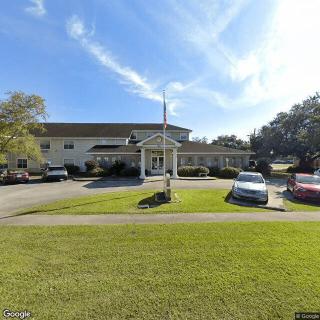






 In-Depth Look at the VA Aid and Attendance Program
 Nurturing Our Loved Ones: A Daughter's Journey in Caring for Her Mother
 Nurturing Our Elders: Linda's Journey of Supporting Her Mother