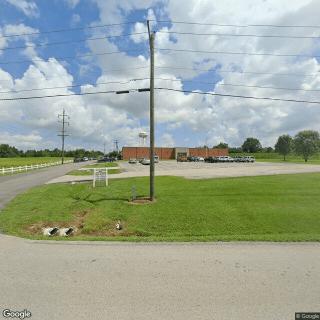
The Transitional Care Center Of Owensboro

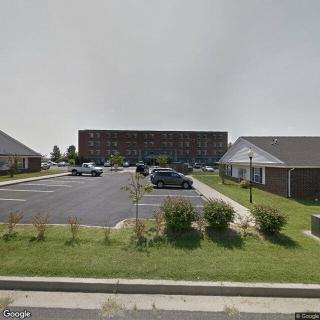
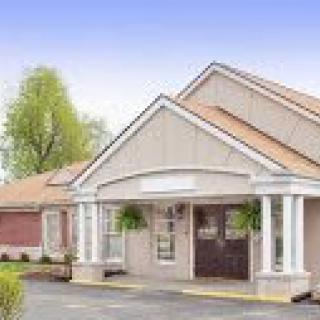
1201 Pleasant Valley Road, Owensboro, KY 42303

For more information about senior living options: (844) 490-3973

5 from 6 reviews
5 stars
6
4 stars
0
3 stars
0
2 stars
0
1 stars
0

Overall Review of The Transitional Care Center Of Owensboro

Pros

  • pro The staff delivered top-notch care from meals to CNAs, nurses, physical therapy, occupational therapy, and doctors.
  • pro The rehab on the 4th floor is fantastic.
  • pro The overall care was outstanding and unlike anything they had experienced.
  • pro The staff and services are top-notch.
  • pro Owensboro Health provided outstanding care that was deeply appreciated.

Cons

  • pro No negative statements were found in the reviews.

Review

This community is best suited for older adults who are leaving the hospital with a defined rehabilitation goal and a plan to return home or transition to a less intensive setting. The Transitional Care Center Of Owensboro focuses on post-acute rehab, and the reviews consistently highlight stroke recovery as a core area of strength. Families will notice a team-oriented environment where skilled therapists, attentive CNAs, nurses, and doctors coordinate to push for meaningful progress. The fourth-floor rehab unit is described as fantastic, signaling a focused, outcome-driven approach rather than a generic hospital feel. For someone facing the uphill task of rebuilding mobility, strength, and independence after an acute event, this center provides a clear, capable pathway to discharge with confidence.

Alternatives become worth considering when the need is long-term care rather than short-term rehab. The center’s transitional model implies a finite stay, so those requiring ongoing 24/7 supervision without a discharge objective may find a different skilled nursing or memory-care community a better long-term fit. Families seeking a quieter, more independent-living atmosphere, or a setting with broader social programming beyond rehab sessions, may also want to compare options. Additionally, if the primary goal is persistent custodial support or specialized memory care, other facilities designed around those needs will likely offer more aligned amenities and staffing patterns than a post-acute rehab-focused center.

What stands out most are the professionals delivering care: the staff described as the “nicest” you could ask for, along with consistently strong nursing, therapy, and physician input. This level of personnel quality translates into very tangible rehab advantages, from intensive physical and occupational therapy to clear, collaborative treatment plans. When recovery hinges on daily progress and real-world function, the combination of compassionate bedside care and rigorous therapy offsets the temporary nature of a transitional stay. In short, the center’s strongest asset is the people, whose dedication makes even difficult rehab tasks feel achievable and builds trust during a stressful recovery window.

Reviewers repeatedly call the care “top notch” and highlight the coordination between food service, CNAs, nurses, therapists, and doctors. That integrated approach means families can trust discharge timing, know the plan for returning home, and observe consistent messaging across disciplines. The positive interpersonal climate, clinic-level efficiency paired with genuine warmth, helps patients stay engaged in rehabilitation when motivation can waver. In practice, this translates to more productive therapy sessions, smoother daily routines, and fewer gaps in communication at critical junctures. When a post-acute journey depends on reliable teamwork, these strengths directly influence outcomes.

However, the reality of a transitional-care setting is that it emphasizes achieving a defined short-term objective rather than long-term living arrangements. For someone with extended needs beyond rehab, or for families prioritizing long-run custodial security, alternatives that offer ongoing supervision and diversified day programming may be a better match. Prospective residents should verify discharge-planning timelines, availability of in-home or community-based rehab after leaving, and whether insurance and Medicare parameters align with anticipated lengths of stay. It also helps to assess whether the patient’s goals align with the typical trajectory of a post-acute program, regardless of initial progress, ensuring a solid post-discharge plan is essential.

Overall, the Transitional Care Center Of Owensboro stands out as a premier choice for post-acute rehab, especially after a stroke or similar medical event, where rapid gains in mobility and independence are the priority. The combination of excellent staff, robust therapy, and a coordinated care team creates a pathway to return home with confidence. Candidly, this is not the setting for extended custodial care or memory-focused living; for those needs, alternatives should be explored early in the decision process. Prospective families should schedule tours, ask about floor-specific rehab capacity, assess discharge-support options, and confirm insurance coverage. When rehabilitation quality and a clear, action-oriented discharge plan are paramount, this center earns serious consideration.

Features

Housing

  • 30 resident community capacity 30 resident community capacity

Types of Care

  • Skilled Nursing Facility Skilled Nursing FacilitySkilled Nursing Facilities are crucial for seniors as they provide round-the-clock medical care, rehabilitation services, and assistance with daily activities. These facilities ensure that seniors receive the specialized care they need to maintain their health and well-being as they age.

Amenities

  • Beauty salon Beauty salonBeauty salons are important for seniors because they provide a space for them to feel pampered, socialize, and maintain their personal grooming and hygiene. Regular visits to a beauty salon can help boost seniors' self-esteem and overall well-being.
  • Cable or satellite TV Cable or satellite TVCable or satellite TV is important for seniors because it provides entertainment, news, and companionship, helping to combat loneliness and boredom. It also offers a wide range of programming options tailored to different interests and preferences.
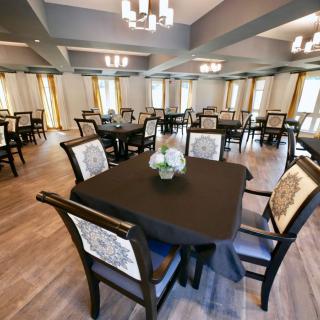
  • Dining room Dining roomDining rooms are important for seniors as they provide a space for socialization, connection, and nutritious meals. They offer opportunities for residents to bond over shared meals, foster a sense of community, and promote healthy eating habits. Dining rooms also ensure that seniors have access to well-balanced meals tailored to their dietary needs and preferences.
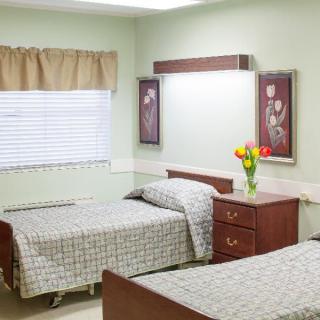
  • Fully furnished Fully furnishedFully furnished senior living communities are important for seniors because they provide convenience, comfort, and a hassle-free moving experience. Seniors can easily settle into their new living space without the stress of having to buy and move furniture. This allows them to focus on enjoying their new home and community.
  • Garden GardenGardens are important for seniors as they provide a peaceful and therapeutic environment for relaxation, physical activity, and socialization. Being in nature has been shown to reduce stress, improve mood, and promote overall well-being. Gardens also offer opportunities for seniors to engage in gardening activities, which can improve mobility, flexibility, and cognitive function. Additionally, gardens create a sense of community and connection with others who share a passion for plants and outdoor spaces.
  • Housekeeping services Housekeeping servicesHousekeeping services are important for seniors because they help maintain a clean and safe living environment, promote independence, and reduce the risk of accidents or illnesses. Additionally, having assistance with household chores can alleviate physical strain and allow seniors to focus on other aspects of their well-being.
  • Kitchenette KitchenetteKitchenettes are important for seniors living in senior living communities because they provide the convenience and independence of being able to prepare simple meals and snacks in the comfort of their own living space. This can help promote a sense of autonomy and well-being for seniors, allowing them to maintain some level of control over their dietary choices and daily routines.
  • Move-in coordination Move-in coordinationMove-in coordination is important for seniors because it helps ease the transition into their new living environment. It ensures that all logistics, such as packing, organizing movers, and setting up utilities are taken care of, allowing seniors to focus on settling in and adjusting to their new home. Having a smooth move-in process can alleviate stress and anxiety, making the transition smoother and more enjoyable for seniors.
  • Outdoor space Outdoor spaceOutdoor spaces are important for seniors as they provide opportunities for physical activity, social interaction, exposure to natural light and fresh air, and a sense of connection to nature. Having access to outdoor spaces can improve overall well-being and quality of life for older adults living in senior communities.
  • Restaurant-style dining Restaurant-style diningRestaurant-style dining is important for seniors because it allows them to enjoy delicious, nutritious meals in a social and upscale setting. This enhances their dining experience, promotes healthy eating habits, and fosters socialization with fellow residents, ultimately contributing to their overall well-being and quality of life.
  • Small library Small librarySmall libraries are important for seniors as they provide access to a variety of reading materials, including books, newspapers, and magazines. This can help stimulate their minds, keep them engaged, and provide a sense of community through book clubs and other social activities. Additionally, reading has been shown to improve cognitive function and overall mental well-being in older adults.
  • Telephone TelephoneTelephones are important for seniors as they provide a lifeline for communication with loved ones, emergency services, and healthcare providers. They offer a sense of security and independence, enabling seniors to stay connected and access assistance when needed.
  • Wi-Fi/high-speed internet available Wi-Fi/high-speed internet availableWi-Fi/high-speed internet is important for seniors to stay connected with loved ones, access online resources, and participate in virtual activities to combat feelings of loneliness and isolation. It also allows them to easily manage healthcare needs, access entertainment, and engage in lifelong learning opportunities.

Care Services

  • 24-hour call system 24-hour call system24-hour call systems are important for seniors because they provide peace of mind and immediate assistance in case of emergencies. This technology ensures that help is always available, promoting safety and security for elderly individuals living alone or in assisted living facilities.
  • 24-hour supervision 24-hour supervision24-hour supervision is important for seniors to ensure their safety, well-being, and access to immediate assistance in case of emergencies or health issues. This constant support provides peace of mind for both seniors and their loved ones, allowing them to age in place with dignity and security.
  • Activities of daily living assistance Activities of daily living assistanceActivities of daily living assistance are important for seniors because they provide essential support with tasks such as eating, bathing, dressing, and mobility. This assistance helps seniors maintain their independence, dignity, and overall quality of life as they age.
  • Assistance with bathing Assistance with bathingAssistance with bathing is crucial for seniors as it helps maintain personal hygiene, prevents infections, and ensures their overall well-being and comfort. It also provides a sense of dignity and independence for seniors who may struggle with this task on their own.
  • Assistance with dressing Assistance with dressingAssistance with dressing is important for seniors because it helps maintain their independence, promotes personal hygiene, prevents accidents and injuries, and improves overall quality of life. This service ensures that seniors can continue to dress comfortably and confidently, despite any physical limitations they may have.
  • Assistance with transfers Assistance with transfersAssistance with transfers is crucial for seniors as it helps prevent falls and injuries, maintains their independence, and ensures they can safely navigate their living environment. It also provides peace of mind for both seniors and their loved ones.
  • Diabetes diet Diabetes dietA diabetes diet is crucial for seniors as it helps manage blood sugar levels, reduce risks of complications, and improve overall health and well-being. By following a balanced and nutritious diet tailored to their specific needs, seniors can better control their diabetes and enhance their quality of life.
  • Meal preparation and service Meal preparation and serviceMeal preparation and service are crucial for seniors as they may have limited mobility or energy to cook nutritious meals. Having access to healthy and convenient food options can ensure they are getting the proper nutrition needed to maintain their overall health and well-being.
  • Medication management Medication managementMedication management is crucial for seniors to ensure they are taking the right medications at the correct dosages and times. This helps prevent adverse drug interactions, reduces the risk of medication errors, and promotes overall health and well-being. Proactive management also allows for adjustments as needed based on changing health conditions or new prescriptions.
  • Mental wellness program Mental wellness programMental wellness programs are essential for seniors as they promote cognitive stimulation, emotional support, and social engagement. These programs help prevent isolation, depression, and cognitive decline, ultimately enhancing the overall quality of life for older adults.
  • Special dietary restrictions Special dietary restrictionsSpecial dietary restrictions are important for seniors because age-related changes in metabolism and health conditions can make it difficult for their bodies to process certain foods. By following a diet tailored to their specific needs, seniors can maintain their overall health and well-being, manage chronic conditions, and reduce the risk of complications such as malnutrition or food interactions with medications.

Dining

  • Diabetes diet Diabetes dietA diabetes diet is crucial for seniors as it helps manage blood sugar levels, reduce risks of complications, and improve overall health and well-being. By following a balanced and nutritious diet tailored to their specific needs, seniors can better control their diabetes and enhance their quality of life.
  • Special dietary restrictions Special dietary restrictionsSpecial dietary restrictions are important for seniors because age-related changes in metabolism and health conditions can make it difficult for their bodies to process certain foods. By following a diet tailored to their specific needs, seniors can maintain their overall health and well-being, manage chronic conditions, and reduce the risk of complications such as malnutrition or food interactions with medications.

Activities

  • Community-sponsored activities Community-sponsored activitiesCommunity-sponsored activities are important for seniors as they provide opportunities for social interaction, mental stimulation, and physical activity. These activities can help improve overall well-being, combat loneliness and isolation, and promote a sense of belonging and purpose among older adults.
  • Resident-run activities Resident-run activitiesResident-run activities are important for seniors as they encourage social interaction, creativity, and a sense of autonomy. These activities empower seniors to stay engaged and active in their community while fostering meaningful connections with their peers.
  • Scheduled daily activities Scheduled daily activitiesScheduled daily activities are important for seniors because they provide structure, socialization, mental stimulation, and physical activity. Engaging in regular activities can improve overall well-being and quality of life for seniors living in a community setting.

Description

The Transitional Care Center Of Owensboro is an assisted living community located in Owensboro, KY. With a range of amenities and care services, residents can enjoy a comfortable and fulfilling lifestyle.

The community offers fully furnished apartments with amenities such as cable or satellite TV, Wi-Fi/high-speed internet, and a telephone. Each apartment also includes a kitchenette for residents who prefer to prepare their own meals. Housekeeping services ensure that the living spaces remain clean and tidy.

Residents can dine in the on-site restaurant-style dining room, where they can enjoy delicious meals prepared by the staff. The dining services accommodate special dietary restrictions, ensuring that everyone's needs are met.

A variety of activities are available for residents to engage in both within the community and nearby. Resident-run activities provide opportunities for socialization and connection within the community. Additionally, scheduled daily activities offer entertainment and enrichment for all residents.

For those who wish to venture outside of the community, there are numerous options nearby. Within close proximity are cafes, parks, pharmacies, physicians' offices, restaurants, transportation services, places of worship, theaters, and hospitals. Residents have convenient access to various amenities and services in the surrounding area.

Care services at the Transitional Care Center Of Owensboro include 24-hour supervision for added peace of mind. Trained staff members assist with activities of daily living such as bathing, dressing, and transfers. Medication management ensures that residents receive their required medications in a timely manner. Additionally, a mental wellness program supports residents' emotional well-being.

Overall, this assisted living community provides a supportive environment where residents can maintain their independence while receiving assistance with daily tasks as needed.

Nearby Places of Interest

Physicians

  • Owensboro Health Regional Hospital (0 miles)
  • Owensboro Health Medical Group - Cardiothoracic Surgery (0.1 miles)
  • Owensboro Health Medical Group-Orthopedics & Sports Medicine (0.3 miles)
  • Owensboro Health Pathology (0.4 miles)
  • Ohio Valley Nephrology Associates (1.5 miles)
  • Pediatric Dentistry-Owensboro (1.5 miles)
  • Dermatology Center of Owensboro (1.5 miles)

Restaurants

  • Subway (0 miles)
  • McDonald's (1.1 miles)
  • Chicken Salad Chick (1.2 miles)
  • McAlister's Deli (1.5 miles)
  • Burger King (1.5 miles)
  • Wendy's (1.6 miles)
  • Culver's (1.6 miles)

Hospitals

  • Owensboro Health Medical Group - Cardiology (0.1 miles)
  • Lakhotia, Arpita Norton Childrens Outpatient Center Owensboro (2.1 miles)
  • Owensboro Surgery Center (2.1 miles)
  • Breckenridge Diagnostic Center (2.1 miles)
  • RVBH (3.1 miles)
  • Riverbend Physical Medicine and Rehabilitation (3.7 miles)

Pharmacies

  • Owensboro Health Outpatient Pharmacy (0.4 miles)
  • Kroger Pharmacy (1 miles)
  • Danhauer Drug Store (2.8 miles)
  • CVS Pharmacy (2.8 miles)
  • Lincoln Pharmacy (3.1 miles)
  • Walgreens (3.2 miles)
  • Emory Centre Pharmacy (3.5 miles)

Cafes

  • Starbucks (1.6 miles)
  • 18th Street Diner (2.2 miles)
  • Gramps Coffee & Donuts (2.7 miles)
  • Starbucks (3.2 miles)

Theaters

  • Malco Owensboro Cinema Grill & MXT (1.8 miles)

Places of Worship

  • Life Community Church (2.1 miles)
  • Blessed Mother Catholic Church (2.8 miles)
  • Diocese of Owensboro (2.9 miles)
  • St Stephen Cathedral (2.9 miles)
  • Bridgepointe Church (3.4 miles)
  • GracePointe Church (3.9 miles)
  • Southern Baptist (4 miles)

Parks

  • Yellow Creek Park (2.5 miles)
  • Smothers Park (2.7 miles)

Transportation

  • Yellow Cab (2.5 miles)
  • U-Haul Neighborhood Dealer (2.5 miles)

Frequently Asked Questions

Where is The Transitional Care Center Of Owensboro?

Nearby Communities

  • Calumet Trace Senior Living

    Calumet Trace Senior Living

    Owensboro, KY

    4.6 from 20 reviews
     

    pro Comprehensive care options (independent, assisted, memory care) with 24/7 supervision and transportation.

  • Friendship House

    Friendship House

    Owensboro, KY


    pro Excellent access to nearby amenities and health services.

  • Maple Brook Village

    Maple Brook Village

    Owensboro, KY


    pro Vibrant assisted living with on-site activities and nearby dining, healthcare, and places of worship.

  • Owensboro Center

    Owensboro Center

    Owensboro, KY

    4.7 from 37 reviews
    $3,224 / month

    pro Caring staff in a clean, homelike environment with solid rehabilitation support.

  • Chautauqua Health and Rehabilitation

    Chautauqua Health and Rehabilitation

    Owensboro, KY

    4.5 from 60 reviews
    $3,968 / month

    pro Small, intimate community with 24/7 supervision and comprehensive care.

  • Cedarhurst of Owensboro

    Cedarhurst of Owensboro

    Owensboro, KY

    4.8 from 111 reviews
    $4,050 to $5,050 / month

    pro Attractive, resort-like setting with well-appointed amenities and comfortable apartments.

  • Heritage Woods Of Newburgh

    Heritage Woods Of Newburgh

    Newburgh, IN

    4.7 from 80 reviews
     

    pro Small, close-knit community with on-site amenities and comprehensive assisted living support.

  • Celebration Villa of Newburgh

    Celebration Villa of Newburgh

    Newburgh, IN

    4.4 from 76 reviews
    $2,695 to $6,095 / month

    pro Welcoming staff, clean environment, and engaging activities.

  • Dogwood Estates

    Dogwood Estates

    Beaver Dam, KY

    5 from 7 reviews
     

    pro Small, intimate assisted living with 24/7 care and a variety of on-site activities.

Skilled Nursing Facility in Nearby Cities

Related Resources

  • does medicare cover hospiceComprehensive Guide to Medicare Coverage for Hospice Care

    Hospice care focuses on providing comfort and support for individuals nearing the end of life, with Medicare Part A covering services like nursing care and counseling for patients with a terminal illness and a life expectancy of six months or less. While most hospice services are low-cost for eligible patients, families should be aware that certain expenses, such as room and board, may not be covered.

  • caregiver burnoutCaring for Those Who Care: Recognizing, Understanding, and Overcoming Caregiver Burnout

    Caregiver burnout is a common issue resulting from the intense physical, emotional, and mental demands of caregiving, leading to symptoms like fatigue and social withdrawal. To prevent burnout, caregivers should recognize early warning signs and implement self-care strategies, seek support, and prioritize their own well-being alongside that of those they care for.

  • caregiver burnoutCaregiver Exhaustion: Recognizing the Signs and Restoring Your Well-Being

    Caregiver exhaustion, or burnout, stems from the relentless demands of caregiving, leading to emotional and physical depletion characterized by stress, frustration, and neglect of personal needs. Addressing this burden is essential to prevent long-term consequences, with early recognition and support being crucial for caregivers to maintain balance and implement self-care.