

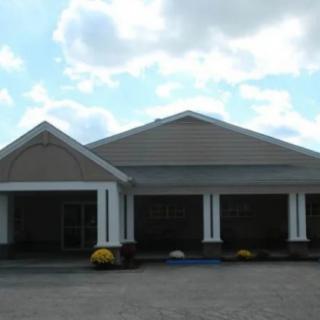
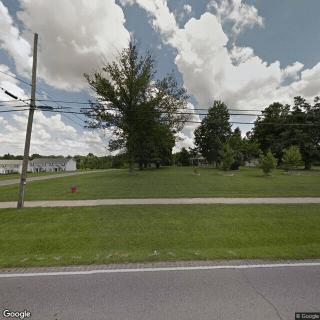
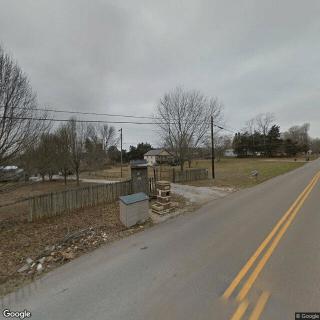
505 E Lake Dr, Leitchfield, KY 42754
To contact a resident: (270) 259-3676
For more information about senior living options: (866) 208-4318
Overall Review of Grayson Manor Nursing Facility
Pros
 The staff are caring and great.
- The staff are awesome, very attentive, friendly, and professional.
- The facility is a great place for long-term or short-term care, with a therapy team that helps residents return home.
- All rooms are private.
- There is a personal care unit for residents who can care for themselves but need a little extra help.
- The facility is very nice, with friendly staff who are helpful in answering questions.
- The facility offers long-term and short-term rehab.
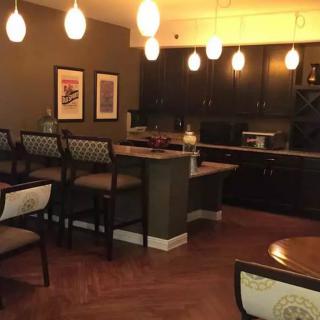
- The facility makes visiting pleasant for residents and their families.
Cons
 The place is described as a dump.
- The review notes that the grandma can hardly walk now.
- Staff allegedly don’t want residents to get up, keeping them in beds or chairs and wheelchairs.
- This confinement weakens residents from the waist down.
- The staff are criticized for not spending enough time helping residents walk and providing mental challenges.
Review
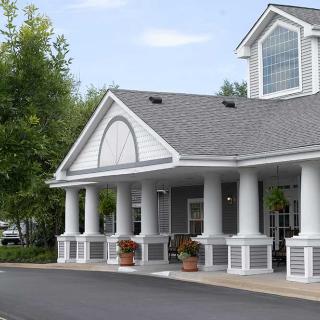
Grayson Manor Nursing Facility in Leitchfield, KY is best suited for older adults who require skilled nursing care with a clear path to rehabilitation and reintegration. It is ideal for seniors who value privacy, as every skilled resident has a private room, and for families seeking a facility that can support both long-term custodial care and short-term rehabilitation. A robust therapy team is central to its value proposition, with services aimed at restoring function and returning residents to independent living when possible. The presence of a personal care unit expands options for those who can manage with a little help yet still crave a sense of autonomy and belonging. In short, Grayson Manor trades a hospital-like feel for a homey, therapy-forward approach that prioritizes recovery and continuity of care.
That said, not every experience aligns, and certain red flags appear in a portion of reviews. A minority describe the property as a dump, signaling concerns about upkeep or atmosphere that could affect daily comfort. Mobility and engagement also surface as ongoing questions: some families report their loved ones aren’t being encouraged to walk or stay mentally challenged, which can stall progress and erode confidence in rehabilitation goals. For residents with complex dementia care needs or heavy medical oversight requirements, Grayson Manor may not be the most specialized option, and families may wish to compare facilities with deeper clinical footprints or more intensive programming.
From a strengths perspective, the facility’s strongest draw is the combination of all-private rooms and a long-term/short-term rehab track that supports continuing care without disruption. The staff receives frequent praise for being caring, attentive, and approachable, and the therapy team is highlighted for practical, results-oriented work aimed at getting residents back home or into the next stage of independence. Positive daily life elements, good food, pleasant activities, and a visiting-friendly environment, help make the experience more livable. Even when concerns surface, anecdotes about staff going the extra mile, such as feeding a resident a treat or patiently assisting with a recovery exercise, underscore a culture of compassion that matters when trust is essential.
Another notable strength is the facility’s structure for different care needs. Long-term residents benefit from consistent private rooms, while those needing rehab can access targeted therapy with the aim of functional improvement. The personal care unit offers flexibility for individuals who require ongoing assistance but prefer to maintain as much self-care as possible. Cleanliness and upkeep tend to be cited positively by many families, reinforcing the impression of a maintained environment. The combination of approachable staff, visible therapy effort, and clear pathways for transition creates a practical, outcomes-oriented framework for decision-making.
However, the cons cannot be ignored, and they directly shape risk assessment. The most decisive question for families is whether independence gains are likely to occur at the pace needed; if staff interaction diminishes or mobility coaching is inconsistent, recovery momentum can stall. Budgeting concerns also arise when weighing the private-room premium against other facilities in the region that may offer similar rehab quality with different pricing or campus culture. The best approach is a careful audit: request a tour during a rehab session, meet with the therapy director, observe a mobility or therapy session, and check the latest survey or inspection notes to verify whether the positive trajectory described by many families holds in practice.
In sum, Grayson Manor presents a practical, recovery-focused option for seniors who prize private rooms, accessible therapy, and a warm staff presence. It is well suited for families seeking a balanced mix of long-term care and rehabilitative potential, with clear avenues for returning home or gaining independence. Those who require ultra-high-end cleanliness standards, or whose priority is aggressive, daily mobility programming across all shifts, should consider alternatives and conduct side-by-side visits. The path to a sound decision lies in direct engagement: tour the facility, speak to current residents or families, and evaluate how the therapy plan matches the recovery goals. When aligned, Grayson Manor offers credible value in a market where choices abound.
 Skilled Nursing Facility


 Comprehensive Insights into Palliative Home Care: What It Is and What to Expect
 Skilled Nursing Facilities vs. Nursing Homes: Making Sense of the Differences
 A Detailed Examination of Nursing Home Costs Across the U.S.