
210 South Vermont Street, Ransom, KS 67572
For more information about senior living options: (866) 208-4318
Overall Review of Grisell Memorial Hospital LTCU
Pros
 The hospital and lab are wonderful.
- The people are wonderful.
- The staff treat patients well.
- The hospital and nursing home are great.
Review
Grisell Memorial Hospital LTCU in Ransom, Kansas is best suited for seniors who need steady medical oversight within a hospital-linked setting, where skilled nursing, post-acute recovery, and long-term care are coordinated with direct access to hospital resources. This community works exceptionally well for residents who rely on a dependable medical rhythm: regular clinician input, integrated lab work, and a care plan that stays tightly aligned with a hospital framework. For families prioritizing safety, predictability, and clear medical direction, this setting offers a sanctuary of clinical reliability without sacrificing warmth and human touch.
Those who should at least consider alternatives include families seeking robust social programming, a broader array of amenities, or a more independent lifestyle with occasional assistance. If the goal is a campus with extensive daily activities, varied dining experiences, and a wide choice of enrichment options, a larger, non-hospital-based assisted living community may deliver more of that vibrancy. If the focus is specialized dementia care or a setting devoted exclusively to memory support, other dedicated facilities could better align with those needs. In short, when medical coordination and immediate clinical access are the top criteria, Grisell Memorial shines; when social depth and expansive lifestyle amenities drive the decision, look elsewhere.
The strongest upside centers on medical readiness and continuity of care. The combination of hospital-level nursing and on-site labs translates into quick lab results, timely medication management, and rapid physician input as health needs change. The reviews consistently point to a respectful, compassionate staff that treats residents well, a factor that directly reduces anxiety for families and fosters a sense of security for residents. This is not a place where medical decision-making feels fragmented; it is a setting where the care team operates with the authority and clarity that comes from being tied to a full-service hospital.
Care delivery in this LTCU also benefits from the human qualities of the staff. The positive tone in the reviews, describing wonderful people who provide thoughtful, attentive care, matters as much as clinical capability. For families navigating the stress of ongoing health management, bedside manner, responsiveness, and a steady cadence of routines matter as much as the procedures performed. In a smaller, rural context, this translates into more predictable interactions, better caregiver continuity, and a feeling that the care team really knows the resident’s history, preferences, and triggers.
On the downside, the main concerns families should anticipate center on the trade-offs inherent to a hospital-affiliated long-term unit. Activity variety and lifestyle programming may be more limited than in larger stand-alone assisted living communities, and the setting may feel clinically oriented rather than resort-like. For residents who weigh sociability and a bustling daily calendar as heavily as medical oversight, these factors can feel like gaps. However, the strong clinical backbone can mitigate those downsides by enabling quicker responses to health shifts, smoother transitions back from rehab, and tighter discharge planning, which reduces the risk of recurrent hospital transfers.
Ultimately, Grisell Memorial Hospital LTCU offers a practical, proven choice for families prioritizing medical stability and compassionate, professional care in a community that feels intimate rather than impersonal. It stands out for residents who benefit from integrated hospital and nursing home services, and for families who want the reassurance that a physician-led, lab-enabled care model provides. Alternatives should be pursued when the priority is social abundance, diverse amenities, or specialized non-medical programming. For planning next steps, focus conversations on care plans, the scope of rehabilitation services, staff-to-resident ratios, and how discharge and transition scenarios are managed, ensuring alignment with medical goals and the resident’s overall quality of life.
 30 resident community capacity
 Skilled Nursing Facility
 Beauty salon
 Cable or satellite TV
 Dining room
 Fully furnished
 Garden
 Housekeeping services
 Kitchenette
 Move-in coordination
 Outdoor space
 Restaurant-style dining
 Small library
 Telephone
 Wi-Fi/high-speed internet available
 24-hour call system
 Activities of daily living assistance
 Assistance with bathing
 Assistance with dressing
 Assistance with transfers
 Diabetes diet
 Medication management
 Mental wellness program
 Special dietary restrictions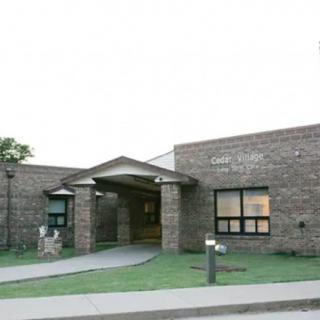


 In-Depth Look at the VA Aid and Attendance Program
 Nurturing Our Loved Ones: A Daughter's Journey in Caring for Her Mother
 Nurturing Our Elders: Linda's Journey of Supporting Her Mother