
108 East Ash Street, Oberlin, KS 67749
For more information about senior living options: (866) 208-4318
Overall Review of Good Samaritan Society - Decatur County
Pros
 can’t create positive statements about the named individual from this negative review. Here are constructive, third-person statements that focus on service improvement:
- The review emphasizes the value of courteous and respectful communication in customer service.
- There is an opportunity for staff to improve listening and response skills during interactions.
- The business could benefit from training to ensure professional phone etiquette.
- A commitment to handling concerns with patience can help preserve customer trust.
- Improving communication could enhance overall customer satisfaction at Good Samaritan in Oberlin, KS.
Cons
 Tami Klinedinst is rude and disrespectful.
- She has extremely bad phone etiquette.
- She speaks over others and makes rude comments.
- She answers questions by accusing others of being rude and talking over her instead of listening.
- She needs serious training on how to deal with not just customers but people in general when problems arise.
- The reviewer would never return to Good Samaritan in Oberlin, KS, or recommend it as long as she is there.
- This person ruined the reviewer’s recommendation.
Review
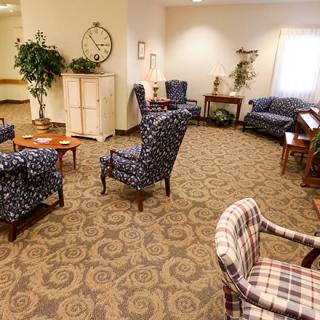
Good Samaritan Society - Decatur County in Oberlin, Kansas is best suited for seniors who want an affordable, straightforward assisted-living option in a small-town setting and can tolerate variable service levels with diligent family or caregiver oversight. The community emphasizes practicality over polish, delivering the basics in a compact environment where neighbors know one another and routines remain predictable. Prospective residents in this category tend to prefer a modest pace, value cost-conscious care, and do not require intensive, highly coordinated support. It is not the match for someone demanding constant responsiveness or highly personalized attention.
Those who rely on consistently kind, proactive communication from staff should consider alternatives. The four-review snapshot is clearly mixed, with two strongly negative notes alongside a couple of more neutral to favorable impressions. The most pointed criticisms center on frontline interactions, suggesting that a resident or family member may need to stay vigilant about how concerns are handled and how updates are conveyed. For families prioritizing reliable, courteous communication and swift problem resolution, this location may prove disappointing. In short, when client-facing service quality is non-negotiable, it is prudent to look elsewhere first.
On balance, the potential advantages lie in the setting’s simplicity and the likelihood of lower costs within a regional brand framework. A small-town operation can offer closer accessibility to staff, a calmer daily rhythm, and opportunities for neighbors to participate in daily life. If the care plan remains modest, assistance with daily activities rather than intensive clinical coordination, the operational model can feel straightforward and manageable. Yet these advantages can be undercut the moment frontline staff fail to communicate respectfully or listen to concerns. A single tense interaction can cast doubt on the overall experience, making trusted ongoing updates and collaborative problem-solving essential for long-term satisfaction.
Specific feedback highlights a troubling pattern: one reviewer described an individual staff member as rude, disrespectful, and inattentive to proper phone etiquette, even alleging that the caller was dismissed when questions were raised. While this is a lone voice among four, the intensity of that claim matters in a setting depend on clear, courteous communication. The other ratings imply some residents find value in the environment, but the lack of detailed information about day-to-day care leaves a crucial gap. The takeaway is not that care is uniformly poor, but that customer-service quality is a critical determinant of satisfaction and a deciding factor for families weighing risk against cost and convenience.
Families should approach visits with a concrete, checklist-driven mindset. Observe how staff greet residents and callers, test whether questions are answered with patience, and note how concerns are documented and escalated. Request conversations with the administrator to understand staff training, accountability measures, and the mechanism for addressing complaints. Verify what level of assistance is included in the base rate and what constitutes extra charges for medications, meals, or activities, ensuring alignment with the resident’s needs. If possible, arrange a short-term stay to assess whether the daily cadence, meals, and social options meet expectations, and develop a readiness plan for changing conditions that could require more intensive support later.
In sum, this community serves as a practical option for cost-conscious seniors who can thrive on a simple routine and a modest sense of community in Oberlin. The caveat is the variability in frontline service; if warmth, respectful communication, and consistent responsiveness are essential, alternatives with stronger client-relations records deserve serious consideration. For families willing to supervise and advocate, and for residents who can navigate a lean staffing environment, this location can deliver essential care without the frills. The decisive move is to test the environment directly, scrutinize staff interactions, and insist on transparent accountability before committing to a long-term arrangement.
 45 resident community capacity
 Skilled Nursing Facility
 Beauty salon
 Cable or satellite TV
 Dining room
 Fully furnished
 Garden
 Housekeeping services
 Kitchenette
 Move-in coordination
 Outdoor space
 Restaurant-style dining
 Small library
 Telephone
 Wi-Fi/high-speed internet available
 24-hour call system
 Activities of daily living assistance
 Assistance with bathing
 Assistance with dressing
 Assistance with transfers
 Diabetes diet
 Medication management
 Mental wellness program
 Special dietary restrictions



 Understanding Home Health Care: A Comprehensive Guide
 Home Health Care Demystified: A Comprehensive Guide for Families and Caregivers
 Seniors and Modern Transportation: Exploring Uber, Lyft, and Other Ride-Hailing Options