
510 North Walnut Street, Frankfort, KS 66427
For more information about senior living options: (866) 208-4318
Overall Review of Frankfort Community Care Home
Pros
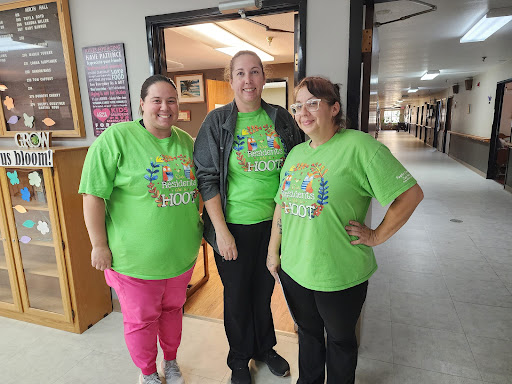
 The staff are friendly.
- The facility is clean and peaceful.
- The resident received fantastic care.
- Haley and her staff provided kind and caring care.
- The staff treat each resident like family.
- The nursing department is strong and the company builds a great retirement community.
- The staff are very nice, and visitors can bring dogs to visit.
- The facility is located in a small, friendly town.
Cons
 The front desk staffer is extremely rude.
- The facility is horrible, and the nursing staff do not cater to residents.
- The facility is a dump and looks like a place people go to die.
- The rooms are small, with the TV stand next to the bathroom door, creating a hazard for walkers.
- The facility provides no physical or occupational therapy.
- The DON is very unprofessional.
Review
Frankfort Community Care Home is best suited for families seeking a small-town, homelike setting where residents are treated with genuine warmth, and daily life centers on steady routines, quiet comfort, and dependable staff. The community clearly appeals to seniors who value personal attention, a sense that caregivers treat residents as part of a local extended family, and a calm, secure environment over flashier amenities. It works particularly well for individuals who don’t require high-intensity rehab services or expansive programming, but instead prioritize consistent companionship, meaningful social contact in a close-knit setting, and straightforward day-to-day care.
Those who may want to consider alternatives are the families evaluating strong clinical oversight, robust rehabilitation options, or larger-scale facilities. Several reviews touch on deficits in professional conduct and governance, including concerns about how resident rights are protected and how therapy or specialized care is delivered. For residents who need aggressive or highly structured nursing, physical or occupational therapy, or a care plan that is tightly coordinated with guardianship and legal oversight, other communities with more extensive clinical teams and clearer governance may be a better fit.
On the positive side, the strongest asset here is a caregiver culture that many families find deeply reassuring. Reviews repeatedly highlight friendly, attentive staff, a clean facility, and a peaceful atmosphere where residents can feel at home rather than overwhelmed by noise or bustle. In several visits, care recipients are described as looking well-cared-for, with staff who make genuine efforts to connect and comfort. The community’s small-town charm, security, a sense of belonging, and regular, approachable staff, contributes to a vibe where residents can thrive socially and emotionally. The facility also earns praise for flexible, heart-warming touches, such as allowing family dog visits and fostering a family-like dynamic in dining and daily activities.
However, substantial concerns appear in several accounts. A few reviewers describe rude interactions at the front desk and inconsistent professionalism among some staff, which can undermine the overall sense of safety and comfort. The most troubling notes involve serious questions about nursing care quality and resident rights, including a claim that guardianship arrangements are impinging on a resident’s autonomy and rights. Additional practical drawbacks include relatively small rooms, modest entertainment options like limited televisions, and hints that physical or occupational therapy services may not be readily available or prioritized. Together, these issues can create a tension between a homey atmosphere and the level of clinical responsiveness some families expect.
Despite these red flags, the community’s pros can offset many concerns for the right resident, particularly those who value a warm, family-style environment over clinical breadth. When staff are operating at their best, families see tangible benefits in daily care, personal attention, and a sense that staff are invested in residents beyond routine tasks. The peaceful setting and security make it easier for residents to maintain steady routines, enjoy social interaction, and feel safe. For families, the question becomes whether the emotional and social advantages, paired with the facility’s clean, welcoming environment, outweigh gaps in therapy availability, room size, and governance clarity. In short, the balance tilts toward suitability for those who prioritize heart over high-tech rehab.
For families weighing options, the prudent approach is to visit with a focused checklist. Observe how staff interact with residents across hours and days, and note whether the tone remains warm and respectful even during busy periods. Inquire specifically about the scope of nursing and therapy services, how care plans are developed and updated, and what safeguards protect resident rights in guardianship contexts. Inspect resident rooms for comfort and safety, ask about room dimensions, and verify whether pets and families can participate in care routines as desired. If these needs align with the resident’s priorities, Frankfort Community Care Home stands out as a compassionate, community-centered choice. If not, a facility with stronger clinical depth and governance clarity should be pursued.
 40 resident community capacity
 Skilled Nursing Facility
 Beauty salon
 Cable or satellite TV
 Dining room
 Fully furnished
 Garden
 Housekeeping services
 Kitchenette
 Move-in coordination
 Outdoor space
 Restaurant-style dining
 Small library
 Telephone
 Wi-Fi/high-speed internet available
 24-hour call system
 Activities of daily living assistance
 Assistance with bathing
 Assistance with dressing
 Assistance with transfers
 Diabetes diet
 Medication management
 Mental wellness program
 Special dietary restrictions

 6 Crucial Ways an Elder Law Attorney Assists Families
 Navigating the Tax Landscape of Caregiving: Credits, Deductions, and Beyond
 Highly Beneficial Low-Impact Exercises for Senior Living Residents