


501 West Beeson Road, Dodge City, KS 67801
For more information about senior living options: (866) 208-4318
Overall Review of Sunporch Of Dodge City
Pros
 The aides are really good.
- They helped her mother in many ways.
- They even took her on walks in her wheelchair around the campus.
- The staff work hard.
- They provide the best care.
- The staff are gracious and very caring.
- The activity program is top notch.
- SunPorch is the place to go.
Cons
 The administration is awful.
- The staff do not prepare residents' breakfasts as chosen; they simply serve what they want to give.
- There was a day when a resident did not receive any breakfast at all.
- Amy claimed that ensuring breakfast is not her job.
- There is zero care for residents.
- There is a persistent lack of communication about residents' well-being, prompting welfare checks.
- The reviewer would prefer their loved one to be in a safer place.
Review
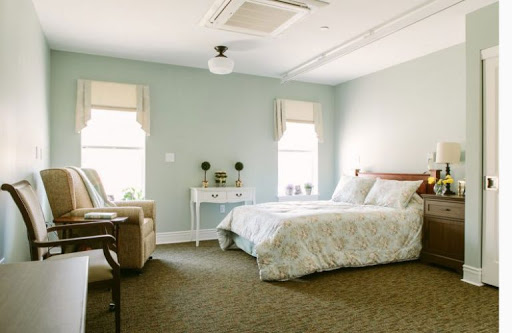
Sunporch Of Dodge City is best suited for families that prize hands-on, compassionate direct care from aides and sustained daily engagement for a resident who benefits from active assistance and practical support. The floor staff are the core strength here: aides consistently deliver attentive help, assist with mobility, and even accompany residents on walks around the campus. When care is needed, these caregivers show up, respond, and invest personal time in improving daily life. The facility’s older building is counterbalanced by a clean, well-maintained interior and a robust activity program that keeps residents engaged. For families who want visible, practical caregiving on a day-to-day basis and value staff willing to go the extra mile, Sunporch often meets that need.
That said, a clear line should be drawn for those whose decision hinges on administrative reliability and seamless communication. The community is at its best when the on-site aides are supported by responsive, accountable leadership; when that support falters, families feel the impact quickly. Several reviews recount unsettling lapses in administrative follow-through, missed meals, a breakfast plan that is not honored, and staff unable to provide timely information or even answer calls. In one distressing instance, a resident’s breakfast was skipped and, when challenged, a manager brushed off the concern as not being “my job.” In another, a resident went an entire day without a reachable update, prompting a welfare check. These episodes signal potential systemic gaps that can magnify risk for a resident who relies on consistent oversight.
Pros outside the immediate caregiving floor do matter, and they do offset some of the core drawbacks when weighed carefully. Families praising the aides cite real impact: smoother routines, more mobility, better mood, and even medical advocacy that promptly escalates concerns, examples include staff fighting for second opinions that address seizures and overall safety. The programmatic strength, top-tier activity scheduling, a clean campus, and staff who genuinely care about quality of life, adds texture to daily life that can keep a resident happier, more engaged, and safer through skilled interactions with caregivers. When the goal is to preserve functional ability and a sense of normalcy, these constants can materially improve what life looks like for someone who requires ongoing assistance.
Despite the evident benefits of frontline care, the most serious concerns center on administration and governance. The negative reports are not academic; they describe real experiences, unanswered calls, uncertain who is making important outreach, and a perception that resident safety hinges on being vigilant with staff and family caretakers. The “0 care for residents” sentiment captures a fear that, without strong administrative accountability, the person in the chair or the bed becomes merely a function of the day’s staffing. While some residents and families report that care is strong and that staff will go to great lengths to ensure safety and comfort, the inconsistent communications and sporadic responsiveness undermine trust and continuity of care. In a setting where medical emergencies or changes in condition require rapid coordination, these administrative gaps can offset many otherwise solid caregiving advantages.
In balancing the pros and cons, Sunporch offers a dependable option for families who can routinely participate in oversight and who can tolerate some administrative friction in exchange for strong, human-centered caregiving on the floor. The direct care team’s dedication can deliver meaningful gains in daily functioning, safety, and quality of life, and the facility’s cleanliness and activity offerings contribute to a dignified, engaging environment. However, for families whose peace of mind hinges on consistent, transparent communication, or who cannot be on site frequently to monitor operations, these governance vulnerabilities may loom large. The quality of life for a resident will hinge on how well front-line staff are supported by administration and how faithfully meal plans and daily routines are executed.
For families considering Sunporch, the practical path is concrete and focused. Before choosing, arrange an in-person tour with attention to how administrative communication is handled: who is the point person, how updates are delivered, and what the escalation process looks like. Request a clear, written care plan that includes mealtime routines, emergency protocols, and a communication schedule with families. Ask to meet front-line supervisors and to observe the activity program in action, noting how residents respond to planned activities and social engagement. Probe specifically about breakfast service, meal substitutions, and any recent changes in dietary plans to ensure expectations align with daily practice. If robust governance, reliable daily communication, and a steady, proactive approach to safety are non-negotiable, it may be prudent to explore alternatives.
Ultimately, Sunporch is a serviceable choice for discerning families who can balance hands-on, compassionate care with a willingness to supervise administrative aspects of placement. The aides’ commitment and the facility’s clean, engaging environment can produce genuine improvement in a resident’s well-being, sometimes even enabling return-to-home progression under strong medical oversight. Yet the caution remains: administration and communication quality matter as much as the care given on the floor. If those governance elements feel uncertain or misaligned with family expectations, alternatives with more consistent oversight may offer greater long-term confidence. In the right circumstances, Sunporch delivers value; in others, it warrants a careful read of the risks and a backup plan.
 45 resident community capacity
 Skilled Nursing Facility
 Beauty salon
 Cable or satellite TV
 Dining room
 Fully furnished
 Garden
 Housekeeping services
 Kitchenette
 Move-in coordination
 Outdoor space
 Restaurant-style dining
 Small library
 Telephone
 Wi-Fi/high-speed internet available
 24-hour call system
 Activities of daily living assistance
 Assistance with bathing
 Assistance with dressing
 Assistance with transfers
 Diabetes diet
 Medication management
 Mental wellness program
 Special dietary restrictions





 8 Essential Assistive Devices for Older Adults
 Navigating the Financial Road to Nursing Home Care: In-Depth Guidance and Resources
 Supportive Employee Benefits That Help Caregivers Attain Better Work-Life Harmony