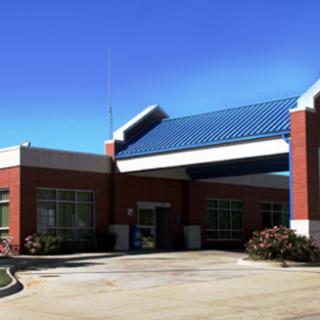

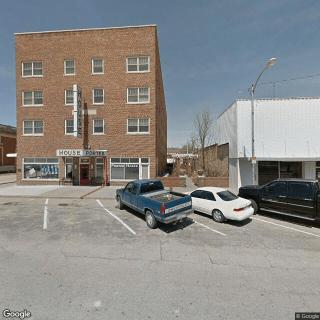
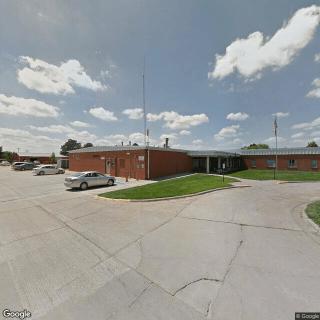
400 West 8Th Street, Beloit, KS 67420
For more information about senior living options: (866) 208-4318
Overall Review of Mitchell County Hospital Health Systems - Long Term Care Unit
Pros
 The doctors, nurses, CNAs, and support staff are described as competent, thorough, compassionate, and gentle.
- Patients can have great peace of mind and confidence that they’ll be well cared for during surgery.
- The nursing staff is extraordinary and very kind.
- It is a great small-town hospital with competent physicians and excellent nursing staff.
- The facility provides high quality care from nurses, doctors, therapists, lab/radiology, ER, and clerical staff.
- Dr. Crumbaker’s VBAC care contributed to the reviewer’s best birth experience, and the reviewer would recommend her and the facility for natural birth.
- The facility and staff are professional and efficient during critical moments, including life flights.
- The staff are nice and provide fast services.
Cons
 The emergency department wait time was nearly five hours and described as a horrible experience.
- The reviewer called the hospital sad and pathetic and would rather seek care elsewhere, even risking death at another facility.
- Service was extremely slow, with a two-hour wait and tasks that weren’t what they came in for.
- The on-call doctor was rude and short, not spending much time with the patient.
- The DON was described as unprofessional and unhelpful, with a sarcastic attitude.
- For serious conditions, care is usually transferred to Salina or Wichita, implying limited local capability.
- An LPN was accused of violating HIPAA by taking and sharing patient photos.
- A reviewer warned to avoid Beloit’s hospital due to how bad it is.
Review
This community is best suited for families seeking a hospital-adjacent long‑term care option in Beloit, Kansas, where medical professionals known for competence and compassionate bedside manner provide continuity of care. It serves a practical niche: residents who may need post-acute support, surgical recovery, or ongoing medical oversight within a rural, small-town setting and who want access to a regional hospital network without leaving town. It is not the right fit for those who prioritize perfectly predictable administrative service, consistently rapid emergency access, or an ultra-staffed environment focused on daily customer experience.
There are clear alternatives to consider. Families prioritizing seamless ER responsiveness, consistently professional administrative interactions, or privacy-first care may want to look at larger urban systems or facilities with a stronger emphasis on long‑term care workflows and governance. The Beloit ER and some hospital leadership interactions have produced mixed impressions, including frustrations with wait times and reported unprofessional communication from a few hospital staff. For residents with complex daily care needs or heightened sensitivity to administrative tone, exploring options with stronger day‑to‑day operations in patient relations and privacy controls is prudent.
On the positive side, clinical fundamentals stand out. The medical staff, doctors, nurses, and support teams, are regularly praised for competence, thoroughness, and genuine kindness. In situations where post‑operative recovery or ongoing medical management is needed, families can rely on skilled professionals who communicate with care and deliver steady, capable care. The hospital’s ecological niche, small-town familiarity combined with hospital resources, means families often encounter warm, attentive treatment from bedside personnel who know the local community well. Several reviews highlight standout experiences in births and surgeries, underscoring a core strength in clinical execution when care is needed.
Yet major caveats temper these strengths. Administrative and interpersonal dynamics surface as persistent tensions. Reports of lengthy emergency room waits, occasional blunt or unhelpful on-call interactions, and concern about privacy practices cannot be dismissed. A cited HIPAA violation by a staff member raises a red flag about safeguards for patient information, while a DON’s reported unprofessional response points to concerns about leadership approach and responsiveness. These issues matter for long‑term residents whose daily comfort, trust in staff, and predictable communication are nonnegotiable. When such problems appear, they undermine the reliability families rely on in a long‑term setting, even if clinical care remains solid.
In weighing pros against cons, the clinical competence and compassionate care offer real value, especially for residents who may need episodic hospital-based support or who appreciate access to a trusted local health system. However, the recurrent administrative and interpersonal gaps do not simply offset the advantages. For families prioritizing a consistently smooth, privacy‑protective, and professionally managed daily experience, this community will feel uneven. The strongest reassurance comes from recognizing the hospital’s capacity to deliver high‑quality medical care when needed, balanced against the risk that routine operations and staff conduct may at times fall short of expectations for long‑term residence care.
Ultimately, a practical decision hinges on priorities. If proximity to a capable hospital team, solid clinical care, and a small‑town atmosphere align with the resident’s needs, this facility warrants careful consideration. Prospective families should schedule face‑to‑face conversations with the administration and the DON, review privacy and complaint-resolution policies in detail, and request to meet direct care staff who would support daily living. If assurances on administrative consistency, rapid response to concerns, and unwavering respect for patient privacy cannot be demonstrated convincingly, exploring alternatives with stronger long‑term care governance becomes the prudent course. The aim is clear: identify a setting where medical competence and compassionate care sit atop a reliable, well‑managed daily experience.
 40 resident community capacity
 Skilled Nursing Facility
 Beauty salon
 Cable or satellite TV
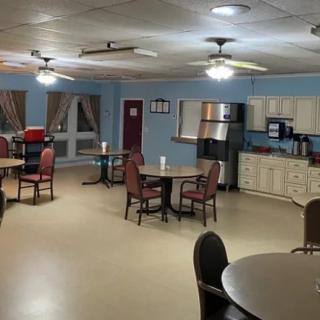
 Dining room
 Fully furnished
 Garden
 Housekeeping services
 Kitchenette
 Move-in coordination
 Outdoor space
 Restaurant-style dining
 Small library
 Telephone
 Wi-Fi/high-speed internet available
 24-hour call system
 Activities of daily living assistance
 Assistance with bathing
 Assistance with dressing
 Assistance with transfers
 Diabetes diet
 Medication management
 Mental wellness program
 Special dietary restrictions


 Exploring Nonmedical Home Care: Understanding Services, Costs, and Financial Approaches
 Engaging Brain Games and Innovative Apps to Keep Senior Minds Active
 Effective Strategies for Keeping Seniors' Minds Active: A Deep Dive into Brain Games and Apps