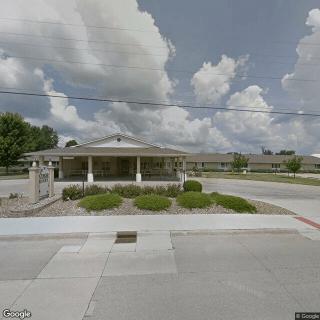
Henry County Health Center

Save

Henry County Health Center

401 South Van Buren, Mount Pleasant, IA 52641

For more information about senior living options: (844) 490-3973

2.6 from 48 reviews
5 stars
17
4 stars
1
3 stars
3
2 stars
2
1 stars
25

Skilled Nursing Facility

Overall Review of Henry County Health Center

Pros

  • pro The staff was very friendly and helpful.
  • pro The nurses and doctors were amazing.
  • pro The service was very personable, and the staff were dedicated to their patients.
  • pro There was a great doctor (Dr Situmeang) and great staff who made patients' health a priority.
  • pro Patients were treated quickly and professionally.
  • pro The ER doctor and nurse were great.
  • pro The staff provided clear directions and were welcoming.

Cons

  • pro The ER is described as a joke, with charges of $800 for a Tylenol and an antibiotic despite insurance.
  • pro The billing process is said to be misrepresented, and Ashley or Ashlyn are called out as rude and unhelpful.
  • pro The facility is portrayed as a money grab that intentionally puts patients in debt for standard care.
  • pro The hospital is alleged to rarely answer the phone, making communication nearly impossible.
  • pro Multiple reviewers urge avoiding Henry County Health Center locations due to perceived price gouging and debt-inducing practices.
  • pro Inpatients are described as sleep-deprived and treated poorly, with hospitalists who discourage patient input and suggest AMA discharge.
  • pro Lab costs are labeled exorbitant, with bills said to arrive months later.
  • pro Staff are characterized as incompetent or rude, and refilling medications or obtaining basic care is difficult.
  • pro They claim nurses or doctors performed unnecessary tests or dismissive behavior, such as instructing a grandmother to leave in the middle of the night.
  • pro RSV testing for a sick infant was reportedly refused despite exposure.

Review

There's a recurring tension in the experiences shared about Henry County Health Center locations: some people report surprisingly quick service, especially in urgent care, while others describe a pattern of frustration that drives them away for good. A common thread is the sense that the speed of service comes at a cost - whether that's unexpected charges, confusing billing practices, or inconsistent communication about what you'll actually owe. Several reviewers explicitly frame the place as "urgent care" in name only, noting that the billing and insurance aspects don't align with the quickness of the visit, and that those billing experiences can be a nightmare in their own right.

Billing and costs loom large in a sizable portion of the feedback. One person recounted an ER charge of $800 for simple items like Tylenol and an antibiotic, even with insurance, and claimed that the facility seems to profit from people who are vulnerable or in pain. Others complain about expensive labs and, shockingly, waiting up to four months to receive a bill. The billing process is described as opaque and inconsistent enough to prompt warnings to "ask how their billing works before you go," with some names - Ashley or Ashlyn - called out as rude or unsympathetic in the billing department. The impression is that the financial experience can eclipse the medical one, leaving patients feeling blindsided by statements and fees long after any treatment ended.

Emergency room and inpatient experiences dominate the most negative narratives. Reviewers paint the ER as a place where care can be rushed, impersonal, or even dismissive. There are accounts of patients being told not to come back unless it's an emergency or being treated for something serious without adequate testing (for example, not testing an RSV in a 9-month-old despite exposure and symptoms). There are also stories of brutal sleep disruption and a lack of empathy on inpatient floors - being awakened repeatedly for weigh-ins and basic routines, followed by terse or punitive remarks from hospitalists who appear to dismiss patient preferences. Some reviewers describe a culture where patients feel railroaded into accepting the care offered rather than collaborating on decisions about their health.

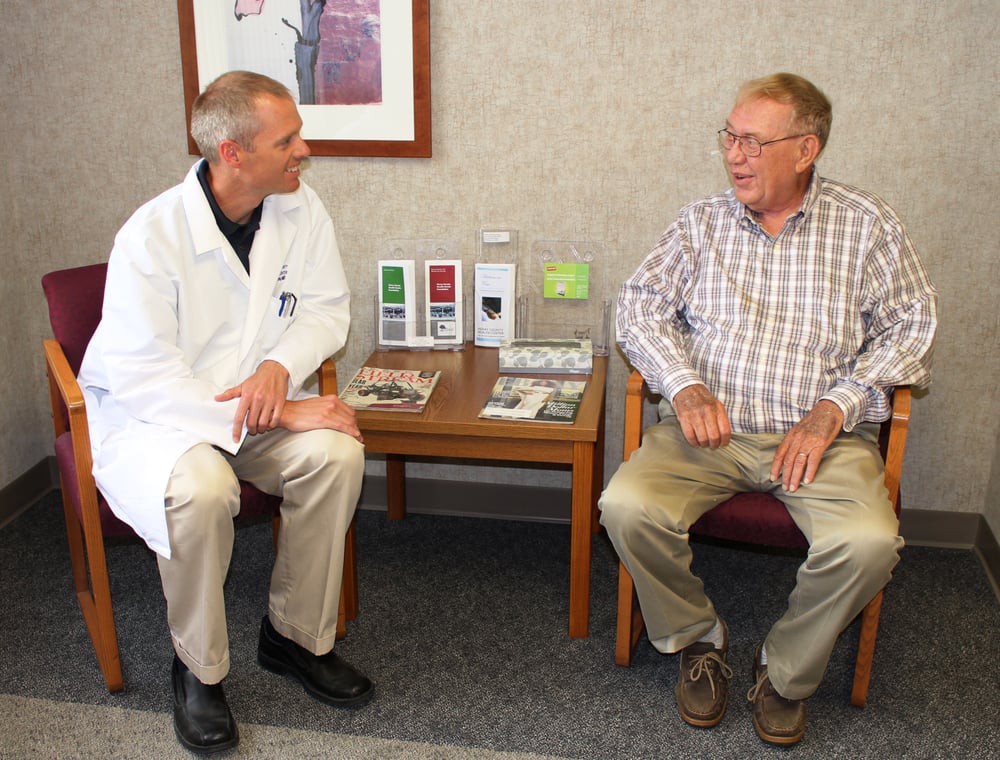
Despite the negative patterns, there are clearly positive pockets. Several reviews praise what they describe as friendly, helpful staff who guide patients through the facility, and medically capable providers who take time to explain care. One patient highlighted a specific physician, Dr. Situmeang, as giving genuinely attentive care, and others commend the nurses and doctors for their competence and bedside manner. There are also anecdotes of minor wins - housekeeping or reception staff doing their best to recover a forgotten item, or a situation where a caregiver's approach made a difficult moment a little easier. These positives show that the center isn't a monolith: individual providers and moments of good care exist alongside frequent complaints.

There are also deeply personal, sprawling narratives that go beyond routine hospital care. A long firsthand account describes a frightening emergency scene at home, EMS involvement, and a perceived pattern of mistreatment by EMS and hospital staff during a crisis. The writer vents about being poverty-stricken, feeling ignored or abused by the system, and hearing about professional issues like inappropriate squeezing by a paramedic. The account delves into legal and ethical concerns, including references to state laws and disciplinary processes. While these passages may be more singular in scope, they underscore a broader anxiety some patients feel about accessing urgent care in a system they perceive as punitive or uncaring toward vulnerable people.

Several reviews touch on the broader patient experience beyond the hospital walls. A number of comments recount delays in follow-up care after procedures or surgeries, with patients waiting months for referrals or for someone to return calls from the hospital. There's a sense that, even when clinical capability may be solid, the organizational side - billing, referrals, and communication - can frustrate patients to the point of seeking care elsewhere. Some reviewers explicitly advise avoiding Henry County Health Center locations and point to neighboring cities like Burlington or Iowa City as preferred alternatives when possible.

In the midst of these mixed experiences, the hospital's own response to feedback appears in the mix as well. One reviewer referenced a reaction from the facility that felt defensive and dismissive, suggesting the hospital would "refuse to fill a medication" or implying a lack of willingness to value patient feedback. The tone of that exchange underscores a divide: patients feel unheard or poorly treated in the aftermath of their visits, while hospital responses, when they appear, can come across as combative or unsympathetic. The overall impression is that communication gaps - whether about billing, medication refills, or follow-up care - are a central pain point for many patients.

Taken together, the collection of experiences paints a nuanced picture. Some patients encounter responsive staff, compassionate clinicians, and timely care that meets immediate needs. Others encounter a healthcare experience framed by high costs, confusing or delayed billing, inconsistent communication, and care experiences that feel rushed or disempowering. The most consistent cautions center on understanding the financial aspects up front, preparing for the possibility of billing surprises, and being prepared to advocate for yourself or a loved one when navigating urgent or inpatient care. For those weighing options in the region, this mix of praise and critique suggests that while some encounters can be positive, many patients proceed with caution and consider nearby alternatives if possible.

Features

Housing

  • 49 resident community capacity 49 resident community capacity

Types of Care

  • Skilled Nursing Facility Skilled Nursing FacilitySkilled Nursing Facilities are crucial for seniors as they provide round-the-clock medical care, rehabilitation services, and assistance with daily activities. These facilities ensure that seniors receive the specialized care they need to maintain their health and well-being as they age.

Amenities

  • Beauty salon Beauty salonBeauty salons are important for seniors because they provide a space for them to feel pampered, socialize, and maintain their personal grooming and hygiene. Regular visits to a beauty salon can help boost seniors' self-esteem and overall well-being.
  • Cable or satellite TV Cable or satellite TVCable or satellite TV is important for seniors because it provides entertainment, news, and companionship, helping to combat loneliness and boredom. It also offers a wide range of programming options tailored to different interests and preferences.
  • Dining room Dining roomDining rooms are important for seniors as they provide a space for socialization, connection, and nutritious meals. They offer opportunities for residents to bond over shared meals, foster a sense of community, and promote healthy eating habits. Dining rooms also ensure that seniors have access to well-balanced meals tailored to their dietary needs and preferences.
  • Fully furnished Fully furnishedFully furnished senior living communities are important for seniors because they provide convenience, comfort, and a hassle-free moving experience. Seniors can easily settle into their new living space without the stress of having to buy and move furniture. This allows them to focus on enjoying their new home and community.
  • Garden GardenGardens are important for seniors as they provide a peaceful and therapeutic environment for relaxation, physical activity, and socialization. Being in nature has been shown to reduce stress, improve mood, and promote overall well-being. Gardens also offer opportunities for seniors to engage in gardening activities, which can improve mobility, flexibility, and cognitive function. Additionally, gardens create a sense of community and connection with others who share a passion for plants and outdoor spaces.
  • Housekeeping services Housekeeping servicesHousekeeping services are important for seniors because they help maintain a clean and safe living environment, promote independence, and reduce the risk of accidents or illnesses. Additionally, having assistance with household chores can alleviate physical strain and allow seniors to focus on other aspects of their well-being.
  • Kitchenette KitchenetteKitchenettes are important for seniors living in senior living communities because they provide the convenience and independence of being able to prepare simple meals and snacks in the comfort of their own living space. This can help promote a sense of autonomy and well-being for seniors, allowing them to maintain some level of control over their dietary choices and daily routines.
  • Move-in coordination Move-in coordinationMove-in coordination is important for seniors because it helps ease the transition into their new living environment. It ensures that all logistics, such as packing, organizing movers, and setting up utilities are taken care of, allowing seniors to focus on settling in and adjusting to their new home. Having a smooth move-in process can alleviate stress and anxiety, making the transition smoother and more enjoyable for seniors.
  • Outdoor space Outdoor spaceOutdoor spaces are important for seniors as they provide opportunities for physical activity, social interaction, exposure to natural light and fresh air, and a sense of connection to nature. Having access to outdoor spaces can improve overall well-being and quality of life for older adults living in senior communities.
  • Restaurant-style dining Restaurant-style diningRestaurant-style dining is important for seniors because it allows them to enjoy delicious, nutritious meals in a social and upscale setting. This enhances their dining experience, promotes healthy eating habits, and fosters socialization with fellow residents, ultimately contributing to their overall well-being and quality of life.
  • Small library Small librarySmall libraries are important for seniors as they provide access to a variety of reading materials, including books, newspapers, and magazines. This can help stimulate their minds, keep them engaged, and provide a sense of community through book clubs and other social activities. Additionally, reading has been shown to improve cognitive function and overall mental well-being in older adults.
  • Telephone TelephoneTelephones are important for seniors as they provide a lifeline for communication with loved ones, emergency services, and healthcare providers. They offer a sense of security and independence, enabling seniors to stay connected and access assistance when needed.
  • Wi-Fi/high-speed internet available Wi-Fi/high-speed internet availableWi-Fi/high-speed internet is important for seniors to stay connected with loved ones, access online resources, and participate in virtual activities to combat feelings of loneliness and isolation. It also allows them to easily manage healthcare needs, access entertainment, and engage in lifelong learning opportunities.

Care Services

  • 24-hour call system 24-hour call system24-hour call systems are important for seniors because they provide peace of mind and immediate assistance in case of emergencies. This technology ensures that help is always available, promoting safety and security for elderly individuals living alone or in assisted living facilities.
  • 24-hour supervision 24-hour supervision24-hour supervision is important for seniors to ensure their safety, well-being, and access to immediate assistance in case of emergencies or health issues. This constant support provides peace of mind for both seniors and their loved ones, allowing them to age in place with dignity and security.
  • Activities of daily living assistance Activities of daily living assistanceActivities of daily living assistance are important for seniors because they provide essential support with tasks such as eating, bathing, dressing, and mobility. This assistance helps seniors maintain their independence, dignity, and overall quality of life as they age.
  • Assistance with bathing Assistance with bathingAssistance with bathing is crucial for seniors as it helps maintain personal hygiene, prevents infections, and ensures their overall well-being and comfort. It also provides a sense of dignity and independence for seniors who may struggle with this task on their own.
  • Assistance with dressing Assistance with dressingAssistance with dressing is important for seniors because it helps maintain their independence, promotes personal hygiene, prevents accidents and injuries, and improves overall quality of life. This service ensures that seniors can continue to dress comfortably and confidently, despite any physical limitations they may have.
  • Assistance with transfers Assistance with transfersAssistance with transfers is crucial for seniors as it helps prevent falls and injuries, maintains their independence, and ensures they can safely navigate their living environment. It also provides peace of mind for both seniors and their loved ones.
  • Diabetes diet Diabetes dietA diabetes diet is crucial for seniors as it helps manage blood sugar levels, reduce risks of complications, and improve overall health and well-being. By following a balanced and nutritious diet tailored to their specific needs, seniors can better control their diabetes and enhance their quality of life.
  • Meal preparation and service Meal preparation and serviceMeal preparation and service are crucial for seniors as they may have limited mobility or energy to cook nutritious meals. Having access to healthy and convenient food options can ensure they are getting the proper nutrition needed to maintain their overall health and well-being.
  • Medication management Medication managementMedication management is crucial for seniors to ensure they are taking the right medications at the correct dosages and times. This helps prevent adverse drug interactions, reduces the risk of medication errors, and promotes overall health and well-being. Proactive management also allows for adjustments as needed based on changing health conditions or new prescriptions.
  • Mental wellness program Mental wellness programMental wellness programs are essential for seniors as they promote cognitive stimulation, emotional support, and social engagement. These programs help prevent isolation, depression, and cognitive decline, ultimately enhancing the overall quality of life for older adults.
  • Special dietary restrictions Special dietary restrictionsSpecial dietary restrictions are important for seniors because age-related changes in metabolism and health conditions can make it difficult for their bodies to process certain foods. By following a diet tailored to their specific needs, seniors can maintain their overall health and well-being, manage chronic conditions, and reduce the risk of complications such as malnutrition or food interactions with medications.
Dining

  • Diabetes diet Diabetes dietA diabetes diet is crucial for seniors as it helps manage blood sugar levels, reduce risks of complications, and improve overall health and well-being. By following a balanced and nutritious diet tailored to their specific needs, seniors can better control their diabetes and enhance their quality of life.
  • Special dietary restrictions Special dietary restrictionsSpecial dietary restrictions are important for seniors because age-related changes in metabolism and health conditions can make it difficult for their bodies to process certain foods. By following a diet tailored to their specific needs, seniors can maintain their overall health and well-being, manage chronic conditions, and reduce the risk of complications such as malnutrition or food interactions with medications.

Activities

  • Community-sponsored activities Community-sponsored activitiesCommunity-sponsored activities are important for seniors as they provide opportunities for social interaction, mental stimulation, and physical activity. These activities can help improve overall well-being, combat loneliness and isolation, and promote a sense of belonging and purpose among older adults.
  • Resident-run activities Resident-run activitiesResident-run activities are important for seniors as they encourage social interaction, creativity, and a sense of autonomy. These activities empower seniors to stay engaged and active in their community while fostering meaningful connections with their peers.
  • Scheduled daily activities Scheduled daily activitiesScheduled daily activities are important for seniors because they provide structure, socialization, mental stimulation, and physical activity. Engaging in regular activities can improve overall well-being and quality of life for seniors living in a community setting.

Description

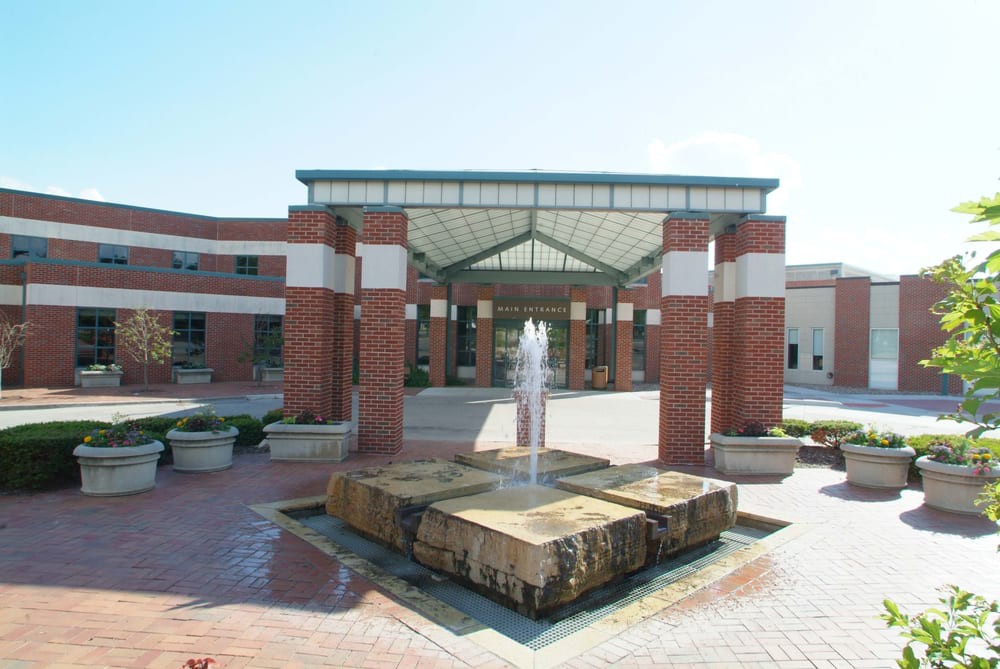
The Henry County Health Center in Mount Pleasant, IA is an assisted living community that offers a wide range of amenities and care services to ensure the comfort and well-being of its residents.

The community provides fully furnished apartments with amenities such as cable or satellite TV, Wi-Fi/high-speed internet, and telephone services. Residents can enjoy access to outdoor spaces and a small library for leisure activities and relaxation. The dining room offers restaurant-style dining, where residents can indulge in delicious meals prepared by the community's staff. Special dietary restrictions are accommodated to meet individual needs.

The community offers 24-hour supervision, ensuring that residents receive assistance with activities of daily living such as bathing, dressing, and transfers. The staff also provides medication management and diabetes diet support. A mental wellness program is available to promote the mental well-being of residents.

Residents have the opportunity to engage in resident-run activities and participate in scheduled daily activities for socialization and enjoyment. Move-in coordination services are offered to assist new residents with a smooth transition into their new home.

In addition to the amenities within the community, there are several nearby establishments that provide convenience for residents. There are four cafes, nine parks, three pharmacies, four physicians' offices, 21 restaurants, seven transportation options, 17 places of worship, and two hospitals nearby.

Overall, the Henry County Health Center in Mount Pleasant offers a comfortable living environment with comprehensive care services to support the needs of its residents.

Nearby Places of Interest

Hospitals

  • Henry County Soldiers and Sailors Memorial Hospital (0.1 miles)
  • Mental Health Institute (1.2 miles)
  • Henry County Health Center (13.8 miles)
  • Parkview Home (13.9 miles)

Physicians

  • Surgical Services-Mt Pleasant (0.1 miles)
  • Heartland Foot & Ankle Clinic (0.1 miles)
  • Family Medicine Of Mt Pleasant PC (0.1 miles)
  • Concha Audiology & Rehabilitation PLC (0.4 miles)
  • Pusey Bob, DDS (13.7 miles)

Places of Worship

  • St Alphonsus Church (0.2 miles)
  • Wellspring E Free Church (0.3 miles)
  • Church of Jesus Christ of Latter Day Saints (0.3 miles)
  • Saint Michael's Episcopal Church (0.4 miles)
  • Congregational Universalist Church (0.4 miles)
  • Assembly of God Church (0.5 miles)
  • Church of the Nazarene (0.6 miles)

Pharmacies

  • Medicap Pharmacy (0.2 miles)
  • Capstone Pharmacy (0.4 miles)
  • Walmart Pharmacy (1.4 miles)

Restaurants

  • The Grange Public House and Brewery (0.2 miles)
  • Costas Pizza & Steakhouse (0.3 miles)
  • Hawkeye Pizza & Steak House (0.3 miles)
  • Papa George's Pizza & Steak House (0.3 miles)
  • Little Mexico Restaurant (0.3 miles)
  • Subway (0.3 miles)
  • Keo's Grill & Back Bar (0.3 miles)

Parks

  • The Square (0.3 miles)
  • Mt Pleasant Parks & Rec Department (0.3 miles)
  • Central Park (0.3 miles)
  • United Thru Play Park (0.3 miles)
  • McMillan Park (0.7 miles)
  • Sheaffer Park (0.8 miles)
  • East Lake (0.8 miles)

Cafes

  • Central Park Coffee Company (0.3 miles)
  • The Coffee Depot (0.7 miles)
  • Scotters Coffee (1.8 miles)
  • Sanity Coffee House (1.8 miles)
  • Yarmouth Cafe (13.1 miles)

Transportation

  • Mount Pleasant Station (0.7 miles)
  • MCRR South Station (0.8 miles)
  • Burlington Northern Santa Fe (0.9 miles)
  • Air Exec (1 miles)
  • U-Haul Neighborhood Dealer (1.3 miles)
  • Air Exec (2.3 miles)
  • Mount Pleasant Airport (2.5 miles)

Frequently Asked Questions

Where is Henry County Health Center?
What photos are available for Henry County Health Center in Mount Pleasant, Iowa?

Nearby Communities

Skilled Nursing Facility in Nearby Cities

Related Resources

  • palliative care vs hospiceUnderstanding the Nuances of Palliative Care and Hospice: A Comprehensive Exploration

    Palliative care focuses on alleviating distress at any stage of a serious illness and can accompany curative treatments, while hospice care is for those nearing the end of life with a prognosis of six months or less, emphasizing comfort over curative measures. Both prioritize holistic care for patients and families but differ in timing, goals, and scope.

  • is home health care tax deductibleIs In-Home Healthcare Tax Deductible? Your Comprehensive Guide
    The guide details the tax deductibility of in-home healthcare expenses according to IRS guidelines, differentiating between medically necessary services and non-medical assistance, while emphasizing the need for proper documentation and itemization requirements. It also highlights state-level variations, the importance of record-keeping, and encourages seeking professional tax help to understand evolving regulations.

  • gardening for seniorsNurturing Well-Being Through Gardening: A Detailed Guide for Senior Enthusiasts

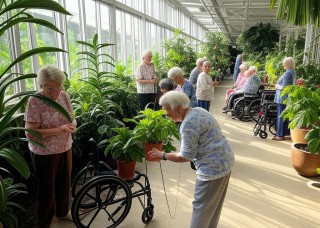
    Gardening provides seniors with physical exercise, mental and emotional support, and social interaction opportunities, while accommodating their needs through raised beds and ergonomic tools. It promotes health benefits like improved dexterity and cardiovascular health, encourages sustainable practices, and allows for manageable upkeep with low-maintenance plants.