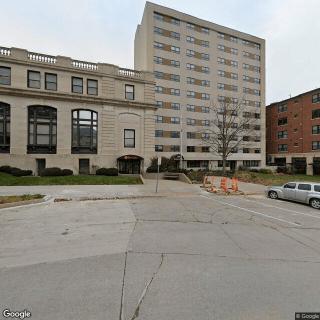
605 Greenwood Dr, Iowa City, IA 52246
To contact a resident: (319) 338-7912
For more information about senior living options: (866) 208-4318
Overall Review of Greenwood Manor Convalescent
Pros
 The staff are very good to residents; they’re helpful and outgoing.
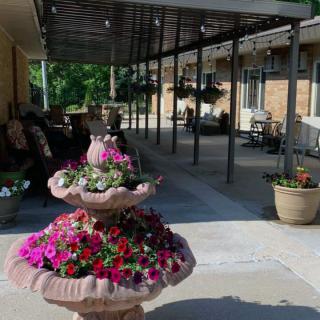
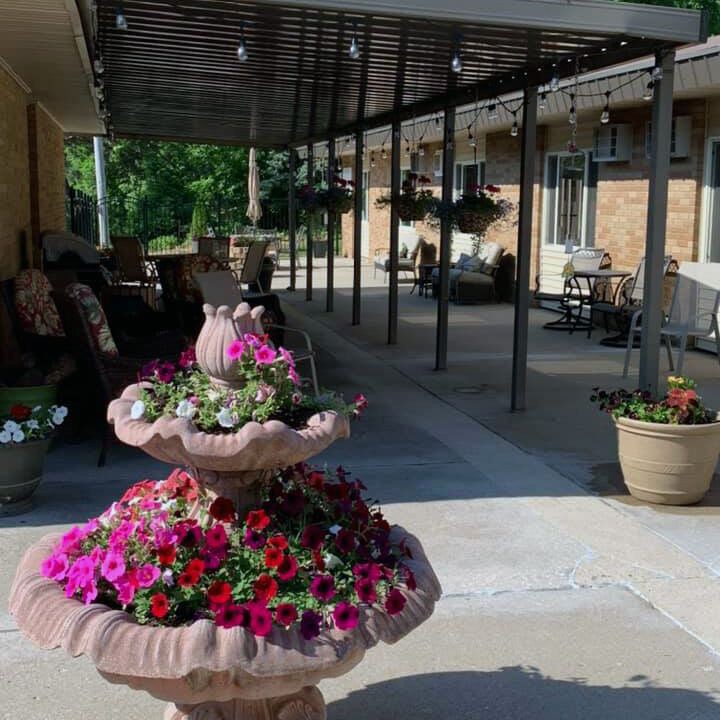
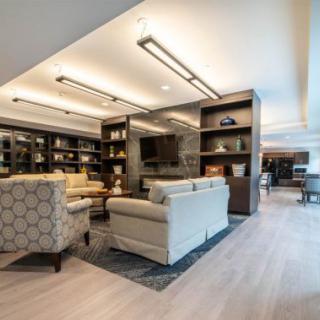
- The facility is well kept up and bright.
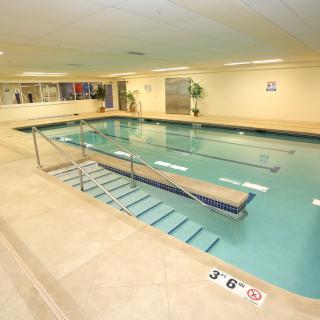
- They provide medication management and rehabilitation.
- The staff are always helpful, congenial, and cordial, and they talk a lot with residents.
- The center offers engaging activities such as a happy hour, a card club, and arts and crafts.
- The menu is flavorful and varied, with options if something isn’t liked.
- The staff take patients out for meals, showing attentive care.
Cons
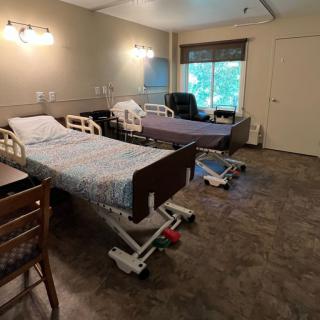
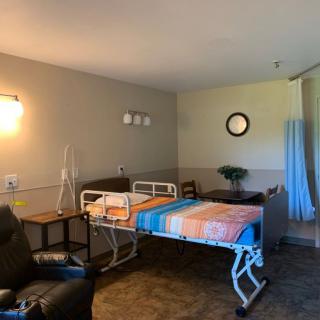
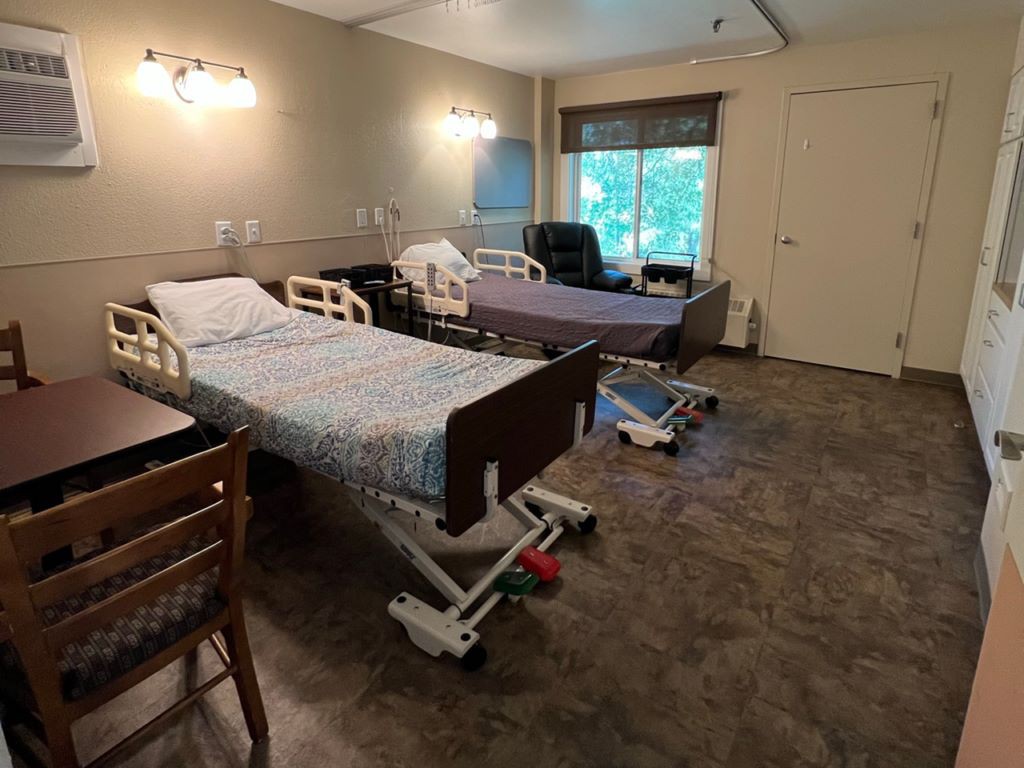
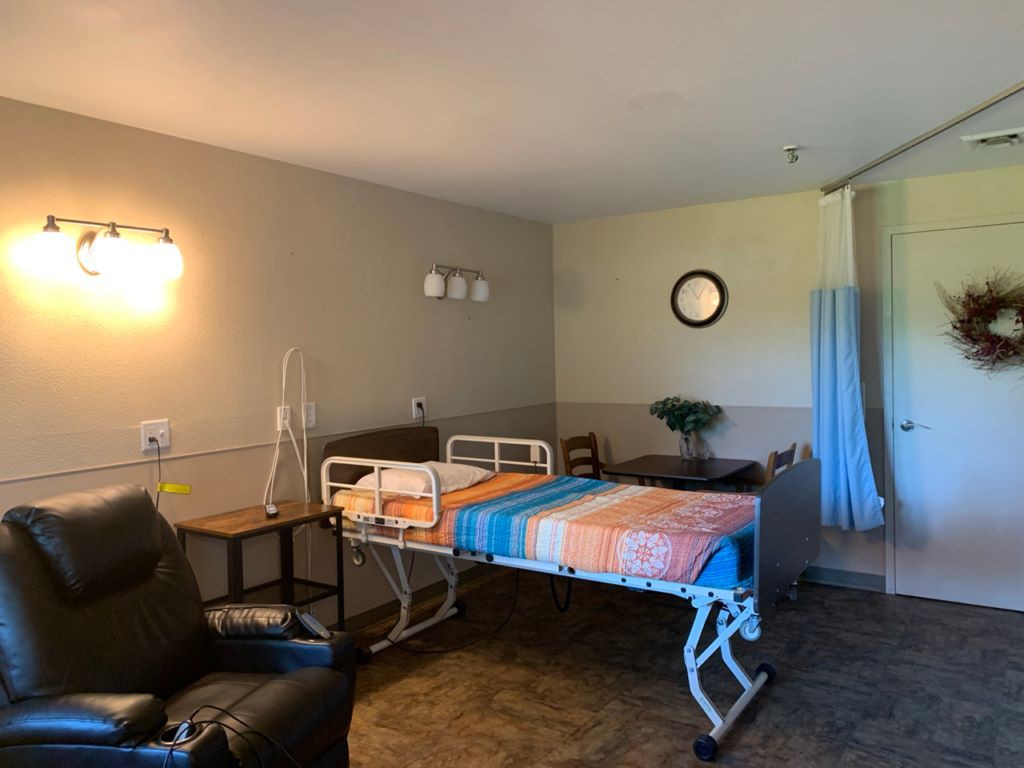
 The actual facility is a bit dreary.
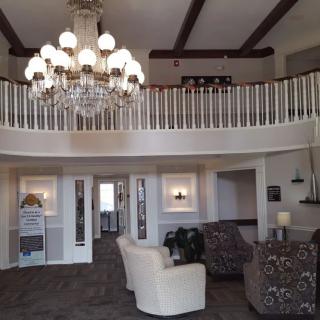
- It’s an old nursing home that was redone with dark oppressive colors.
- There are few windows and exposed pipes, making it feel depressing.
- The management is too stern.
- The food was terrible.
- The physical facility is a little old and dated.
- The rooms are kind of institutional.
- It’s fairly expensive.
Review
This community is best suited for families seeking skilled nursing care with robust rehab support and a clearly resident-centered social life. The strongest signal across the reviews is reliable, personable staff who engage with residents, listen to concerns, and keep communication open. For families prioritizing consistent medication management, admission to rehab programs, and regular opportunities for social activities, such as card clubs, arts and crafts, and organized events, this setting tends to deliver. It works well when the expectation is steady, hands-on care from a team that treats residents like individuals and makes an effort to keep residents connected to the community.
Alternatives become appealing for several reasons highlighted by the feedback. If the preference is for a brighter, more contemporary environment with modern decor, a facility that feels less clinical and more uplifting, or a dining program that consistently delights, this may be the deciding factor. Similarly, those who want the lowest possible costs, or a setting with a more open policy around pets and a more flexible approach to room aesthetics, should consider other options. The reviews also hint at a more austere architectural vibe in older buildings, which can matter for families seeking a more homelike atmosphere.
The most compelling pros, the staff’s helpful and cordial demeanor, and the emphasis on rehab and medication management, often offset the negatives in a practical, tangible way. Residents benefit from caregivers who talk with them, not at them, which reduces anxiety around daily routines and medical needs. The ability to participate in structured activities, and to have staff coordinate outings or meals outside the facility, broadens social engagement and supports overall well-being. A menu with options and the flexibility to switch from a protein-heavy choice to a lighter alternative can ease meals into a positive daily ritual, even when the space itself feels dated. When care quality is the priority, these factors can substantially mitigate concerns about decor or architectural style.
Yet the main cons carry real weight. The older facility aesthetic, dark colors, limited natural light, visible pipes, can sap ambiance and may affect mood, especially for long-term stays. Some reviewers describe management as stern, which can influence day-to-day satisfaction and clarity around policies. Food quality appears variable, with a few exclamations of it being “terrible” despite other residents finding meals acceptable; this inconsistency matters for daily life and family peace of mind. The rooms, while functional, are not flashy, and cost is flagged as a consideration in several accounts. Finally, the facility’s layout and era may limit some residents’ sense of autonomy or personalization, even when facilities for private rooms exist.
The balance between strong caregiving and notable drawbacks suggests a clear decision path. For families where the priority is reliable, compassionate care and an active, engaging routine, where staff communication and rehab services deliver concrete value, this community can be a strong choice. The drawbacks, older aesthetics, variable dining experiences, and cost concerns, do not negate the core strengths, but they do shape expectations. Families should weigh the importance of a bright, modern environment and premium dining against the proven value of attentive care and structured activity.
Ultimately, this community serves a practical niche: a trustworthy, rehab-oriented option with steady staff engagement and meaningful social programming. If that combination aligns with the family’s goals for recovery, daily living, and continuity of care, Greenwood Manor stands up well among its peers. For those who place a premium on contemporary design, gourmet dining, or a lower-cost footprint, it is wise to explore alternatives and compare current menus, room configurations, and activity calendars. When touring, ask about private-room availability, current dining options, the cadence of rehab services, resident transportation for off-site meals or events, exact cost structures, and how staff turnover may affect consistency of care. This approach ensures the decision aligns with both practical needs and the nuanced realities of daily life inside the community.
 Skilled Nursing Facility
 Eastern Iowa (18 miles away)


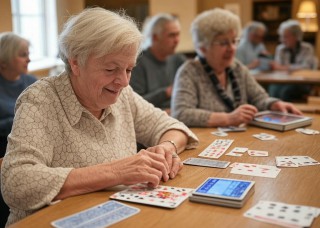 Effective Strategies for Keeping Seniors' Minds Active: A Deep Dive into Brain Games and Apps
 In-Depth Look at the VA Aid and Attendance Program
 Nurturing Our Loved Ones: A Daughter's Journey in Caring for Her Mother