
2721 10Th Avenue North, Fort Dodge, IA 50501
For more information about senior living options: (866) 208-4318
Overall Review of QHC Fort Dodge Villa
Pros
 The check-in process is easy.
- The staff were amazing when a family member stayed.
- Jessica took care of all their needs.
- Jessica is a huge asset to the facility.
- The team of workers at the facility is among the best the reviewer has worked with in 28 years.
- QHC Villa Care Center goes above and beyond to take care of loved ones.
- The meals were excellent.
- Physical therapy was great.
Cons
 Terrible place.
- They abuse and neglect the people they care for, even refusing to feed some when they are difficult.
- The care center provides awful care and the staff don’t care.
- The staff are worthless, and the facility is filthy.
- The communication is poor; it’s hard to reach loved ones, staff say they’re busy and never call back.
- They withhold medications and a grandmother waited an hour before anyone helped her.
- The building smells and isn’t clean; everything is outdated.
- The CNA seems helpful but clueless, and administration could use work on attitude.
- There is no space for personal belongings for patients.
Review
QHC Fort Dodge Villa in Fort Dodge, IA is best suited for families that value a skilled-nursing presence and are prepared to take an active role in care decisions. The strongest fit emerges for short- to moderate-term rehab where nurse-led care and therapy teams can deliver hands-on assistance, and for residents who benefit from frequent, clear communication with caregivers. In practice, the community can meet needs for daily support, timely medication management when processes are functioning, and responsive help with tasks that require immediate attention. The caveat is that this suitability relies heavily on steadfast advocacy from family members or designated agents who can monitor care delivery, coordinate with staff, and intervene when gaps appear.
Those who should consider alternatives are families with limited ability to oversee daily care or who cannot tolerate inconsistent staffing, questionable cleanliness, or lapses in safety protocols. Serious safety concerns appear in some accounts, including reports of neglect, medication omissions, and long delays before basic assistance is provided. The facility’s environment is described by some as dirty and outdated, with administration that can feel unprofessional or unresponsive. For residents who require reliable, transparent communication, a consistently clean setting, and a culture of accountability, other local options may deliver more steady peace of mind.
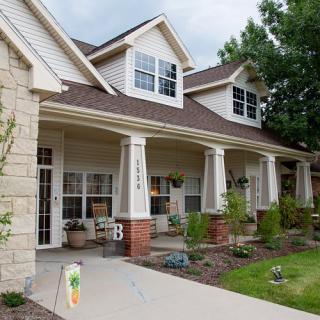
On the upside, several reviews point to moments of strong compassion and competence. Instances where staff “go above and beyond” or where therapy teams and nurses check in regularly are not unheard of, and some residents experience high-quality health care during stay. Meal quality is mentioned positively in at least one account, and physical therapy is cited as a strong point for those who receive it. This suggests that when staff are engaged and communication flows, the care can be solid, with real value in daily living and recovery. However, these strengths are inconsistent across experiences, making them fragile under staffing fluctuations or management lapses.
Equally decisive are the recurring concerns about safety and reliability. Reports of abuse, neglect, and medication lapses, including not giving essential meds or leaving a resident waiting in discomfort, are not trivial matters; they strike at the core of a safe nursing environment. Cleanliness and odor issues, outdated facilities, and cramped spaces compound worries about infection control and resident dignity. Administrative attitudes and fragile communication, promising responsiveness but failing to return calls or coordinate care, further undermine trust. Taken together, the risk profile is high enough that many families will want to look elsewhere unless there is an ironclad plan to verify daily quality and enforce accountability.
Proponents would argue the positives can offset the negatives if oversight is constant and care plans are strict. With proactive administrators, a stable team of dependable aides, and a robust medication management protocol, the facility can deliver competent rehabilitation and attentive daily care during the resident’s stay. Yet this offsetting effect hinges on consistent staffing, transparent reporting, and rapid remediation when problems arise, none of which are guaranteed by the reviews. In practical terms, a family should demand clear metrics: scheduled med passes, daily nurse rounds, decluttering and sanitation schedules, and a named point of contact for escalations. Without those guardrails, the positives risk dissolving into unreliability.
Bottom line: QHC Fort Dodge Villa is a conditional option. It can work for residents who require skilled nursing support and rehab and for families willing to actively monitor care, enforce standards, and intervene quickly when concerns surface. For anyone who cannot tolerate potential neglect, poor communication, or cleanliness shortcomings, alternatives with stronger safety records and steadier administration should be pursued. The decision should rest on a thorough in-person evaluation, multiple room and staff interactions, and a candid assessment of whether consistent oversight can be maintained over time.
 107 resident community capacity
 Skilled Nursing Facility
 Air-conditioning
 Beauty salon
 Cable or satellite TV
 Computer center
 Dining room
 Fitness room
 Fully furnished
 Gaming room
 Garden
 Housekeeping services
 Kitchenette
 Move-in coordination
 Outdoor space
 Private bathrooms
 Restaurant-style dining
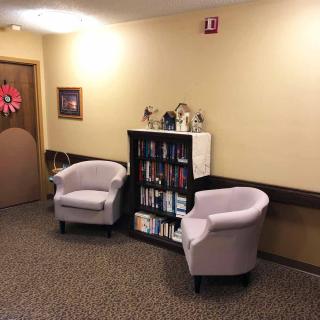
 Small library
 Telephone
 Wellness center
 Wi-Fi/high-speed internet available
 Community operated transportation
 12-16 hour nursing
 24-hour call system
 Activities of daily living assistance
 Assistance with bathing
 Assistance with dressing
 Assistance with transfers
 Diabetes diet
 Medication management
 Mental wellness program
 Special dietary restrictions
 Concierge services
 Planned day trips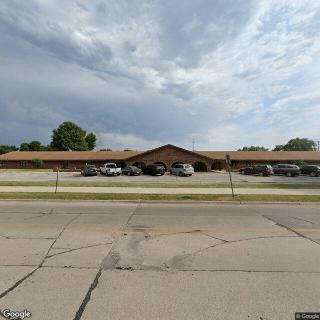

 8 Essential Assistive Devices for Older Adults
 Navigating the Financial Road to Nursing Home Care: In-Depth Guidance and Resources
 Supportive Employee Benefits That Help Caregivers Attain Better Work-Life Harmony