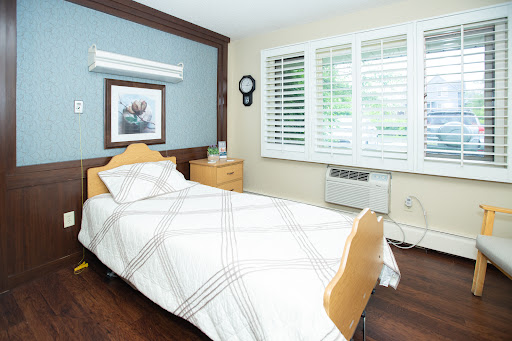
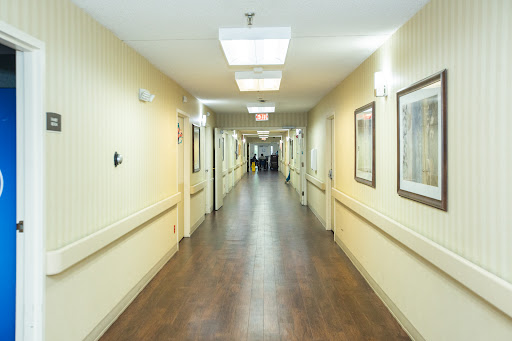
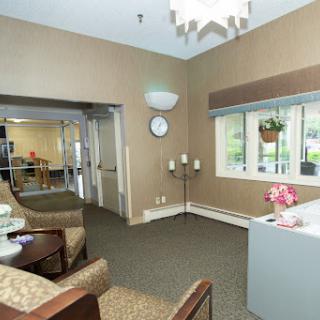
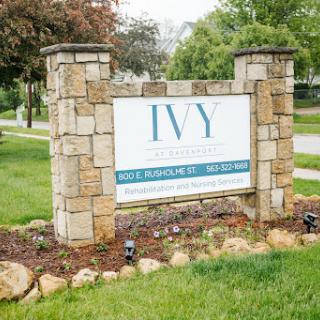
800 East Rusholme Street, Davenport, IA 52803
For more information about senior living options: (866) 208-4318
Overall Review of Accordius Health At St Mary
Pros
 The staff has been great.
- He is now on full assist, and the staff meets his every need.
- They keep an eye on him 24/7.
- They treat him with respect and talk with him every time they walk by.
- They are grateful for The Ivy’s care.
Cons
 The review states neglect is the operative word and warns others not to send family members there.
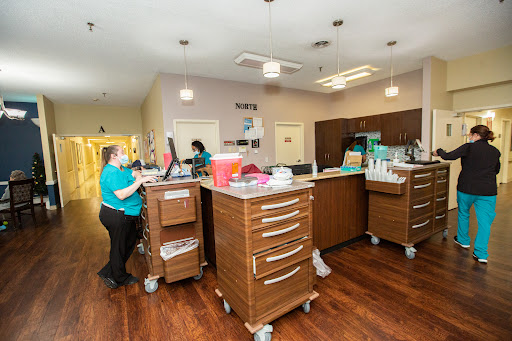
- It is noted that after 6pm there are too few staff, often taking about 45 minutes to get help.
- The writer reports having been physically threatened by CNA staff.
- The meals are described as among the worst, often lacking protein, running out of milk, and arriving cold.
- The physical therapy room is described as being run by the worst of the staff, with no consistent appointment scheduling.
- Any lack of progress is met with stern talking-to and is not motivating.
- Fruit flies are present in the room because maintenance hasn’t fixed the sink drain.
- Cash has been taken from the resident’s room.
- The reviewer urges readers to go anywhere but here.
Review
Accordius Health at St Mary in Davenport is best suited for families seeking steady, visible supervision and a home-like, respectful environment for residents who cannot advocate for themselves, especially those with limited speech or cognitive challenges who benefit from constant presence. The community appealingly combines a high-touch approach with 24/7 oversight, and a level of attentiveness that can be the difference between comfortable daily life and distress for a dependent loved one. This makes it a strong contender for residents who require continuous monitoring and who respond to caregivers who engage politely and regularly. However, the balance of experiences in the record suggests that neither the quality of care nor the reliability of operations is uniform, warranting cautious consideration.
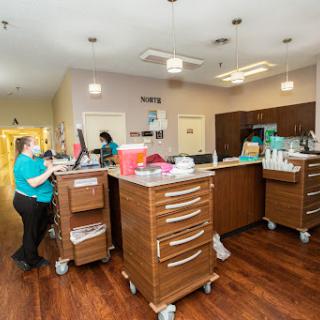
On the upside, one family reports staff who are “great” and attentive, providing full assistance and treating the resident with respect. The care team reportedly checks in consistently and communicates as they pass, delivering not just safety but dignified interaction. For a resident facing communication barriers, this can translate into meaningful daily interactions rather than transactional care. The 24/7 watch is not merely a security measure but an enabling factor for peace of mind for families who cannot be on-site constantly. In short, when the staff are responding, the day-to-day experience can feel both secure and compassionate, which is a compelling pro in the right circumstances.
Yet the darker thread in the record centers on neglect concerns and reliability gaps. The report of delayed assistance after typical hours, up to 45 minutes, points to a staffing imbalance that can undermine safety and comfort. Allegations of physical threats from CNAs and of cash being taken introduce a troubling dimension of security risk that cannot be dismissed, even if they reflect a single account. Food quality and consistency emerge as another weakness, meals described as cold, low-protein, and frequently out of essentials, telling signs that the kitchen and dining service may not be aligned with resident needs. Maintenance lapses, such as an unrepaired sink drain yielding fruit flies, further erode trust in the facility's operations.
Those advantages and disadvantages are not merely competing symptoms; they determine practical suitability. The strong, compassionate care can be decisive for residents who require near-constant oversight and who thrive when staff are proactive and respectful. Yet the gravity of reported neglect, sanitation, and security lapses cannot be offset by warmth alone. For a family with the ability to supervise care, request direct oversight, and demand consistent staffing patterns, the positives can be realized without accepting systemic risk. For others, especially those who cannot visit daily or who depend on predictable service schedules and secure environments, the cons may overshadow the advantages, making alternatives a wiser choice.
To move from impression to prudent decision, prospective families should verify staffing realities and governance. Visiting at multiple times of day, including evenings, reveals whether 24/7 coverage is practical and reliable. Speaking with residents, families, and the administrator about incident logs, staff training, and response times provides a candid sense of operating norms. Review state inspection reports and any health-care compliance records for the site, focusing on safety, medication handling, and incident history. Sample menus and a transparency around meal planning, dietary accommodations, and nutrition can indicate whether dining quality aligns with resident needs. Finally, request references and talk to families with residents at a similar care level.
Ultimately, Accordius Health at St Mary is a defensible choice for families who prioritize vigilant supervision, dignified interaction, and the capacity to oversee staffing and safety. It is less suitable for those who require consistently flawless operations across evenings and weekends, stable meal service, and stringent security controls without requiring active family involvement. If vigilance around staffing stability, safety, and nutrition can be verified through direct conversations and site visits, the facility can deliver the kind of compassionate, watchful care that many high-need residents rely on. Otherwise, exploring other Davenport options with steadier after-hours coverage and stronger food service promises a lower risk path to a secure, comfortable home.
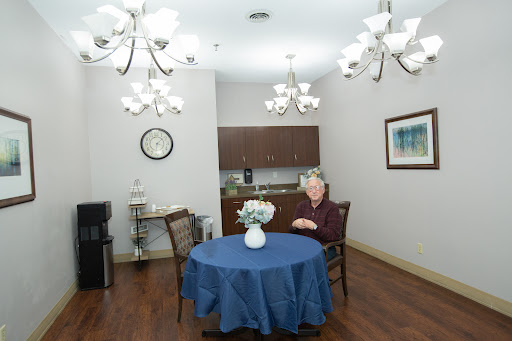
 90 resident community capacity
 Skilled Nursing Facility
 Air-conditioning
 Beauty salon
 Cable or satellite TV
 Computer center
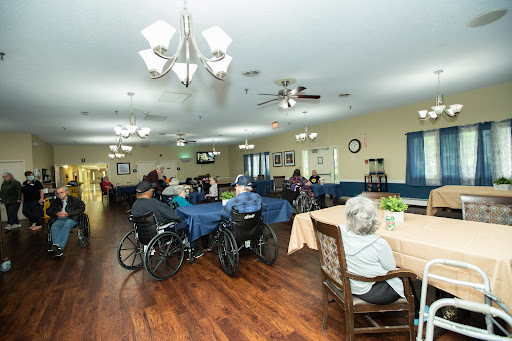
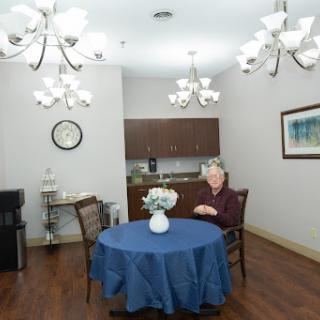
 Dining room
 Fitness room
 Fully furnished
 Gaming room
 Garden
 Housekeeping services
 Kitchenette
 Move-in coordination
 Outdoor space
 Private bathrooms
 Restaurant-style dining
 Small library
 Telephone
 Wellness center
 Wi-Fi/high-speed internet available
 Quad City (7 miles away)
 Community operated transportation
 12-16 hour nursing
 24-hour call system
 Activities of daily living assistance
 Assistance with bathing
 Assistance with dressing
 Assistance with transfers
 Diabetes diet
 Medication management
 Mental wellness program
 Special dietary restrictions
 Concierge services
 Planned day trips


 Understanding the Nuances of Palliative Care and Hospice: A Comprehensive Exploration
 Fecal Incontinence in Older Adults: A Comprehensive Guide
 Recognizing the Journey: Understanding and Navigating Anticipatory Grief