

400 North County Farm Road, Wheaton, IL 60187
For more information about senior living options: (866) 208-4318
Overall Review of Dupage Care Center
Pros
 The staff at DuPage Care Center are beautiful and caring people who genuinely put patients' interests first.
- Jessica, the long-term care case manager, went above and beyond to provide comfort during a very stressful time.
- The facility is clean and well maintained, with caring staff.
- The reviewer would recommend the facility.
- The daily physical therapy sessions are good.
- The care is compassionate, kind, and generally consistent.
- The facility provides exceptionally well-regarded care in DuPage County.
Cons
 They were extremely understaffed.
- The overall care was almost criminal.
- The staff are nice but not attentive at all.
- Water and life-saving medicines were delivered hours late.
- Even with family support, pain meds and breathing treatments were not timely.
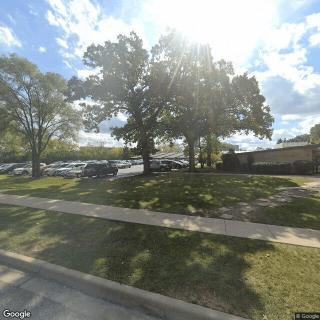
- The facility has little outdoor space and feels institutional and aging.
- Rooms are small with limited space for personal items, and most are shared.
Review
DuPage Care Center in Wheaton is best suited for families navigating care for DuPage County residents who value steady, compassionate staff and a clean, well-kept environment, and who can tolerate a more institutional setting with shared rooms. This community works best when family involvement remains part of the care plan, especially for those who can monitor daily needs and advocate for timely services. It serves well for residents who may require consistent basic oversight and routine, with reliable access to therapy and medical attention, but who are not pursuing a high-end, private-room experience or a facility with ultra-responsive service levels.
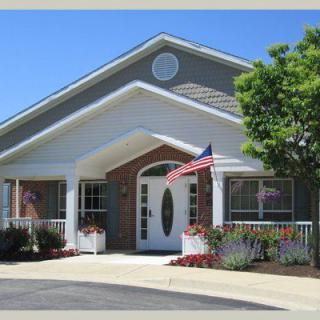
The strongest positives center on the care ethos and the setting. Staff are described as genuinely caring and there to put residents’ interests first, with a case manager who can be exceptionally responsive in stressful times. The facility is clean and well maintained, and common areas are ample and attractively appointed for a large operation. Physical therapy is solid, with about an hour of daily attention that supports post-surgical or rehabilitative goals. Food is above average for a facility of this size, and staffing is more consistent than average, reducing turnover where it matters for daily continuity. Taken together, these factors create a dependable baseline of comfort and routine that can be crucial for families who value stability and cleanliness.
Yet the cons are meaningful and not easily dismissed. The most glaring flaw across reviews is understaffing, which translates into delayed responses and missed or late deliveries of essential needs such as medications, water, and breathing or pain treatments. One reviewer described the overall care as almost criminal due to these delays, emphasizing that even with near-constant family presence, timely care was not achieved. Another account notes that while the staff are pleasant, attentiveness can be inconsistent, and critical tasks can slip through the cracks. These gaps erode trust quickly for families counting on dependable, timely support, and they tend to intensify during periods of higher resident acuity or staffing pressure.
Compounding the staffing challenge is an environment that feels institutional and, in many parts, dated. The facility sits in a county-operated ecosystem, with a sizable portion of staff being government employees who benefit from union protections. While this can support stability, it also tends to produce a setting with limited outdoor space and a practical, workhorse atmosphere that may lack warmth or privacy. Rooms are often shared and of modest size, with less room for personal items. Natural light is uneven across the building, so some residents feel dim, which can affect mood and overall experience. For families prioritizing private rooms, more expansive outdoor access, and a modernized ambiance, this environment proves limiting.
These strengths offset the drawbacks only to a point. For families who can align with the routine, appreciate stable staffing, and are prepared to supplement care through vigilant oversight, the facility’s decisive advantages, consistency, clean facilities, dependable basic care, and decent post-acute therapy, can yield a satisfactory experience. The presence of a capable case manager and the general quality of daily care offer a meaningful cushion against the downsides, particularly when relatives are available to assist and monitor medications and schedules. In other words, the pros matter, but they require active family involvement and realistic expectations about timeliness and privacy.
For those weighing alternatives, a clear line emerges. If timely medication delivery, water access, and a heightened degree of attentiveness are non-negotiables, or if a private room and more outdoor space are priorities, this community may not be the best fit. Look toward smaller or privately run facilities with reputations for higher staffing ratios, more individualized attention, and newer or more homelike environments. Facilities with robust clinical oversight and fewer admissions bottlenecks may better serve residents who require near-immediate med administration or who want to minimize the need for family “punch-in, punch-out” coaching throughout the day. In short, DuPage Care Center can work for the right family, one that plans around the staffing reality and values clean, steady operation over luxury or privacy.
In the final assessment, this community warrants a careful, hands-on evaluation. Prospective residents should request direct conversations with the director and head nurses, inquire about current staffing ratios by shift, and observe a med-pass or delivery scenario during a tour. Ask about the availability of private rooms and how often residents share, and probe the logistics of outdoor access and daily activity schedules. Investigate the admissions rules related to county residency and how they might affect wait times or eligibility. If these questions align with expectations, DuPage Care Center can be a solid, practical option; if not, the search should pivot toward facilities with stronger food-forced timelines, tighter med oversight, and a more resident-centered, home-like atmosphere.
 368 resident community capacity
 Skilled Nursing Facility
 Air-conditioning
 Beauty salon
 Cable or satellite TV
 Computer center
 Dining room
 Fitness room
 Fully furnished
 Gaming room
 Garden
 Housekeeping services
 Kitchenette
 Move-in coordination
 Outdoor space
 Private bathrooms
 Restaurant-style dining
 Small library
 Telephone
 Wellness center
 Wi-Fi/high-speed internet available
 Chicago O'Hare International (15 miles away)
 Community operated transportation
 12-16 hour nursing
 24-hour call system
 Activities of daily living assistance
 Assistance with bathing
 Assistance with dressing
 Assistance with transfers
 Diabetes diet
 Medication management
 Mental wellness program
 Special dietary restrictions
 Concierge services
 Planned day trips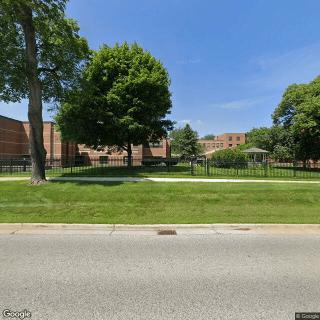


 Home Health Care Aides: Understanding Their Role and Supporting Your Family
 Urinary Tract Infections in Older Adults: Comprehensive Insights on Symptoms, Treatment, and Prevention
 California's Form 602A: An In-Depth Examination of Senior Care Assessment