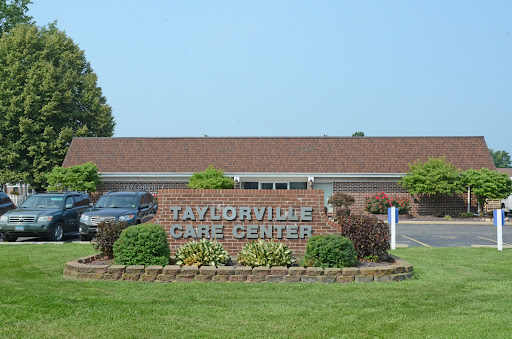
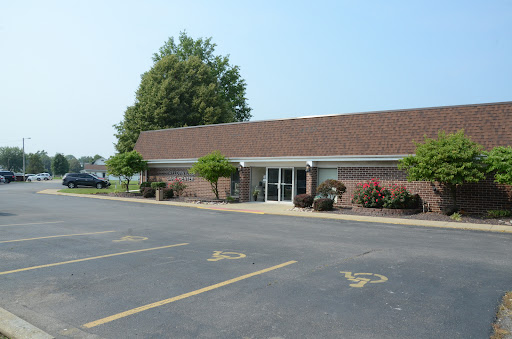



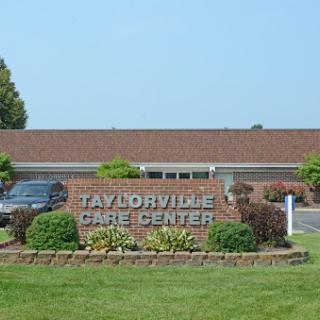
600 South Houston, Taylorville, IL 62568
For more information about senior living options: (866) 208-4318
Overall Review of Taylorville Care Center
Pros
 The staff is kind.
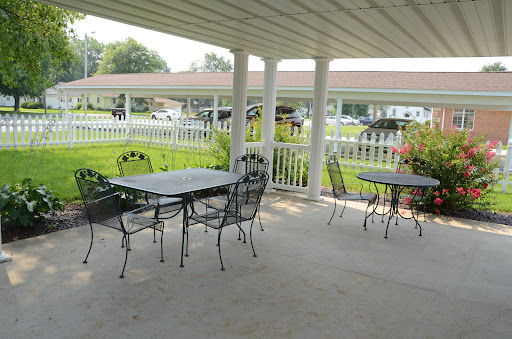
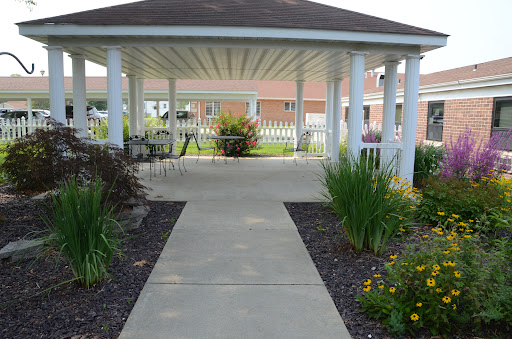
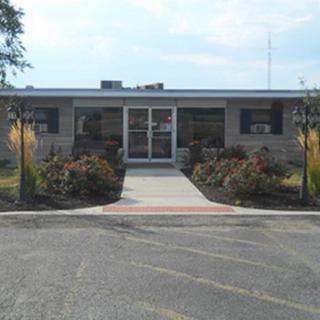
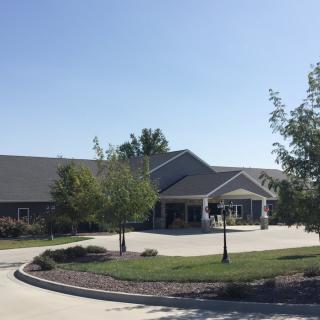
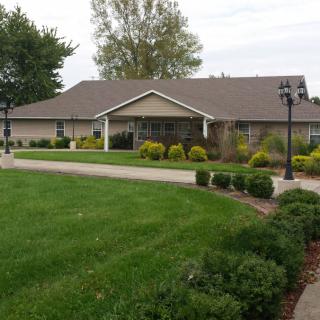
- The grounds and building are clean.
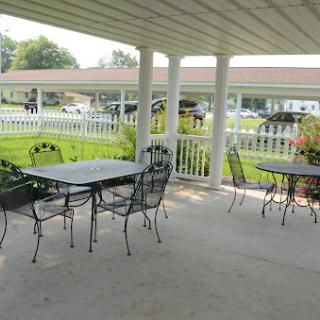
- The facility is beautiful and visibly clean.
- The residents seem happy.
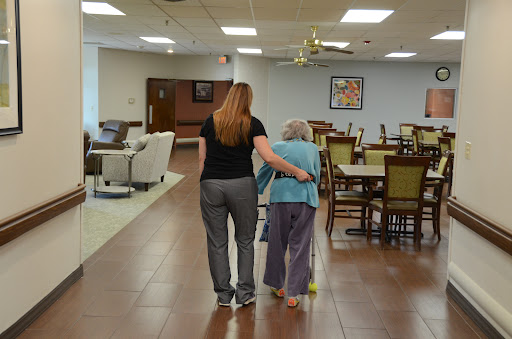
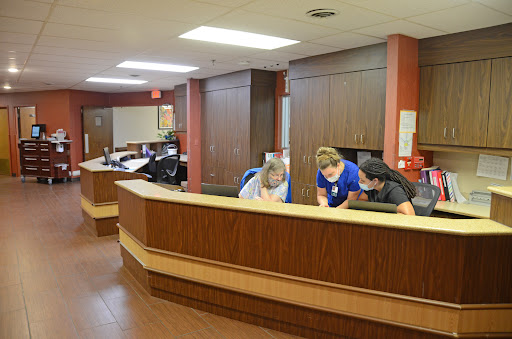
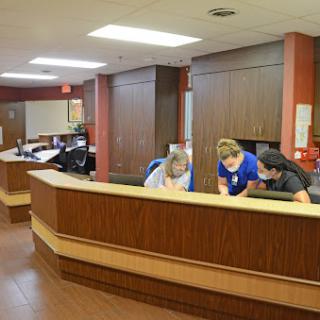
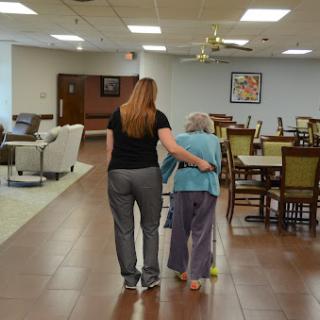
- The nurses and staff are caring and invested in residents.
- Jaclyn, the social services director, is responsive and instrumental in helping families access care.
- The nurses provide physical therapy and emotional therapy.
Cons
 The facility provides very poor care, with incompetent supervisors and chronic staffing shortages.
- It is a horrible place to work for good caregivers because mistreatment is witnessed.
- Corporate nurses allegedly prefer management members who hide incidents and cover them up, mislabeling wounds to look better on paper.
- There have been several recent deaths attributed to severe wound infections.
- Nursing monitoring is lazy and negligent.
- Residents rarely receive showers, snacks, or hydration, and there are no UTI prevention protocols.
- The facility cannot receive Medicare/Medicaid funds due to federal tags.
- Reviewers would not recommend placing a loved one there.
Review
Taylorville Care Center is best suited for seniors who prize a clean, attractive campus, friendly front-line staff, and accessible social-work and rehabilitative services, with the understanding that clinical oversight can be uneven. The right resident here is someone who can benefit from a structured, home-like environment and appreciates regular interaction with therapy teams and social services, while not requiring constant, high-intensity medical management. This is not the place for those needing steady, enterprise-level nursing attention and rigorous, consistent clinical protocols around wounds, hydration, and infection prevention. Families should enter with eyes open to the trade-off between a pleasant living environment and potential gaps in day-to-day medical care.
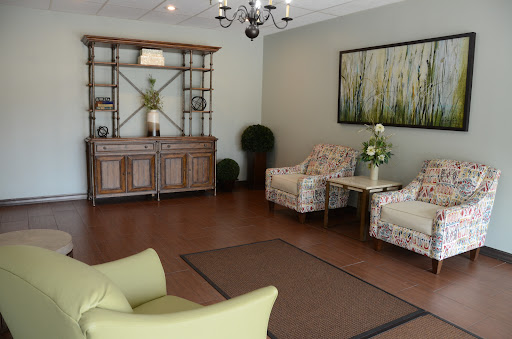
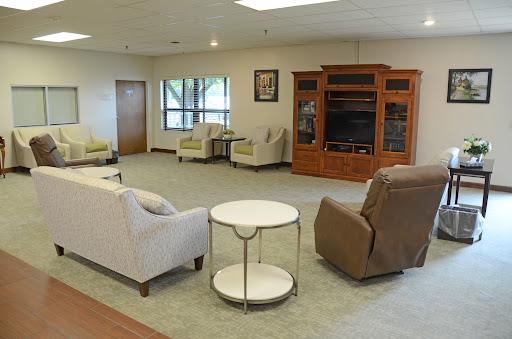
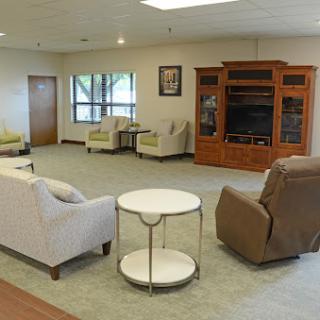
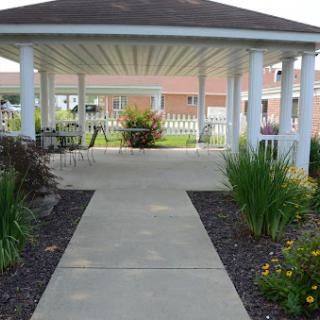
On the plus side, the facility presents well: the grounds are well-kept, the interiors convey a sense of serenity, and the overall atmosphere tends to be warm and welcoming. Multiple observations highlight kindness from front-line aides and nurses in day-to-day care, with residents appearing content during visits. The social-services director has proven effective at moving admissions forward and coordinating a smoother transition, a factor that can ease the daunting process of moving a loved one into a care setting. Rehabilitative offerings, physical therapy and emotional support, have been cited as meaningful avenues for residents to maintain dignity and some independence within the care framework. For families prioritizing a hopeful, sociable environment, these elements carry real value.
Yet the most consequential concerns revolve around staffing, oversight, and basic care standards. Several accounts describe chronic short-staffing, weak supervisory structures, and inconsistent monitoring that left some residents underserved. There are grave implications raised about mistreatment of residents who speak up, with harsh consequences reported for whistleblowers. Wound care and infection control are flagged as areas of particular weakness, including serious infections that led to declines in health. Basic daily care, regular showers, hydration, and preventive measures such as UTI protocols, are described as lacking at times. The facility’s status with Medicare/Medicaid funding, due to federal tags, adds a further layer of risk for families relying on public payer coverage.
When weighing the positives against the negatives, the balance leans toward caution rather than wholehearted endorsement. The clean, welcoming environment and engaged social-work support can provide real comfort and continuity for residents who are not actively deteriorating medically, and families with the bandwidth to supervise care may experience meaningful peace of mind. However, the weight of staffing shortages, reported mistreatment, and gaps in essential clinical care cannot be dismissed. The inability to bill Medicare/Medicaid complicates access for many families and limits options if a loved one’s care needs escalate. In short, the pleasant veneer does not fully compensate for the clinical fragility that appears to animate the facility’s daily operations.
For families considering alternatives, the message is clear: if reliable, proactive medical oversight and robust infection control are non-negotiable, look for facilities with stronger staffing guarantees and transparent oversight histories. Seek places with consistent 24/7 nursing coverage, demonstrated compliance histories, and positive, verifiable outcomes in wound care, hydration, and routine infections. If choosing Taylorville, enter with a plan to demand clear, written care protocols, regular updates on staffing levels, and scheduled opportunities to review care plans and incident reports. A candid conversation with the director of nursing and a comprehensive tour focused on daily routines can help determine whether the positives can realistically outsize the risks.
The bottom line is practical and decisive: Taylorville Care Center can deliver a comfortable, hopeful living environment with supportive social services and therapy options, but it comes with notable clinical risks that may undermine the quality of care for residents with significant medical needs. For families whose priorities align with a pleasant atmosphere and strong social supports, and who can closely supervise care, the facility can fit well. For those requiring consistent, high-caliber medical oversight, dependable hydration and infection prevention, or payer flexibility to cover escalating needs, it is prudent to explore alternatives first. The decision should hinge on current care needs, tolerance for scheduled restrictions, and a clear plan to verify staffing, protocols, and payer status before committing.
 98 resident community capacity
 Skilled Nursing Facility
 Air-conditioning
 Beauty salon
 Cable or satellite TV
 Computer center
 Dining room
 Fitness room
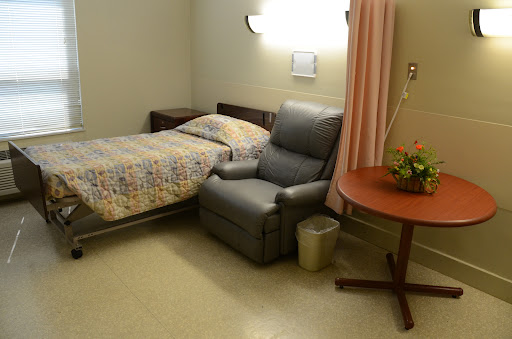
 Fully furnished
 Gaming room
 Garden
 Housekeeping services
 Kitchenette
 Move-in coordination
 Outdoor space
 Private bathrooms
 Restaurant-style dining
 Small library
 Telephone
 Wellness center
 Wi-Fi/high-speed internet available
 Community operated transportation
 12-16 hour nursing
 24-hour call system
 Activities of daily living assistance
 Assistance with bathing
 Assistance with dressing
 Assistance with transfers
 Diabetes diet
 Medication management
 Mental wellness program
 Special dietary restrictions
 Concierge services
 Planned day trips




 Comprehensive Insights and Practical Strategies to Help Older Adults Avoid Falls
 6 Crucial Ways an Elder Law Attorney Assists Families
 Navigating the Tax Landscape of Caregiving: Credits, Deductions, and Beyond