
485 South Friendship Drive, Nashville, IL 62263
For more information about senior living options: (866) 208-4318
Overall Review of Friendship Manor Health Care
Pros
 The mom receives excellent care and attention.
- The mom's room is always clean and orderly.
- There are plenty of activities, and the food is good.
- The physical therapy staff are caring, kind, and encouraging.
- They highly recommend the facility.
Cons
 Items bought for a friend frequently go missing, even after labeling.
- The facility does not send information about upcoming events.
- It is difficult for the family member to take time off work to manage appointments.
- The turnover between shifts is very high.
- The facility is an hour away, making visits challenging.
- Staff members comment that it has been a long time since the visitor last came.
Review
Friendship Manor Health Care in Nashville, IL is best suited for seniors who want hands-on daily care with tangible rehabilitation support and who can thrive in a prepared, activity-filled environment. The setting appears well-suited for residents who value cleanliness, orderly rooms, and a menu that “has been good,” with a physical therapy team described as caring, kind, and encouraging. For families seeking a facility where staff focus on daily routines, social programming, and accessible therapy, this community offers practical stability and a non-overcrowded atmosphere that supports routine and engagement.
Those who may want to consider alternatives are families that prioritize seamless communication and a consistently predictable caregiving team. The handful of reviews highlight persistent gaps in information flow to families, especially around upcoming events and scheduling, which can be a meaningful burden for working relatives or those juggling busy lives. Distance compounds this issue: an hour-long commute makes regular, proactive updates essential, and when comments from staff imply a critique of infrequent visits, the mismatch can erode trust. If reliable, proactive family communication and a low-friction process for coordinating appointments are non-negotiables, exploration of other communities is strongly advised.
The strongest positives, clean, orderly living spaces, robust activity offerings, and solid daily care, do carry real weight. A resident’s room being clean and the environment not crowded supports dignity and comfort, while engaging activities promote social connection and cognitive stimulation. The emphasis on food quality matters as well, contributing to overall well-being and satisfaction. Importantly, the physical therapy staff’s reputation for care and encouragement provides a meaningful pathway to maintaining or improving mobility, which is a core consideration for many families evaluating assisted living or skilled care options. These pros create a practical counterbalance to some of the logistical and communication drawbacks.
However, the cons are consequential and not easily offset. Recurrent concerns about missing personal items, not simply misplaced, raise questions about security and accountability for belongings, a real anxiety for residents and families alike. The absence of timely information about events or calendars undermines engagement opportunities and can leave residents feeling isolated or depersonalized. Add in the impression of heavy scheduling burdens placed on family members and the sense that turnover or inconsistent staffing may be affecting daily interactions, and the outcome is a care experience that can feel unstable. When families must compensate with extra coordination, the value proposition shifts away from peace of mind toward ongoing juggling and stress.
In evaluating options, it is prudent to prioritize concrete assurances. Ask for a current and transparent monthly activity calendar, a clear process for notifying families about events, and a written policy on lost or missing personal items, including accountability steps and item tracking. Request a dedicated family liaison or point person, and insist on meeting the administrator or director of nursing to gauge responsiveness and communication style. Clarify staff-to-resident ratios, turnover rates, and how shifts are managed to ensure continuity of care. If the facility cannot provide these specifics in a credible, reproducible way, alternatives with stronger communication discipline and more stable staffing should be pursued.
The bottom line is pragmatic: Friendship Manor offers meaningful strengths in daily care, activity programming, cleanliness, and rehabilitative potential, which can serve residents who respond well to structure and social immersion. Yet the practical realities, inconsistent family communication, concerns about personal-item security, and the burden of coordinating care from a distance, limit its suitability for families requiring a seamless, low-frustration experience. For those prioritizing constant updates, verified item security, and predictable staff engagement, exploring other communities with proven transparency and proximity to family is a prudent move. A direct, focused tour complemented by targeted questions will reveal whether this community can align with the specific needs and expectations of the resident and their loved ones.
 120 resident community capacity
 Skilled Nursing Facility
 Air-conditioning
 Beauty salon
 Cable or satellite TV
 Computer center
 Dining room
 Fitness room
 Fully furnished
 Gaming room
 Garden
 Housekeeping services
 Kitchenette
 Move-in coordination
 Outdoor space
 Private bathrooms
 Restaurant-style dining
 Small library
 Telephone
 Wellness center
 Wi-Fi/high-speed internet available
 Community operated transportation
 12-16 hour nursing
 24-hour call system
 Activities of daily living assistance
 Assistance with bathing
 Assistance with dressing
 Assistance with transfers
 Diabetes diet
 Medication management
 Mental wellness program
 Special dietary restrictions
 Concierge services
 Planned day trips


 Engaging Brain Games and Innovative Apps to Keep Senior Minds Active
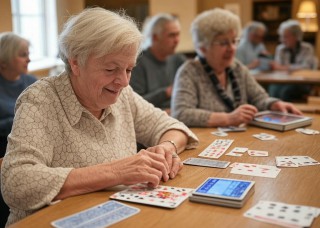 Effective Strategies for Keeping Seniors' Minds Active: A Deep Dive into Brain Games and Apps
 In-Depth Look at the VA Aid and Attendance Program