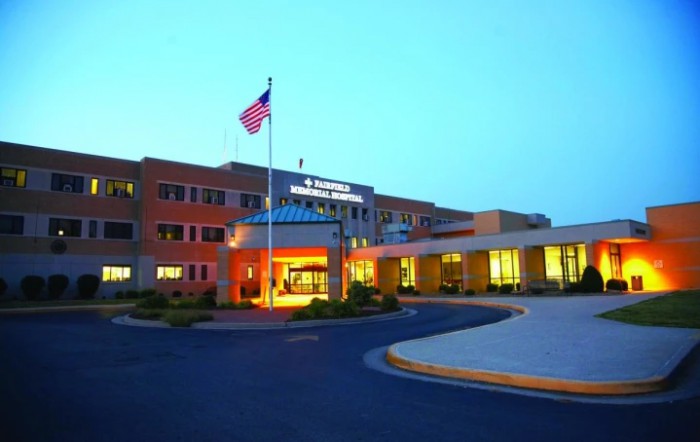
Fairfield Memorial Hospital

Save

Fairfield Memorial Hospital

North West 11Th Street, Fairfield, IL 62837

For more information about senior living options: (844) 490-3973

3.3 from 45 reviews
5 stars
20
4 stars
5
3 stars
3
2 stars
1
1 stars
16

Skilled Nursing Facility

What level of care are you interested in?

Assisted Living

Memory Care

Independent Living

Skilled Nursing Facility

Continuing Care Retirement Community (CCRC)CCRC

Other


Request a tour at Fairfield Memorial Hospital

    Overall Review of Fairfield Memorial Hospital

    Pros

    • pro The third-floor CNAs are amazing, kind, and genuinely care for patients, including a grandmother with dementia.
    • pro Tiffany, Kaylee, and Erin are repeatedly praised for their compassionate care.
    • pro The urgent care staff are professional and helpful.
    • pro The surgical staff are personable, down-to-earth, and highly professional, with pre-op nurses who are knowledgeable and patient.
    • pro Every nurse or doctor who visited introduced themselves by first name, creating a welcoming environment.
    • pro The anesthesiologist kept the patient calm and engaged during anesthesia.
    • pro Fairfield Memorial is described as a great hospital and the best around by multiple reviewers.
    • pro The dietary department has consistently treated patients well.
    • pro Deanna at Horizon admitting goes above and beyond to help people.

    Cons

    • pro The ER doctor was rude and condescending and showed little regard for quality of care.
    • pro The ER doctor asked about welfare, which the reviewer found inappropriate and off-putting.
    • pro The ER visit for the 90-year-old grandmother involved no x-ray or exam and no pain medication, which was described as negligent.
    • pro The ER doctor was criticized as a joke with a license from the circus, indicating unprofessionalism.
    • pro Wait times in the ER were excessive, especially when a child needed stitches and staff were heard laughing and talking.
    • pro The staff yelled and cursed at a patient with seizures, and no calming measures were offered.
    • pro Hospital billing was high and the billing process was unclear or burdensome.
    • pro Fairfield hospital allegedly refused to provide crutches after a fracture and mishandled the injury, including attempting to take the patient's phone.

    Review

    Fairfield Memorial Hospital stands out in these reflections as more than just a place to be treated - it's a lifeline for families local and far away who carry the weight of serious illness and daily health concerns. The most striking, recurring thread is the extraordinary care shown on the 3rd floor, where a devoted group of CNAs has become a beacon for a grandmother with dementia and a family watching her decline. Tiffany, Kaylee, and Erin emerge as irreplaceable figures in the stories told by a patient who isn't even a local resident anymore but a lifelong Fairfield family at heart. The writer recalls how the CNAs attended the grandfather's funeral, how they cried with the family, and how their genuine compassion made a tangible difference in the most tender moments. "Who does that? STAFF THAT CARE!" is a refrain that echoes through these accounts, underscoring a culture of warmth that families explicitly credit with easing the hardest days of caregiving.

    The same caregiver spirit is described in intimate, practical terms. One reviewer, a medical professional themselves, drove six hours from out of state after a 12-hour shift to spend the day with their grandmother. The next morning, Tiffany's quiet kindness at breakfast, noticing the weariness in the visitor's face and offering a gentle caution about driving home, left a lasting impression. Kaylee's openness to offering a hug during a period of emotional strain and Erin's consistent warmth helped turn fear and exhaustion into a sense of being supported. The sentiment is not merely gratitude for skill or treatment - it's a human response to people who treat patients - and their families - with dignity and kindness. The family's appreciation for these individual acts - "If the world had more Tiffany's, Kaylee's, and Erin's" - highlights how personal connections can transform the healthcare experience.

    Beyond the 3rd floor, other departments are praised for professional, patient-centered care. Urgent care is described as professional and helpful, with a specific instance of soothing a frightened child during an eye injury - an UV light used with a gentle, smiling approach that kept a wary four-year-old calm. The surgical journey is marked by meticulous attention to information and consent: a thorough pre-op experience with knowledgeable nurses answering questions, clear, written instructions, and steps that are deliberately explained. In the operating room, the staff's professionalism shines through in small, meaningful moments: the first-name introductions, the IV setup explained by a resident who was learning, the nearby nurse who offered steady companionship and whispered encouragement, and the anesthesiologist who kept the patient engaged and comfortable. These experiences culminate in a sense of confidence and trust in Fairfield Memorial's surgical care.

    Not every experience lands on a positive note, however, and the reviews do not shy away from those harsher encounters. One ER visit is described in stark terms: a rude, condescending emergency room doctor who appeared unconcerned about the quality of care. Another reviewer recounts a troubling interaction where a doctor questioned a wife about welfare rather than focusing on medical need, a comment that felt out of place and inappropriate. There are stories of deeply disappointing care for an elderly relative who was sent home after tests and without an x-ray or pain relief, only to learn later that a back fracture had been missed. These painful memories remind readers that even at a community hospital praised for its compassion, individual experiences can fall far short of the ideal and that empathetic care is not uniformly experienced by every patient.

    Amid these contrasts, some voices highlight individuals and offices that consistently go above and beyond. Deanna at the horizon admitting office is commended for going "above and beyond" to help patients, and the appreciation is explicit: she deserves a raise for her kindness and effectiveness. There are also steadfast endorsements of certain clinicians and the hospital's broader mission. A reviewer calls Fairfield Memorial "the best hospital around," praising Dr. Molt and Jessica as outstanding - an assertion that the hospital's trusted physicians and staff are central to why families return year after year. The hospital is framed as a Critical Access Hospital that remains deeply committed to serving its community, with a candid acknowledgment that it cannot fix every systemic problem but works hard to blunt the consequences of cost and access barriers for those who rely on it.

    The spectrum expands further with stories about the administrative and ancillary experiences that shape a patient's day. Some encounters with the admitting and scheduling processes are positive, while others describe frustrating paperwork and delays. A few comments surface about wait times in the ER and the complexity of navigating urgent care, as well as concerns about the cost of care and the difficulty of obtaining clear, consistent information about what to do next. There are also sharp criticisms about non-hospital settings and experiences that feel more like triage by a Band-Aid clinic than comprehensive medical care, including harsh depictions of mismanagement and miscommunication that left families feeling underserved or dismissed. Taken together, these varied accounts reveal a health system under strain, where the hospital's strongest suit - compassionate, attentive care by many of its clinicians - coexists with real, frustrating gaps that patients want to see improved.

    In the end, Fairfield Memorial Hospital emerges in these voices as a place of profound humanity and serious challenges. The stories celebrate people who care deeply - the CNAs, bedside nurses, the urgent care staff, surgeons, anesthesiologists, and admitting personnel - whose patience, empathy, and skill light up the darkest days. Simultaneously, they acknowledge instances of poor bedside manner, insufficient examinations, and administrative friction that can undermine trust and comfort. The common thread is a community hospital that matters deeply to the people it serves: a place where remarkable acts of kindness happen, where families feel seen and supported, and where the lived experiences of patients and their loved ones - good and bad - are essential to understanding how Fairfield Memorial can keep getting better.

    Features

    Housing

    • 30 resident community capacity 30 resident community capacity

    Types of Care

    • Skilled Nursing Facility Skilled Nursing FacilitySkilled Nursing Facilities are crucial for seniors as they provide round-the-clock medical care, rehabilitation services, and assistance with daily activities. These facilities ensure that seniors receive the specialized care they need to maintain their health and well-being as they age.

    Amenities

    • Beauty salon Beauty salonBeauty salons are important for seniors because they provide a space for them to feel pampered, socialize, and maintain their personal grooming and hygiene. Regular visits to a beauty salon can help boost seniors' self-esteem and overall well-being.
    • Cable or satellite TV Cable or satellite TVCable or satellite TV is important for seniors because it provides entertainment, news, and companionship, helping to combat loneliness and boredom. It also offers a wide range of programming options tailored to different interests and preferences.
    • Dining room Dining roomDining rooms are important for seniors as they provide a space for socialization, connection, and nutritious meals. They offer opportunities for residents to bond over shared meals, foster a sense of community, and promote healthy eating habits. Dining rooms also ensure that seniors have access to well-balanced meals tailored to their dietary needs and preferences.
    • Fully furnished Fully furnishedFully furnished senior living communities are important for seniors because they provide convenience, comfort, and a hassle-free moving experience. Seniors can easily settle into their new living space without the stress of having to buy and move furniture. This allows them to focus on enjoying their new home and community.
    • Garden GardenGardens are important for seniors as they provide a peaceful and therapeutic environment for relaxation, physical activity, and socialization. Being in nature has been shown to reduce stress, improve mood, and promote overall well-being. Gardens also offer opportunities for seniors to engage in gardening activities, which can improve mobility, flexibility, and cognitive function. Additionally, gardens create a sense of community and connection with others who share a passion for plants and outdoor spaces.
    • Housekeeping services Housekeeping servicesHousekeeping services are important for seniors because they help maintain a clean and safe living environment, promote independence, and reduce the risk of accidents or illnesses. Additionally, having assistance with household chores can alleviate physical strain and allow seniors to focus on other aspects of their well-being.
    • Kitchenette KitchenetteKitchenettes are important for seniors living in senior living communities because they provide the convenience and independence of being able to prepare simple meals and snacks in the comfort of their own living space. This can help promote a sense of autonomy and well-being for seniors, allowing them to maintain some level of control over their dietary choices and daily routines.
    • Move-in coordination Move-in coordinationMove-in coordination is important for seniors because it helps ease the transition into their new living environment. It ensures that all logistics, such as packing, organizing movers, and setting up utilities are taken care of, allowing seniors to focus on settling in and adjusting to their new home. Having a smooth move-in process can alleviate stress and anxiety, making the transition smoother and more enjoyable for seniors.
    • Outdoor space Outdoor spaceOutdoor spaces are important for seniors as they provide opportunities for physical activity, social interaction, exposure to natural light and fresh air, and a sense of connection to nature. Having access to outdoor spaces can improve overall well-being and quality of life for older adults living in senior communities.
    • Restaurant-style dining Restaurant-style diningRestaurant-style dining is important for seniors because it allows them to enjoy delicious, nutritious meals in a social and upscale setting. This enhances their dining experience, promotes healthy eating habits, and fosters socialization with fellow residents, ultimately contributing to their overall well-being and quality of life.
    • Small library Small librarySmall libraries are important for seniors as they provide access to a variety of reading materials, including books, newspapers, and magazines. This can help stimulate their minds, keep them engaged, and provide a sense of community through book clubs and other social activities. Additionally, reading has been shown to improve cognitive function and overall mental well-being in older adults.
    • Telephone TelephoneTelephones are important for seniors as they provide a lifeline for communication with loved ones, emergency services, and healthcare providers. They offer a sense of security and independence, enabling seniors to stay connected and access assistance when needed.
    • Wi-Fi/high-speed internet available Wi-Fi/high-speed internet availableWi-Fi/high-speed internet is important for seniors to stay connected with loved ones, access online resources, and participate in virtual activities to combat feelings of loneliness and isolation. It also allows them to easily manage healthcare needs, access entertainment, and engage in lifelong learning opportunities.

    Care Services

    • 24-hour call system 24-hour call system24-hour call systems are important for seniors because they provide peace of mind and immediate assistance in case of emergencies. This technology ensures that help is always available, promoting safety and security for elderly individuals living alone or in assisted living facilities.
    • 24-hour supervision 24-hour supervision24-hour supervision is important for seniors to ensure their safety, well-being, and access to immediate assistance in case of emergencies or health issues. This constant support provides peace of mind for both seniors and their loved ones, allowing them to age in place with dignity and security.
    • Activities of daily living assistance Activities of daily living assistanceActivities of daily living assistance are important for seniors because they provide essential support with tasks such as eating, bathing, dressing, and mobility. This assistance helps seniors maintain their independence, dignity, and overall quality of life as they age.
    • Assistance with bathing Assistance with bathingAssistance with bathing is crucial for seniors as it helps maintain personal hygiene, prevents infections, and ensures their overall well-being and comfort. It also provides a sense of dignity and independence for seniors who may struggle with this task on their own.
    • Assistance with dressing Assistance with dressingAssistance with dressing is important for seniors because it helps maintain their independence, promotes personal hygiene, prevents accidents and injuries, and improves overall quality of life. This service ensures that seniors can continue to dress comfortably and confidently, despite any physical limitations they may have.
    • Assistance with transfers Assistance with transfersAssistance with transfers is crucial for seniors as it helps prevent falls and injuries, maintains their independence, and ensures they can safely navigate their living environment. It also provides peace of mind for both seniors and their loved ones.
    • Diabetes diet Diabetes dietA diabetes diet is crucial for seniors as it helps manage blood sugar levels, reduce risks of complications, and improve overall health and well-being. By following a balanced and nutritious diet tailored to their specific needs, seniors can better control their diabetes and enhance their quality of life.
    • Meal preparation and service Meal preparation and serviceMeal preparation and service are crucial for seniors as they may have limited mobility or energy to cook nutritious meals. Having access to healthy and convenient food options can ensure they are getting the proper nutrition needed to maintain their overall health and well-being.
    • Medication management Medication managementMedication management is crucial for seniors to ensure they are taking the right medications at the correct dosages and times. This helps prevent adverse drug interactions, reduces the risk of medication errors, and promotes overall health and well-being. Proactive management also allows for adjustments as needed based on changing health conditions or new prescriptions.
    • Mental wellness program Mental wellness programMental wellness programs are essential for seniors as they promote cognitive stimulation, emotional support, and social engagement. These programs help prevent isolation, depression, and cognitive decline, ultimately enhancing the overall quality of life for older adults.
    • Special dietary restrictions Special dietary restrictionsSpecial dietary restrictions are important for seniors because age-related changes in metabolism and health conditions can make it difficult for their bodies to process certain foods. By following a diet tailored to their specific needs, seniors can maintain their overall health and well-being, manage chronic conditions, and reduce the risk of complications such as malnutrition or food interactions with medications.

    Dining

    • Diabetes diet Diabetes dietA diabetes diet is crucial for seniors as it helps manage blood sugar levels, reduce risks of complications, and improve overall health and well-being. By following a balanced and nutritious diet tailored to their specific needs, seniors can better control their diabetes and enhance their quality of life.
    • Special dietary restrictions Special dietary restrictionsSpecial dietary restrictions are important for seniors because age-related changes in metabolism and health conditions can make it difficult for their bodies to process certain foods. By following a diet tailored to their specific needs, seniors can maintain their overall health and well-being, manage chronic conditions, and reduce the risk of complications such as malnutrition or food interactions with medications.

    Activities

    • Community-sponsored activities Community-sponsored activitiesCommunity-sponsored activities are important for seniors as they provide opportunities for social interaction, mental stimulation, and physical activity. These activities can help improve overall well-being, combat loneliness and isolation, and promote a sense of belonging and purpose among older adults.
    • Resident-run activities Resident-run activitiesResident-run activities are important for seniors as they encourage social interaction, creativity, and a sense of autonomy. These activities empower seniors to stay engaged and active in their community while fostering meaningful connections with their peers.
    • Scheduled daily activities Scheduled daily activitiesScheduled daily activities are important for seniors because they provide structure, socialization, mental stimulation, and physical activity. Engaging in regular activities can improve overall well-being and quality of life for seniors living in a community setting.

    Description

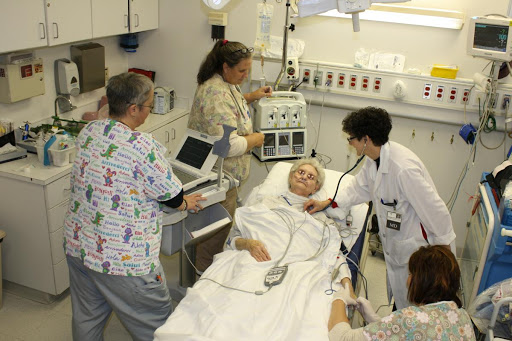
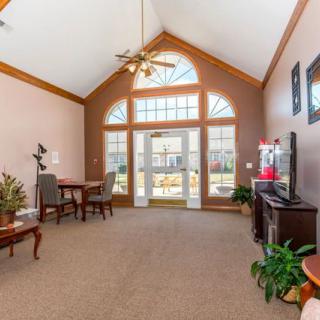
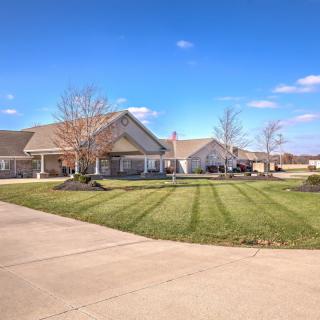
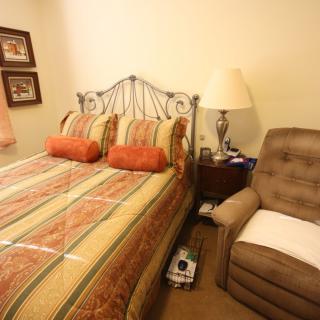
    Fairfield Memorial Hospital in Fairfield, IL is an assisted living community that offers a wide range of amenities and care services to ensure the comfort and well-being of its residents. The community is fully furnished, with each unit equipped with cable or satellite TV, Wi-Fi/high-speed internet, and a small library for leisurely reading. There is also a dining room where delicious meals are served restaurant-style, and a kitchenette available for residents who enjoy cooking their own meals.

    The staff at Fairfield Memorial Hospital provides 24-hour supervision and assistance with activities of daily living such as bathing, dressing, and transfers. They also have experience in managing medication effectively and ensuring that residents follow special dietary restrictions such as diabetes diets. In addition to physical care, the community also prioritizes mental wellness through their mental wellness program.

    Residents at Fairfield Memorial Hospital benefit from various amenities that promote an active lifestyle. Outdoor spaces are available for enjoying nature or engaging in physical activities like gardening. Scheduled daily activities are organized by the community to encourage socialization and engage residents in meaningful interactions. Additionally, the residents themselves run activities, giving them a sense of ownership and empowerment within the community.

    Location-wise, there are several nearby conveniences including cafes, parks, pharmacies, physicians' offices, restaurants, transportation options, places of worship, and another hospital nearby. This ensures that residents can easily access any additional services they may need and indulge in recreational opportunities or spiritual practices.

    Overall, Fairfield Memorial Hospital is an assisted living community that provides a comfortable and enriching environment for seniors looking for assistance with daily tasks while maintaining their independence and enjoying an active lifestyle.

    Nearby Places of Interest

    Physicians

    • Core Physician Resources (0 miles)
    • Southern Illinois Primary Care Associates PC (0 miles)
    • Marion Eye Centers & Optical (0.8 miles)
    • Precision EyeCare Centers (0.8 miles)
    • Southern Illinois Primary Care Associates (17.1 miles)
    • Christopher Rural Health (17.1 miles)
    • Clay Medical Center (20.8 miles)

    Hospitals

    • Fairfield Memorial Hospital (0.1 miles)

    Restaurants

    • Taco Tierra (0.1 miles)
    • Pizza Hut (0.2 miles)
    • Barb Wire Grill (0.2 miles)
    • McDonald's (0.2 miles)
    • Flat Iron Cooking Company (0.3 miles)
    • Subway (0.4 miles)
    • Barb Wire Grill (0.7 miles)

    Places of Worship

    • Church of God (0.2 miles)
    • Assemblies of God (0.2 miles)
    • Community of Christ (0.3 miles)
    • Ellen Moore United Methodist Church (0.4 miles)
    • Wayne County United Methodist Parish (0.4 miles)
    • St Edward Catholic Church (0.5 miles)
    • Church of Christ (0.5 miles)

    Pharmacies

    • CVS Pharmacy (0.3 miles)
    • Shoe Creek Pharmacy (11.9 miles)
    • Rigg FamilyCare Pharmacy (17.1 miles)

    Transportation

    • U-Haul Neighborhood Dealer (0.4 miles)
    • U-Haul Neighborhood Dealer (0.5 miles)
    • U-Haul Neighborhood Dealer (0.7 miles)
    • Ryno Racing (0.7 miles)
    • Farm Air (0.8 miles)
    • U-Haul Neighborhood Dealer (20.8 miles)
    • U-Haul Neighborhood Dealer (20.9 miles)

    Parks

    • Lakeside Park (0.7 miles)
    • Leo French Park (1.1 miles)
    • Sam Dale Lake Ranger & Camper (13 miles)
    • Sam Dale Conservation Area (14.8 miles)
    • Charley Brown Park (20.9 miles)

    Cafes

    • K & M Diner (0.9 miles)
    • Colyer Coffee House (17.2 miles)
    • Tasty Treats (20.8 miles)

    Frequently Asked Questions

    Where is Fairfield Memorial Hospital?
    What photos are available for Fairfield Memorial Hospital in Fairfield, Illinois?

    Nearby Communities

    Skilled Nursing Facility in Nearby Cities

    Related Resources

    • what does the sandwich generation meanUnderstanding the Sandwich Generation: Stress and Responsibilities for Multigenerational Caregivers
      The Sandwich Generation comprises adults managing the dual responsibilities of caring for aging parents and raising children, leading to significant emotional, logistical, and financial challenges. This situation is exacerbated by longer life expectancies and cultural expectations, necessitating effective coping strategies and support resources to alleviate caregiver stress and burnout.

    • assistive devices for elderly8 Essential Assistive Devices for Older Adults

      The article highlights eight essential assistive devices that improve the independence and safety of older adults, addressing issues related to mobility, balance, vision, hearing, and dexterity. It emphasizes the importance of proper selection guided by healthcare professionals to enhance seniors' quality of life while allowing them to age in place.

    • how to pay for nursing homeNavigating the Financial Road to Nursing Home Care: In-Depth Guidance and Resources
      The article offers detailed guidance on the financial complexities of nursing home care, covering costs, payment methods, and alternative funding strategies while emphasizing the importance of proactive planning and legal considerations for individuals and families making care decisions.


    Get Pricing Ask A Question Schedule A Tour Contact Senior Advisor