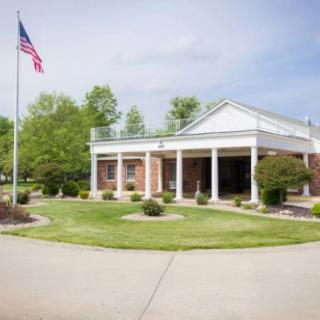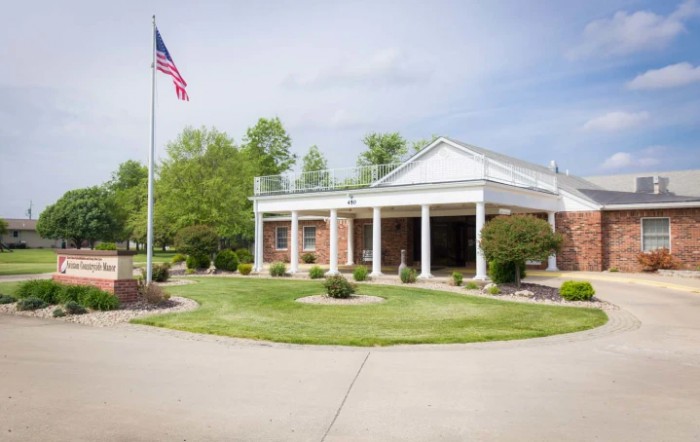



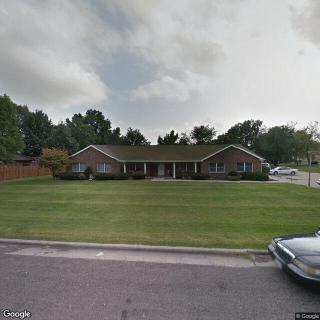
450 West 1St Street, Aviston, IL 62216
For more information about senior living options: (866) 208-4318
Overall Review of Aviston Countryside Manor
Pros
 The staff are caring and attentive, treating residents with love and respect.
- The facility is clean, well-maintained, and run smoothly by thoughtful management.
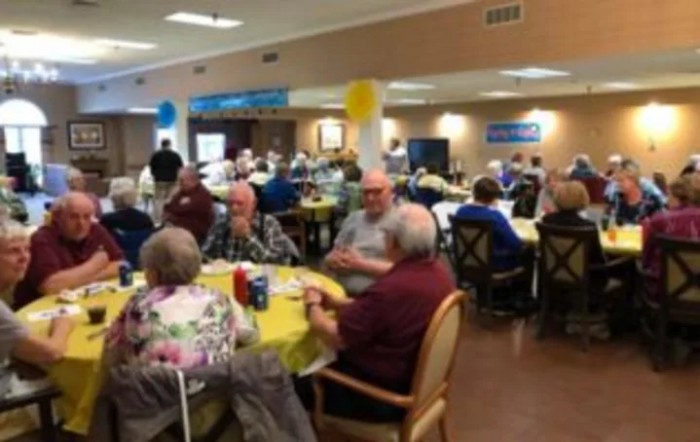
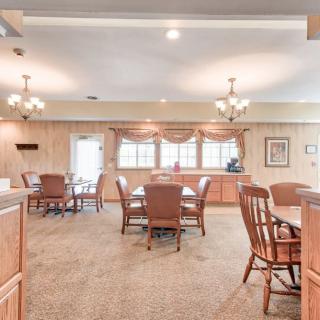
- The dining room is pleasant, with residents praising the quality of the meals.
- The care delivered by CNAs, nurses, and rehab staff is consistently high quality.
- The staff go above and beyond, giving 110% of their time and patience to residents.
- The staff feel like an extended family to residents, forming strong, loving bonds with families.
- The activity director is friendly and helpful, contributing to a positive daily atmosphere.
- The transportation staff are a big help during doctor visits.
Cons
 It used to be a good home, but it does not seem to be anymore.
- The halls smelled of urine, implying residents weren't changed or washed.
- The poor nurses were running around like chickens with their heads cut off, clearly stressed.
- The reviewer is not sure this is the place for her golden years.
Review
Aviston Countryside Manor is best suited for seniors who prize a warm, family-like atmosphere where compassionate care and personal attention are a daily standard. It works particularly well for residents who benefit from strong interpersonal bonds with CNAs and RNs, meaningful rehab potential, and a dining environment that feels like home. Families seeking a place where staff truly becomes an extension of the family will find the most value here, as will those who want solid cleanliness, a well-kept facility, and regular social programming led by an active activities director. Those who cannot tolerate even momentary housekeeping lapses, or who require flawless day-to-day operations with zero staffing strain, should consider alternatives that emphasize stricter operational consistency and laundry-list housekeeping protocols.
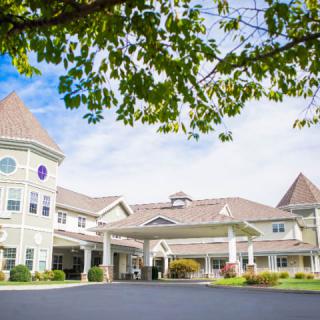
On the plus side, the most persuasive advantages are the people and the day-to-day care. Reviews consistently praise a caring staff that checks in promptly, responds thoughtfully to calls, and delivers care with evident warmth and dedication. Rehab progress is highlighted as a standout in at least one account, signaling real potential for residents needing therapy to regain function. Transportation support and practical help during doctor visits are noted as reliable bonuses. The dining room scene, friendly staff, regular visits by aides, and appealing meals served in a comfortable setting, adds to a sense of dignified living. The overall atmosphere, clean facilities, attentive service, and a management framework that appears to be keeping operations moving, creates a reassuring backdrop for families.
Nevertheless, there are persistent concerns that families should weigh carefully. A visit that described urine odor in the halls points to housekeeping lapses that can erode confidence in daily hygiene. Several testimonials paint a picture of staff under pressure, with rhythms that feel frenzied at times, even while acknowledging that the level of clinical care remains solid. The sentiment that the home “used to be” better and the impression of ongoing management strain contribute to a sense of volatility that can unsettle families during decision moments. These factors don’t erase the warmth or the care, but they do warn that ongoing oversight and proactive communication will be essential to maintaining trust.
Despite the negatives, the core strengths tend to offset the drawbacks for many residents. The most compelling counterpoint is the depth of genuine care, the staff’s willingness to go beyond the call, to treat residents like family, and to stand by families through difficult times. Stories from residents’ family members describe a caregiving culture marked by patience, respect, and consistent reassurance, which translates into a livable, emotionally supportive environment. Cleanliness and dining quality reinforce a sense of normalcy and dignity, while rehab milestones demonstrate that meaningful improvement can occur within this setting. Families should assess whether these human and practical advantages align with their loved one’s values and needs, recognizing that the emotional and social capital may far outweigh occasional operational tensions.
For families who demand near-perfect, day-to-day operational predictability, alternatives may hold more appeal. Those who require minimal odor concerns, ultra-stable staffing, and a consistently smooth administrative rhythm might find other communities deliver greater peace of mind. Prospective residents who value a quieter ambiance in addition to clinical oversight could compare options known for stricter housekeeping metrics or more predictable staffing models. In short, Aviston Countryside Manor excels for families prioritizing heart, connection, and realistic rehab potential; it may be less attractive for those who cannot tolerate even intermittent lapses in housekeeping or who seek a uniformly flawless daily operation across all shifts.
Bottom line: Aviston Countryside Manor offers a practical, heartfelt option where residents experience genuine warmth, strong caregiving, and credible rehabilitation ambition. The defining strengths are the people, the staff who become an extension of family, and the homey feel of meals and social life. The main caveat is the possibility of operational bumps that surface as housekeeping lapses or staff strain, which require proactive engagement from families and ongoing dialogue with management. If this profile aligns with what matters most, proximity to compassionate care, real human connection, and tangible rehab progress, this community earns serious consideration. If not, conduct a broader tour and compare with facilities that emphasize steadier daily operations and tighter housekeeping reliability before deciding.
 97 resident community capacity
 Skilled Nursing Facility
 Air-conditioning
 Beauty salon
 Cable or satellite TV
 Computer center
 Dining room
 Fitness room
 Fully furnished
 Gaming room
 Garden
 Housekeeping services
 Kitchenette
 Move-in coordination
 Outdoor space
 Private bathrooms
 Restaurant-style dining
 Small library
 Telephone
 Wellness center
 Wi-Fi/high-speed internet available
 Community operated transportation
 12-16 hour nursing
 24-hour call system
 Activities of daily living assistance
 Assistance with bathing
 Assistance with dressing
 Assistance with transfers
 Diabetes diet
 Medication management
 Mental wellness program
 Special dietary restrictions
 Concierge services
 Planned day trips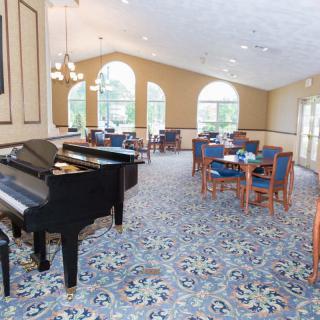



 Understanding the Nuances of Palliative Care and Hospice: A Comprehensive Exploration
 Fecal Incontinence in Older Adults: A Comprehensive Guide
 Recognizing the Journey: Understanding and Navigating Anticipatory Grief