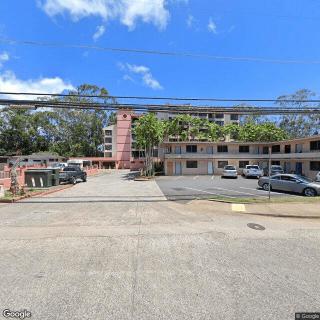
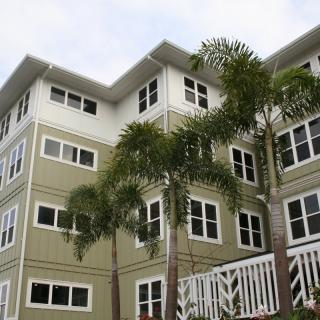
Wahiawa General Hospital is a nursing home community in Wahiawa, HI.
Information last verified:
128 Lehua Street, Wahiawa, HI 96786
For more information about senior living options: (866) 208-4318
3.2 from 117 reviews
5 stars
57
4 stars
6
3 stars
3
2 stars
2
1 stars
49
Overall Review of Wahiawa General Hospital
common2 reviews mention this
Clean rooms are mentioned
Several reviewers say the facility felt clean during their visit.
Some reviewers specifically mention cleanliness, including calling out a clean place and clean rooms and equipment. Other negative reviews focus less on cleanliness and more on wait time, staff behavior, or room comfort, but the clean-experience feedback still shows up more than once.
caveat6 reviews mention this
Staff attentiveness varies a lot
Reviews describe inconsistent attention, with some visits feeling rushed or neglected.
A number of reviewers report delays or limited support while waiting, such as being left for hours without help or feeling that basic needs were not addressed promptly. At the same time, other reviewers describe being checked on frequently and receiving timely updates, which highlights that the experience can swing noticeably from visit to visit.
common10 reviews mention this
Bedside manner and compassion stand out
Many reviewers praise compassionate care and clear communication.
Across multiple reviews, families describe kind, calming interactions and bedside manner that helped them feel more comfortable during stressful ER visits. Several also mention providers explaining steps or listening carefully before making suggestions. A smaller set of reviews take the opposite view, describing dismissive or disrespectful interactions, which further emphasizes the range in experiences.
caveat3 reviews mention this
Security support gets mixed notes
Security staff are sometimes described as helpful, but rules can feel strict.
Some reviewers say security guards were helpful in getting them where they needed to be, and others mention friendly security making them feel supported. One review, however, describes being told to leave while waiting in the rain after discharge, framing it as a negative experience. Overall, security experiences are not uniform, even when medical staff are described positively.
How we summarize
Counts show how many written reviews mention each theme; a review can touch several themes, and only frequently mentioned themes are displayed.
The article highlights the importance of empathy and open communication when comforting someone who is grieving, noting that grief is unique to each individual and emphasizing the need for sincere expressions of condolence, active listening, and ongoing support. It also addresses cultural differences in mourning practices and encourages tailored approaches to provide effective comfort.
Home health care aides provide vital medical and non-medical support to individuals at home, assisting with daily living activities and promoting emotional well-being, while the demand for these services increases due to an aging population. Families benefit from in-home care's flexibility and cost-effectiveness but face challenges like scheduling consistency and caregiver turnover.
Older adults with urinary tract infections (UTIs) often present atypical symptoms, complicating diagnosis due to factors like incomplete bladder emptying and chronic health conditions that increase their susceptibility. Effective management involves prompt treatment with antibiotics, hydration, and preventive strategies while minimizing antibiotic resistance and focusing on holistic care approaches.
Get PricingAsk A QuestionSchedule A TourContact Senior Advisor
By clicking submit, you agree to our Partner's Terms of Use. You
also consent to receive calls and texts, which may be autodialed, from our Partner. Your consent is not a condition to
using our Partner's service. Please visit our Partner's Privacy Policy for information about their privacy practices.

 107 resident community capacity
 Skilled Nursing Facility
 Air-conditioning
 Beauty salon
 Cable or satellite TV
 Computer center
 Dining room
 Fitness room
 Fully furnished
 Gaming room
 Garden
 Housekeeping services
 Kitchenette
 Move-in coordination
 Outdoor space
 Private bathrooms
 Restaurant-style dining
 Small library
 Telephone
 Wellness center
 Wi-Fi/high-speed internet available
 Honolulu International (14 miles away)
 Community operated transportation
 12-16 hour nursing
 24-hour call system
 Activities of daily living assistance
 Assistance with bathing
 Assistance with dressing
 Assistance with transfers
 Diabetes diet
 Medication management
 Mental wellness program
 Special dietary restrictions
 Concierge services
 Planned day trips
 Convenient access to parks, dining, pharmacies, transportation, theaters, and hospitals in a serene setting.

 Compassionate Conversations: How to Comfort Someone Who Is Grieving
 Home Health Care Aides: Understanding Their Role and Supporting Your Family
 Urinary Tract Infections in Older Adults: Comprehensive Insights on Symptoms, Treatment, and Prevention