78-6957 Kamehameha Iii Road, Kailua Kona, HI 96740
For more information about senior living options: (866) 208-4318
Overall Review of Life Care Center Of Kona
Pros
 Morgan is absolutely the best.
- The Life Care Center Kona staff are very efficient.
- The mother greatly appreciated the staff and rehabilitation care she received.
- He loves it there.
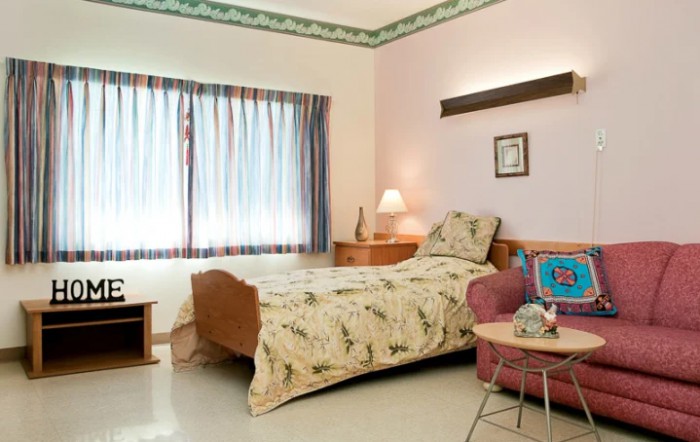
- The facility is clean and nice.
- The physical and occupational therapists were first rate, and the nurses and aides were attentive and caring.
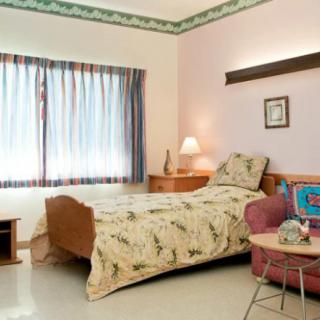
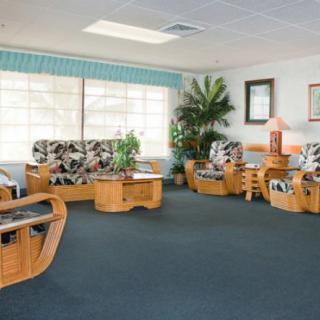
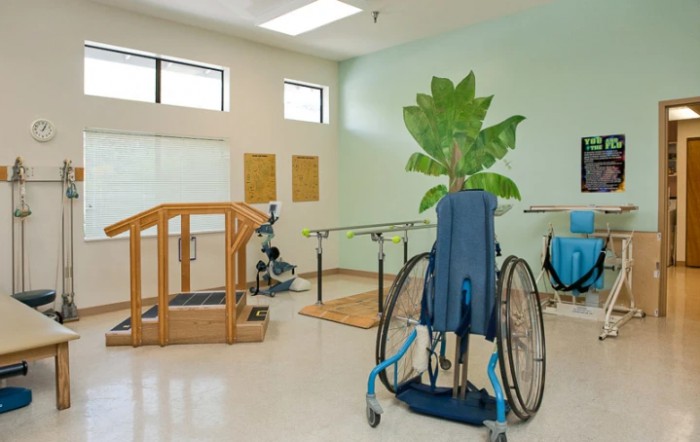
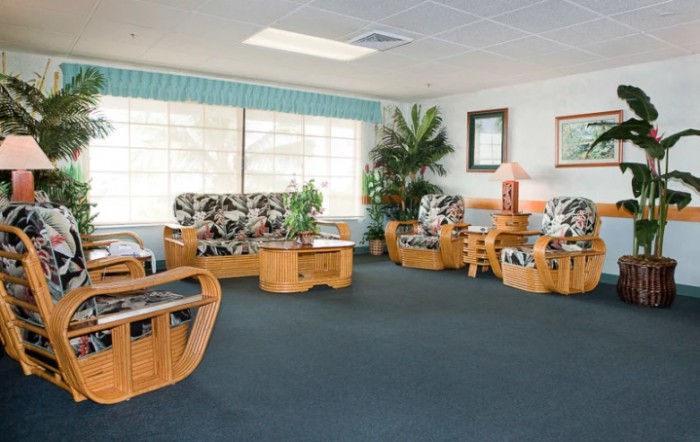
- The building is clean and comfortable, with a bright and cheerful environment and ocean views.
- Life Care Center Kona is a very clean, very friendly, and very nice place.
Cons
 The facility is dangerously understaffed.
- There are frequent delays in response times, with patients waiting over an hour after pressing the call button.
- The competency of some staff members is questionable and their ability to care for critically ill patients is concerning.
- The administration seems to prioritize financial gain over patient care, admitting more patients and stretching resources thin, which compromises quality.
- Communication with families is poor, with many inquiries going unanswered or not followed up after tours or calls.
- One reviewer labeled Life Care Center of Kona the worst facility ever, citing neglect such as being left alone for hours and a preventable fall due to lack of assistance.
Review
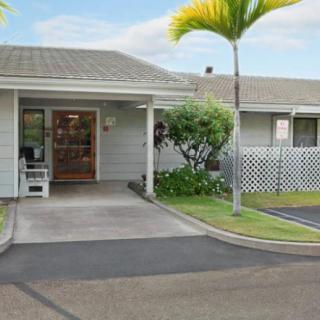
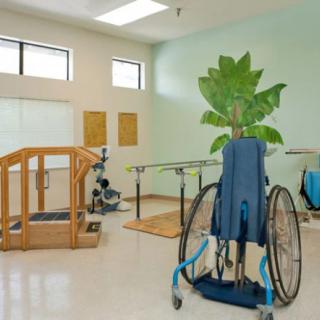
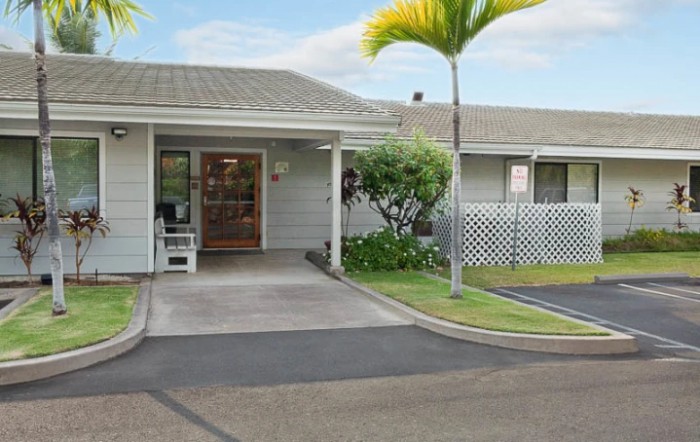
Life Care Center of Kona is best suited for seniors who need post-acute rehabilitation and who value a robust therapy program, a one-story building, and ocean-facing common areas. Families with a loved one recovering from surgery, a stroke, or a serious fall will find a structured environment where physical, occupational, and speech therapies are emphasized, with several reviewers praising measurable progress. The setting, clean, bright, with accessible outdoors and visible activity, supports recovery and mood. However, the facility is not ideal for residents requiring constant, intensive supervision. Understaffing issues create exposure to delays and safety risks. Prospective residents should be prepared for variability in day-to-day attention and for the possibility that staffing gaps could affect response times and consistent care. This is a rehab-centric option that leans on the skill of its clinical team more than on uniform staffing.
Those who may want to consider alternatives include families prioritizing safety through predictable staffing and rapid response. If round-the-clock oversight, flawless communication, and a modern, busier facility with private rooms are non-negotiables, this community may fall short. Several reviews flag admissions and follow-up as weak, and a sense persists that administration sometimes prioritizes occupancy over care. Long-term residents who require steady, high-level assistance beyond rehabilitative goals could encounter gaps. Even with a strong clinical team, the inconsistency in staffing and responsiveness makes it important to tour with specific questions about nurse-to-resident ratios, call-bell response times, and how the center handles urgent needs after admissions. Alternatives may offer stronger guarantees of safety and day-to-day reliability.
On the upside, the core strength lies in the rehab-focused staff. Several patients and families cite exceptional therapy, PT, OT, and speech therapy, that drives meaningful gains, often with therapists who become trusted, daily presences. The building’s cleanliness, the ocean view, and the abundance of activity options, bingo, music, outdoor seating, contribute to a lively, encouraging environment. For many, this translates into tangible improvements and a better mood during recovery. The social fabric matters: the staff, chefs, and laundry crew frequently emerge as part of the care story, indicating real, everyday investment in residents. These positives can offset some downsides when care is stable, but they cannot erase the risk created by persistent staffing shortages.
Reality check comes in the form of response delays and mixed perceptions of care quality. The most alarming feedback centers on slow call-button responses and occasional questions about competency among frontline staff. While some residents thrive under attentive, skilled attention, others report long waits or falls that reveal safety gaps. Families are right to push for a transparent plan: who is assigned to a resident, expected response times, and escalation procedures when urgent needs arise. Prospective residents should verify the availability of dedicated rehab teams, confirm meal plans and dietary accommodations, and insist on a clear, written care plan that ties therapy goals to daily staffing. A thorough on-site observation can reveal whether the reality aligns with the positives.
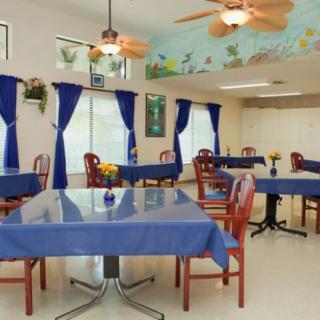
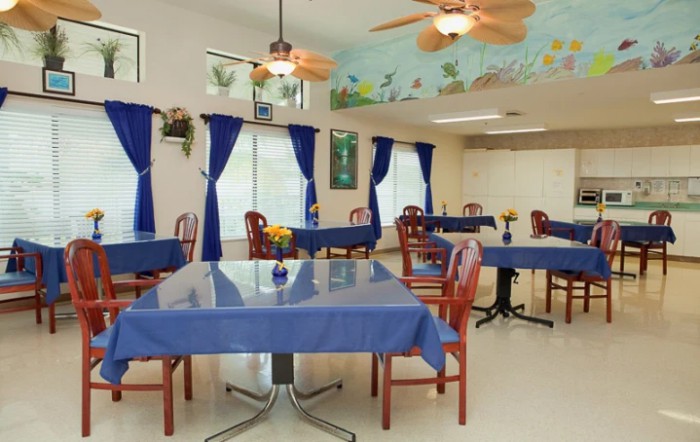
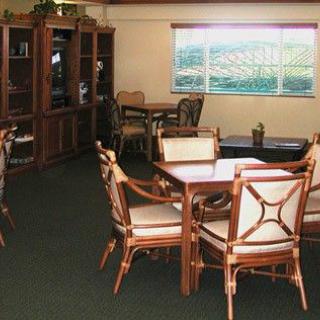
Substantial variation appears in the anecdotes. Some families describe outstanding outcomes after short stays, including near-complete recoveries from strokes and high satisfaction with therapy, nursing attentiveness, and compassionate aides. A trusted tester notes the program’s ocean views and multiple dining areas as meaningful quality-of-life features. Conversely, enduring concerns surface in long-term reviews from families who felt abandoned by inconsistent communication and caregiver shortages, even to the point of safety incidents. These contrasts suggest Life Care Center of Kona can deliver excellent rehab and a pleasant environment, but it is not uniformly reliable as a high-safety, 24/7 care solution. Decision-making must weigh the probability of robust progress against the risk of delayed care.
In practical terms, families should enter with a clear plan: confirm the rehab schedule, request a floor-specific staff contact, and demand measurable response benchmarks. If the priority is strong therapy outcomes and the person thrives in a socially vibrant setting, Life Care Center of Kona can deliver meaningful gains and a pleasant living milieu, especially for post-acute recovery. If steady, predictable staffing and unwavering safety are nonnegotiables, investigations into other local options are warranted. The right approach is to schedule a joint tour, speak with current residents and families, observe a meal, and interview the administrator about staffing policies and what happens when demand spikes. The goal is a decision grounded in reliability as much as recovery.
 94 resident community capacity
 Skilled Nursing Facility
 Air-conditioning
 Beauty salon
 Cable or satellite TV
 Computer center
 Dining room
 Fitness room
 Fully furnished
 Gaming room
 Garden
 Housekeeping services
 Kitchenette
 Move-in coordination
 Outdoor space
 Private bathrooms
 Restaurant-style dining
 Small library
 Telephone
 Wellness center
 Wi-Fi/high-speed internet available
 Kona International At Keahole (13 miles away)
 Community operated transportation
 12-16 hour nursing
 24-hour call system
 Activities of daily living assistance
 Assistance with bathing
 Assistance with dressing
 Assistance with transfers
 Diabetes diet
 Medication management
 Mental wellness program
 Special dietary restrictions
 Concierge services
 Planned day trips
 Skilled Nursing Facilities vs. Nursing Homes: Making Sense of the Differences
 A Detailed Examination of Nursing Home Costs Across the U.S.
 Exploring Nonmedical Home Care: Understanding Services, Costs, and Financial Approaches