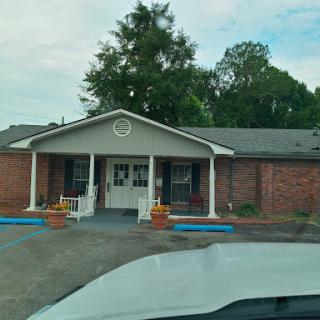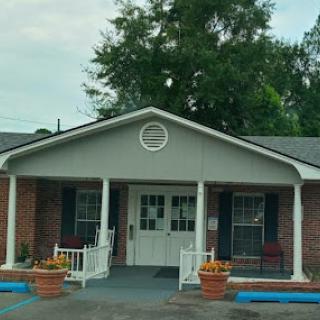
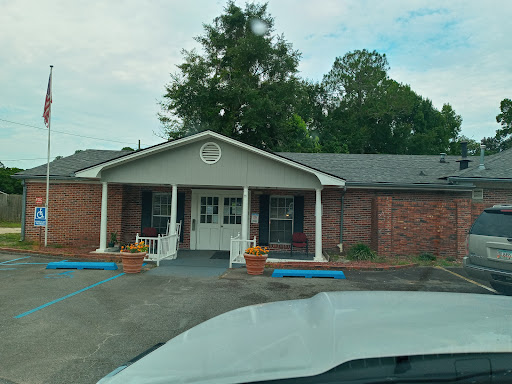
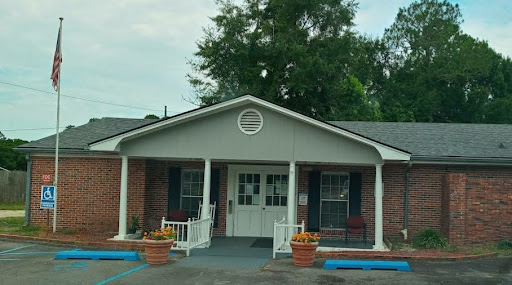
120 Skyline Drive, Thomasville, GA 31757
For more information about senior living options: (866) 208-4318
Overall Review of Thomasville Health & Rehab
Pros
 The staff were very nice and helpful, and the administrative lady was especially kind and helpful.
- The facility has very friendly staff, a clean building, great food, and a great location.
- The Brian Center is secure but not overly secure.
- The Brian Center allows family visits, enabling connections with residents.
- The Brian Center provides a welcoming environment where visitors can talk with residents and brighten their day.
Cons
 Her mother-in-law is at this place and is not being treated right.
- The odor of urine hits visitors on the face when they walk in.
- Incontinent patients are left in dirty diapers all day.
- Her mother developed a diaper rash so terrible that she cried.
- The staff stole her food and other belongings.
- The facility is described as horrible and neglectful, with residents left in wheelchairs all day without timely diaper changes or proper food.
- The reviewer warns others not to send their loved ones there because it is a hospice unit.
Review
Thomasville Health & Rehab in Thomasville, GA is best suited for families seeking a straightforward, affordable skilled-nursing or long-term care option where front-line staff are approachable, meals are reasonable, and the facility’s location is convenient. This community tends to work well for residents who require routine daily support and rehabilitation and for families who want to stay actively involved in oversight. It is not the ideal match for those needing highly medicalized oversight, extensive wound care, or consistently vigilant monitoring of mobility and medical changes, as several reviews flag concerning gaps in care and safety.
People considering alternatives should be aware that the strongest concerns cluster around care quality and safety rather than atmosphere or basic services. Several reviewers describe distressing experiences related to neglect, improper diaper care, and poor response to medical needs. The perception that some residents go untreated, are left in soiled conditions, or receive inconsistent medication management is a recurring theme. For families with loved ones who have significant incontinence needs, wound risk, or complex medical regimens, a facility with clearer, tighter oversight and more reliable diapering and repositioning protocols may be a safer option.
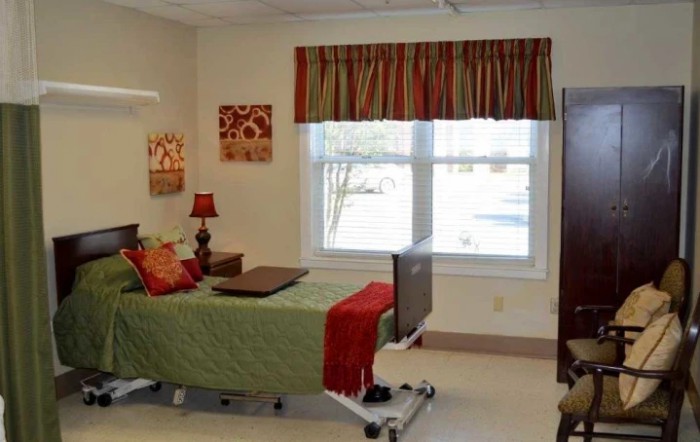
On the plus side, the facility earns points for staff accessibility and a generally pleasant atmosphere. Multiple reviewers praise the personal approach of certain administrators or front-line staff, calling them friendly and helpful, and they note a clean building with good food and a convenient location. These strengths matter: they create a workable everyday environment and can ease family involvement. When care teams are responsive and meals are palatable, they can provide a foundation for decent quality of life even when clinical oversight is uneven.
The principal drawbacks, however, are significant and cannot be ignored. Reports of urine odor upon entry, residents left in dirty diapers for extended periods, and resulting discomfort or injury point to lapses in basic daily care that should not occur in any licensed facility. Allegations of lost personal belongings and food, as well as staff who seem indifferent to residents’ needs, compound concerns about safety and respect. Serious pressure ulcers attributed to prolonged sitting in chairs suggest movement and repositioning protocols may be insufficient. These issues collectively undermine trust and raise the stakes for families evaluating this option.
Balancing the pros and cons requires a clear-eyed plan. For families choosing this community, the prudent path is to prioritize direct observation and verify routines: request to see current care plans, staffing schedules, and recent wound-care or nursing notes; ask about how incontinence is managed and how frequently residents are assisted with transfers and repositioning; and insist on prompt reporting of any changes in health status. If possible, tour during mealtimes and shift changes to witness how care flows in real life. Consider placing a contingency plan in motion should the level of required medical oversight escalate or if patterns of neglect emerge.
Ultimately, the decision hinges on risk tolerance and oversight capacity. This community can work for families that want a warm, approachable staff presence, reliable meals, and a central location, provided these families are prepared to supervise closely and push for accountability. For anyone with high medical needs, a history of incontinence-related complications, or a heightened concern about basic daily care, exploration of stronger oversight facilities or those with a proven track record in wound care and patient safety is advisable. In the current landscape, alternatives that offer firmer clinical governance and transparent care metrics should be seriously considered before committing.
 52 resident community capacity
 Skilled Nursing Facility
 Air-conditioning
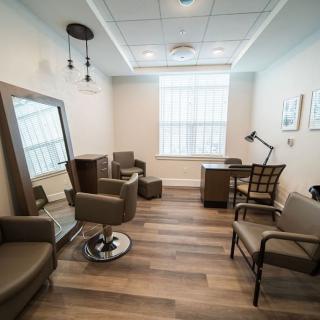
 Beauty salon
 Cable or satellite TV
 Computer center
 Dining room
 Fitness room
 Fully furnished
 Gaming room
 Garden
 Housekeeping services
 Kitchenette
 Move-in coordination
 Outdoor space
 Private bathrooms
 Restaurant-style dining
 Small library
 Telephone
 Wellness center
 Wi-Fi/high-speed internet available
 Community operated transportation
 12-16 hour nursing
 24-hour call system
 Activities of daily living assistance
 Assistance with bathing
 Assistance with dressing
 Assistance with transfers
 Diabetes diet
 Medication management
 Mental wellness program
 Special dietary restrictions
 Concierge services
 Planned day trips






 Comprehensive Approaches for Arthritis: A Detailed Guide to Symptoms, Causes, and Care
 Comprehensive Insights and Practical Strategies to Help Older Adults Avoid Falls
 6 Crucial Ways an Elder Law Attorney Assists Families