
1011 South Green Street, Thomaston, GA 30286
For more information about senior living options: (866) 208-4318
Overall Review of Providence Healthcare
Pros
 The owner and staff have worked to improve Providence, and the care has become noticeably better.
- They took very good care of Mom.
- Tamika and Regina went out of their way to care for Mom.
- The meals delivered to Mom three times a day were very good.
- This facility is much improved from what it used to be.
- The facility smells inviting at the main entrance and is very clean.
- Amy Slinkard went above and beyond to help with needed paperwork, and her kindness and compassion are memorable.
- The nurses are very compassionate.
Cons
 The facility is terrible, with management described as nasty, rude, and careless.
- They witnessed staff discussing an aide having sex with a patient, while a resident’s light stayed on for over 15 minutes.
- Residents were left unbathed, without water or snacks, and many became dehydrated.
- The administration is accused of hiding information about patients’ health and care.
- Providence Nursing Home is described as worse than an '80s horror film by former residents.
- The dayshift staff are criticized for lacking compassion and respect, and CNAs cannot bathe residents properly.
- They advise never to place loved ones there due to neglect and poor care.
Review
Providence Healthcare in Thomaston, GA is best suited for families that can commit to hands-on oversight and are willing to work with a facility that shows uneven day-to-day performance but retains pockets of solid caregiver effort under a management team that asserts it is turning things around. This community may work for relatives who want a modest environment with a domestic, home-like feel and who can engage regularly to monitor basic needs. Those who require constant, high-touch care, such as reliable help with bathing, timely responses to alarms, consistent medical updates, and transparent communication, should consider alternatives. For households with limited availability to supervise or demanding care needs, a more consistently resourced option is advisable.
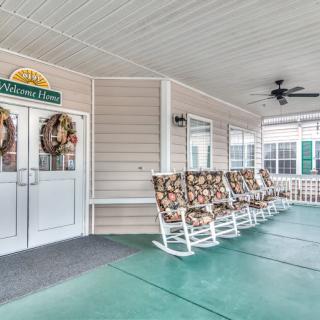
The strongest stratum of positives centers on individual staff members and moments of attentive care. There are references to nurses who went above and beyond, with specific mention of Tamika and Regina delivering dedicated attention to a resident. A handful of families describe improved performance after a new owner and leadership took over, and one visitor praises the building’s entrance, suggesting a warmer, more homelike ambience overall. A responsive business development administrator was cited as particularly helpful in navigating paperwork and coordinating with outside services. Taken together, these notes signal that the facility can deliver decent care when motivated staff are present and oversight is diligent, even if that care is not reliably universal.
The spectrum of negatives is broad and impression-heavy: residents reportedly go long periods without bathing, essential care tasks fall through the cracks, and meals and hydration are inconsistent. Several reviews recount days or even extended hours with a nurse unavailable or unresponsive, and multiple accounts describe soiled conditions or unmet basic needs. Communications lapses are a recurring theme , caregivers and administrators sometimes fail to relay important health information to families or Hospice services, and critical changes in a resident’s condition are not always reported promptly. The atmosphere for residents with serious needs is described by some as inadequate, with stories of dehydration, neglect, and even falls that were not promptly escalated. These are not isolated anecdotes but a pattern that casts a long shadow over day-to-day credibility.
In weighing pros against cons, the positives prove the facility can function as a decent, if imperfect, care setting under certain conditions, yet they do not consistently offset the core concerns. The favorable nursing moments and signs of leadership-driven improvement show that Providence Healthcare has the building blocks for quality care, but the recurrent reports of neglect, inconsistent staffing, and poor communication undermine trust. Families who must rely on steady, predictable care will likely feel more confident elsewhere, while those who can actively supervise and push for rapid responsiveness may find some value in the supportive individual nurses and the potential for improvement under new ownership.
For families actively evaluating Providence, a concrete approach is essential. Schedule multiple visits at different times to observe response times, staff interactions, and the cleanliness of rooms and bathrooms. Request current care plans and daily schedules, and insist on speaking with direct caregivers about ongoing needs and wound or medication management. Probe staffing ratios and turnover, ask how falls are reported and escalated, and verify communication protocols with Hospice or outside clinicians. Bring a trusted oversight partner or advocate to the table to document concerns and ensure follow-through. If transparency and reliable daily care are non-negotiable, use these findings to widen the net to other communities with stronger, steadier track records.
In sum, Providence Healthcare presents a candid blend of potential and peril. It can deliver meaningful moments of compassionate care when staffed by engaged nurses and guided by proactive leadership, yet the persistent, high-visibility concerns around basic hygiene, timely care, and clear communication cannot be dismissed. The decision should hinge on whether a family can commit to vigilant oversight and accept variable day-to-day performance, or whether a more consistently resourced environment is required. For those seeking to minimize risk and maximize dependable care, exploring stronger options is strongly warranted.
 110 resident community capacity
 Skilled Nursing Facility
 Air-conditioning
 Beauty salon
 Cable or satellite TV
 Computer center
 Dining room
 Fitness room
 Fully furnished
 Gaming room
 Garden
 Housekeeping services
 Kitchenette
 Move-in coordination
 Outdoor space
 Private bathrooms
 Restaurant-style dining
 Small library
 Telephone
 Wellness center
 Wi-Fi/high-speed internet available
 Community operated transportation
 12-16 hour nursing
 24-hour call system
 Activities of daily living assistance
 Assistance with bathing
 Assistance with dressing
 Assistance with transfers
 Diabetes diet
 Medication management
 Mental wellness program
 Special dietary restrictions
 Concierge services
 Planned day trips



 Comprehensive Approaches for Arthritis: A Detailed Guide to Symptoms, Causes, and Care
 Comprehensive Insights and Practical Strategies to Help Older Adults Avoid Falls
 6 Crucial Ways an Elder Law Attorney Assists Families