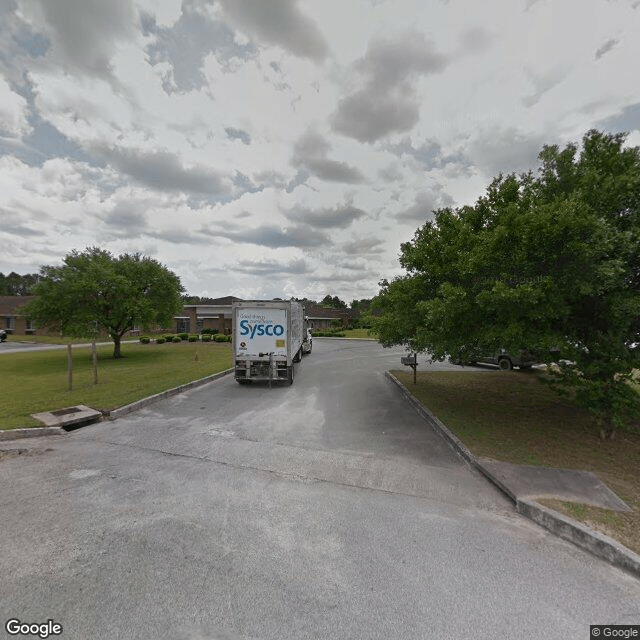
127 Carter St, Richmond Hill, GA 31324
To contact a resident: (912) 756-6131
For more information about senior living options: (866) 208-4318
Overall Review of Bryan County Health & Rehab
Pros
 They are pleased with the facility and the care provided to their sister.
- The newest CNA, Annette Tremble, has been wonderful.
- The staff has always been very friendly and residents are well taken care of.
- They do a lot to keep residents entertained, happy and healthy.
- The facility has provided a good overall experience and takes good care of residents.
- They were very good to her, and the staff is caring with patients and families.
- The nurses and staff show a lot of love for their job and the people who live there.
- The facility is described as a nice, homey place with friendly and caring people.
- Sanitation is good, with daily cleaning, and staff is recommended to other seniors.
Cons
 There has been a lot of turnover.
- It is the worst facility ever.
- The reviewer describes a horrible and upsetting experience with the nursing home, including a death.
- A nurse allegedly cursed at the patient for dropping a diaper.
- Complaints about the nurse were not addressed.
- The reviewer believes a nurse may have killed their relative.
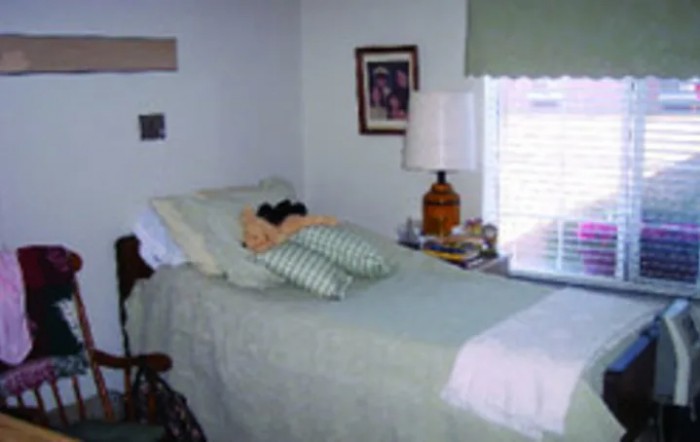
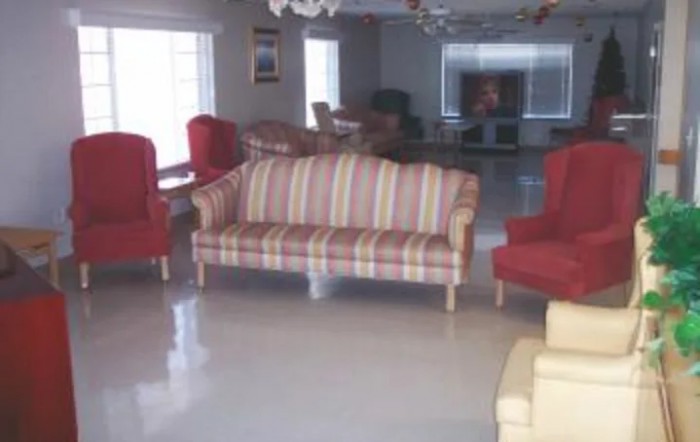
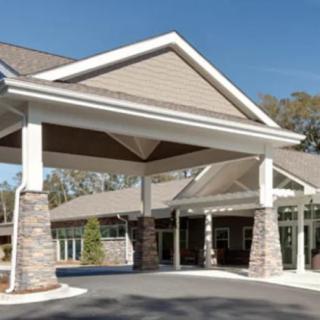
- The interior needs updating.
Review
Bryan County Health & Rehab in Richmond Hill is best suited for families seeking a warm, homey atmosphere where frontline caregivers are felt to be genuinely devoted to residents. The community has a long local footprint, dating back to the mid-1990s, and many residents and families describe it as a approachable, neighborhood-style setting. Those who value personal attention, regular engagement, and a sense of continuity when the right CNA is on duty will find the day-to-day experience reassuring. The trade-offs are real: staffing continuity can be uneven, and the facility’s interior shows its age, which matters to families prioritizing a more updated look and a stable, predictable care rhythm.
Alternatives should be considered by families who will not compromise on consistent staffing or modern amenities. If a nonnegotiable is steady, long-term caregiver relationships across shifts, the risk of frequent turnover here may outweigh the perceived warmth. Families with heightened sensitivity to memory care quality and oversight will want to scrutinize how the Alzheimer’s or memory-care functions are managed, as several reviewers raised concerns about care experiences in the past. For those who must balance cost with predictably high staffing stability and a fresh interior, other options in the area may deliver fewer surprises and a more contemporary environment.
On the plus side, the strongest holdings relate to compassionate, person-centered care when the right staff member is present. Several families report genuinely caring aides and nurses who treat residents with kindness, keep them entertained, and make an effort to sustain a hopeful, engaged daily routine. The anecdote about a standout CNA, someone who clearly made a meaningful difference, illustrates that when stable staffing aligns with attentive, engaged care, residents thrive. Cleanliness and daily sanitation are cited positively, and the facility’s long-standing community presence often translates into familiar, friendly faces for residents and families alike.
Yet the main cons cannot be dismissed. Frequent turnover among CNAs erodes continuity of care and can disrupt established routines and trust, precisely the pattern some families fear most when a loved one relies on consistent hands-on support. A single high-visibility incident or pattern of perceived neglect weighs heavily, because stories of mistreatment or mismanagement, whether fully substantiated or not, surface as cautionary reminders to prospective families. The cost factor is also nontrivial: several reviewers describe the care as expensive, which compounds the impact of any staffing instability or facility aging. Interior updates lag behind newer facilities, a reality that matters to residents and families who value a more modern, comfortable living space.
In practice, assessing Bryan County Health & Rehab requires a focused tour and targeted questions. Prospective residents should ask about current CNA-to-resident ratios, how shifts are staffed, and how turnover is managed day-to-day. Inquire about the memory-care unit’s structure, oversight, and responsiveness to family input, and request candid stories from current residents and recent families. Inspect common areas and resident rooms with an eye for safety, accessibility, and comfort, and probe plans for interior updates or renovations. Finally, demand transparent discussions about cost, what is included, and any potential changes, so expectations stay aligned with reality.
The bottom line is practical and decisive: Bryan County Health & Rehab can deliver a warm, attentive, community-oriented experience for residents whose families are comfortable managing some staffing turnover and a higher-end cost. For families where steadiness of caregivers, a modern interior, and flawless continuity are nonnegotiable, this facility may not meet all expectations and alternatives should be explored. The strongest fit appears to be willing, engaged families who can actively participate in care planning and who prize a home-like vibe, regular engagement, and staff generosity when consistent caregivers are present. A first-hand visit is essential; ask pointed questions, verify recent staffing patterns, and listen for patterns in current residents’ experiences to determine whether this is the right match.
 100 resident community capacity
 Skilled Nursing Facility
 Air-conditioning
 Beauty salon
 Cable or satellite TV
 Computer center
 Dining room
 Fitness room
 Fully furnished
 Gaming room
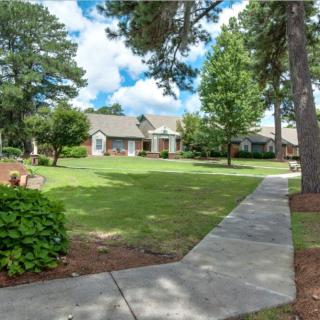
 Garden
 Housekeeping services
 Kitchenette
 Move-in coordination
 Outdoor space
 Private bathrooms
 Restaurant-style dining
 Small library
 Telephone
 Wellness center
 Wi-Fi/high-speed internet available
 Savannah International (14 miles away)
 Community operated transportation
 12-16 hour nursing
 24-hour call system
 Activities of daily living assistance
 Assistance with bathing
 Assistance with dressing
 Assistance with transfers
 Diabetes diet
 Medication management
 Mental wellness program
 Special dietary restrictions
 Concierge services
 Planned day trips


 Highly Beneficial Low-Impact Exercises for Senior Living Residents
 Is In-Home Healthcare Tax Deductible? Your Comprehensive Guide
 Nurturing Well-Being Through Gardening: A Detailed Guide for Senior Enthusiasts