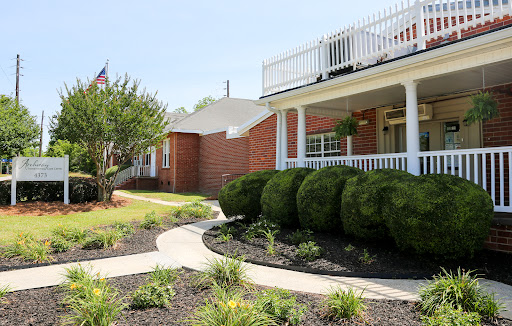
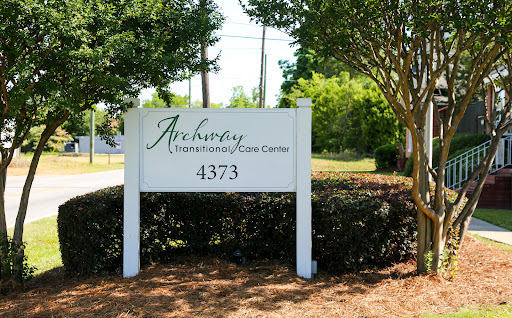


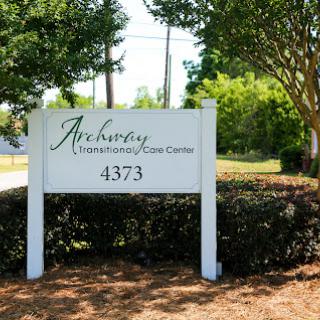
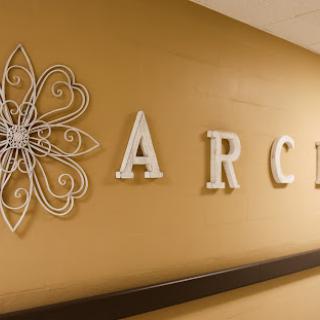

4373 Houston Avenue, Macon, GA 31206
For more information about senior living options: (866) 208-4318
Overall Review of Archway Transitional Care Center
Pros
 The staff provide amazing care and attention.
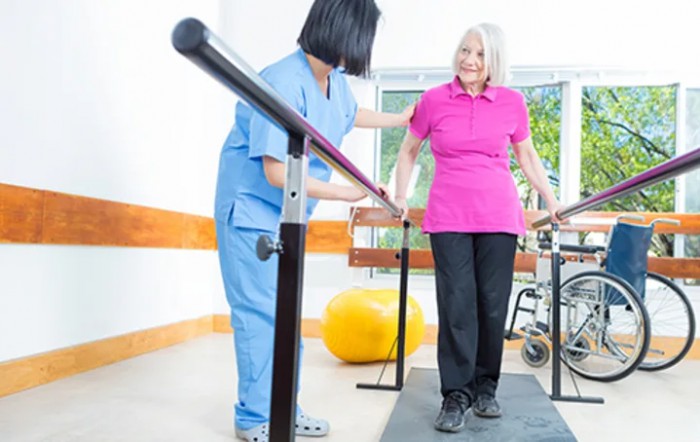
- The therapy team is excellent, very compassionate and caring while getting the job done.
- The staff are great and really took great care of a loved one.
- The staff are very nice.
- Residents are happy here thanks to a safe environment with compassionate and qualified professionals.
Cons
 The CNAs were the rudest the reviewer had ever encountered.
- The staff failed to inform the next of kin about the mother's death.
- The staff sent junk mail instead of important notices.
- Admin Priscilla did not call or send a letter to the next of kin.
- The staff came off as heartless outsiders.
- Staff mistreat residents and take advantage of them.
- Staffing and management were unprofessional.
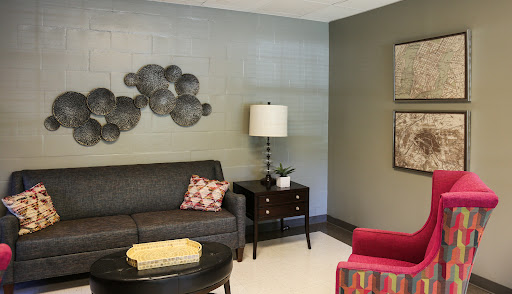
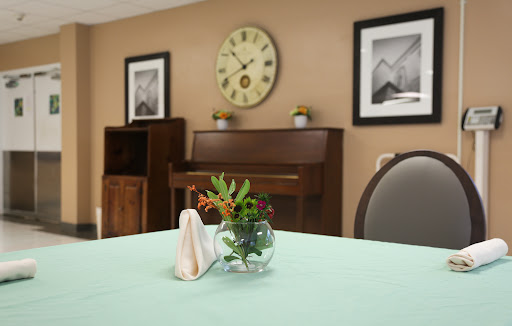
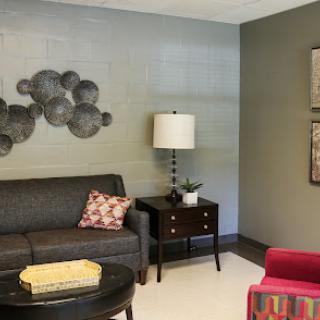
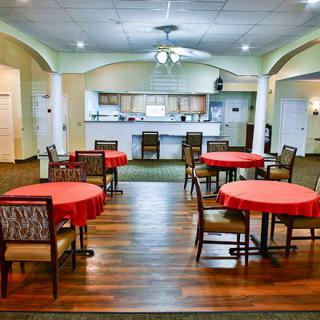
- The facility is older, with locked wards, small rooms, and low-quality furniture.
Review
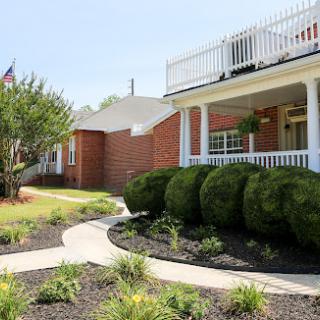
Archway Transitional Care Center in Macon, GA is best suited for families prioritizing a vigorous, therapy-focused post-acute program delivered by attentive frontline staff in an older, homey facility. The clear strength here is the therapy team and the daily care ethos, staff who are repeatedly described as compassionate, dedicated, and capable of getting results in rehabilitation and recovery. For residents who need structured physical, occupational, or speech therapy with consistent hands-on support, this center can deliver meaningful progress and a stable daily routine in a setting that feels familiar to many families.
That said, there are clear reasons to consider alternatives. The facility’s age and physical footprint, including smaller rooms and lower-end furnishings, will matter to families seeking a more modern or spacious living environment. Several reviews raise concerns about staffing consistency and management, and alarm bells are sounded by accounts of rude behavior from some CNAs and at least one troubling claim of mistreatment. In addition, administrative communication gaps, such as delayed or missing notifications to families, create anxieties about oversight and accountability. These factors are not trivial; they shape daily experience and long-term confidence in care.
Despite the drawbacks, the strongest pros can meaningfully offset the main negatives for the right resident. When therapy teams are excellent and direct care feels genuinely thoughtful, recovery timelines can improve and day-to-day comfort rises, even within an older facility. The safety of the environment, coupled with professionals who genuinely appear to care for residents, provides a foundation for trust during a vulnerable period of transition. For families who can actively participate in care planning, monitor interactions, and maintain open lines of communication with staff, the positive aspects, especially the breadth and quality of rehabilitation services, can carry significant weight in making the arrangement work.
However, the cons require careful scrutiny before committing. Allegations of mistreatment or disrespect, whether isolated or systemic, cannot be dismissed, and they demand concrete assurances about staff training, supervision, and incident resolution. Staffing and management appear to be persistent pain points in several accounts, with questions lingering about consistency, morale, and professional boundaries. The older facility footprint compounds these concerns: smaller patient rooms and older furnishings may feel limiting, especially for residents who value a more contemporary ambiance or require more space for mobility aids or family involvement. These issues amplify the importance of transparent governance and proactive oversight.
For families weighing this option, a practical decision framework matters. If rehab goals and a heartfelt care approach are the priority, Archway can be a viable fit, provided there is a clear plan to address staffing reliability and communication. Prospective residents should demand specifics: a stable CNA-to-resident ratio, a defined therapy schedule with measurable goals, and a transparent process for reporting and resolving concerns. Tours should be conducted across shifts to observe interactions first-hand, and conversations with current residents and their families can illuminate real-world dynamics beyond the glossy impression of brochures. Clarify how death or critical updates are communicated, and review policies for safeguarding residents against mistreatment.
In sum, Archway Transitional Care Center offers a solid therapy-driven pathway with genuinely caring frontline staff, which can drive meaningful recovery and daily comfort for the right person. Yet significant caveats around staffing culture, administrative responsiveness, and the facility’s older, smaller-scale environment temper that strength. For families prioritizing modern amenities, large rooms, and consistently polished governance, alternatives may be a safer bet. For others who can blend active oversight with a focus on rehabilitative quality, Archway remains a credible option worth a thorough, discerning evaluation before making a final commitment.
 100 resident community capacity
 Skilled Nursing Facility
 Air-conditioning
 Beauty salon
 Cable or satellite TV
 Computer center
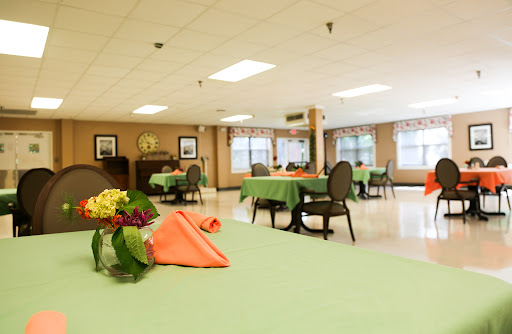
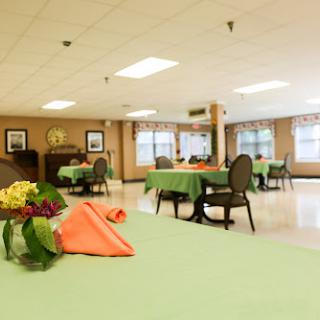
 Dining room
 Fitness room
 Fully furnished
 Gaming room
 Garden
 Housekeeping services
 Kitchenette
 Move-in coordination
 Outdoor space
 Private bathrooms
 Restaurant-style dining
 Small library
 Telephone
 Wellness center
 Wi-Fi/high-speed internet available
 Middle Georgia Regional (6 miles away)
 Community operated transportation
 12-16 hour nursing
 24-hour call system
 Activities of daily living assistance
 Assistance with bathing
 Assistance with dressing
 Assistance with transfers
 Diabetes diet
 Medication management
 Mental wellness program
 Special dietary restrictions
 Concierge services
 Planned day trips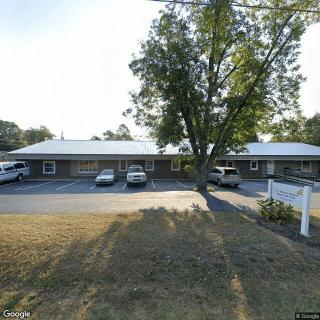




 A Detailed Examination of Nursing Home Costs Across the U.S.
 Exploring Nonmedical Home Care: Understanding Services, Costs, and Financial Approaches
 Engaging Brain Games and Innovative Apps to Keep Senior Minds Active