
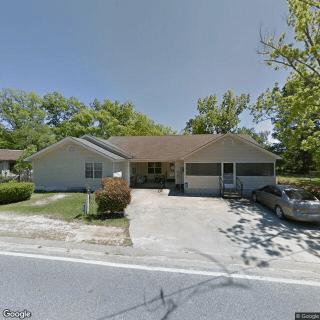
390 Sweat Street, Homerville, GA 31634
For more information about senior living options: (866) 208-4318
Overall Review of River Brook Healthcare Center
Pros
 River Brook’s nursing, therapy, and administrative teams are described as excellent, attentive, and compassionate, addressing residents’ medical, emotional, psychological, social, religious, and nutritional needs.
- The facility is immaculately clean, with spotless bathrooms and well-maintained spaces.
- The food is praised as excellent, and residents are helped to eat at meals and snacks.
- Wound care is reported to be excellent, with very attentive monitoring of changes in health status.
- The business office is well run and ready to handle Medicare issues and everyday concerns.
- Specific staff members, like Thelma and Louise (Rachel and Jennifer), are singled out as outstanding, and the facility is highly recommended.
Cons
 The facility was not clean and offered no privacy; the staff did not seem attentive.
- A roach crawled behind the patient’s head and ants were on the floor.
- The patient was placed in a corner of a three-bed room with no chairs for visitors.
- There were no single rooms available, forcing the hospice patient to share a room.
- The night staff did not check on the patient, and rounds were not performed.
- The nursing staff and administration were poor; belongings were misplaced and help was not timely.
- There was not enough nursing staff to adequately care for residents.
- The patient fell due to lack of bed rails and no nurse nearby.
- The reviewer would not recommend River Brook.
Review
River Brook Healthcare Center in Homerville, GA is best suited for families that prioritize strong clinical oversight, reliable wound care, and a clean, orderly environment in a rural setting. The community tends to work well for residents who need steady nursing attention and therapy services, and for relatives who value hands-on involvement and straightforward daily routines. For seniors who can tolerate a compact, home-like footprint and want to stay close to family, River Brook can feel approachable and practical. Those requiring strict privacy, quiet, or single-occupancy rooms should consider alternatives, as the smaller facility design magnifies the impact of staffing gaps and management changes.
On the positive side, cleanliness and food consistency stand out. Several reviewers describe River Brook as immaculately clean, with a no-odor environment that supports a comfortable daily living experience. The nursing and therapy teams are repeatedly praised for professionalism, compassion, and responsiveness to medical and psychosocial needs. Administration earns respect for guiding families through Medicare processes and for treating residents and their families as partners in care. When functioning smoothly, the facility demonstrates reliable meal support, prompt attention to spills and changes of clothes, and solid wound care, all of which contribute to a higher level of daily well-being.
Yet, meaningful concerns arise with equal emphasis. Night staffing appears insufficient in some shifts, translating into delayed rounds and slower responses. Administrative stability is questioned by reviewers who report turnover in leadership roles, including the director of nursing and social services, which undercuts continuity of care. Privacy issues are not merely theoretical; multi-bed rooms, limited seating for family presence, and a lack of bed rails in some cases undermine comfort and safety. Reports of pests, such as roaches, plus instances of lost belongings and slow communications, further complicate the experience and can erode trust in the overall operation.
The way the positives stack against the negatives matters for decision-making. For families where daytime care is consistently strong and a close-knit staff makes daily differences in nutrition and wound management, River Brook can deliver solid value. A smaller facility can enable more personalized attention when staff are present and engaged, and it can be a practical choice for those prioritizing proximity to home and social familiarity. However, the weight of night-staff gaps, privacy compromises, and administrative volatility cannot be ignored, especially for residents transitioning from hospital care or those in hospice who require a serene, steady environment.
Who should consider alternatives becomes clear through these contrasts. Those needing guaranteed privacy, single-occupancy rooms, or a consistently quiet nighttime atmosphere may find bracingly better options elsewhere. Families seeking steadfast nighttime coverage and predictable leadership will likely prefer facilities with larger staff pools and more stable management teams. If pest control, meticulous room arrangements (rails, linens, privacy, and dedicated seating for family members), and proven accountability are non-negotiables, River Brook warrants careful scrutiny and recent performance data before commitment.
The recommended next step is a thorough, reality-grounded visit focused on critical details. Prospective residents should evaluate current room configurations, night-shift staffing patterns, and whether a stable director of nursing is in place. Inspect typical patient rooms, laundry and supply areas, and verify who drives quality improvements and how concerns are tracked and closed. Engage with dietary services to confirm meal timing and nutritional support, and, if possible, speak with current families about responsiveness and privacy. River Brook can be a solid, practical choice for those who demand clinical capability and cleanliness, provided concrete assurances exist on privacy, night coverage, and administrative stability. If those assurances cannot be sourced, exploring nearby alternatives that balance staffing reliability with room privacy and consistent leadership is strongly advised.
 92 resident community capacity
 Skilled Nursing Facility
 Air-conditioning
 Beauty salon
 Cable or satellite TV
 Computer center
 Fitness room
 Fully furnished
 Gaming room
 Garden
 Housekeeping services
 Kitchenette
 Move-in coordination
 Outdoor space
 Private bathrooms
 Restaurant-style dining
 Small library
 Telephone
 Wellness center
 Wi-Fi/high-speed internet available
 Community operated transportation
 24-hour call system
 Activities of daily living assistance
 Assistance with bathing
 Assistance with dressing
 Assistance with transfers
 Diabetes diet
 Medication management
 Special dietary restrictions
 Concierge services
 Planned day trips



 Comprehensive Approaches for Arthritis: A Detailed Guide to Symptoms, Causes, and Care
 Comprehensive Insights and Practical Strategies to Help Older Adults Avoid Falls
 6 Crucial Ways an Elder Law Attorney Assists Families