

Lynn Haven Health And Rehabilitation in Gray, GA

Save

  • Interior

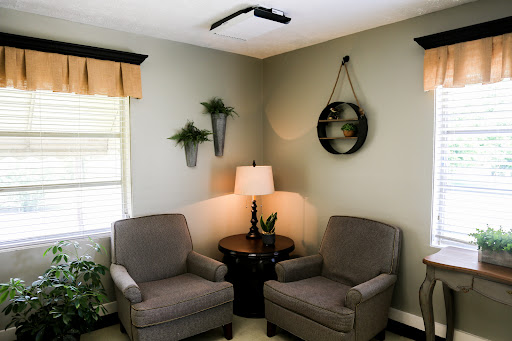
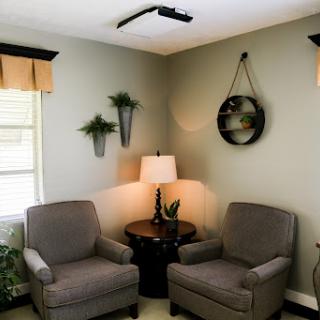
    A cozy seating area in a living room featuring two comfortable chairs, a side table, and decorative plants.
  • Outdoors

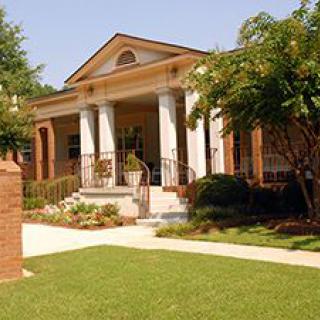
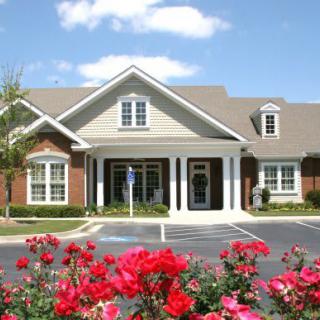
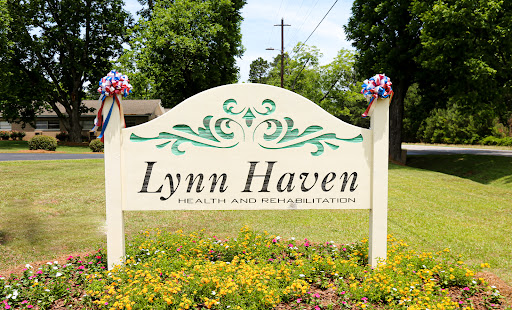
    A welcoming view of the Lynn facility, featuring lush greenery and a prominent sign.
  • Decor

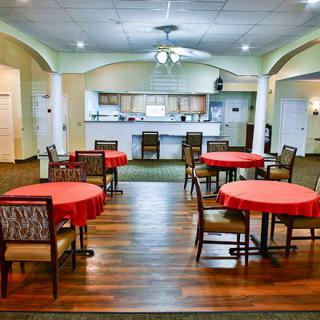
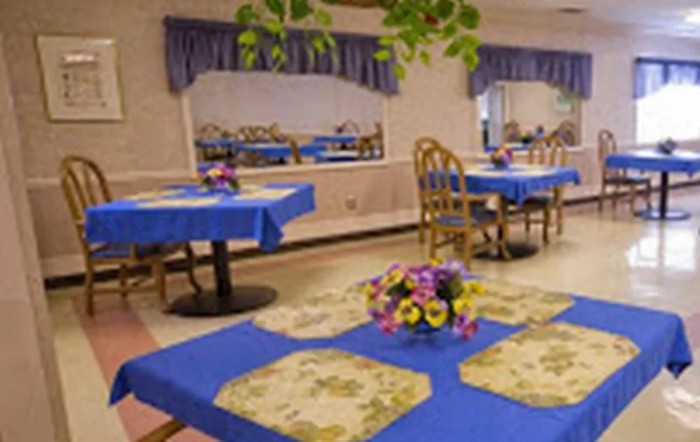
    A cozy dining room with blue tablecloths and floral centerpieces.
  • Living Room

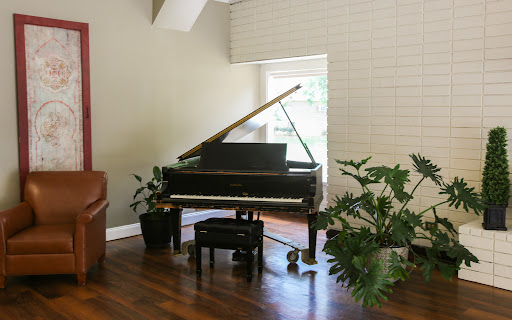
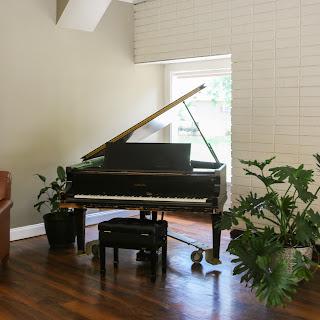
    A grand piano elegantly placed in a bright, plant-adorned living room.
  • Building

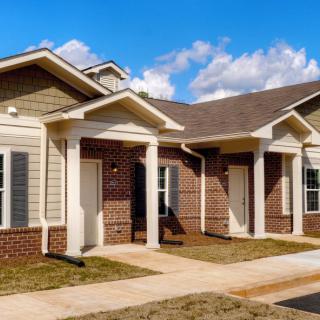
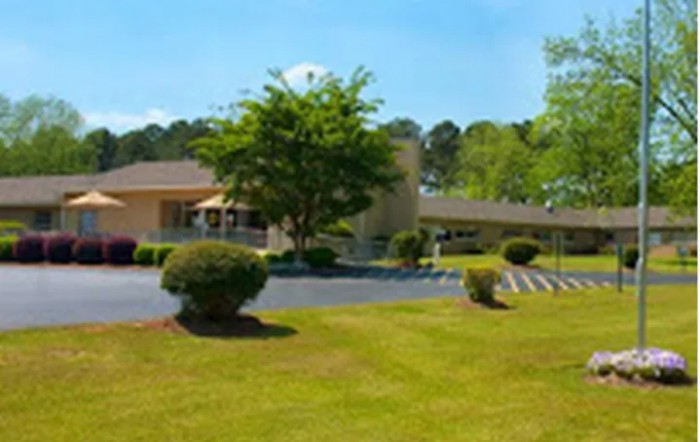
    A sunny day view of a building surrounded by trees with a parking lot in front.
  • Bedroom

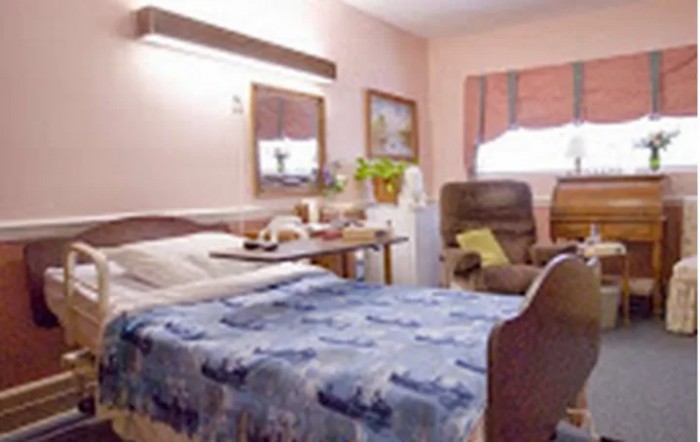
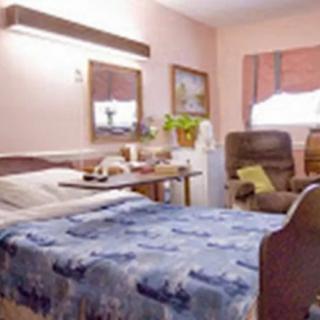
    A hospital room with a bed, chairs, and decorative elements.
  • Windows

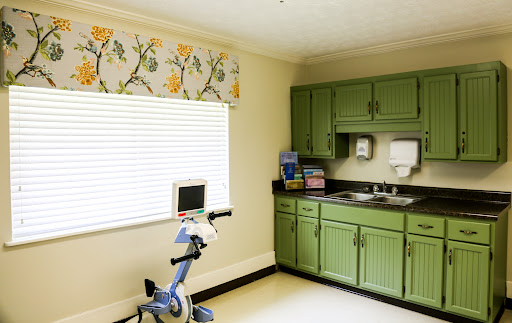
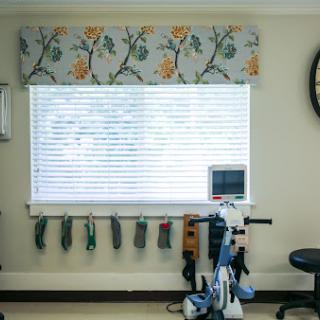
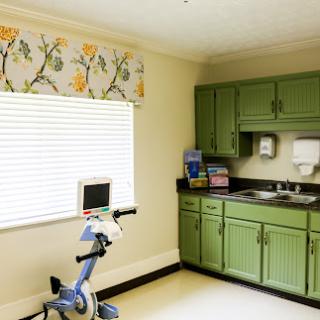
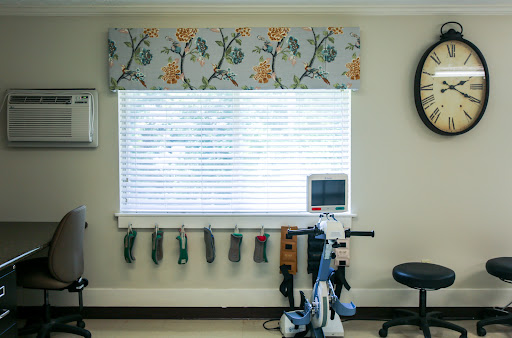
    A well-lit interior space featuring a window adorned with floral valance and exercise equipment arranged nearby.
  • Dining

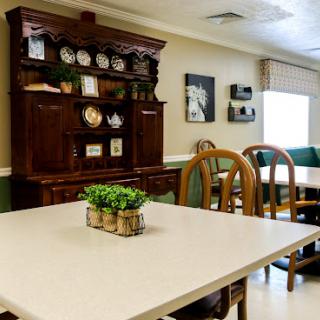
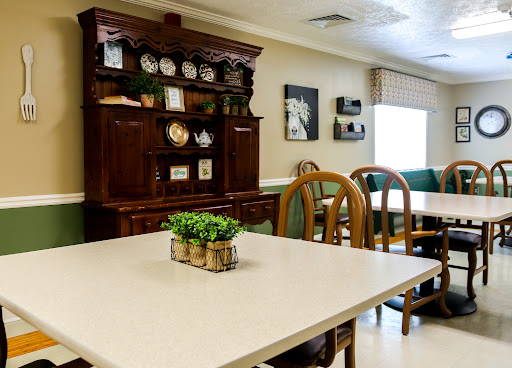
    A cozy dining area featuring a wooden cabinet, a simple table, and comfortable chairs, accented with decorative plants.
  • Landscaping

    Welcome to Lynn Haven, a charming town entrance.
  • Kitchen

    A cozy kitchen featuring green cabinets and a stationary bike, perfect for combining fitness and cooking.
  • Artwork

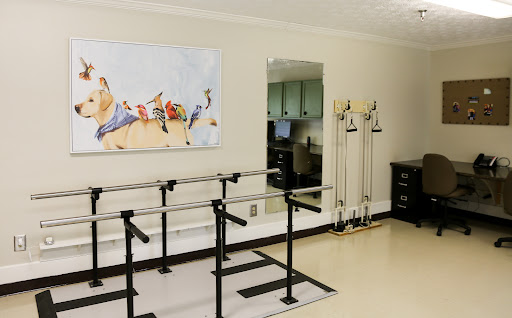
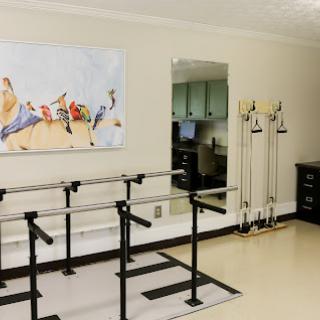
    A rehabilitation therapy room featuring a ballet bar, exercise equipment, and a serene artwork.
  • Seating Area

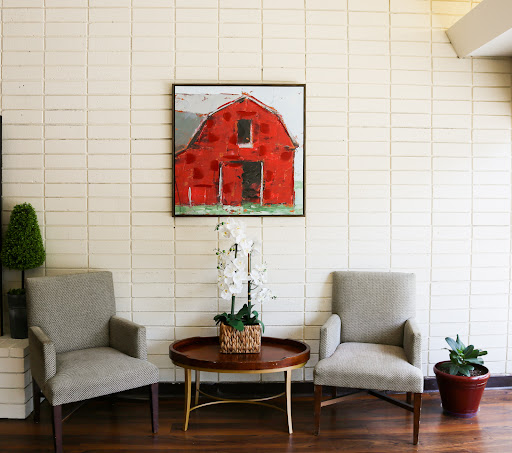
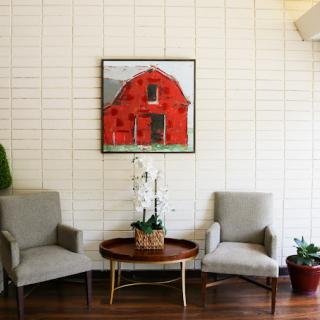
    A cozy seating area featuring a red barn painting, two comfortable chairs, and a round table adorned with greenery.

Lynn Haven Health And Rehabilitation in Gray, GA

Information last verified:

747 Monticello Highway, Gray, GA 31032

For more information about senior living options: (844) 490-3973

4 from 24 reviews
5 stars
16
4 stars
2
3 stars
0
2 stars
1
1 stars
5

Overall Review of Lynn Haven Health And Rehabilitation

Pros

  • pro The staff are very caring and create a home-like atmosphere for residents.
  • pro Lynn Haven has provided wonderful experiences for families since 2014, with residents cared for by attentive staff.
  • pro The care team treats residents like family, giving families peace of mind.
  • pro The staff are compassionate and loving to both patients and their families, often forming genuine friendships.
  • pro The administrator cares deeply about the residents.
  • pro The facility delivers excellent care, including during short-term rehab.
  • pro The center shows compassion and works hard to maintain a high quality of life for residents.

Cons

  • pro The meals delivered to residents here have been awful recently.
  • pro Residents get foods they do not/cannot eat.
  • pro Food does not look appetizing or as it should be.
  • pro The dishwasher has been out and Styrofoam is being used.
  • pro The facility best caters to bed-ridden patients where minimal care is required.
  • pro Nursing care overall is poor.
  • pro She has managed to leave a locked building twice without the family being contacted.
  • pro They constantly receive phone calls about her constant walking because they cannot care for this type of patient.
  • pro What they are told is not always the case, and what they are not told is even worse, with different stories about the same incident.
  • pro The facility has a poor track record, so anyone with loved ones there should look into the care carefully.
  • pro N.H.'s all seem to get a bad rap.

Review

Lynn Haven Health and Rehabilitation in Gray, GA is best suited for families seeking a warm, home‑like environment where caregivers treat residents like family and where inpatient rehab and steady, personal attention are the primary strengths. This community works well for seniors who value continuity of care, have straightforward medical needs, and respond to a culture of compassion over polish. The narrative that emerges from multiple families is one of consistently caring staff, patients who feel seen, and a setting that emphasizes daily life as familiar and comforting rather than clinical or upscale. For those prioritizing a place where staff form long‑standing relationships with residents and their families, Lynn Haven is a practical, reliable choice that tends to deliver solid day‑to‑day caregiving.

That said, certain residents and families will want to consider alternatives. The facility may not be ideal for individuals with complex dementia needs requiring highly secure memory care or aggressive behavioral management. There are concerns raised about wandering risks and the ability to communicate promptly with families in some situations, suggesting that memory‑care–driven or more tightly supervised environments could be a better fit. Additionally, families seeking premium dining, upscale amenities, or cutting‑edge clinical programs may prefer a facility with more elaborate accommodations and more robust specialty services. In short, those with limited tolerance for lapses in dementia containment, or who expect a broader suite of specialized therapies, should compare options carefully.

The strongest positives center on people and daily care. The staff consistently earns praise for warmth, empathy, and genuine attentiveness; caregivers are described as compassionate, capable, and patient, with many families noting they would trust Lynn Haven with their loved one like their own. The sense of home is reinforced by staff who “become your friends” and by administrators who are perceived as genuinely invested in residents’ well‑being. Rehab outcomes are a recurring strength, with families reporting effective inpatient rehab experiences and clinicians who maintain a steady, reassuring presence. Cleanliness and a straightforward, no‑nonsense operating style also come through as reliable, even when the facility isn’t attempting to dazzle on aesthetics. In short, when care matters most, the pros reliably point in a positive direction.

Yet, the record includes notable concerns that cannot be dismissed. A recurring caveat involves the capacity to manage cognitive impairment and wandering risk; at least one family reports a serious lapse in contact after a resident wandered from a locked area, casting doubt on secure handling for certain dementia cases. Other reviewers describe inconsistent nursing performance or broader nursing gaps, reminding that the level of clinical oversight can vary and may not meet every family’s expectations. Meal quality has been cited as a deficiency in some recent instances, with reports of unappealing presentation and service, and even sanitation/operational hiccups such as dishwasher issues and the continued use of Styrofoam ware. These experiences matter, especially for families who prioritize nutrition and consistent daily rhythms as part of ongoing care.

The key pros, genuine, caring staff, a homey atmosphere, and a committed administrator, partially offset the main cons by building trust and reducing the stress of care for many families. The depth of staff familiarity with residents and families contributes to smoother conflict resolution, quicker response times, and a caregiving culture that can soften the emotional burden of placement. The rehab emphasis offers tangible value for those needing post‑hospital recovery, as opposed to facilities that lean heavily on custodial care. The downside is that beliefs about dementia care quality and the reliability of certain nursing services are not uniformly positive, and the gap between expectations (secure, proactive dementia management; consistently high meal standards) and reported experiences can create real risk for residents with complex needs. The presence of an administrator who actively engages with families signals a level of oversight that can translate into steady improvement, but it does not erase the variability highlighted in some reviews.

For families navigating a decision, the recommended approach is practical and targeted. First, visit with a clear checklist: observe interactions between staff and residents, especially with those showing cognitive impairment; request a direct tour of the dementia care capability, including security measures and staff response protocols; ask for recent examples of communication with families and how incidents are escalated. Second, probe the dining and kitchen operations, request a current menu, speak with dietary staff about specialty diets, and assess whether meals meet residents’ preferences and nutritional needs. Third, have candid conversations about staffing, ask about nurse-to-resident ratios, shifts, and how often care plans are reviewed, particularly for rehab patients and those with memory challenges. Finally, compare Lynn Haven with alternatives that offer dedicated memory‑care environments, higher meal quality expectations, or more robust clinical programs. If the priority is a trusted, home‑like setting with strong rehab potential and a caregiving culture, Lynn Haven stands out as a solid, if not flawless, option. If the resident’s needs are highly specialized or demand upscale amenities, a more specialized memory‑care or higher‑tier facility may deliver better alignment.

Features

Housing

  • 104 resident community capacity 104 resident community capacity

Types of Care

  • Skilled Nursing Facility Skilled Nursing FacilitySkilled Nursing Facilities are crucial for seniors as they provide round-the-clock medical care, rehabilitation services, and assistance with daily activities. These facilities ensure that seniors receive the specialized care they need to maintain their health and well-being as they age.

Amenities

  • Air-conditioning Air-conditioningAir conditioning is important for seniors as they are more vulnerable to heat-related illnesses and may have underlying health conditions that make it difficult for them to regulate their body temperature. It helps to keep them comfortable, safe, and healthy in hot weather.
  • Beauty salon Beauty salonBeauty salons are important for seniors because they provide a space for them to feel pampered, socialize, and maintain their personal grooming and hygiene. Regular visits to a beauty salon can help boost seniors' self-esteem and overall well-being.
  • Cable or satellite TV Cable or satellite TVCable or satellite TV is important for seniors because it provides entertainment, news, and companionship, helping to combat loneliness and boredom. It also offers a wide range of programming options tailored to different interests and preferences.
  • Computer center Computer centerA computer center is essential for seniors as it provides access to technology, communication tools, and resources that can enhance their daily lives. It allows them to stay connected with loved ones, engage in online activities, and learn new skills, ultimately promoting socialization and mental stimulation.
  • Dining room Dining roomDining rooms are important for seniors as they provide a space for socialization, connection, and nutritious meals. They offer opportunities for residents to bond over shared meals, foster a sense of community, and promote healthy eating habits. Dining rooms also ensure that seniors have access to well-balanced meals tailored to their dietary needs and preferences.
  • Fitness room Fitness roomHaving a fitness room in a senior living community is essential for seniors to stay active, maintain their physical health, and improve their overall well-being. Regular exercise can help prevent falls, reduce the risk of chronic diseases, and promote mental sharpness. It also provides social opportunities for residents to connect with others and enjoy a sense of community.
  • Fully furnished Fully furnishedFully furnished senior living communities are important for seniors because they provide convenience, comfort, and a hassle-free moving experience. Seniors can easily settle into their new living space without the stress of having to buy and move furniture. This allows them to focus on enjoying their new home and community.
  • Gaming room Gaming roomGaming rooms are important for seniors as they provide a fun and engaging environment for socializing, cognitive stimulation, and physical activity. Games can improve memory, problem-solving skills, and overall mental well-being while fostering friendships and reducing feelings of isolation.
  • Garden GardenGardens are important for seniors as they provide a peaceful and therapeutic environment for relaxation, physical activity, and socialization. Being in nature has been shown to reduce stress, improve mood, and promote overall well-being. Gardens also offer opportunities for seniors to engage in gardening activities, which can improve mobility, flexibility, and cognitive function. Additionally, gardens create a sense of community and connection with others who share a passion for plants and outdoor spaces.
  • Housekeeping services Housekeeping servicesHousekeeping services are important for seniors because they help maintain a clean and safe living environment, promote independence, and reduce the risk of accidents or illnesses. Additionally, having assistance with household chores can alleviate physical strain and allow seniors to focus on other aspects of their well-being.
  • Kitchenette KitchenetteKitchenettes are important for seniors living in senior living communities because they provide the convenience and independence of being able to prepare simple meals and snacks in the comfort of their own living space. This can help promote a sense of autonomy and well-being for seniors, allowing them to maintain some level of control over their dietary choices and daily routines.
  • Move-in coordination Move-in coordinationMove-in coordination is important for seniors because it helps ease the transition into their new living environment. It ensures that all logistics, such as packing, organizing movers, and setting up utilities are taken care of, allowing seniors to focus on settling in and adjusting to their new home. Having a smooth move-in process can alleviate stress and anxiety, making the transition smoother and more enjoyable for seniors.
  • Outdoor space Outdoor spaceOutdoor spaces are important for seniors as they provide opportunities for physical activity, social interaction, exposure to natural light and fresh air, and a sense of connection to nature. Having access to outdoor spaces can improve overall well-being and quality of life for older adults living in senior communities.
  • Private bathrooms Private bathroomsPrivate bathrooms are important for seniors in senior living communities because they provide independence, dignity, and comfort. Having a private bathroom allows seniors to maintain their personal hygiene routines without the need for assistance, promoting a sense of autonomy and privacy. Additionally, private bathrooms help prevent the spread of infections and provide a safe and clean environment for seniors to navigate safely.
  • Restaurant-style dining Restaurant-style diningRestaurant-style dining is important for seniors because it allows them to enjoy delicious, nutritious meals in a social and upscale setting. This enhances their dining experience, promotes healthy eating habits, and fosters socialization with fellow residents, ultimately contributing to their overall well-being and quality of life.
  • Small library Small librarySmall libraries are important for seniors as they provide access to a variety of reading materials, including books, newspapers, and magazines. This can help stimulate their minds, keep them engaged, and provide a sense of community through book clubs and other social activities. Additionally, reading has been shown to improve cognitive function and overall mental well-being in older adults.
  • Telephone TelephoneTelephones are important for seniors as they provide a lifeline for communication with loved ones, emergency services, and healthcare providers. They offer a sense of security and independence, enabling seniors to stay connected and access assistance when needed.
  • Wellness center Wellness centerWellness centers are important for seniors because they offer a variety of programs and services that promote physical, mental, and emotional well-being. These centers provide opportunities for exercise, socialization, education, and relaxation, helping seniors maintain their overall health and quality of life.
  • Wi-Fi/high-speed internet available Wi-Fi/high-speed internet availableWi-Fi/high-speed internet is important for seniors to stay connected with loved ones, access online resources, and participate in virtual activities to combat feelings of loneliness and isolation. It also allows them to easily manage healthcare needs, access entertainment, and engage in lifelong learning opportunities.

Transportation

  • Community operated transportation Community operated transportationCommunity operated transportation is crucial for seniors as it provides them with the means to access essential services, social activities, and medical appointments. It allows seniors to maintain their independence and quality of life by ensuring they can participate in activities outside of their homes. Additionally, community-operated transportation services offer a safe and reliable way for seniors to travel without having to rely on family or friends for assistance.
  • Transportation arrangement Transportation arrangementTransportation arrangements are crucial for seniors as they may face challenges with driving, mobility, or access to public transportation. Having reliable transportation services ensures that seniors can easily attend appointments, social activities, and maintain their independence and quality of life.
  • Transportation arrangement (non-medical) Transportation arrangement (non-medical)Transportation arrangements are essential for seniors as they provide access to essential services, activities, and social interactions outside the home. This service helps maintain independence, mobility, and overall well-being for seniors who may have limited transportation options.
  • Transportation to doctors appointments Transportation to doctors appointmentsTransportation to doctors appointments is crucial for seniors as it ensures they have access to necessary medical care and support, promoting their health and well-being. It allows them to receive timely treatment, monitor existing conditions, and address any new health concerns efficiently. Additionally, transportation services can help seniors maintain their independence and quality of life by enabling them to stay connected with their healthcare providers.

Care Services

  • 12-16 hour nursing 12-16 hour nursing12-16 hour nursing care is crucial for seniors in order to ensure around-the-clock monitoring, timely medication administration, and prompt response to any health concerns or emergencies. This level of care helps to promote the overall well-being and safety of seniors living in senior living communities.
  • 24-hour call system 24-hour call system24-hour call systems are important for seniors because they provide peace of mind and immediate assistance in case of emergencies. This technology ensures that help is always available, promoting safety and security for elderly individuals living alone or in assisted living facilities.
  • 24-hour supervision 24-hour supervision24-hour supervision is important for seniors to ensure their safety, well-being, and access to immediate assistance in case of emergencies or health issues. This constant support provides peace of mind for both seniors and their loved ones, allowing them to age in place with dignity and security.
  • Activities of daily living assistance Activities of daily living assistanceActivities of daily living assistance are important for seniors because they provide essential support with tasks such as eating, bathing, dressing, and mobility. This assistance helps seniors maintain their independence, dignity, and overall quality of life as they age.
  • Assistance with bathing Assistance with bathingAssistance with bathing is crucial for seniors as it helps maintain personal hygiene, prevents infections, and ensures their overall well-being and comfort. It also provides a sense of dignity and independence for seniors who may struggle with this task on their own.
  • Assistance with dressing Assistance with dressingAssistance with dressing is important for seniors because it helps maintain their independence, promotes personal hygiene, prevents accidents and injuries, and improves overall quality of life. This service ensures that seniors can continue to dress comfortably and confidently, despite any physical limitations they may have.
  • Assistance with transfers Assistance with transfersAssistance with transfers is crucial for seniors as it helps prevent falls and injuries, maintains their independence, and ensures they can safely navigate their living environment. It also provides peace of mind for both seniors and their loved ones.
  • Diabetes diet Diabetes dietA diabetes diet is crucial for seniors as it helps manage blood sugar levels, reduce risks of complications, and improve overall health and well-being. By following a balanced and nutritious diet tailored to their specific needs, seniors can better control their diabetes and enhance their quality of life.
  • Meal preparation and service Meal preparation and serviceMeal preparation and service are crucial for seniors as they may have limited mobility or energy to cook nutritious meals. Having access to healthy and convenient food options can ensure they are getting the proper nutrition needed to maintain their overall health and well-being.
  • Medication management Medication managementMedication management is crucial for seniors to ensure they are taking the right medications at the correct dosages and times. This helps prevent adverse drug interactions, reduces the risk of medication errors, and promotes overall health and well-being. Proactive management also allows for adjustments as needed based on changing health conditions or new prescriptions.
  • Mental wellness program Mental wellness programMental wellness programs are essential for seniors as they promote cognitive stimulation, emotional support, and social engagement. These programs help prevent isolation, depression, and cognitive decline, ultimately enhancing the overall quality of life for older adults.
  • Special dietary restrictions Special dietary restrictionsSpecial dietary restrictions are important for seniors because age-related changes in metabolism and health conditions can make it difficult for their bodies to process certain foods. By following a diet tailored to their specific needs, seniors can maintain their overall health and well-being, manage chronic conditions, and reduce the risk of complications such as malnutrition or food interactions with medications.

Dining

  • Diabetes diet Diabetes dietA diabetes diet is crucial for seniors as it helps manage blood sugar levels, reduce risks of complications, and improve overall health and well-being. By following a balanced and nutritious diet tailored to their specific needs, seniors can better control their diabetes and enhance their quality of life.
  • Special dietary restrictions Special dietary restrictionsSpecial dietary restrictions are important for seniors because age-related changes in metabolism and health conditions can make it difficult for their bodies to process certain foods. By following a diet tailored to their specific needs, seniors can maintain their overall health and well-being, manage chronic conditions, and reduce the risk of complications such as malnutrition or food interactions with medications.

Activities

  • Community-sponsored activities Community-sponsored activitiesCommunity-sponsored activities are important for seniors as they provide opportunities for social interaction, mental stimulation, and physical activity. These activities can help improve overall well-being, combat loneliness and isolation, and promote a sense of belonging and purpose among older adults.
  • Concierge services Concierge servicesConcierge services are essential for seniors as they provide assistance with daily tasks and errands, enhance their quality of life by offering convenience and personalized care, and promote a sense of safety and security.
  • Fitness programs Fitness programsFitness programs are crucial for seniors as they help improve strength, flexibility, balance, and overall well-being. Staying active can reduce the risk of chronic diseases, improve mental health, and enhance quality of life in older adults.
  • Planned day trips Planned day tripsPlanned day trips are important for seniors because they offer opportunities for socialization, mental stimulation, and physical activity. They provide a change of scenery and help seniors stay engaged and connected to their community, promoting overall well-being and quality of life.
  • Resident-run activities Resident-run activitiesResident-run activities are important for seniors as they encourage social interaction, creativity, and a sense of autonomy. These activities empower seniors to stay engaged and active in their community while fostering meaningful connections with their peers.
  • Scheduled daily activities Scheduled daily activitiesScheduled daily activities are important for seniors because they provide structure, socialization, mental stimulation, and physical activity. Engaging in regular activities can improve overall well-being and quality of life for seniors living in a community setting.

Description

Lynn Haven Health And Rehabilitation in Gray, GA is a vibrant and luxurious assisted living community that offers a myriad of amenities and comprehensive care services to its residents. Situated in a peaceful neighborhood, our community provides a warm and welcoming atmosphere where seniors can thrive and enjoy their golden years.

Our spacious and fully furnished accommodations offer both comfort and privacy for our residents. Each room features a private bathroom, cable or satellite TV, telephone, and Wi-Fi/high-speed internet access. We also provide housekeeping services to ensure that our residents' living spaces are always clean and tidy.

At Lynn Haven Health And Rehabilitation, we prioritize the well-being of our residents by offering various wellness facilities such as a fitness room, wellness center, and outdoor spaces where they can engage in physical activities and maintain an active lifestyle. Additionally, our beautifully landscaped garden provides a serene environment for relaxation and socialization.

Our dining experience is reminiscent of fine restaurants with restaurant-style dining and delicious meals prepared by our skilled culinary team. We cater to special dietary restrictions such as diabetes diet and offer personalized meal preparation services to meet the unique needs of each resident.

To enhance the social lives of our residents, we offer a plethora of activities including planned day trips, resident-run activities, fitness programs, scheduled daily activities, gaming rooms, small libraries, concierge services, and more. There is never a dull moment at Lynn Haven Health And Rehabilitation!

To ensure the convenience and accessibility of our residents' daily lives outside the community premises, we provide transportation arrangements for non-medical purposes as well as transportation to doctors' appointments. Our community is conveniently located near cafes, pharmacies, physicians' offices, restaurants,and places of worship.

With 24-hour call systems and supervision along with assistance in activities of daily living such as bathing, dressing,and transfers; medication management; mental wellness programs; move-in coordination; and 24-hour care services available if needed, our dedicated staff goes above and beyond to ensure the safety, comfort, and happiness of our residents.

Lynn Haven Health And Rehabilitation is more than just a place to live, it is a community where seniors can thrive and enjoy a worry-free lifestyle while receiving excellent care. Experience the best assisted living has to offer at Lynn Haven Health And Rehabilitation in Gray, GA.

Nearby Places of Interest

Places of Worship

  • Bradley Baptist Church (0.3 miles)
  • First Baptist Church of Gray (3.1 miles)
  • Gray United Methodist Church (3.2 miles)
  • Southern Baptist Convention (3.2 miles)
  • Christ Comm Church of Gray (3.4 miles)
  • Southern Baptist Convention (9.1 miles)
  • St James Ame Church (9.5 miles)

Restaurants

  • El Sombrero (3 miles)
  • Marathon-Hunt Brothers Pizza (3 miles)
  • Krispy Krunchy Chicken (3.1 miles)
  • Huddle House (3.1 miles)
  • Bent Axle (3.1 miles)
  • McDonald's (3.2 miles)
  • Subway (3.3 miles)

Pharmacies

  • Gray Drug Co. (3.1 miles)
  • Hometown Pharmacy (3.1 miles)
  • Medicap Pharmacy (3.1 miles)
  • Walgreens (3.1 miles)
  • Ingles Market (3.2 miles)
  • Kroger Grocery Pickup and Delivery (13 miles)
  • CVS Pharmacy (13.3 miles)

Physicians

  • Gray Family Health (3.1 miles)
  • Dermatologic Surgery Specialist (3.1 miles)
  • Gray Family Health (3.5 miles)
  • Georgia Pain & Behavioral Medicine (3.8 miles)
  • Colorectal Surgery Associates (12.4 miles)
  • Vascular & Interventional Radiology Associates (12.4 miles)
  • Macon Oral & Maxillofacial Surgery PC (12.4 miles)

Cafes

  • Peet's Coffee and Tea (3.2 miles)
  • Chevys Cafe (11.7 miles)
  • Starbucks (12.8 miles)
  • Panera Bread (13 miles)

Parks

  • Jones County Park (5 miles)

Transportation

  • U-Haul Neighborhood Dealer (11.1 miles)
  • Groome Transportation (12.5 miles)

Hospitals

  • Lake Bridge Behavioral Health System (12.9 miles)

Frequently Asked Questions

Where is Lynn Haven Health And Rehabilitation?
What photos are available for Lynn Haven Health And Rehabilitation in Gray, Georgia?

Nearby Communities

  • Evan's Personal Care Home

    Evan's Personal Care Home

    Gray, GA


    pro Small, intimate setting enables highly personalized care and close-knit living.

  • Stone Brooke Suites

    Stone Brooke Suites

    Gray, GA

    4.6 from 7 reviews
    $3,517 / month

    pro Caring staff, good meals, and engaging activities in a clean, secure facility.

  • Water Tower Park Senior Village

    Water Tower Park Senior Village

    Gray, GA

    2.8 from 22 reviews
    $548 / month

    pro Clean grounds, friendly staff, and affordable two-bedroom option with on-site amenities.

  • Brookwood 1

    Brookwood 1

    Gray, GA

    5 from 2 reviews
     

    pro Comprehensive assisted living with meals, medication management, transportation, and daily activities.

  • Autumn Lane Health And Rehabilitation

    Autumn Lane Health And Rehabilitation

    Gray, GA

    4.2 from 19 reviews
     

    pro Wide range of on-site care and amenities, including 24/7 supervision, diabetes-friendly dining, transportation, and wellness options.

  • Creative Growth II

    Creative Growth II

    Haddock, GA


    pro Fully furnished rooms with 24/7 supervision, meals, and a mental wellness program.

  • Madison Heights at Prado

    Madison Heights at Prado

    Macon, GA

    4.3 from 51 reviews
    $3,600 to $4,650 / month

    pro Strong staff communication and engaging, home-like environment.

  • Holiday Pinegate

    Holiday Pinegate

    Macon, GA

    4.5 from 174 reviews
    $2,229 to $2,739 / month

    pro Friendly staff and a strong sense of community with engaging activities.

  • The Gables at Wolf Creek

    The Gables at Wolf Creek

    Macon, GA

    4.9 from 30 reviews
    $2,750 to $2,795 / month

Related Resources

  • home health nurseExploring the World of Home Health Nurses: Qualifications, Roles, and Hiring Tips

    Home health nursing is an expanding field where licensed professionals provide specialized medical care in patients' homes, addressing the needs of an aging population through personalized services like assessments and medication management. Effective collaboration with healthcare teams, cultural sensitivity, and quality assurance measures are essential for fostering trust and ensuring positive patient outcomes.

  • does medicare cover home health careNavigating Medicare Coverage for In-Home Care Services

    Medicare covers in-home health care services, which are medical and provided by licensed professionals under a physician's supervision, whereas non-medical personal assistance is generally not covered unless part of a broader skilled care plan. Eligibility for benefits depends on being homebound and needing intermittent skilled services from a Medicare-certified agency, with specific coverage limitations and additional resources available for navigating options.

  • how much does private home care cost per hourIn-Home Care Costs in 2025: A Detailed State-by-State Exploration
    In-home care is increasingly sought after by older adults for maintaining independence, with average private home care rates in 2025 varying by state and service type, reflecting geographical and local labor market influences. As demand rises, families are considering funding options like Medicaid waivers and long-term care insurance to manage costs effectively while ensuring quality care.