
434 Beall Springs Road, Gibson, GA 30810
For more information about senior living options: (866) 208-4318
Overall Review of Gibson Health And Rehabilitation
Pros
 The nursing center is top notch.
- Visitors feel comfortable from the moment they walk in.
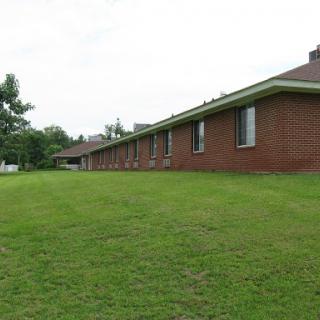
- The outside and inside are clean and smell clean.
- Friendly staff greet visitors at the entrance with smiling faces.
- Her mother's admission was a smooth transition.
- Every department manager was very attentive.
- They all came, introduced themselves, and offered assistance.
- They are still meeting her needs and expectations.
- The staff are very good and show compassion, loving the residents dearly.
- People would recommend the facility to anyone.
Review
Gibson Health and Rehabilitation is best suited for seniors who require skilled nursing care and post-acute rehabilitation, and for families that place a premium on a clean, orderly environment and a warm, welcoming admission experience. The one detailed account paints a picture of a facility where both the building and the people feel cared for from the moment of arrival. The exterior and interior are described as clean and pleasantly scented, and front-office staff greet visitors with genuine smiles. That first impression matters, because smooth transitions into care set the stage for ongoing satisfaction, and in this case the experience of admission is highlighted as seamless and attentive across departments.
For families weighing alternatives, this center may be less compelling if the primary need centers on highly specialized memory care, aggressive or intensive therapy regimens, or the most upscale amenities available. If a loved one requires a tightly integrated memory program, cutting-edge rehab protocols, or a setting with broader social programming beyond traditional nursing care, it would be prudent to explore facilities that emphasize those strengths. Likewise, cost considerations or a preference for a more independent living atmosphere, distinct from a post-acute or long-term skilled-nursing model, could tilt decision-making toward different communities that align more closely with budget and lifestyle goals.
The strongest pro, its evident commitment to cleanliness and a welcoming atmosphere, does substantial work offset potential drawbacks in this particular case. Cleanliness is not a mere baseline: it feeds trust that residents live in a hygienic, well-maintained space, which can influence comfort, appetite, and overall well-being. Coupled with consistently friendly, compassionate staff and a management mindset that takes ownership of needs and expectations, these factors collectively reduce common concerns about impersonal care settings or disjointed service. When admissions are described as smooth and department managers are proactive in introductions and support, families gain a tangible sense of continuity and accountability that can ease anxiety about the transition.
Another clear pro is the visible investment in relationship-building between staff and residents. The reviewers note that the staff “care for the residents dearly” and that managers personally introduce themselves and offer assistance. That level of attentiveness tends to correlate with better daily routines, more timely responses, and a culture where residents feel known and valued. For families, this reduces the guesswork around who handles what and how concerns will be addressed, which often translates into fewer worry-filled days during the early weeks and a greater likelihood of steady progress in rehab goals or ongoing medical care.
In weighing pros against potential cons, the absence of explicit negative feedback in the available account matters, but it cannot stand in for a full due-diligence process. Prospective residents should still verify key operational realities: current therapy staffing levels and schedules, daily activity and dining routines, visitation policies, and the financial terms that impact long-term affordability. It is reasonable to ask for recent therapy progress notes, meet the rehab team, and request to speak with current residents or families about continuity of care over time. These checks help ensure that the positive impressions translate into sustainable, day-to-day reliability.
Ultimately, Gibson Health and Rehabilitation represents a robust option for families prioritizing a clean, orderly setting paired with a compassionate, engaged staff and a smooth entry into care. It stands as a credible choice for post-acute recovery and ongoing skilled nursing when the priority is steady, attentive caregiving and a reassuring environment. Those with needs that extend beyond standard nursing care, such as intensive cognition-focused programming or very high therapy intensity, may want to compare centers with stronger memory-care ecosystems or more aggressive rehab offerings. For most families seeking reliable, resident-centered care with proven warmth and practicality, this community warrants serious consideration and a direct, in-depth tour to confirm fit.
 104 resident community capacity
 Skilled Nursing Facility
 Air-conditioning
 Beauty salon
 Cable or satellite TV
 Computer center
 Dining room
 Fitness room
 Fully furnished
 Gaming room
 Garden
 Housekeeping services
 Kitchenette
 Move-in coordination
 Outdoor space
 Private bathrooms
 Restaurant-style dining
 Small library
 Telephone
 Wellness center
 Wi-Fi/high-speed internet available
 Community operated transportation
 12-16 hour nursing
 24-hour call system
 Activities of daily living assistance
 Assistance with bathing
 Assistance with dressing
 Assistance with transfers
 Diabetes diet
 Medication management
 Mental wellness program
 Special dietary restrictions
 Concierge services
 Planned day trips





 Navigating the Tax Landscape of Caregiving: Credits, Deductions, and Beyond
 Highly Beneficial Low-Impact Exercises for Senior Living Residents
 Is In-Home Healthcare Tax Deductible? Your Comprehensive Guide