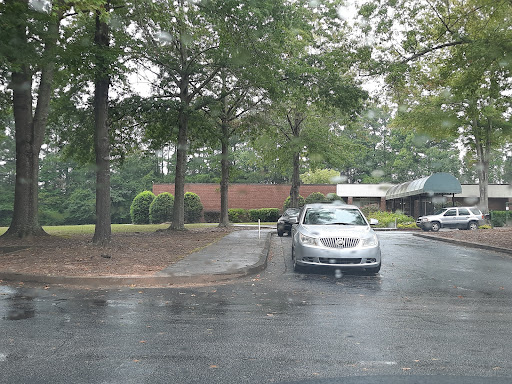
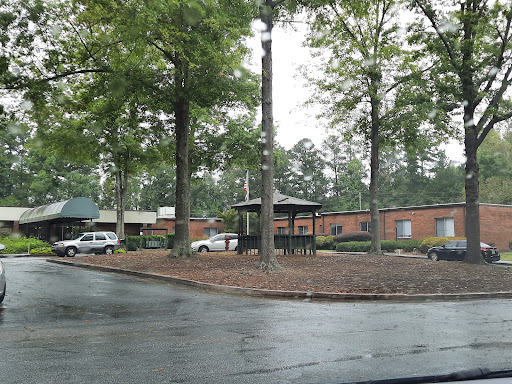
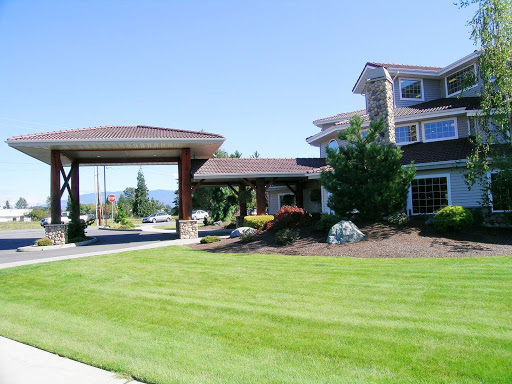
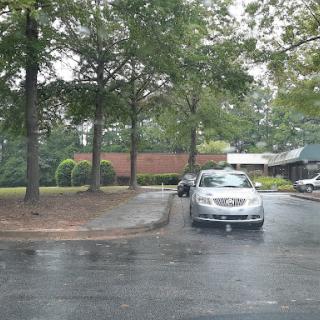
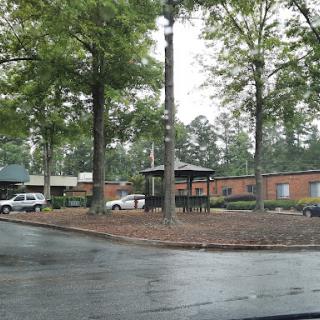
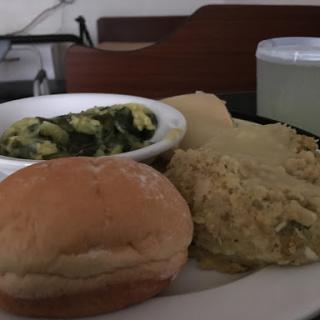
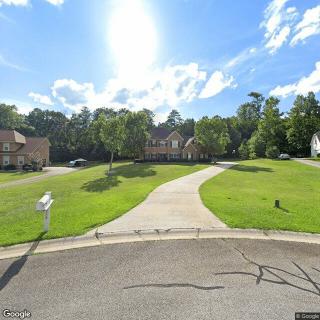
178 West Campbellton Street, Fairburn, GA 30213
For more information about senior living options: (866) 208-4318
Overall Review of Fairburn Health Care Center
Pros
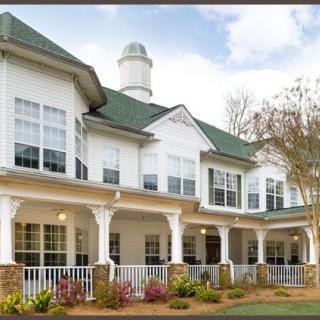
 The facility’s presentation, cleanliness, and caring staff make it a model choice for an elderly family member.
- The environment is welcoming, with residents up and about and socializing rather than being neglected.
- The rehabilitation therapy is proactive, with one-on-one sessions that help patients regain mobility and independence.
- The staff are very nice and treat residents like family.
- The center challenges negative stereotypes about nursing homes by offering a clean, active, and supportive atmosphere.
Cons
 The reviewer disliked that dementia and Alzheimer's patients were segregated, exposing them only to others with dementia.
- The reviewer found the layout unappealing and the environment depressing, not a happy atmosphere.
- The reviewer noted it was less interactive than another facility.
Review
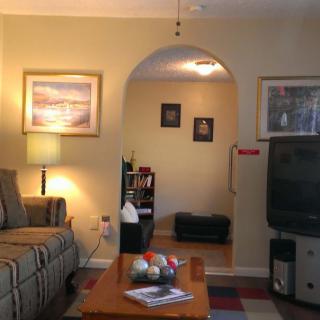
Fairburn Health Care Center is best suited for seniors who need focused rehabilitation with a dependable, warm caregiving culture and are aiming to regain independence quickly enough to return home. The community excels when a family is seeking a clean, respectful environment where staff are genuinely caring, residents are presented without the typical nursing-home gloom, and therapy is prioritized as a path back to daily living. It works well for families who want a tangible, time-bound rehab plan backed by attentive one-on-one therapy and a home-like atmosphere rather than a hospital-like feel.
The strongest draws are evident in presentation, cleanliness, and the people who populate the floor. Reviewers consistently highlight a welcoming, low-odor, well-kept environment and the absence of aggression or tension on the premises. A notable emphasis is placed on the therapy program: therapy begins promptly after admission, and staff members engage residents individually to restore mobility and independence. In one case, a mother's rehab-to-home journey spanned roughly 20 days with steady progress and a clear pathway back to prior functioning. The phrase that recurs is “they treat them like family,” underscoring a level of personal attention that often tips the scale for families weighing short-term rehab options.
At the same time, families should recognize who may want alternatives. One reviewer critiqued the campus for segregating dementia or Alzheimer’s residents, with those residents largely interacting only with peers facing similar cognitive challenges. For a senior who thrives on broad social engagement or for a loved one who requires less restricted movement and a more integrated social environment, this separation can feel limiting. Additionally, the overall atmosphere in that critique was described as less bright or even depressing in layout, and the online sense of energy wasn’t as high as other facilities the reviewer visited. Those concerns matter when daily life is not just about therapy, but about sustained mood, engagement, and a sense of community.
The key pros offset these potential drawbacks in a practical, outcomes-focused way. The cornerstone is robust rehabilitation: rapid, individualized therapy that powers meaningful mobility gains and, in many cases, a return home within weeks. Cleanliness and a consistently warm staff presence help maintain momentum and reduce anxiety, turning what can feel like a clinical process into a supportive, family-like experience. Even where memory-care dynamics are described as more sealed or less interactive, the facility’s strengths in therapy and daily care still provide meaningful value for families prioritizing recovery goals and a nurturing overall environment.
For decision-making, this is a facility that shines for short-term rehab or post-acute recovery with the objective of returning home. It also suits long-term residents who prize a polished, inviting setting and consistent staff warmth, provided the resident does not require an intensely integrated memory-care milieu. Those prioritizing wide-ranging social programming for residents with dementia may wish to compare other communities that emphasize resident-to-resident interaction across memory-care wings and a more open, lively atmosphere.
In closing, families evaluating Fairburn Health Care Center should verify three essentials: first, confirm the availability and cadence of one-on-one therapy and progress expectations for their loved one’s specific condition; second, assess how dementia or Alzheimer’s care is structured day-to-day, including opportunities for socialization beyond a secure unit if needed; and third, walk the floor with a critical eye on cleanliness, noise level, and the overall mood of residents and staff. With its proven rehab focus, clean and caring environment, and a culture that treats residents like family, Fairburn Health Care Center is a strong choice for those whose priority is getting back to independence swiftly, while recognizing that a broader, more interactive memory-care environment may steer some families toward alternatives.
 120 resident community capacity
 Skilled Nursing Facility
 Air-conditioning
 Beauty salon
 Cable or satellite TV
 Computer center
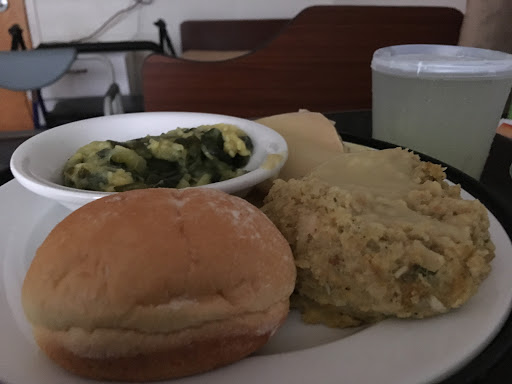
 Dining room
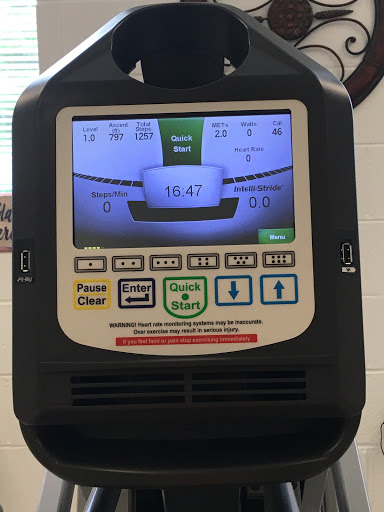
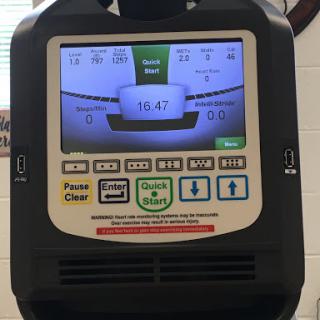
 Fitness room
 Fully furnished
 Gaming room
 Garden
 Housekeeping services
 Kitchenette
 Move-in coordination
 Outdoor space
 Private bathrooms
 Restaurant-style dining
 Small library
 Telephone
 Wellness center
 Wi-Fi/high-speed internet available
 William B Hartsfield-Atlanta International (10 miles away)
 Community operated transportation
 12-16 hour nursing
 24-hour call system
 Activities of daily living assistance
 Assistance with bathing
 Assistance with dressing
 Assistance with transfers
 Diabetes diet
 Medication management
 Mental wellness program
 Special dietary restrictions
 Concierge services
 Planned day trips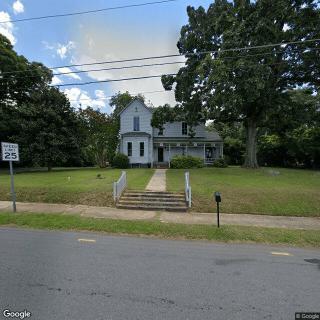



 Comprehensive Insights and Practical Strategies to Help Older Adults Avoid Falls
 6 Crucial Ways an Elder Law Attorney Assists Families
 Navigating the Tax Landscape of Caregiving: Credits, Deductions, and Beyond