
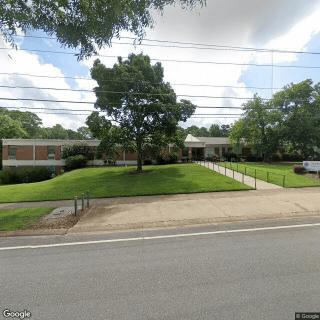
125 Sparta Highway 16 East, Eatonton, GA 31024
For more information about senior living options: (866) 208-4318
Overall Review of Eatonton Health And Rehabilitation
Pros
 Ms Ashley is kind, highly knowledgeable, and puts all worries at ease from the very first phone call.
- Ms Zoe is described as an angel, helping to make the experience easier for mom and the family.
- The staff are helpful, kind, professional, and caring, creating a sense of a temporary home away from home for mom.
- The facility is very clean and well kept, making it a strong option for rehabilitation or nursing care.
- The administration and Director of Nursing are attentive and available to families, supporting their loved ones' needs.
- The care team is friendly, respectful, and dedicated to patients, with many noting attentive, compassionate service.
- The environment is described as loving and welcoming, contributing to a positive care experience.
Cons
 The facility has serious cleanliness issues, including roaches, and management is unprofessional and needs major improvement.
- The building is very outdated and dirty.
- Some of the staff are impolite, nonprofessional, and rude.
- The facility itself was old and poorly cared for; the entire place reeked of urine.
- The room for a patient was extremely dirty, with a large dead cockroach on the floor and blinds that were greasy and dirty.
- There were neglect concerns, such as a patient not being bathed for days, going without food because no one assisted, and a food tray left for hours.
Review
Eatonton Health and Rehabilitation is most suitable for families seeking a warm, caregiver-driven environment for a loved one who needs short-term rehabilitation or a transitional stay. The community shines when personal attention and open, responsive communication matter most, delivering the sense of a “temporary home” where staff warmth and therapy focus can translate into real daily progress. It works well for families who value easy access to an administrator, a social worker, and hands-on nursing care that stresses compassion and accessibility. Those weighing alternatives should acknowledge that this setting sits in an aging facility category; for families prioritizing a pristine, modern environment or a consistently disciplined administrative culture, nearby options with newer amenities may be preferable. A nearby sister facility, about ten minutes away, often tempts families who want a shorter drive while still comparing care quality.
The strongest, most repeatable positives are the staff’s genuine care and the therapeutic support described by many families. Nurses and aides are consistently portrayed as kind, attentive, and respectful, with administrators and social workers who are reachable and engaged in discharge planning and ongoing needs. Several accounts highlight notable therapy effectiveness and a staff culture that makes visitors feel welcome. When care feels personal and responsive, families see notable short-term gains, and the facility earns credibility as a place that can be trusted to tend to daily comforts, meals, and routines with warmth.
Yet the picture is not uniform. The most significant drawbacks center on cleanliness and facility upkeep, along with sporadic concerns about management tone and consistency. Recurrent complaints include an outdated, worn environment with stained furniture and baseboards, and in some rooms, strong odors or evidence of poor cleaning. A few reviews describe experiences of neglect or delayed assistance, including delayed feeding or inadequate bathing, which is a serious red flag for long-term safety. There are reports of unprofessional or impolite interactions among some staff, and several families note variability in how concerns are addressed by leadership. Taken together, these issues create real risk if prolonged or combined with cognitive or mobility challenges.
The pros can offset the cons when the focus is on rehabilitation momentum and daily reassurance, but that offset is not automatic. For residents who can rely on consistently high-touch staff and who benefit from a therapy program that produces tangible improvements, the warmth of caregivers and the accessible social work team can make the stay feel manageable and emotionally supportive. Improvements at the leadership level, including a newer administrator and a Director of Nursing in some accounts, hint at progress and a willingness to address deficiencies. The proximity factor, either staying at Eatonton or choosing the closer sister facility for shorter travel time, also matters for families balancing visits and ongoing oversight.
Practically, families evaluating Eatonton should conduct a thorough on-site assessment before committing. A tour should specifically probe cleanliness, room conditions, and pest control practices; request to review the most recent health inspections and maintenance records; meet the administrator, DON, and the social worker to gauge responsiveness and accountability. Observe staff interactions with residents and families during visits, ask for recent therapy schedules, and scrutinize meal quality and assistance with feeding. Inquire about discharge planning, post-acute care arrangements, and the facility’s process for reporting and following up on concerns. If choosing this community, set clear expectations: prioritize an honest, proactive care team and a solid plan to address environmental concerns quickly.
The bottom line is clear: Eatonton Health and Rehabilitation delivers standout personal warmth and capable rehab in a setting that, for some, feels like a compassionate home. However, cleanliness issues, outdated surroundings, and uneven administrative responsiveness temper that strength. It is a compelling choice for families who value human connection, hands-on therapy, and a responsive staff, and who are comfortable monitoring risk factors with a plan for rapid escalation if problems persist. For those who refuse anything short of a pristine, modern environment or who require unwavering administrative consistency, alternatives, up to and including nearby facilities with stronger reputations for upkeep, should be seriously considered. A candid, in-person evaluation paired with specific questions about housekeeping, incident follow-ups, and staff training will determine whether this community can reliably meet long-term expectations.
 104 resident community capacity
 Skilled Nursing Facility
 Air-conditioning
 Beauty salon
 Cable or satellite TV
 Computer center
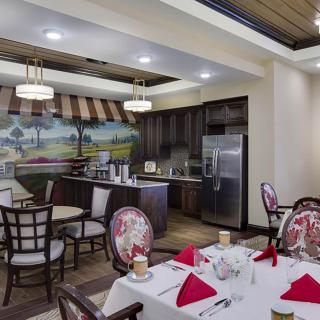
 Dining room
 Fitness room
 Fully furnished
 Gaming room
 Garden
 Housekeeping services
 Kitchenette
 Move-in coordination
 Outdoor space
 Private bathrooms
 Restaurant-style dining
 Small library
 Telephone
 Wellness center
 Wi-Fi/high-speed internet available
 Community operated transportation
 12-16 hour nursing
 24-hour call system
 Activities of daily living assistance
 Assistance with bathing
 Assistance with dressing
 Assistance with transfers
 Diabetes diet
 Medication management
 Mental wellness program
 Special dietary restrictions
 Concierge services
 Planned day trips






 Nurturing Our Loved Ones: A Daughter's Journey in Caring for Her Mother
 Nurturing Our Elders: Linda's Journey of Supporting Her Mother
 A Comprehensive Exploration of Common Misunderstandings about Powers of Attorney