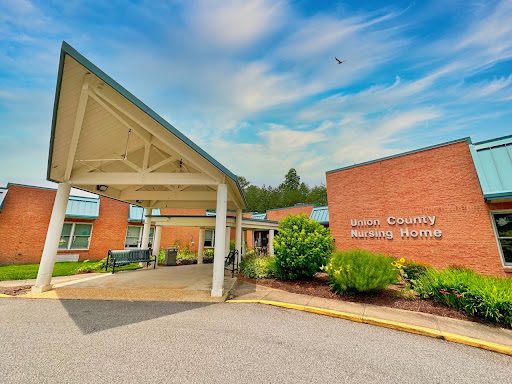

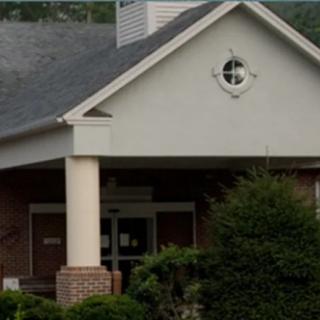
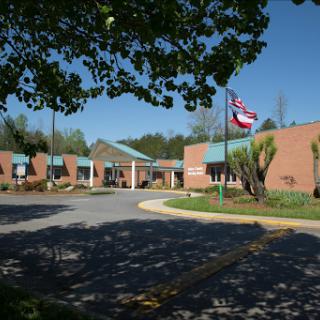
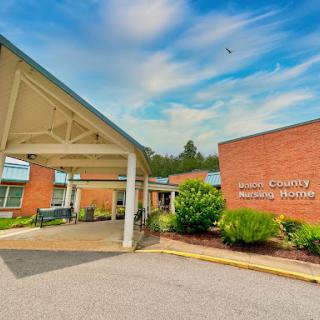

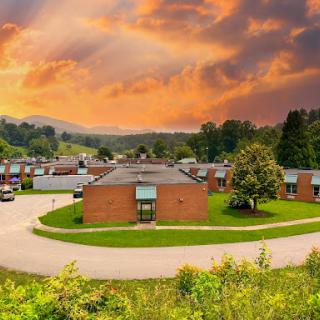

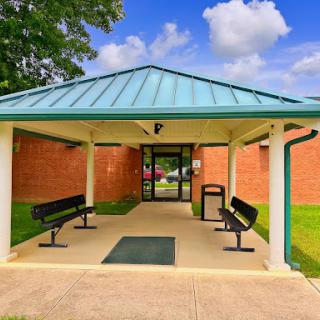

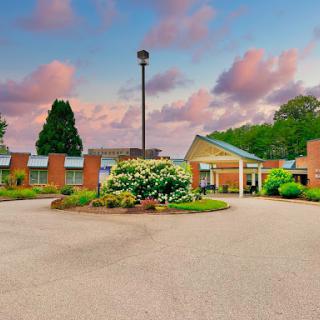
164 Nursing Home Circle, Blairsville, GA 30512
For more information about senior living options: (866) 208-4318
Overall Review of Union County Nursing Home
Pros
 It is a first-class nursing home with caring staff across all roles.
- Nursing services are top-notch, and the food is excellent.
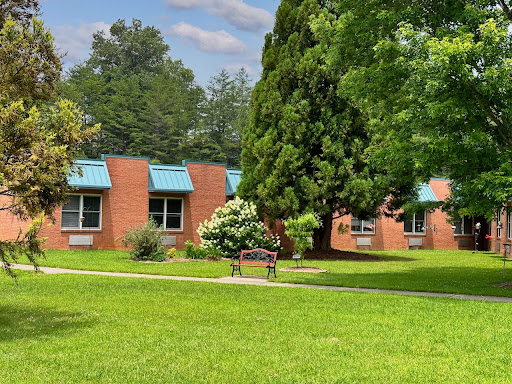
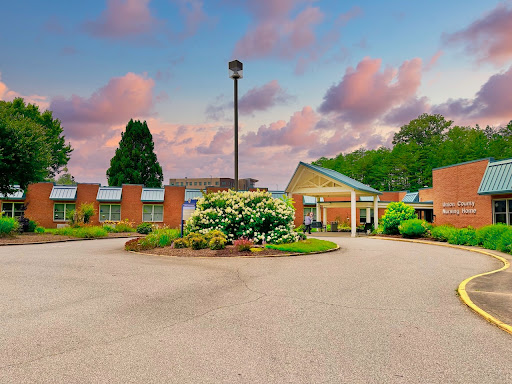
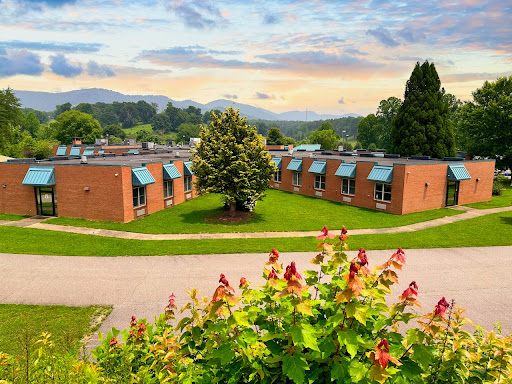
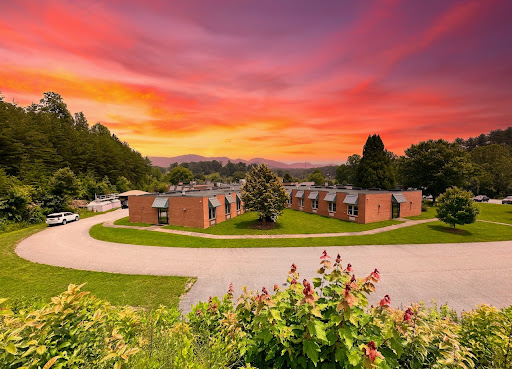
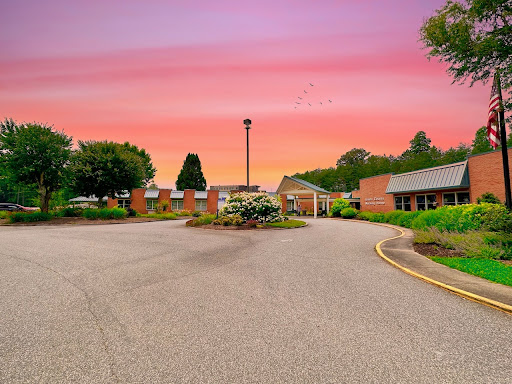
- The facility is clean and welcoming.
- Residents, their families, and staff share a strong bond.
- The nurses are patient, kind, respectful, and attentive.
- Residents feel at home and are happy there.
- The Union County Nursing Home in Blairsville, Georgia is recommended for those seeking a caring, safe place for a loved one.
Cons
 The staff-to-patient ratio is the worst the reviewer has seen.
- A grandfather with Parkinson’s/dementia was neglected, leading to incontinence and a response time of at least 30 minutes, with failures to prevent reinjury.
- Three separate falls were allowed, including a refracture on the last day requiring additional surgery.
- There is currently an outbreak, with everyone sick and no masks being worn.
- The reviewer warns against placing a parent here.
- The facility cannot consistently follow a toileting schedule, leading to incontinence and rapid decline, and frequent staff changes contribute to poor care; staff are lazy or overburdened, do not transfer residents, do not answer buzzers, and leave call buttons out of reach.
Review
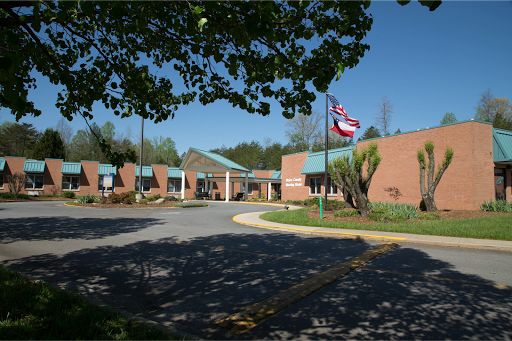
Union County Nursing Home in Blairsville is best suited for families that can act as active partners in care, watching closely for day-to-day safety and quality. When operating smoothly, the facility can deliver warmth, approachable staff, solid nursing attention, and good meals in a clean, welcoming environment. The strongest argument in favor is the presence of genuinely caring staff and nurses who, on at least some shifts, establish meaningful connections with residents and their families. For families willing to stay engaged, asking questions, reviewing schedules, and guiding daily routines, this community can feel like a decent fit, especially for residents who benefit from social compatibility, routine meals, and a generally orderly atmosphere.
Conversely, those who must rely on consistently high staffing levels and uninterrupted, high-quality care should consider alternatives. The most significant red flags appear for residents with complex medical needs, severe mobility or cognitive impairment, or those requiring rapid, reliable response to alarms and call buttons. If a loved one depends on frequent assistance with toileting, transfer from wheelchair, or timely PT/OT follow-through, this facility’s history of delayed responses and inconsistent staffing signals substantial risk. Families should especially consider other options if supervision during care activities, continuity of caregiving, and predictable daily routines are nonnegotiable.
The strongest positives, caring staff, thorough nursing support on some floors, good food, cleanliness, and a sense of community, do not completely neutralize the most serious drawbacks. When staff-to-resident engagement is consistent, residents can feel seen, safe, and well cared for, and families report meaningful connections as well as pride in the facility’s appearance and atmosphere. Yet those gains hinge on stabilizing frontline staffing and sustaining reliable routines. The most troubling patterns, slow responses to buzzers, missed call-bell accountability, and aggressive turnover, undercut trust in basic safety. In short, the pros are real but fragile; they rise or fall with who happens to be on shift and how well the administration enforces standards.
A closer read of the reviews shows a bifurcated experience. Some families describe a first-class, attentive environment where nurses are patient and respectful, and where housekeeping and kitchen staff contribute to a genuine sense of belonging. Others recount a chronic undercurrent of neglect and disorganization: prolonged delays in assistance, inconsistent toileting schedules leading to incontinence, airborne anxiety during outbreaks, and repeated incidents of falls or injuries that point to insufficient supervision and training. Two long-term residents’ families paint a particularly troubling portrait of declining function tied to staff turnover, missed dental and hygiene care, and a system that seems unable to maintain muscle and mobility, precisely the issues that escalate dependence and risk. The bottom line is that care quality here is uneven, with outcomes deeply tied to staffing patterns that shift from week to week.
For families weighing next steps, practical diligence matters most. Schedule multiple visits across different times of day to observe responsiveness, attention to call bells, and the demeanor of the caregiving team. Request a frank tour of staffing schedules and turnover data, and ask for a formal care plan that includes fall prevention, toilet regularity, dental hygiene, and mobility maintenance. Inquire about PT/OT referral practices, how often reassessments occur, and how the facility handles dementia care plans. Speak with prospective direct care providers about how they approach urgent needs, pain management, and communication with families. Finally, quantify a trial period with measurable goals, response times, assistance with transfers, and adherence to a daily routine, and insist on transparent escalation pathways if expectations are not met.
The verdict is clear: Union County Nursing Home can be a workable choice for families willing to invest vigilance and expect variable care quality. For those who cannot tolerate inconsistent staffing, delayed responses, and the risk of functional decline tied to turnover, alternatives deserve serious consideration. The facility’s strengths, caring, capable staff on a good day, decent nutrition, and a generally clean, welcoming setting, are real, but they are not reliably dependable. Prospective residents should enter with a plan to supervise closely, demand concrete care commitments, and benchmark progress against clear, written standards. If the answer hinges on dependable, steady care, broader options that emphasize consistent staffing and proactive, structured care may offer a safer, more predictable path.
 150 resident community capacity
 Skilled Nursing Facility
 Air-conditioning
 Beauty salon
 Cable or satellite TV
 Computer center
 Dining room
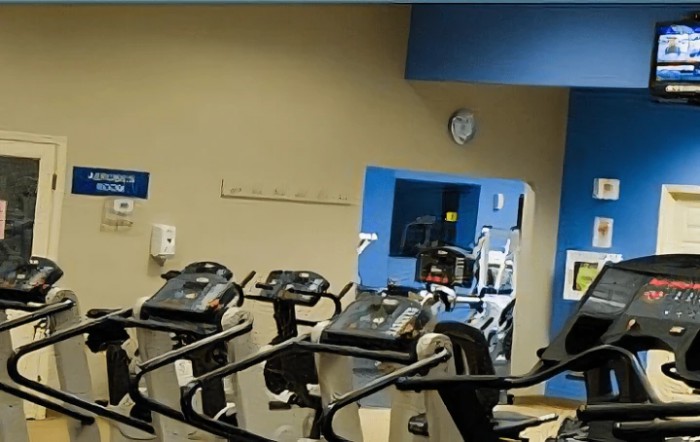
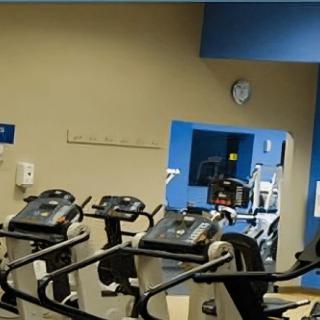
 Fitness room
 Fully furnished
 Gaming room
 Garden
 Housekeeping services
 Kitchenette
 Move-in coordination
 Outdoor space
 Private bathrooms
 Restaurant-style dining
 Small library
 Telephone
 Wellness center
 Wi-Fi/high-speed internet available
 Community operated transportation
 12-16 hour nursing
 24-hour call system
 Activities of daily living assistance
 Assistance with bathing
 Assistance with dressing
 Assistance with transfers
 Diabetes diet
 Medication management
 Mental wellness program
 Special dietary restrictions
 Concierge services
 Planned day trips




 Comprehensive Insights into Palliative Home Care: What It Is and What to Expect
 Skilled Nursing Facilities vs. Nursing Homes: Making Sense of the Differences
 A Detailed Examination of Nursing Home Costs Across the U.S.