Overall Review of Tuskawilla Nursing And Rehab Center
common40 reviews mention this
Staff care is a mixed signal
Residents and families describe both very attentive staff and serious breakdowns in care.
Many reviews praise the staff as caring, respectful, and helpful, including nurses, CNAs, and rehab teams. Several also mention responsiveness when families ask questions or when issues come up during therapy and daily care. Other reviews describe rude interactions, missed needs, and delays when help is requested, sometimes framed as neglect or poor follow-through. Overall, the reviews reflect wide variation in experience for day-to-day support.
common22 reviews mention this
Clean facility shows up often
The facility’s cleanliness is one of the most consistent points mentioned in reviews.
A strong share of reviewers say the building looks clean, well kept, and sometimes even notes few or no odors. Clean rooms and well-maintained spaces are repeated across rehab and long-term experiences. A smaller set of negative reviews directly contradict that, describing smells and hygiene concerns. Taken together, cleanliness is a frequent positive theme with some serious exceptions.
common18 reviews mention this
Rehab therapy gets credit
Rehabilitation therapy is frequently described as knowledgeable and motivating.
Reviews that mention rehab often single out physical therapy and how it helps residents build strength, mobility, and confidence to return home. Several families describe progress tied to therapy plans and encouragement, including prompt answers about care questions. Some negative reviews criticize care quality and responsiveness, but therapy is still referenced positively in many accounts. The common thread is that the rehab experience is a major focus of residents’ day-to-day feedback.
common14 reviews mention this
Activities help fill the days
Many residents are described as having activities to participate in.
Families and residents mention daily activities such as bingo and other organized programs, and they describe staff bringing residents to events. Reviews also reference resident-run or scheduled activities that help make the stay feel less routine. While most comments are positive about having things to do, the negative reviews concentrate more on care and communication issues than on activity availability. If activities matter to you, multiple reviews suggest the calendar is a real part of the experience.
common16 reviews mention this
Dining is usually described well
Food is often described as good, with some complaints about misses and cold meals.
Several reviews say the food is good or better than expected, and a few mention meal options or that residents can get alternatives. Some reviews also connect food to the overall comfort of the stay, alongside cleanliness and activities. In contrast, a handful of critical reviews describe residents going without eating, receiving inadequate portions, or experiencing meal issues. Dining shows up as both a recurring positive and a recurring vulnerability in the reviews.
caveat12 reviews mention this
Call-light delays and neglect worries
A recurring concern is delayed help and missed basic care needs.
Negative reviews frequently describe call lights taking a long time to be answered and residents being left waiting for help with needs like bathroom assistance, repositioning, or medications. Some accounts describe hygiene problems and infection-related concerns, with family members stepping in or seeking emergency care. Others mention staffing and communication failures that leave families uncertain about what is happening. If you’re comparing options, these reviews point to the importance of confirming staffing patterns and care-response reliability.
caveat6 reviews mention this
Admissions communication varies widely
Reviews about admissions range from smooth coordination to frustrating delays and poor communication.
Some families report that admissions coordination was smooth, including easy discharge transitions and helpful communication with the admissions team. Several also highlight being able to get updates during the placement process. Other reviews criticize admissions for being chaotic, not returning calls, or leaving families without clear answers about bed availability and next steps. Because this theme affects the start of care, it may be especially important to ask how the facility handles documentation, authorizations, and weekend coverage.
common2 reviews mention this
Nearby options for family visits
Local services and destinations are within a short drive for visitors.
The location places common errands and healthcare nearby, including pharmacies and a physician office within a few tenths of a mile. Hospitals and additional clinics are also listed within several miles, which can matter for family logistics during a rehab or nursing stay. Restaurant options are shown within roughly 4–5 miles as well. This supports day-to-day convenience for people visiting on short notice.
How we summarize
Counts show how many written reviews mention each theme; a review can touch several themes, and only frequently mentioned themes are displayed.
Features
Housing
98 resident community capacity
Types of Care
Skilled Nursing Facility
Amenities
Air-conditioning
Beauty salon
Cable or satellite TV
Computer center
Dining room
Fitness room
Fully furnished
Gaming room
Garden
Housekeeping services
Kitchenette
Move-in coordination
Outdoor space
Private bathrooms
Restaurant-style dining
Small library
Telephone
Wellness center
Wi-Fi/high-speed internet available
Transportation
Orlando International (15 miles away)
Community operated transportation
Transportation arrangement
Transportation arrangement (non-medical)
Transportation to doctors appointments
Care Services
12-16 hour nursing
24-hour call system
24-hour supervision
Activities of daily living assistance
Assistance with bathing
Assistance with dressing
Assistance with transfers
Diabetes diet
Meal preparation and service
Medication management
Mental wellness program
Special dietary restrictions
Dining
Diabetes diet
Special dietary restrictions
Activities
Community-sponsored activities
Concierge services
Fitness programs
Planned day trips
Resident-run activities
Scheduled daily activities
Videos
Nearby Places of Interest
Pharmacies
CVS Pharmacy (0.3 miles)
Walgreens (0.4 miles)
Walgreens (2.6 miles)
CVS Pharmacy (2.8 miles)
CVS Pharmacy (2.9 miles)
Walgreens (3 miles)
Walmart Pharmacy (3.1 miles)
Physicians
Oviedo Family Medicine (1.8 miles)
Physician Associates (3.7 miles)
Central Florida Breast Center, PA (4.4 miles)
Florida Cancer Specialists & Research Institute - Winter Park (4.5 miles)
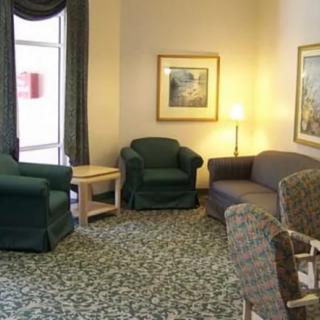
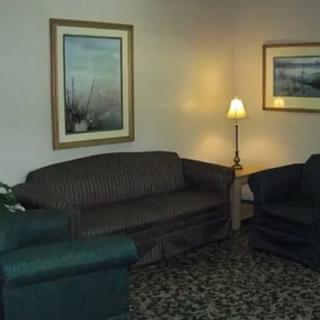
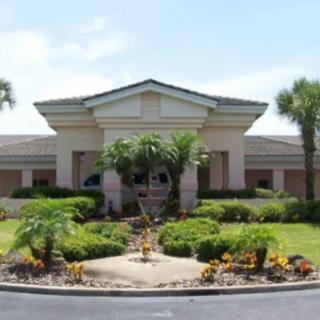
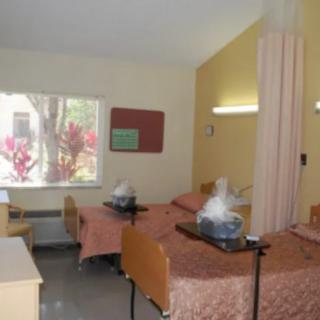
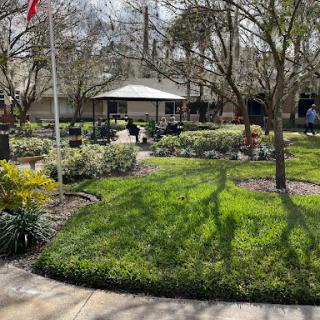
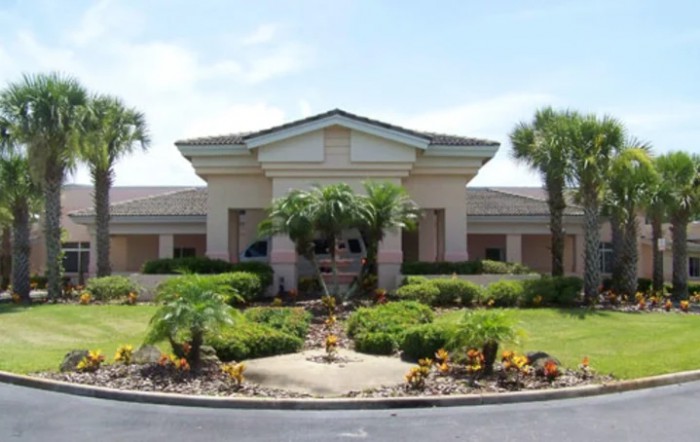
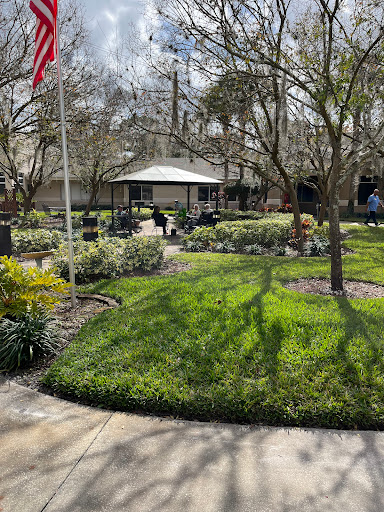
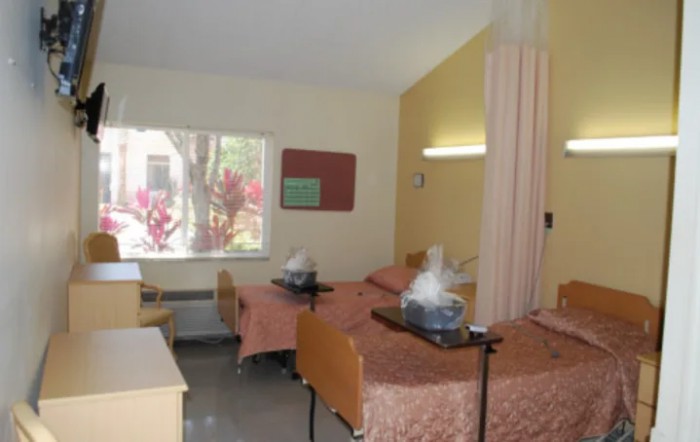
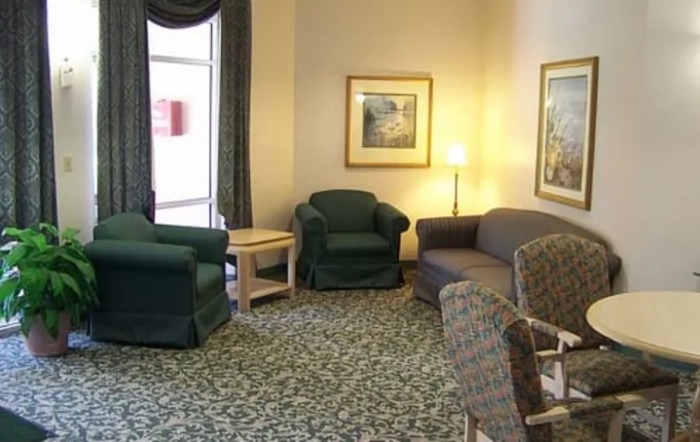
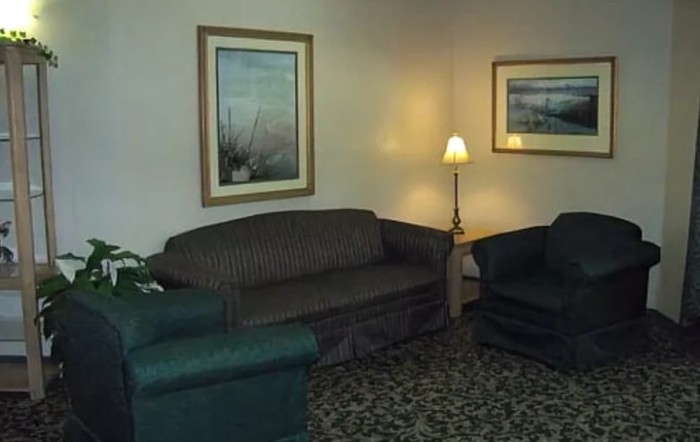
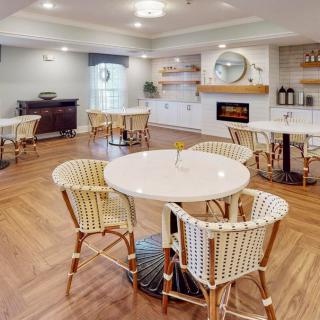
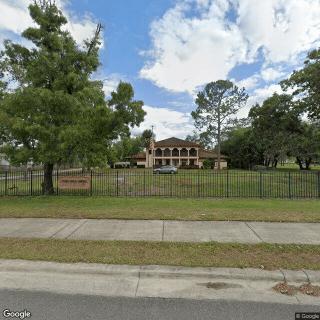
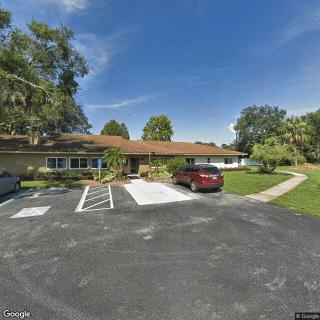
Tuskawilla Nursing And Rehab Center on seniors.fyi includes 5 photos including images showing landscaping, garden, living room, interior, decor, paintings, outdoor, building, and more.
Nearby Communities
Palmetto Landing
Winter Springs, FL
3.8 from 83 reviews
$1,995 to $4,500 / month
Friendly, compassionate staff in a clean, welcoming environment with engaging activities and strong family communication.
Arden Courts Of Winter Springs
Winter Springs, FL
4.7 from 155 reviews
Specialized memory care with engaging activities and a warm, clean environment.
Faith House Of Winter Park
Winter Park, FL
4.8 from 10 reviews
$2,600 to $3,100 / month
Nurturing, homelike environment with caring staff, good meals, and cleanliness.
Manalo, Teresita G
Winter Park, FL
Nearby pharmacies, physicians, restaurants, places of worship, and hospitals.
Tuscawilla Villa
Winter Springs, FL
$2,800 to $3,300 / month
Private rooms with private bathrooms, comprehensive care, and engaging activities.
White, Ethel
Oviedo, FL
Convenient access to healthcare facilities, pharmacies, dining options, and places of worship in Oviedo.
Madison at Oviedo
Oviedo, FL
4.4 from 170 reviews
$3,650 to $5,700 / month
Attentive staff with strong family communication; clean, engaging environment.
Citrus Garden Assisted Living Facility
Winter Springs, FL
4.9 from 20 reviews
Family-owned with on-site RN owners providing attentive care and high-quality meals.
Howell Branch Court
Winter Park, FL
Memory care available with strong access to nearby amenities (pharmacies, physicians, dining).
Palliative care focuses on alleviating distress at any stage of a serious illness and can accompany curative treatments, while hospice care is for those nearing the end of life with a prognosis of six months or less, emphasizing comfort over curative measures. Both prioritize holistic care for patients and families but differ in timing, goals, and scope.
The guide details the tax deductibility of in-home healthcare expenses according to IRS guidelines, differentiating between medically necessary services and non-medical assistance, while emphasizing the need for proper documentation and itemization requirements. It also highlights state-level variations, the importance of record-keeping, and encourages seeking professional tax help to understand evolving regulations.
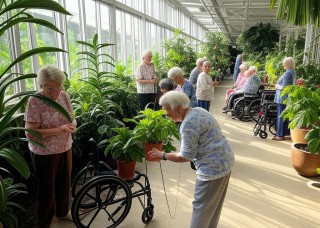
Gardening provides seniors with physical exercise, mental and emotional support, and social interaction opportunities, while accommodating their needs through raised beds and ergonomic tools. It promotes health benefits like improved dexterity and cardiovascular health, encourages sustainable practices, and allows for manageable upkeep with low-maintenance plants.
Get PricingAsk A QuestionSchedule A TourContact Senior Advisor
By clicking submit, you agree to our Partner's Terms of Use. You
also consent to receive calls and texts, which may be autodialed, from our Partner. Your consent is not a condition to
using our Partner's service. Please visit our Partner's Privacy Policy for information about their privacy practices.

 98 resident community capacity
 Skilled Nursing Facility
 Air-conditioning
 Beauty salon
 Cable or satellite TV
 Computer center
 Dining room
 Fitness room
 Fully furnished
 Gaming room
 Garden
 Housekeeping services
 Kitchenette
 Move-in coordination
 Outdoor space
 Private bathrooms
 Restaurant-style dining
 Small library
 Telephone
 Wellness center
 Wi-Fi/high-speed internet available
 Orlando International (15 miles away)
 Community operated transportation
 12-16 hour nursing
 24-hour call system
 Activities of daily living assistance
 Assistance with bathing
 Assistance with dressing
 Assistance with transfers
 Diabetes diet
 Medication management
 Mental wellness program
 Special dietary restrictions
 Concierge services
 Planned day trips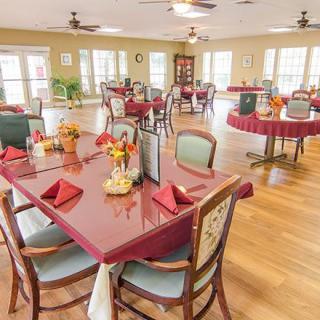
 Friendly, compassionate staff in a clean, welcoming environment with engaging activities and strong family communication.

 Understanding the Nuances of Palliative Care and Hospice: A Comprehensive Exploration
 Is In-Home Healthcare Tax Deductible? Your Comprehensive Guide
 Nurturing Well-Being Through Gardening: A Detailed Guide for Senior Enthusiasts