Finr III

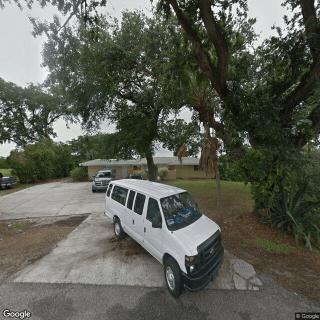
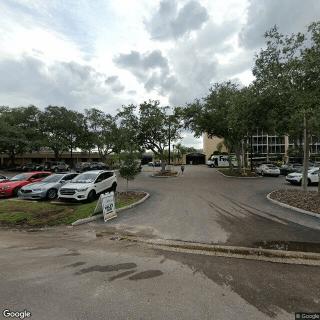
1962 Vandolah Road, Wauchula, FL 33873

For more information about senior living options: (844) 490-3973

3.7 from 20 reviews
5 stars
12
4 stars
2
3 stars
0
2 stars
0
1 stars
6

Skilled Nursing Facility

Overall Review of Finr III

Pros

  • pro The patient had a wonderful experience at Lakeside for about six weeks.
  • pro Lakeside knew what he needed and never hesitated to act.
  • pro The staff treated him with dignity and respect and built an amazing relationship with him.
  • pro The staff helped her recover and she was discharged home.
  • pro The facility is a godsend for families and helps with patients' medical conditions.
  • pro The staff was kind and caring, and the professional care was top notch.
  • pro The meals were superb.

Cons

  • pro The reviews claim the facility abused patients and would not let them call their families, causing deep depression.
  • pro They say staff terrorized patients and abused them for their own pleasure, leaving bruises.
  • pro It is alleged the facility cares only about insurance money, with no real medical testing or evaluations.
  • pro Serious incidents are reported, including a death on the property and a patient's suicide, plus other dangerous events like swallowing hooks and batteries.
  • pro The owner is described as unqualified (dyslexia and limited schooling), implying poor management.
  • pro The staff are said to be severely understaffed and the facility unsanitary, with inadequate daily medical oversight (no daily respiratory therapy, only weekly doctor visits).
  • pro The kitchen is alleged to serve undercooked food, causing illness.
  • pro There are claims of no cameras or security and a lack of timely communication with families.
  • pro The facility is accused of deception, with statements on its website described as false.
  • pro Some reviews describe the operation as money-driven and neglectful, harming patients and families.

Review

The collection of experiences surrounding Lakeside Neurologic, also referenced by some as the Florida Institute for Neurologic Rehabilitation, reads as a strikingly polarized mix of praise and horror. On one hand, a number of reviewers describe a facility where staff care deeply, relationships with patients feel familial, and progress in rehabilitation can be real and meaningful. On the other hand, many accounts paint a picture of abuse, neglect, unsafe conditions, and a system focused more on money than on patient well-being. The outcome is a jagged landscape of memories that vary dramatically from one person to the next, making it hard to draw a single, clear conclusion about the place.

Several accounts begin in a painfully alarming way. One reviewer recalls being a 12-year-old patient who was not allowed to call family, feeling depressed and overwhelmed, and being subjected to physical abuse by staff who supposedly terrorized him. The narrative ties this to the center's then-name, Florida Institute for Neurologic Rehabilitation, and claims that the staff had no relevant experience with people on the spectrum. There are broader, decades-spanning allegations of abuse on the property, including a girl who died, a patient who swallowed fishing hooks and batteries, and an individual who was allegedly allowed a glass of wine weekly to keep him quiet and not to expose mistreatment. The owner, Joseph Bremmick, is described with negative traits - dyslexia, limited formal education, and a motive anchored in business rather than patient welfare - forming part of a larger accusation that the facility traded in insurance money and mistreated residents.

Other reviews go further to claim that the facility has nothing to do with neurology and that it fails to provide appropriate medical care. The criticisms center on underdiagnosis and under-evaluation, with claims that diagnostic testing and proper medical assessment are not part of the standard practice there. Several commenters state that patients are medicated unnecessarily, and that the facility relies on billing rather than evidence-based care. They argue that the supposed neurology focus is a facade, and that families should be wary of the information publicized by the site, which some reviewers insist is misrepresentative or outright false.

In contrast, a sizeable portion of the testimonials express strong, unequivocal gratitude. Some reviewers describe a brother who was at Lakeside for six weeks and experienced "a wonderful" time under care that felt attentive and proactive, even claiming that staff treated him like family and worked diligently to help him recover. Others recount a sister's extended stay, praising the rehabilitation team for supporting progress to the point that she could be discharged home and maintain contact with the facility afterward. A parent describes a son's improvement and a relationship that did indeed grow closer because of the care he received, while a different reviewer speaks of a mother-in-law who received top-tier rehabilitative care and whose experience was described as superb, contributing to a successful discharge schedule. In these positive narratives, staff from every level - front desk, admissions, social work, nurses, respiratory therapists, physical therapists - and even dietary services, are credited with a cohesive, compassionate approach that exemplifies care, dignity, and ongoing support.

Yet even within the favorable reviews there is nuance. One person notes that the experience with Lakeside was life-changing by providing a supportive, family-like atmosphere that helped a loved one recover and regain independence. Another account highlights that the facility succeeded in delivering rehabilitative care and made sure to keep the family informed and reassured throughout the process. These reports emphasize the relational aspects of care - the trust built with caregivers, the sense that the team understood the patient's needs, and the persistence of communication with families, sometimes through challenging circumstances. The positivity often centers on the perceived commitment of staff to treatment plans, communication, and the eventual outcomes that align with families' goals for recovery and recovery-at-home transitions.

Nevertheless, several reviews present cautionary tales that cannot be dismissed. Claims of under-staffing, infrequent medical oversight, and unsanitary conditions surface repeatedly. A reviewer recounts almost dying and notes inadequate daily respiratory therapy, limited doctor visits, and a treatment culture where some physical therapy personnel allegedly mock patients. There are mentions of specific named staff members and the perception of inconsistent care quality, with some nurses and therapists appearing supportive while others are criticized for prioritizing payroll and appearing indifferent to patient needs. In a darker thread, a family describes a father's death after what they describe as delayed suctioning and a lack of timely attention, with allegations that charts were falsified about medication administration and an investigation that yielded little transparency. These accounts cultivate a climate of fear and distrust, underscoring the perception that patient safety and timely, thorough care may not always be guaranteed.

A smaller set of testimonials reflects deeply personal, highly positive outcomes that seem to contradict many of the more alarming claims. For every account of neglect or abuse, there is a story of improvement, discharge, and renewed hope. Some reviewers insist that the facility was a "god send" for their family, enabling rehabilitation that allowed a loved one to return home with a healthier trajectory. Others emphasize the role of compassionate, attentive care in enabling meaningful progress, suggesting that Lakeside can deliver the kind of rehabilitative care families are seeking when it functions at its best. These narratives stress relational quality, where patients and families feel supported by a team that listens, explains, and collaborates on the path forward.

Taken together, the reviews depict a facility that embodies two starkly different regimes of care. On one end, there are powerful testimonies of abuse, neglect, safety lapses, and misalignment with the medical needs of neurologically focused rehabilitation. On the other end are stories of dedication, warmth, and genuine progress, where patients feel valued, supported, and able to regain independence. The inconsistent experiences suggest that outcomes may heavily depend on the particular staff on duty, the specific patient's needs and circumstances, and the level of advocacy families can provide. For families considering Lakeside, the overarching message is clear: there is potential for real rehabilitation and compassionate care, but there are equally compelling warnings of harm and neglect that demand careful scrutiny, thorough third-party verification, and vigilant, ongoing oversight.

Features

Housing

  • 25 resident community capacity 25 resident community capacity

Types of Care

  • Skilled Nursing Facility Skilled Nursing FacilitySkilled Nursing Facilities are crucial for seniors as they provide round-the-clock medical care, rehabilitation services, and assistance with daily activities. These facilities ensure that seniors receive the specialized care they need to maintain their health and well-being as they age.

Amenities

  • Beauty salon Beauty salonBeauty salons are important for seniors because they provide a space for them to feel pampered, socialize, and maintain their personal grooming and hygiene. Regular visits to a beauty salon can help boost seniors' self-esteem and overall well-being.
  • Cable or satellite TV Cable or satellite TVCable or satellite TV is important for seniors because it provides entertainment, news, and companionship, helping to combat loneliness and boredom. It also offers a wide range of programming options tailored to different interests and preferences.
  • Dining room Dining roomDining rooms are important for seniors as they provide a space for socialization, connection, and nutritious meals. They offer opportunities for residents to bond over shared meals, foster a sense of community, and promote healthy eating habits. Dining rooms also ensure that seniors have access to well-balanced meals tailored to their dietary needs and preferences.
  • Fully furnished Fully furnishedFully furnished senior living communities are important for seniors because they provide convenience, comfort, and a hassle-free moving experience. Seniors can easily settle into their new living space without the stress of having to buy and move furniture. This allows them to focus on enjoying their new home and community.
  • Garden GardenGardens are important for seniors as they provide a peaceful and therapeutic environment for relaxation, physical activity, and socialization. Being in nature has been shown to reduce stress, improve mood, and promote overall well-being. Gardens also offer opportunities for seniors to engage in gardening activities, which can improve mobility, flexibility, and cognitive function. Additionally, gardens create a sense of community and connection with others who share a passion for plants and outdoor spaces.
  • Housekeeping services Housekeeping servicesHousekeeping services are important for seniors because they help maintain a clean and safe living environment, promote independence, and reduce the risk of accidents or illnesses. Additionally, having assistance with household chores can alleviate physical strain and allow seniors to focus on other aspects of their well-being.
  • Kitchenette KitchenetteKitchenettes are important for seniors living in senior living communities because they provide the convenience and independence of being able to prepare simple meals and snacks in the comfort of their own living space. This can help promote a sense of autonomy and well-being for seniors, allowing them to maintain some level of control over their dietary choices and daily routines.
  • Move-in coordination Move-in coordinationMove-in coordination is important for seniors because it helps ease the transition into their new living environment. It ensures that all logistics, such as packing, organizing movers, and setting up utilities are taken care of, allowing seniors to focus on settling in and adjusting to their new home. Having a smooth move-in process can alleviate stress and anxiety, making the transition smoother and more enjoyable for seniors.
  • Outdoor space Outdoor spaceOutdoor spaces are important for seniors as they provide opportunities for physical activity, social interaction, exposure to natural light and fresh air, and a sense of connection to nature. Having access to outdoor spaces can improve overall well-being and quality of life for older adults living in senior communities.
  • Restaurant-style dining Restaurant-style diningRestaurant-style dining is important for seniors because it allows them to enjoy delicious, nutritious meals in a social and upscale setting. This enhances their dining experience, promotes healthy eating habits, and fosters socialization with fellow residents, ultimately contributing to their overall well-being and quality of life.
  • Small library Small librarySmall libraries are important for seniors as they provide access to a variety of reading materials, including books, newspapers, and magazines. This can help stimulate their minds, keep them engaged, and provide a sense of community through book clubs and other social activities. Additionally, reading has been shown to improve cognitive function and overall mental well-being in older adults.
  • Telephone TelephoneTelephones are important for seniors as they provide a lifeline for communication with loved ones, emergency services, and healthcare providers. They offer a sense of security and independence, enabling seniors to stay connected and access assistance when needed.
  • Wi-Fi/high-speed internet available Wi-Fi/high-speed internet availableWi-Fi/high-speed internet is important for seniors to stay connected with loved ones, access online resources, and participate in virtual activities to combat feelings of loneliness and isolation. It also allows them to easily manage healthcare needs, access entertainment, and engage in lifelong learning opportunities.

Care Services

  • 24-hour call system 24-hour call system24-hour call systems are important for seniors because they provide peace of mind and immediate assistance in case of emergencies. This technology ensures that help is always available, promoting safety and security for elderly individuals living alone or in assisted living facilities.
  • 24-hour supervision 24-hour supervision24-hour supervision is important for seniors to ensure their safety, well-being, and access to immediate assistance in case of emergencies or health issues. This constant support provides peace of mind for both seniors and their loved ones, allowing them to age in place with dignity and security.
  • Activities of daily living assistance Activities of daily living assistanceActivities of daily living assistance are important for seniors because they provide essential support with tasks such as eating, bathing, dressing, and mobility. This assistance helps seniors maintain their independence, dignity, and overall quality of life as they age.
  • Assistance with bathing Assistance with bathingAssistance with bathing is crucial for seniors as it helps maintain personal hygiene, prevents infections, and ensures their overall well-being and comfort. It also provides a sense of dignity and independence for seniors who may struggle with this task on their own.
  • Assistance with dressing Assistance with dressingAssistance with dressing is important for seniors because it helps maintain their independence, promotes personal hygiene, prevents accidents and injuries, and improves overall quality of life. This service ensures that seniors can continue to dress comfortably and confidently, despite any physical limitations they may have.
  • Assistance with transfers Assistance with transfersAssistance with transfers is crucial for seniors as it helps prevent falls and injuries, maintains their independence, and ensures they can safely navigate their living environment. It also provides peace of mind for both seniors and their loved ones.
  • Diabetes diet Diabetes dietA diabetes diet is crucial for seniors as it helps manage blood sugar levels, reduce risks of complications, and improve overall health and well-being. By following a balanced and nutritious diet tailored to their specific needs, seniors can better control their diabetes and enhance their quality of life.
  • Meal preparation and service Meal preparation and serviceMeal preparation and service are crucial for seniors as they may have limited mobility or energy to cook nutritious meals. Having access to healthy and convenient food options can ensure they are getting the proper nutrition needed to maintain their overall health and well-being.
  • Medication management Medication managementMedication management is crucial for seniors to ensure they are taking the right medications at the correct dosages and times. This helps prevent adverse drug interactions, reduces the risk of medication errors, and promotes overall health and well-being. Proactive management also allows for adjustments as needed based on changing health conditions or new prescriptions.
  • Mental wellness program Mental wellness programMental wellness programs are essential for seniors as they promote cognitive stimulation, emotional support, and social engagement. These programs help prevent isolation, depression, and cognitive decline, ultimately enhancing the overall quality of life for older adults.
  • Special dietary restrictions Special dietary restrictionsSpecial dietary restrictions are important for seniors because age-related changes in metabolism and health conditions can make it difficult for their bodies to process certain foods. By following a diet tailored to their specific needs, seniors can maintain their overall health and well-being, manage chronic conditions, and reduce the risk of complications such as malnutrition or food interactions with medications.

Dining

  • Diabetes diet Diabetes dietA diabetes diet is crucial for seniors as it helps manage blood sugar levels, reduce risks of complications, and improve overall health and well-being. By following a balanced and nutritious diet tailored to their specific needs, seniors can better control their diabetes and enhance their quality of life.
  • Special dietary restrictions Special dietary restrictionsSpecial dietary restrictions are important for seniors because age-related changes in metabolism and health conditions can make it difficult for their bodies to process certain foods. By following a diet tailored to their specific needs, seniors can maintain their overall health and well-being, manage chronic conditions, and reduce the risk of complications such as malnutrition or food interactions with medications.

Activities

  • Community-sponsored activities Community-sponsored activitiesCommunity-sponsored activities are important for seniors as they provide opportunities for social interaction, mental stimulation, and physical activity. These activities can help improve overall well-being, combat loneliness and isolation, and promote a sense of belonging and purpose among older adults.
  • Resident-run activities Resident-run activitiesResident-run activities are important for seniors as they encourage social interaction, creativity, and a sense of autonomy. These activities empower seniors to stay engaged and active in their community while fostering meaningful connections with their peers.
  • Scheduled daily activities Scheduled daily activitiesScheduled daily activities are important for seniors because they provide structure, socialization, mental stimulation, and physical activity. Engaging in regular activities can improve overall well-being and quality of life for seniors living in a community setting.

Description

Welcome to Finr III, an exceptional assisted living community located in the charming town of Wauchula, Florida. Designed with your comfort and well-being in mind, Finr III offers a warm and inviting atmosphere where residents can thrive in their golden years.

Our community features a variety of amenities to enhance daily living. Enjoy cozy evenings in our fully furnished spaces or take advantage of our beautiful outdoor areas and gardens. Stay connected with friends and family through cable or satellite TV, Wi-Fi/high-speed internet access, and telephone services. For those who love to read, our small library provides a peaceful retreat.

Dining at Finr III is a delightful experience, with restaurant-style dining that accommodates special dietary restrictions and ensures that every meal is both nutritious and satisfying. Our dedicated staff also provides meal preparation and service tailored to individual needs.

We understand that assistance is sometimes needed as you navigate daily life. Our compassionate team offers 24-hour supervision and customized care services including help with activities of daily living such as bathing, dressing, transfers, medication management, and dietary support for conditions like diabetes.

Finr III believes in the importance of staying active both physically and mentally. We offer scheduled daily activities and encourage resident-run initiatives that foster community engagement and social interaction. Additionally, our unique mental wellness program helps residents maintain cognitive health.

For added convenience, transportation options are nearby along with places of worship within easy reach. At Finr III in Wauchula, you're not just joining an assisted living community; you?re becoming part of a vibrant family dedicated to enhancing your quality of life while providing the support you need for independence. Come discover all that we have to offer!

Nearby Places of Interest

Transportation

  • Wauchula Municipal Airport (CHN) (1.7 miles)
  • Harvest Aviation (6.1 miles)

Places of Worship

  • Oak Grove Baptist Church (3.1 miles)
  • Peace Valley Lutheran Church (4.7 miles)
  • First Christian Church-Wauchula (5.3 miles)
  • Illuminate Sm (5.4 miles)
  • Higher Ground International Ministries (5.4 miles)
  • Florida's First Assembly of God (5.6 miles)
  • Church of Christ (5.8 miles)

Restaurants

  • King's Fries (5.5 miles)
  • The Panda (5.6 miles)
  • Giovanni's Main Street Kitchen (6.1 miles)
  • Main Street Grille (6.1 miles)
  • La Hacienda Mexican Grill Restaurant (6.1 miles)
  • Double J Restaurant (6.1 miles)
  • Materz Steakhouse (6.1 miles)

Hospitals

  • Florida Hospital Wauchula (5.7 miles)
  • Florida Hospital Wauchula (6.1 miles)

Physicians

  • Wauchula Pediatrics (5.7 miles)
  • Pioneer Medical Center (5.8 miles)
  • AMA Health (6.1 miles)
  • Central Florida Health Care (6.3 miles)
  • DeSoto Memorial Hospital (20.7 miles)
  • Manatee Diagnostic Center (20.7 miles)
  • Center for Family Health (20.8 miles)

Parks

  • Oak Street Park (6.1 miles)
  • Pioneer Park Boat Ramp (6.4 miles)
  • Desoto County Parks & Rec (20.9 miles)

Cafes

  • Java Cafe (6.1 miles)
  • Path Work Cafe At Quilter's Inn (6.3 miles)

Pharmacies

  • Winn-Dixie (6.1 miles)
  • Wauchula Pharmacy (6.1 miles)
  • CVS Pharmacy (6.2 miles)
  • Epic Pharmacies (9.5 miles)
  • Desoto Pharmacy (21.1 miles)
  • CVS Pharmacy (21.5 miles)

Frequently Asked Questions

Where is Finr III?

Nearby Communities

Skilled Nursing Facility in Nearby Cities

Related Resources

  • low impact exercises for seniorsHighly Beneficial Low-Impact Exercises for Senior Living Residents

    Low-impact exercises are vital for seniors as they promote health, independence, and social interaction while reducing joint strain. These adaptable activities, guided by healthcare professionals, enhance strength, flexibility, and emotional well-being.

  • is home health care tax deductibleIs In-Home Healthcare Tax Deductible? Your Comprehensive Guide
    The guide details the tax deductibility of in-home healthcare expenses according to IRS guidelines, differentiating between medically necessary services and non-medical assistance, while emphasizing the need for proper documentation and itemization requirements. It also highlights state-level variations, the importance of record-keeping, and encourages seeking professional tax help to understand evolving regulations.

  • gardening for seniorsNurturing Well-Being Through Gardening: A Detailed Guide for Senior Enthusiasts

    Gardening provides seniors with physical exercise, mental and emotional support, and social interaction opportunities, while accommodating their needs through raised beds and ergonomic tools. It promotes health benefits like improved dexterity and cardiovascular health, encourages sustainable practices, and allows for manageable upkeep with low-maintenance plants.