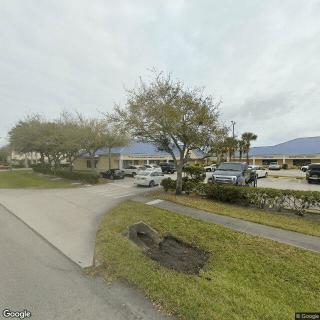
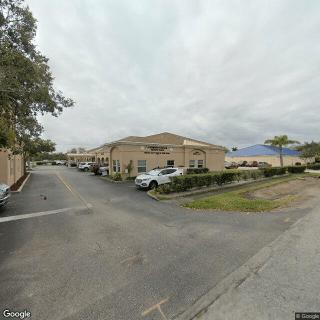
Consulate Health Care Of Vero Beach is a nursing home community in Vero Beach, FL.
Information last verified:
1310 37Th Street, Vero Beach, FL 32960
For more information about senior living options: (866) 208-4318
3.8 from 114 reviews
5 stars
66
4 stars
15
3 stars
3
2 stars
1
1 stars
29
Overall Review of Consulate Health Care Of Vero Beach
differentiator22 reviews mention this
Care and rehab quality are mixed
Residents and families describe substantial differences in day-to-day nursing and rehab consistency.
Many reviewers describe meaningful progress through rehabilitation and supportive nursing, including examples of thorough physical therapy and staff helping loved ones regain mobility. Several also point to specific breakdowns in care coordination, including delayed help, missed or incorrect medication processes, and concerns about basic follow-through after hospital transfer or discharge planning. Across reviews, the pattern isn’t uniform: some families say the team was knowledgeable and responsive, while others felt the level of care did not match the needs of their loved ones.
common30 reviews mention this
Staff attentiveness stands out
A lot of reviewers praise staff as friendly, caring, and quick to respond.
A recurring theme is that staff members come across as kind, professional, and helpful, with reviewers highlighting supportive interactions and prompt help when concerns were raised. Some reviewers also specifically call out staff members as warm, responsive, and attentive to comfort and daily needs. At the same time, a sizeable minority of reviews describe slow call-light response, difficulty reaching the nurses’ station or medical staff, and frustration when questions were not answered in a timely way.
caveat18 reviews mention this
Facility cleanliness is a flashpoint
Reviews frequently mention cleanliness, with reactions ranging from spotless to alarming.
Several reviewers say the facility is kept clean and tidy, including comments about fresh cleanliness and well-maintained rooms. Other reviews, however, describe serious cleanliness concerns such as stained sheets, pest issues, trash on floors, and rooms they felt were not cleaned regularly. Because both types of experiences show up in the feedback, cleanliness appears inconsistent across stays and areas mentioned by residents and families.
common6 reviews mention this
Food receives both praise and critique
Dining is discussed enough to be noticeable, with some calling it delicious and others wanting improvement.
Some reviewers say their loved ones like the food, and one specifically calls the meals delicious, pairing that with a generally positive impression of care. Another reviewer says the staff gives good care but that the menu could be improved. The community also offers restaurant-style dining per its listed dining features, which aligns with why food comes up in the reviews.
caveat17 reviews mention this
Communication and staffing feel uneven
A recurring concern is difficulty getting timely answers, even when families are calling repeatedly.
A common negative theme is that families struggle to reach the facility or get questions addressed, including unanswered phone calls and long waits for assistance. Some reviews also describe what they perceived as understaffing and long response times for call lights, with concerns about delays affecting comfort and basic needs. When communication did work, other reviewers describe responsive staff—so the experience appears inconsistent across units and time periods mentioned.
How we summarize
Counts show how many written reviews mention each theme; a review can touch several themes, and only frequently mentioned themes are displayed.
Features
Housing
159 resident community capacity
Types of Care
Skilled Nursing Facility
Amenities
Air-conditioning
Beauty salon
Cable or satellite TV
Computer center
Dining room
Fitness room
Fully furnished
Gaming room
Garden
Housekeeping services
Kitchenette
Move-in coordination
Outdoor space
Private bathrooms
Restaurant-style dining
Small library
Telephone
Wellness center
Wi-Fi/high-speed internet available
Transportation
Community operated transportation
Transportation arrangement
Transportation arrangement (non-medical)
Transportation to doctors appointments
Care Services
12-16 hour nursing
24-hour call system
24-hour supervision
Activities of daily living assistance
Assistance with bathing
Assistance with dressing
Assistance with transfers
Diabetes diet
Meal preparation and service
Medication management
Mental wellness program
Special dietary restrictions
Dining
Diabetes diet
Special dietary restrictions
Activities
Community-sponsored activities
Concierge services
Fitness programs
Planned day trips
Resident-run activities
Scheduled daily activities
Nearby Places of Interest
Physicians
Tim Ioannides, MD (0 miles)
The Advance Center for Surgery (0.1 miles)
Vero Cosmetic Surgery and MediSpa - Bailor MD Frazier MD (0.1 miles)
Indian River Gynecology MD FACOG (0.2 miles)
Cardiology Associates (0.2 miles)
Indian River Primary Care (0.2 miles)
Indian River Cardiac Rehab Center (0.2 miles)
Hospitals
Medical Specialty Procedures L.C (0.1 miles)
Indian River Memorial Hospital Heliport (0.1 miles)
California's Form 602A is a vital tool for evaluating the health needs of seniors seeking residential care, detailing their medical conditions and daily living requirements to ensure proper service alignment. This standardized form enhances communication among physicians, families, and facilities, serving as a regulatory measure for admissions and ongoing care while adapting to changing healthcare practices.
The overview of blood pressure management for seniors emphasizes the importance of monitoring and interpreting blood pressure readings, noting that normal ranges can vary due to age-related factors and individual health conditions. It highlights tailored guidelines for systolic and diastolic levels, the necessity of early detection and consistent management to prevent serious health complications, and advocates for personalized care strategies that incorporate lifestyle changes and medication adherence.
Dogs can greatly improve the lives of older adults by offering emotional support and encouraging physical activity, with factors such as size, temperament, and grooming needs being crucial in selecting a suitable breed. Senior dogs often make ideal companions for this demographic, promoting social connections and requiring care routines that align with seniors' capabilities.
Get PricingAsk A QuestionSchedule A TourContact Senior Advisor
By clicking submit, you agree to our Partner's Terms of Use. You
also consent to receive calls and texts, which may be autodialed, from our Partner. Your consent is not a condition to
using our Partner's service. Please visit our Partner's Privacy Policy for information about their privacy practices.

 159 resident community capacity
 Skilled Nursing Facility
 Air-conditioning
 Beauty salon
 Cable or satellite TV
 Computer center
 Dining room
 Fitness room
 Fully furnished
 Gaming room
 Garden
 Housekeeping services
 Kitchenette
 Move-in coordination
 Outdoor space
 Private bathrooms
 Restaurant-style dining
 Small library
 Telephone
 Wellness center
 Wi-Fi/high-speed internet available
 Community operated transportation
 12-16 hour nursing
 24-hour call system
 Activities of daily living assistance
 Assistance with bathing
 Assistance with dressing
 Assistance with transfers
 Diabetes diet
 Medication management
 Mental wellness program
 Special dietary restrictions
 Concierge services
 Planned day trips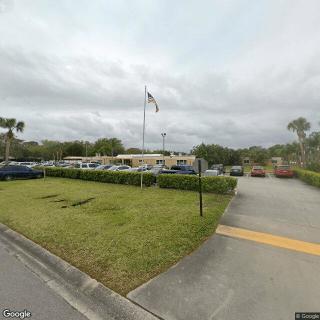
 Immaculate facility with caring staff and effective rehab programs.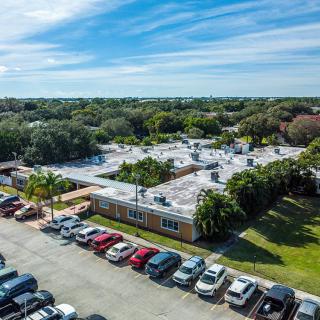


 California's Form 602A: An In-Depth Examination of Senior Care Assessment
 Comprehensive Look at Senior Blood Pressure Charts: Normal and Elevated Levels by Age
 Top Canine Companions for Older Adults