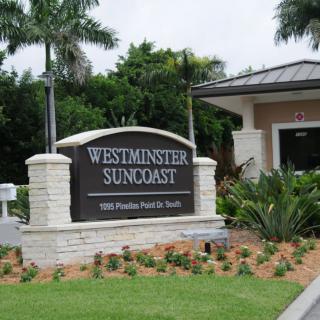
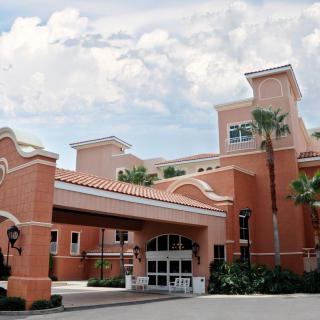
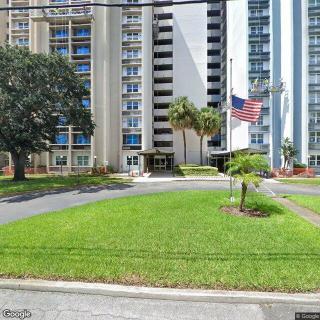
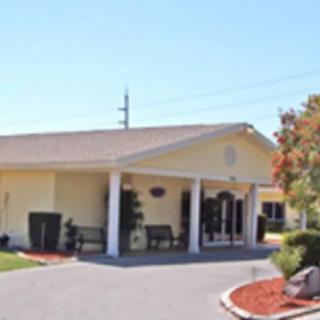
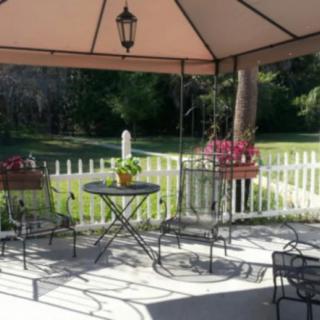
Pinellas Point Nursing And Rehab Center in Saint Petersburg, FL

Save

Pinellas Point Nursing And Rehab Center in Saint Petersburg, FL

Information last verified:

5601 31St Street S, Saint Petersburg, FL 33712

For more information about senior living options: (844) 490-3973

3.9 from 36 reviews
5 stars
21
4 stars
6
3 stars
0
2 stars
1
1 stars
8

Overall Review of Pinellas Point Nursing And Rehab Center

Pros

  • pro The staff are professional, caring, and go above and beyond to make residents feel comfortable and supported.
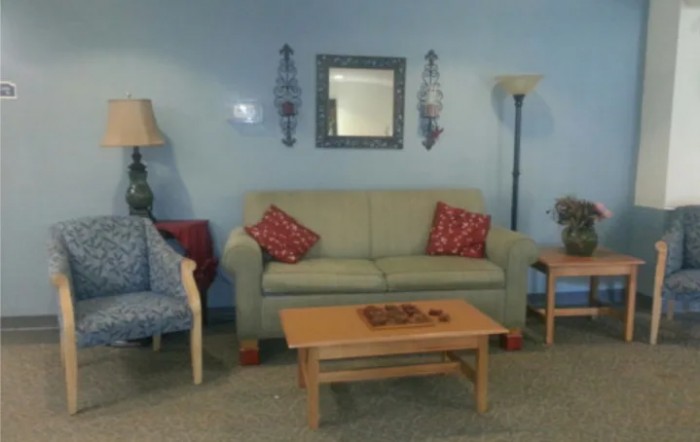
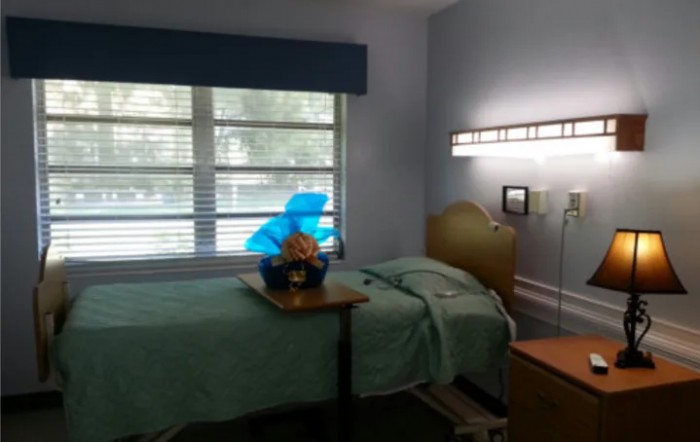
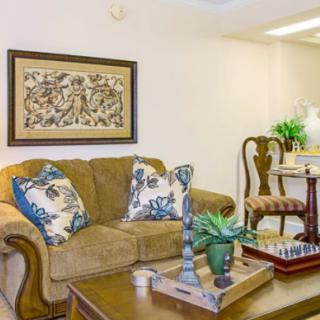
  • pro The facility is clean, well-maintained, and has a warm, welcoming atmosphere.
  • pro The nursing team is attentive and compassionate, treating residents with dignity and respect.
  • pro The rehab staff goes above and beyond to encourage progress and celebrate milestones.
  • pro Communication with families is excellent, keeping them informed and confident that their loved ones are in good hands.
  • pro The team demonstrates genuine care and clearly loves what they do, which shows in interactions with residents and families.
  • pro The management team is proud of the work they do and consistently maintains high standards of care.
  • pro The staff truly cares about the residents and works hard every day.
  • pro The therapy team is fabulous and helps residents progress toward their goals.
  • pro The facility maintains high standards of cleanliness and hygiene, creating a welcoming environment.

Cons

  • pro The reviewer warns not to send family here, claiming they’d catch scabies and that management would misdiagnose or neglect treatment unless the state is involved, alleging a cover-up for months.
  • pro It is described as dirty and poorly maintained, with litter on the floor, an overpowering odor of urine, mold in windows, and unsanitary laundry and towels contaminated with feces.
  • pro The facility is portrayed as understaffed, repeatedly running out of wipes, diapers, trash bags, and clean linens.
  • pro Residents are allegedly left in urine-saturated diapers for long periods, with staff calling it “therapeutic” while the patient cries.
  • pro Communication with families is described as broken, with information often false or not shared, and a total breakdown of contact from administration to front desk.
  • pro Call lights are shut off and ignored, with staff not addressing patients’ needs or concerns and frequently leaving the room.
  • pro The facility is said to fail in upholding residents’ respect and dignity, with pervasive cleanliness and health-code concerns, and an overall depressing atmosphere.
  • pro The building is old and lacks accessibility features (no ADA bathroom) and imposes restrictions on leaving, hindering support from family.
  • pro A reviewer notes a friend’s death attributed to not receiving proper care, highlighting severe care failures.
  • pro The front desk is described as incompetent, and nurses are criticized for not answering questions.

Review

Pinellas Point Nursing and Rehab Center is best suited for families seeking a rehab-forward environment where skilled therapy and attentive nursing care come with a warm, family-friendly atmosphere. The community clearly delivers strong momentum in rehabilitation, with therapists who tailor plans, celebrate progress, and push residents toward meaningful gains. It is especially compelling for residents recovering from surgery, stroke, or other mobility challenges who need coordinated care across nursing, therapy, and dietary teams. Those who value clear, ongoing family communication and a welcoming setting will find this facility aligns with their expectations. However, for families that require unwavering hygiene standards, perfectly consistent staffing, and flawless day-to-day safety, alternatives may be preferable. The balance here tilts toward rehab efficacy and personal connection, with operational caveats that demand vigilance.

On the upside, the therapy and nursing teams stand out as the core strength. Residents consistently describe the rehab force as dedicated, capable, and empowering, therapists who drive progress and support independent function, backed by nurses who are attentive and respectful. Family communication is repeatedly highlighted as a strength, with updates that keep loved ones informed and involved in decision-making. The environment is repeatedly depicted as clean, organized, and welcoming, reinforcing a sense of safety and dignity. Wound care and specialized nursing receive particular praise, underscoring Pinellas Point’s ability to deliver complex care within a supportive framework. In practice, the clinical experience here can translate into tangible improvements in mobility, strength, and confidence, which is the decisive advantage for what the facility does best.

Yet the sentiment from several families cannot be ignored: serious concerns about hygiene, staffing levels, and day-to-day responsiveness. Reports ranging from litter and dirty laundry to shortages of wipes and essential supplies raise questions about the facility’s basic sanitation and operational consistency. A number of reviewers recount call lights left unanswered or information that proves inconsistent or later contradicted, eroding trust in communication. Some accounts describe residents left in soiled conditions for troubling lengths of time, and a few families perceive a lack of gentleness or respect in interactions with patients. The spectrum of experiences includes praise for care teams and sharp critique of management and housekeeping, suggesting that Pinellas Point can be a source of comfort and healing for some while presenting genuine risks for others depending on shifts, staff coverage, and daily rigor.

These contrasting realities matter because they help determine how the pros offset the cons. For residents whose primary goal is recovery and a quick return home, the robust rehab and dedicated nursing can deliver real progress that makes the trade-offs feel manageable. The therapy team’s effectiveness, coupled with competent wound care and a caregiving culture that includes family input, can smooth the path to greater independence. However, if staffing gaps persist or cleaning routines lapse, the gains from therapy may be undermined by discomfort, anxiety, and doubt about safety. The quality and consistency of day-to-day operations, cleanliness, supply availability, and reliable call-light responsiveness, are the make-or-break factors that determine whether the rehab benefits translate into a reliable, livable experience.

For families weighing alternatives, the decision hinges on tolerance for operational risk versus rehab payoff. Those who cannot tolerate even occasional lapses in hygiene, or who require highly dependable staffing and immediate problem resolution, may prefer other facilities with a demonstrably steadier track record on cleanliness and everyday safety. If ADA accessibility, predictable environmental standards, and consistently attentive front-line staff are must-haves, exploring other options may prevent future friction. Pinellas Point’s rehab strengths are undeniably compelling, but the trade-off involves ongoing advocacy and careful monitoring of daily care practices. In short, this is a facility where excellent therapy and heartfelt staff can coexist with material concerns that require proactive family involvement.

Bottom line: Pinellas Point offers practical value for families prioritizing rehabilitation momentum and compassionate care, provided one proceeds with clear expectations and a plan for active oversight. A thorough on-site tour is essential, along with direct conversations with the administrator and the director of nursing, and a chance to meet the therapy team and front-line caregivers. During visits, assess staffing levels, ask about call-light response times, and observe cleanliness and room maintenance firsthand. Compare these impressions with peers on infection control, supply availability, and transparency in communications. For the right resident and family, those prepared to advocate consistently and engage in ongoing coordination, Pinellas Point can deliver meaningful recovery and peace of mind. For others, particularly those prioritizing unwavering cleanliness, flawless day-to-day reliability, and unambiguous communication, exploring alternatives may yield greater predictability and reassurance.

Features

Housing

  • 60 resident community capacity 60 resident community capacity

Types of Care

  • Skilled Nursing Facility Skilled Nursing FacilitySkilled Nursing Facilities are crucial for seniors as they provide round-the-clock medical care, rehabilitation services, and assistance with daily activities. These facilities ensure that seniors receive the specialized care they need to maintain their health and well-being as they age.

Amenities

  • Air-conditioning Air-conditioningAir conditioning is important for seniors as they are more vulnerable to heat-related illnesses and may have underlying health conditions that make it difficult for them to regulate their body temperature. It helps to keep them comfortable, safe, and healthy in hot weather.
  • Beauty salon Beauty salonBeauty salons are important for seniors because they provide a space for them to feel pampered, socialize, and maintain their personal grooming and hygiene. Regular visits to a beauty salon can help boost seniors' self-esteem and overall well-being.
  • Cable or satellite TV Cable or satellite TVCable or satellite TV is important for seniors because it provides entertainment, news, and companionship, helping to combat loneliness and boredom. It also offers a wide range of programming options tailored to different interests and preferences.
  • Computer center Computer centerA computer center is essential for seniors as it provides access to technology, communication tools, and resources that can enhance their daily lives. It allows them to stay connected with loved ones, engage in online activities, and learn new skills, ultimately promoting socialization and mental stimulation.
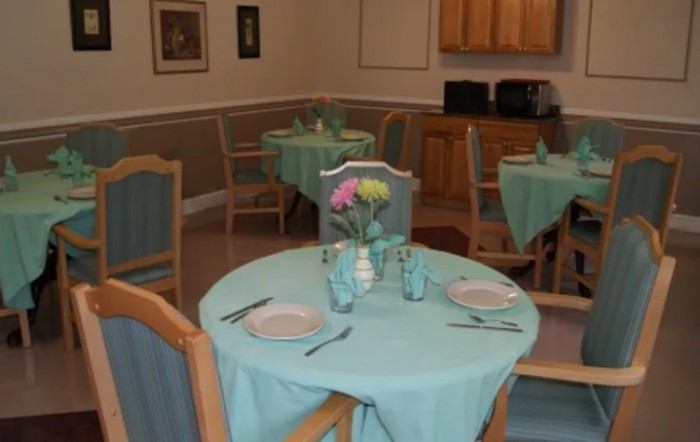
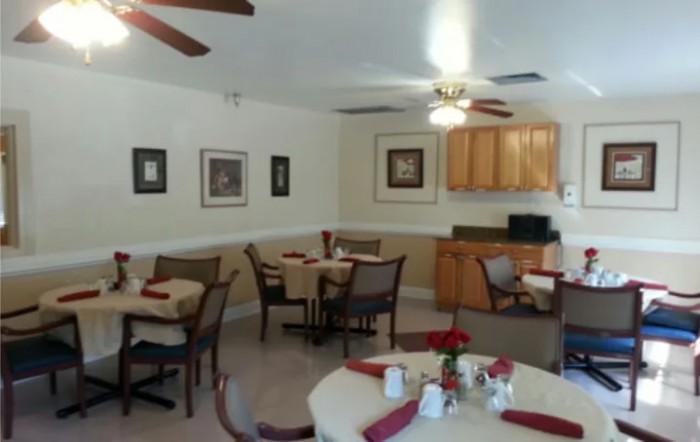
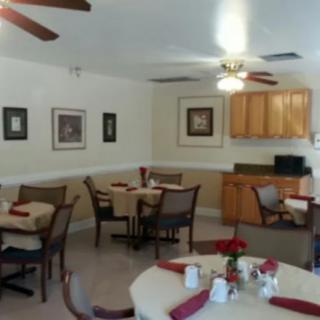
  • Dining room Dining roomDining rooms are important for seniors as they provide a space for socialization, connection, and nutritious meals. They offer opportunities for residents to bond over shared meals, foster a sense of community, and promote healthy eating habits. Dining rooms also ensure that seniors have access to well-balanced meals tailored to their dietary needs and preferences.
  • Fitness room Fitness roomHaving a fitness room in a senior living community is essential for seniors to stay active, maintain their physical health, and improve their overall well-being. Regular exercise can help prevent falls, reduce the risk of chronic diseases, and promote mental sharpness. It also provides social opportunities for residents to connect with others and enjoy a sense of community.
  • Fully furnished Fully furnishedFully furnished senior living communities are important for seniors because they provide convenience, comfort, and a hassle-free moving experience. Seniors can easily settle into their new living space without the stress of having to buy and move furniture. This allows them to focus on enjoying their new home and community.
  • Gaming room Gaming roomGaming rooms are important for seniors as they provide a fun and engaging environment for socializing, cognitive stimulation, and physical activity. Games can improve memory, problem-solving skills, and overall mental well-being while fostering friendships and reducing feelings of isolation.
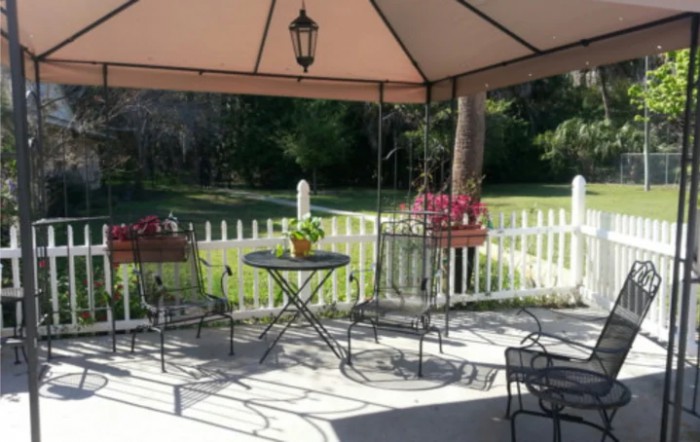
  • Garden GardenGardens are important for seniors as they provide a peaceful and therapeutic environment for relaxation, physical activity, and socialization. Being in nature has been shown to reduce stress, improve mood, and promote overall well-being. Gardens also offer opportunities for seniors to engage in gardening activities, which can improve mobility, flexibility, and cognitive function. Additionally, gardens create a sense of community and connection with others who share a passion for plants and outdoor spaces.
  • Housekeeping services Housekeeping servicesHousekeeping services are important for seniors because they help maintain a clean and safe living environment, promote independence, and reduce the risk of accidents or illnesses. Additionally, having assistance with household chores can alleviate physical strain and allow seniors to focus on other aspects of their well-being.
  • Kitchenette KitchenetteKitchenettes are important for seniors living in senior living communities because they provide the convenience and independence of being able to prepare simple meals and snacks in the comfort of their own living space. This can help promote a sense of autonomy and well-being for seniors, allowing them to maintain some level of control over their dietary choices and daily routines.
  • Move-in coordination Move-in coordinationMove-in coordination is important for seniors because it helps ease the transition into their new living environment. It ensures that all logistics, such as packing, organizing movers, and setting up utilities are taken care of, allowing seniors to focus on settling in and adjusting to their new home. Having a smooth move-in process can alleviate stress and anxiety, making the transition smoother and more enjoyable for seniors.
  • Outdoor space Outdoor spaceOutdoor spaces are important for seniors as they provide opportunities for physical activity, social interaction, exposure to natural light and fresh air, and a sense of connection to nature. Having access to outdoor spaces can improve overall well-being and quality of life for older adults living in senior communities.
  • Private bathrooms Private bathroomsPrivate bathrooms are important for seniors in senior living communities because they provide independence, dignity, and comfort. Having a private bathroom allows seniors to maintain their personal hygiene routines without the need for assistance, promoting a sense of autonomy and privacy. Additionally, private bathrooms help prevent the spread of infections and provide a safe and clean environment for seniors to navigate safely.
  • Restaurant-style dining Restaurant-style diningRestaurant-style dining is important for seniors because it allows them to enjoy delicious, nutritious meals in a social and upscale setting. This enhances their dining experience, promotes healthy eating habits, and fosters socialization with fellow residents, ultimately contributing to their overall well-being and quality of life.
  • Small library Small librarySmall libraries are important for seniors as they provide access to a variety of reading materials, including books, newspapers, and magazines. This can help stimulate their minds, keep them engaged, and provide a sense of community through book clubs and other social activities. Additionally, reading has been shown to improve cognitive function and overall mental well-being in older adults.
  • Telephone TelephoneTelephones are important for seniors as they provide a lifeline for communication with loved ones, emergency services, and healthcare providers. They offer a sense of security and independence, enabling seniors to stay connected and access assistance when needed.
  • Wellness center Wellness centerWellness centers are important for seniors because they offer a variety of programs and services that promote physical, mental, and emotional well-being. These centers provide opportunities for exercise, socialization, education, and relaxation, helping seniors maintain their overall health and quality of life.
  • Wi-Fi/high-speed internet available Wi-Fi/high-speed internet availableWi-Fi/high-speed internet is important for seniors to stay connected with loved ones, access online resources, and participate in virtual activities to combat feelings of loneliness and isolation. It also allows them to easily manage healthcare needs, access entertainment, and engage in lifelong learning opportunities.

Transportation

  • St. Petersburg-Clearwater International (13 miles away) St. Petersburg-Clearwater International (13 miles away)
  • Tampa International (20 miles away) Tampa International (20 miles away)
  • Sarasota Bradenton International (23 miles away) Sarasota Bradenton International (23 miles away)
  • Community operated transportation Community operated transportationCommunity operated transportation is crucial for seniors as it provides them with the means to access essential services, social activities, and medical appointments. It allows seniors to maintain their independence and quality of life by ensuring they can participate in activities outside of their homes. Additionally, community-operated transportation services offer a safe and reliable way for seniors to travel without having to rely on family or friends for assistance.
  • Transportation arrangement Transportation arrangementTransportation arrangements are crucial for seniors as they may face challenges with driving, mobility, or access to public transportation. Having reliable transportation services ensures that seniors can easily attend appointments, social activities, and maintain their independence and quality of life.
  • Transportation arrangement (non-medical) Transportation arrangement (non-medical)Transportation arrangements are essential for seniors as they provide access to essential services, activities, and social interactions outside the home. This service helps maintain independence, mobility, and overall well-being for seniors who may have limited transportation options.
  • Transportation to doctors appointments Transportation to doctors appointmentsTransportation to doctors appointments is crucial for seniors as it ensures they have access to necessary medical care and support, promoting their health and well-being. It allows them to receive timely treatment, monitor existing conditions, and address any new health concerns efficiently. Additionally, transportation services can help seniors maintain their independence and quality of life by enabling them to stay connected with their healthcare providers.

Care Services

  • 12-16 hour nursing 12-16 hour nursing12-16 hour nursing care is crucial for seniors in order to ensure around-the-clock monitoring, timely medication administration, and prompt response to any health concerns or emergencies. This level of care helps to promote the overall well-being and safety of seniors living in senior living communities.
  • 24-hour call system 24-hour call system24-hour call systems are important for seniors because they provide peace of mind and immediate assistance in case of emergencies. This technology ensures that help is always available, promoting safety and security for elderly individuals living alone or in assisted living facilities.
  • 24-hour supervision 24-hour supervision24-hour supervision is important for seniors to ensure their safety, well-being, and access to immediate assistance in case of emergencies or health issues. This constant support provides peace of mind for both seniors and their loved ones, allowing them to age in place with dignity and security.
  • Activities of daily living assistance Activities of daily living assistanceActivities of daily living assistance are important for seniors because they provide essential support with tasks such as eating, bathing, dressing, and mobility. This assistance helps seniors maintain their independence, dignity, and overall quality of life as they age.
  • Assistance with bathing Assistance with bathingAssistance with bathing is crucial for seniors as it helps maintain personal hygiene, prevents infections, and ensures their overall well-being and comfort. It also provides a sense of dignity and independence for seniors who may struggle with this task on their own.
  • Assistance with dressing Assistance with dressingAssistance with dressing is important for seniors because it helps maintain their independence, promotes personal hygiene, prevents accidents and injuries, and improves overall quality of life. This service ensures that seniors can continue to dress comfortably and confidently, despite any physical limitations they may have.
  • Assistance with transfers Assistance with transfersAssistance with transfers is crucial for seniors as it helps prevent falls and injuries, maintains their independence, and ensures they can safely navigate their living environment. It also provides peace of mind for both seniors and their loved ones.
  • Diabetes diet Diabetes dietA diabetes diet is crucial for seniors as it helps manage blood sugar levels, reduce risks of complications, and improve overall health and well-being. By following a balanced and nutritious diet tailored to their specific needs, seniors can better control their diabetes and enhance their quality of life.
  • Meal preparation and service Meal preparation and serviceMeal preparation and service are crucial for seniors as they may have limited mobility or energy to cook nutritious meals. Having access to healthy and convenient food options can ensure they are getting the proper nutrition needed to maintain their overall health and well-being.
  • Medication management Medication managementMedication management is crucial for seniors to ensure they are taking the right medications at the correct dosages and times. This helps prevent adverse drug interactions, reduces the risk of medication errors, and promotes overall health and well-being. Proactive management also allows for adjustments as needed based on changing health conditions or new prescriptions.
  • Mental wellness program Mental wellness programMental wellness programs are essential for seniors as they promote cognitive stimulation, emotional support, and social engagement. These programs help prevent isolation, depression, and cognitive decline, ultimately enhancing the overall quality of life for older adults.
  • Special dietary restrictions Special dietary restrictionsSpecial dietary restrictions are important for seniors because age-related changes in metabolism and health conditions can make it difficult for their bodies to process certain foods. By following a diet tailored to their specific needs, seniors can maintain their overall health and well-being, manage chronic conditions, and reduce the risk of complications such as malnutrition or food interactions with medications.

Dining

  • Diabetes diet Diabetes dietA diabetes diet is crucial for seniors as it helps manage blood sugar levels, reduce risks of complications, and improve overall health and well-being. By following a balanced and nutritious diet tailored to their specific needs, seniors can better control their diabetes and enhance their quality of life.
  • Special dietary restrictions Special dietary restrictionsSpecial dietary restrictions are important for seniors because age-related changes in metabolism and health conditions can make it difficult for their bodies to process certain foods. By following a diet tailored to their specific needs, seniors can maintain their overall health and well-being, manage chronic conditions, and reduce the risk of complications such as malnutrition or food interactions with medications.

Activities

  • Community-sponsored activities Community-sponsored activitiesCommunity-sponsored activities are important for seniors as they provide opportunities for social interaction, mental stimulation, and physical activity. These activities can help improve overall well-being, combat loneliness and isolation, and promote a sense of belonging and purpose among older adults.
  • Concierge services Concierge servicesConcierge services are essential for seniors as they provide assistance with daily tasks and errands, enhance their quality of life by offering convenience and personalized care, and promote a sense of safety and security.
  • Fitness programs Fitness programsFitness programs are crucial for seniors as they help improve strength, flexibility, balance, and overall well-being. Staying active can reduce the risk of chronic diseases, improve mental health, and enhance quality of life in older adults.
  • Planned day trips Planned day tripsPlanned day trips are important for seniors because they offer opportunities for socialization, mental stimulation, and physical activity. They provide a change of scenery and help seniors stay engaged and connected to their community, promoting overall well-being and quality of life.
  • Resident-run activities Resident-run activitiesResident-run activities are important for seniors as they encourage social interaction, creativity, and a sense of autonomy. These activities empower seniors to stay engaged and active in their community while fostering meaningful connections with their peers.
  • Scheduled daily activities Scheduled daily activitiesScheduled daily activities are important for seniors because they provide structure, socialization, mental stimulation, and physical activity. Engaging in regular activities can improve overall well-being and quality of life for seniors living in a community setting.

Description

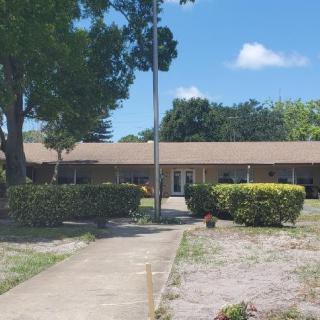
Pinellas Point Nursing And Rehab Center is an assisted living community located in Saint Petersburg, FL. We strive to provide a comfortable and enriching environment for our residents by offering a range of amenities and care services.

Our community offers various amenities to enhance the well-being of our residents. We have a beauty salon where residents can receive professional hair and nail services. Each room is equipped with cable or satellite TV for entertainment purposes. Our community provides transportation services, both operated by our staff and arranged through outside providers, ensuring that residents can easily access local destinations such as shopping centers and medical appointments. For those who wish to stay connected, we have a computer center with Wi-Fi/high-speed internet access.

Residents can enjoy their meals in our spacious dining room where restaurant-style dining is provided. Our kitchenette allows residents to prepare snacks or light meals as desired. For recreation and relaxation, we offer a fitness room and gaming room where residents can engage in physical activities or socialize with fellow residents. Our outdoor space includes a garden for residents to enjoy nature.

Care services are available around the clock to meet the needs of our residents. We have a 24-hour call system that ensures assistance is readily available when needed. Our dedicated staff provides 24-hour supervision and assistance with activities of daily living such as bathing, dressing, and transfers. We also offer medication management for those who need it.

We understand that every individual has unique dietary needs, which is why we accommodate special dietary restrictions such as diabetes diets or other medically necessary diets.

Keeping our residents engaged and active is important to us, which is why we offer various activities on a daily basis. Residents can participate in fitness programs, planned day trips, resident-run activities, or scheduled daily activities according to their interests.

In terms of nearby amenities, there are multiple cafes, parks, pharmacies, physicians' offices, restaurants, theaters, and hospitals in close proximity to our community.

At Pinellas Point Nursing And Rehab Center, we prioritize the comfort and well-being of our residents by providing a range of amenities and care services to meet their individual needs.

Videos

Nearby Places of Interest

Pharmacies

  • Walgreens (0.2 miles)
  • CVS Pharmacy (0.3 miles)
  • Walgreens (3.1 miles)
  • CVS Pharmacy (3.7 miles)
  • Octapharma Plasma (3.8 miles)
  • Walgreens (3.8 miles)
  • CVS Pharmacy (4.2 miles)

Restaurants

  • McDonald's (0.7 miles)
  • McDonald's (2.7 miles)
  • 3 Daughters Brewing (3.7 miles)
  • Casita Taqueria (3.8 miles)
  • The Dog Bar (3.8 miles)
  • Chick-Fil-A (3.9 miles)
  • Byte Federal Bitcoin ATM (Ferg's Sports Bar & Grill) (4 miles)

Parks

  • Bay Vista Park (2.3 miles)
  • Forrest Bluff Park (2.3 miles)
  • Roser Park (3.7 miles)
  • St Pete Pier Playground (4.9 miles)
  • Vinoy Park St Petersburg (5.2 miles)
  • North Shore Park (5.5 miles)
  • Crescent Lake Park (5.5 miles)

Cafes

  • Bandit Coffee Co. (3.7 miles)
  • Bula Kafe (4.2 miles)
  • Kahwa Coffee (4.8 miles)
  • Starbucks (4.9 miles)
  • Starbucks (5 miles)
  • Mazzaro's Italian Market (5.2 miles)
  • Panera Bread (5.5 miles)

Physicians

  • Price Hoffman Stone & Associates: Goodrum Aaron MD (3.8 miles)
  • Central Neurology Sleep Disorders Center (3.8 miles)
  • Retina Vitreous Associates (3.8 miles)
  • Allergy/Immunology (4.5 miles)
  • Suncoast Medical Clinic (4.5 miles)
  • BayCare Behavioral Health - St. Anthony's Primary Care (4.5 miles)
  • Bay Area Heart Center (4.6 miles)

Hospitals

  • Bayfront Health St. Petersburg (3.8 miles)
  • All Children's Hospital (3.9 miles)
  • All Children's Obgyn Specialists (4.4 miles)
  • St Anthony's Hospital (4.5 miles)

Theaters

  • AMC Sundial 12 (4.7 miles)

Places of Worship

  • Allendale United Methodist Church (6.4 miles)

Frequently Asked Questions

Where is Pinellas Point Nursing And Rehab Center?
What photos are available for Pinellas Point Nursing And Rehab Center in Saint Petersburg, Florida?

Nearby Communities

  • Angel Care Assisted Living

    Angel Care Assisted Living

    Saint Petersburg, FL

    4.1 from 49 reviews
    $2,600 to $4,000 / month

    pro Caring, professional staff and a clean, well-maintained environment.
  • Bay Pointe Nursing Pavilion

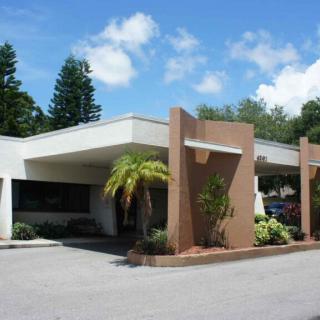
    Bay Pointe Nursing Pavilion

    Saint Petersburg, FL

    3.4 from 107 reviews
     

    pro Clean facility with friendly staff and engaging activities.

  • Grand Villa of St. Petersburg

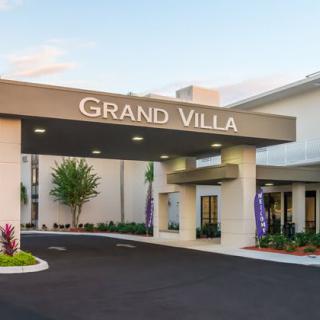
    Grand Villa of St. Petersburg

    Saint Petersburg, FL

    4.7 from 200 reviews
    $2,295 to $3,895 / month

    pro Clean, well-kept community with compassionate staff and engaging daily activities.

  • Grand Villa Of St Petersburg

    Grand Villa Of St Petersburg

    Saint Petersburg, FL

    4.6 from 100 reviews
     

    pro Full-service assisted living with 24/7 support, medication management, diabetes-friendly dining, and a wide range of amenities and activities.

  • Addington Place at College Harbor

    Addington Place at College Harbor

    Saint Petersburg, FL

    4.4 from 176 reviews
    $2,725 to $4,255 / month

    pro Warm, caring staff with engaging activities and clean, well-maintained surroundings.

  • Westminster Suncoast

    Westminster Suncoast

    St. Petersburg, FL

    4.1 from 107 reviews
    $2,497 to $3,938 / month

    pro Friendly, caring staff; clean facility with engaging activities and quality meals; convenient waterfront location.

  • Westminster Shores

    Westminster Shores

    St. Petersburg, FL

    4.5 from 93 reviews
    $2,453 to $4,134 / month

    pro Beautiful waterfront setting with friendly staff and strong social opportunities.

  • Arlington Arbor

    Arlington Arbor

    St. Petersburg, FL

    4.2 from 75 reviews
     

  • Egret Cove Center

    Egret Cove Center

    Saint Petersburg, FL

    3.5 from 17 reviews
     

    pro Extensive amenities and robust care services for residents.

Related Resources

  • private pay home careA Closer Look at Private Pay Home Care

    Private pay home care offers a flexible caregiving option for older adults and families who don't qualify for government programs, allowing them to directly fund in-home care services that range from daily assistance to specialized support. This model's customization potential enables aging in place while addressing financial considerations through strategic planning options, though clients must navigate marketplace challenges and ensure quality compliance.

  • what to do for arthritisComprehensive Approaches for Arthritis: A Detailed Guide to Symptoms, Causes, and Care

    Arthritis encompasses over 100 joint disorders affecting people of all ages, leading to symptoms like pain and stiffness that impair mobility and quality of life. Effective management involves early diagnosis, lifestyle changes, medical treatments, emotional support, and ongoing monitoring with healthcare professionals.

  • elderly fall preventionComprehensive Insights and Practical Strategies to Help Older Adults Avoid Falls

    The article highlights the high risk of falls among older adults due to factors like muscle weakness, vision issues, and environmental hazards, with one in four experiencing a fall annually. It advocates for a comprehensive prevention approach that includes exercise, home safety modifications, medication management, social support, and caregiver involvement.