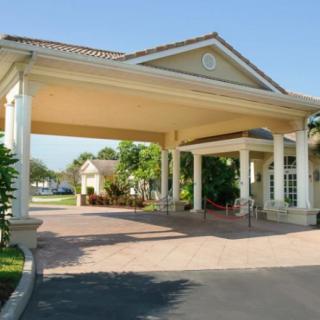
Port St Lucie Rehabilitation And Healthcare in Port Saint Lucie, FL

Save

Port St Lucie Rehabilitation And Healthcare in Port Saint Lucie, FL

7300 Oleander Avenue, Port Saint Lucie, FL 34952

For more information about senior living options: (844) 490-3973

3.7 from 67 reviews
5 stars
40
4 stars
6
3 stars
1
2 stars
2
1 stars
18

Skilled Nursing Facility

Overall Review of Port St Lucie Rehabilitation And Healthcare

Pros

  • pro The facility is very clean and is cleaned constantly.
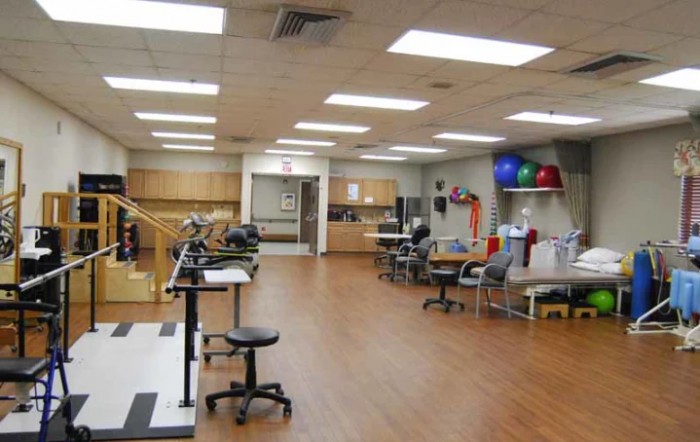
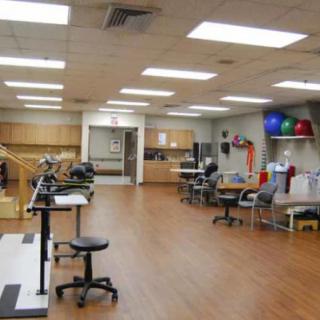
  • pro The physical therapy department is great, with Patrick delivering excellent care.
  • pro Natalie provided a lot of help to the patient.
  • pro Brenda, Daisy, and Alicia were attentive and personable nurses.
  • pro Frances and G Alamonte were always there for the patient.
  • pro The food was pretty good.
  • pro The staff seemed friendly and professional.
  • pro The stay was great, with no complaints.
  • pro All staff across admissions, nursing, therapy, social services, dietary, activities, front desk, security, and housekeeping were compassionate, efficient, and professional.

Cons

  • pro The facility is absolutely horrible and seems to care only about money, not the patients.
  • pro The staff were unresponsive to family calls and did not seem concerned after discharge.
  • pro The director of nursing is not fit for the position.
  • pro The short-term unit manager is no good.
  • pro The building is old, dirty, rundown, with leaking AC and ongoing maintenance issues.
  • pro The staff were careless and negligent, contributing to hospitalizations.
  • pro The facility is a disgrace and residents are ignored or treated as less than human.
  • pro The facility is unorganized, outdated, and dirty.
  • pro Some staff are rude and unprofessional toward residents and families.
  • pro Food quality was poor, meals were cold or not as ordered, and there were medication administration delays.

Review

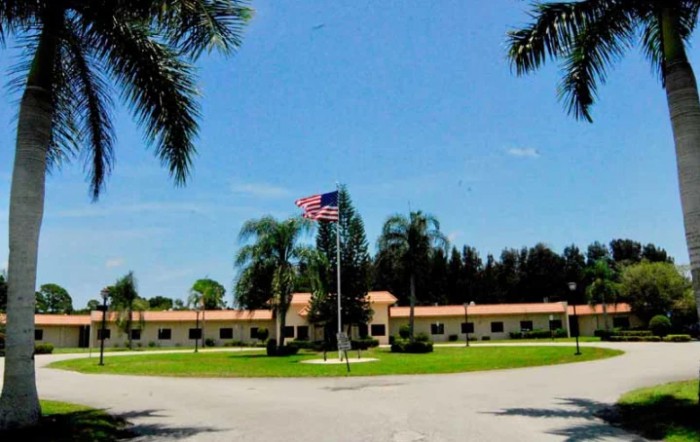
Port St. Lucie Rehabilitation and Healthcare is best suited for families pursuing aggressive rehabilitation and hands-on nursing care in a post-acute setting. The facility earns particular value for residents needing daily physical and occupational therapy, wound care, and close BP monitoring, with therapy teams and nurses who frequently earn praise for responsiveness and persona-laden attention. When therapy is the primary objective, the standout performers - therapists such as Patrick and the rest of the PT/OT group, alongside nurses like Alicia, Brenda, and Daisy - tend to drive meaningful gains and visible progress during recovery. A clean, cared-for environment reinforces the impression that effort and attentiveness are real, with families often noting prompt therapeutic engagement and a welcoming atmosphere.

Those considering alternatives should weigh the option if the priority is a consistently modern setting, flawless upkeep, and uniformly proactive administration. The reviews reveal a substantial contingent of families who prize current facilities and steady communication with leadership, and they express concern when those elements feel inconsistent. For long-term care, memory-support needs, or scenarios where reliable, trouble-free administration is non-negotiable, this community may present more variability in experience. Prospective families who value a consistently streamlined, modern environment and transparent, dependable management may want to look at other nearby options to avoid the risk of episodic lapses in service.

The strongest positives here center on the therapy program and daily nursing care. Numerous reviews highlight quick, competent wound care, effective rehab, and discharge planning that translates into home readiness. The nursing staff is repeatedly described as caring, patient, and hard-working, with particular praise for Alicia and other front-line caregivers who demonstrate steadiness under pressure. Cleanliness and general upkeep also surface as reliable strengths in many positive accounts. For families focused on tangible functional gains and steady, compassionate day-to-day care, these elements can meaningfully offset concerns about age or occasional management missteps.

However, the cons cited across reviews are substantial enough to demand caution. Some families report rude or dismissive interactions, strained communication with administration, and what appears to be inconsistent responsiveness during critical moments. There are repeated warnings about understaffing, maintenance issues, and the facility's aging infrastructure, with accounts of leaks, cleanliness lapses, and odors. Several reviews recount serious safety concerns - falls, bedsores, infections, and hospital readmissions - that some attribute, at least in part, to delays or gaps in care. The most alarming critiques describe dismissive admin responses and a lack of proactive outreach to families, underscoring that care quality can hinge on individual staff and shifts.

Given the mixed experiences, the decision hinges on risk tolerance and care focus. For a family prioritizing rehab outcomes and diligent nursing care - where the therapy team is engaged and the patient can benefit from daily, goal-directed rehabilitation - Port St. Lucie Rehabilitation and Healthcare can be a strong, workable option. Yet for those who require a consistently modern facility, impeccably maintained public areas, and a uniformly high level of administrative communication and oversight, alternatives may offer more predictable experiences. The facility's best-case scenarios are compelling, but the worst-case scenarios are sufficiently severe to warrant thorough due diligence.

To proceed with confidence, prospective families should schedule a candid tour, request to meet the treatment team in advance, and speak directly with the DON or the admissions liaison to understand current staffing levels, therapy schedules, and care planning protocols. Ask for recent quality metrics, incident reports, and a clear outline of how pressure ulcers, UTIs, or falls are prevented and managed. Verify how family updates are handled, and insist on a transparent pathway for escalation if concerns arise. In the end, the right fit depends on balancing the proven potency of rehab services and compassionate bedside care against the realities of facility age, maintenance issues, and the consistency of administrative responsiveness.

Features

Housing

  • 180 resident community capacity 180 resident community capacity

Types of Care

  • Skilled Nursing Facility Skilled Nursing FacilitySkilled Nursing Facilities are crucial for seniors as they provide round-the-clock medical care, rehabilitation services, and assistance with daily activities. These facilities ensure that seniors receive the specialized care they need to maintain their health and well-being as they age.

Amenities

  • Air-conditioning Air-conditioningAir conditioning is important for seniors as they are more vulnerable to heat-related illnesses and may have underlying health conditions that make it difficult for them to regulate their body temperature. It helps to keep them comfortable, safe, and healthy in hot weather.
  • Beauty salon Beauty salonBeauty salons are important for seniors because they provide a space for them to feel pampered, socialize, and maintain their personal grooming and hygiene. Regular visits to a beauty salon can help boost seniors' self-esteem and overall well-being.
  • Cable or satellite TV Cable or satellite TVCable or satellite TV is important for seniors because it provides entertainment, news, and companionship, helping to combat loneliness and boredom. It also offers a wide range of programming options tailored to different interests and preferences.
  • Computer center Computer centerA computer center is essential for seniors as it provides access to technology, communication tools, and resources that can enhance their daily lives. It allows them to stay connected with loved ones, engage in online activities, and learn new skills, ultimately promoting socialization and mental stimulation.
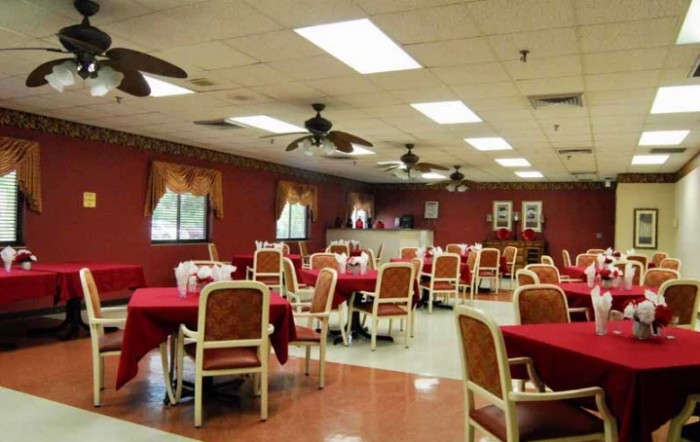
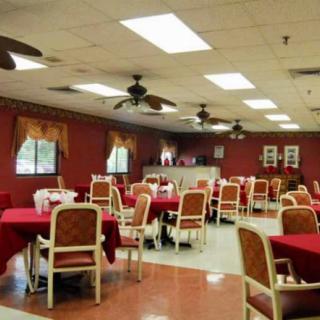
  • Dining room Dining roomDining rooms are important for seniors as they provide a space for socialization, connection, and nutritious meals. They offer opportunities for residents to bond over shared meals, foster a sense of community, and promote healthy eating habits. Dining rooms also ensure that seniors have access to well-balanced meals tailored to their dietary needs and preferences.
  • Fitness room Fitness roomHaving a fitness room in a senior living community is essential for seniors to stay active, maintain their physical health, and improve their overall well-being. Regular exercise can help prevent falls, reduce the risk of chronic diseases, and promote mental sharpness. It also provides social opportunities for residents to connect with others and enjoy a sense of community.
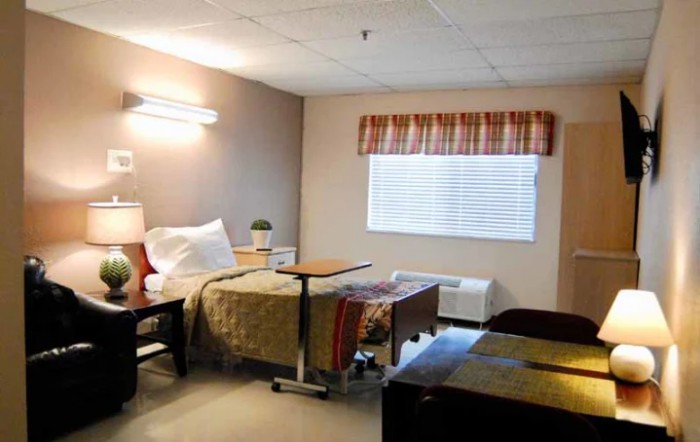
  • Fully furnished Fully furnishedFully furnished senior living communities are important for seniors because they provide convenience, comfort, and a hassle-free moving experience. Seniors can easily settle into their new living space without the stress of having to buy and move furniture. This allows them to focus on enjoying their new home and community.
  • Gaming room Gaming roomGaming rooms are important for seniors as they provide a fun and engaging environment for socializing, cognitive stimulation, and physical activity. Games can improve memory, problem-solving skills, and overall mental well-being while fostering friendships and reducing feelings of isolation.
  • Garden GardenGardens are important for seniors as they provide a peaceful and therapeutic environment for relaxation, physical activity, and socialization. Being in nature has been shown to reduce stress, improve mood, and promote overall well-being. Gardens also offer opportunities for seniors to engage in gardening activities, which can improve mobility, flexibility, and cognitive function. Additionally, gardens create a sense of community and connection with others who share a passion for plants and outdoor spaces.
  • Housekeeping services Housekeeping servicesHousekeeping services are important for seniors because they help maintain a clean and safe living environment, promote independence, and reduce the risk of accidents or illnesses. Additionally, having assistance with household chores can alleviate physical strain and allow seniors to focus on other aspects of their well-being.
  • Kitchenette KitchenetteKitchenettes are important for seniors living in senior living communities because they provide the convenience and independence of being able to prepare simple meals and snacks in the comfort of their own living space. This can help promote a sense of autonomy and well-being for seniors, allowing them to maintain some level of control over their dietary choices and daily routines.
  • Move-in coordination Move-in coordinationMove-in coordination is important for seniors because it helps ease the transition into their new living environment. It ensures that all logistics, such as packing, organizing movers, and setting up utilities are taken care of, allowing seniors to focus on settling in and adjusting to their new home. Having a smooth move-in process can alleviate stress and anxiety, making the transition smoother and more enjoyable for seniors.
  • Outdoor space Outdoor spaceOutdoor spaces are important for seniors as they provide opportunities for physical activity, social interaction, exposure to natural light and fresh air, and a sense of connection to nature. Having access to outdoor spaces can improve overall well-being and quality of life for older adults living in senior communities.
  • Private bathrooms Private bathroomsPrivate bathrooms are important for seniors in senior living communities because they provide independence, dignity, and comfort. Having a private bathroom allows seniors to maintain their personal hygiene routines without the need for assistance, promoting a sense of autonomy and privacy. Additionally, private bathrooms help prevent the spread of infections and provide a safe and clean environment for seniors to navigate safely.
  • Restaurant-style dining Restaurant-style diningRestaurant-style dining is important for seniors because it allows them to enjoy delicious, nutritious meals in a social and upscale setting. This enhances their dining experience, promotes healthy eating habits, and fosters socialization with fellow residents, ultimately contributing to their overall well-being and quality of life.
  • Small library Small librarySmall libraries are important for seniors as they provide access to a variety of reading materials, including books, newspapers, and magazines. This can help stimulate their minds, keep them engaged, and provide a sense of community through book clubs and other social activities. Additionally, reading has been shown to improve cognitive function and overall mental well-being in older adults.
  • Telephone TelephoneTelephones are important for seniors as they provide a lifeline for communication with loved ones, emergency services, and healthcare providers. They offer a sense of security and independence, enabling seniors to stay connected and access assistance when needed.
  • Wellness center Wellness centerWellness centers are important for seniors because they offer a variety of programs and services that promote physical, mental, and emotional well-being. These centers provide opportunities for exercise, socialization, education, and relaxation, helping seniors maintain their overall health and quality of life.
  • Wi-Fi/high-speed internet available Wi-Fi/high-speed internet availableWi-Fi/high-speed internet is important for seniors to stay connected with loved ones, access online resources, and participate in virtual activities to combat feelings of loneliness and isolation. It also allows them to easily manage healthcare needs, access entertainment, and engage in lifelong learning opportunities.

Transportation

  • Community operated transportation Community operated transportationCommunity operated transportation is crucial for seniors as it provides them with the means to access essential services, social activities, and medical appointments. It allows seniors to maintain their independence and quality of life by ensuring they can participate in activities outside of their homes. Additionally, community-operated transportation services offer a safe and reliable way for seniors to travel without having to rely on family or friends for assistance.
  • Transportation arrangement Transportation arrangementTransportation arrangements are crucial for seniors as they may face challenges with driving, mobility, or access to public transportation. Having reliable transportation services ensures that seniors can easily attend appointments, social activities, and maintain their independence and quality of life.
  • Transportation arrangement (non-medical) Transportation arrangement (non-medical)Transportation arrangements are essential for seniors as they provide access to essential services, activities, and social interactions outside the home. This service helps maintain independence, mobility, and overall well-being for seniors who may have limited transportation options.
  • Transportation to doctors appointments Transportation to doctors appointmentsTransportation to doctors appointments is crucial for seniors as it ensures they have access to necessary medical care and support, promoting their health and well-being. It allows them to receive timely treatment, monitor existing conditions, and address any new health concerns efficiently. Additionally, transportation services can help seniors maintain their independence and quality of life by enabling them to stay connected with their healthcare providers.

Care Services

  • 12-16 hour nursing 12-16 hour nursing12-16 hour nursing care is crucial for seniors in order to ensure around-the-clock monitoring, timely medication administration, and prompt response to any health concerns or emergencies. This level of care helps to promote the overall well-being and safety of seniors living in senior living communities.
  • 24-hour call system 24-hour call system24-hour call systems are important for seniors because they provide peace of mind and immediate assistance in case of emergencies. This technology ensures that help is always available, promoting safety and security for elderly individuals living alone or in assisted living facilities.
  • 24-hour supervision 24-hour supervision24-hour supervision is important for seniors to ensure their safety, well-being, and access to immediate assistance in case of emergencies or health issues. This constant support provides peace of mind for both seniors and their loved ones, allowing them to age in place with dignity and security.
  • Activities of daily living assistance Activities of daily living assistanceActivities of daily living assistance are important for seniors because they provide essential support with tasks such as eating, bathing, dressing, and mobility. This assistance helps seniors maintain their independence, dignity, and overall quality of life as they age.
  • Assistance with bathing Assistance with bathingAssistance with bathing is crucial for seniors as it helps maintain personal hygiene, prevents infections, and ensures their overall well-being and comfort. It also provides a sense of dignity and independence for seniors who may struggle with this task on their own.
  • Assistance with dressing Assistance with dressingAssistance with dressing is important for seniors because it helps maintain their independence, promotes personal hygiene, prevents accidents and injuries, and improves overall quality of life. This service ensures that seniors can continue to dress comfortably and confidently, despite any physical limitations they may have.
  • Assistance with transfers Assistance with transfersAssistance with transfers is crucial for seniors as it helps prevent falls and injuries, maintains their independence, and ensures they can safely navigate their living environment. It also provides peace of mind for both seniors and their loved ones.
  • Diabetes diet Diabetes dietA diabetes diet is crucial for seniors as it helps manage blood sugar levels, reduce risks of complications, and improve overall health and well-being. By following a balanced and nutritious diet tailored to their specific needs, seniors can better control their diabetes and enhance their quality of life.
  • Meal preparation and service Meal preparation and serviceMeal preparation and service are crucial for seniors as they may have limited mobility or energy to cook nutritious meals. Having access to healthy and convenient food options can ensure they are getting the proper nutrition needed to maintain their overall health and well-being.
  • Medication management Medication managementMedication management is crucial for seniors to ensure they are taking the right medications at the correct dosages and times. This helps prevent adverse drug interactions, reduces the risk of medication errors, and promotes overall health and well-being. Proactive management also allows for adjustments as needed based on changing health conditions or new prescriptions.
  • Mental wellness program Mental wellness programMental wellness programs are essential for seniors as they promote cognitive stimulation, emotional support, and social engagement. These programs help prevent isolation, depression, and cognitive decline, ultimately enhancing the overall quality of life for older adults.
  • Special dietary restrictions Special dietary restrictionsSpecial dietary restrictions are important for seniors because age-related changes in metabolism and health conditions can make it difficult for their bodies to process certain foods. By following a diet tailored to their specific needs, seniors can maintain their overall health and well-being, manage chronic conditions, and reduce the risk of complications such as malnutrition or food interactions with medications.

Dining

  • Diabetes diet Diabetes dietA diabetes diet is crucial for seniors as it helps manage blood sugar levels, reduce risks of complications, and improve overall health and well-being. By following a balanced and nutritious diet tailored to their specific needs, seniors can better control their diabetes and enhance their quality of life.
  • Special dietary restrictions Special dietary restrictionsSpecial dietary restrictions are important for seniors because age-related changes in metabolism and health conditions can make it difficult for their bodies to process certain foods. By following a diet tailored to their specific needs, seniors can maintain their overall health and well-being, manage chronic conditions, and reduce the risk of complications such as malnutrition or food interactions with medications.

Activities

  • Community-sponsored activities Community-sponsored activitiesCommunity-sponsored activities are important for seniors as they provide opportunities for social interaction, mental stimulation, and physical activity. These activities can help improve overall well-being, combat loneliness and isolation, and promote a sense of belonging and purpose among older adults.
  • Concierge services Concierge servicesConcierge services are essential for seniors as they provide assistance with daily tasks and errands, enhance their quality of life by offering convenience and personalized care, and promote a sense of safety and security.
  • Fitness programs Fitness programsFitness programs are crucial for seniors as they help improve strength, flexibility, balance, and overall well-being. Staying active can reduce the risk of chronic diseases, improve mental health, and enhance quality of life in older adults.
  • Planned day trips Planned day tripsPlanned day trips are important for seniors because they offer opportunities for socialization, mental stimulation, and physical activity. They provide a change of scenery and help seniors stay engaged and connected to their community, promoting overall well-being and quality of life.
  • Resident-run activities Resident-run activitiesResident-run activities are important for seniors as they encourage social interaction, creativity, and a sense of autonomy. These activities empower seniors to stay engaged and active in their community while fostering meaningful connections with their peers.
  • Scheduled daily activities Scheduled daily activitiesScheduled daily activities are important for seniors because they provide structure, socialization, mental stimulation, and physical activity. Engaging in regular activities can improve overall well-being and quality of life for seniors living in a community setting.

Description

Port St Lucie Rehabilitation And Healthcare is an assisted living community located in Port Saint Lucie, FL. Our community offers a wide range of amenities and care services to ensure the comfort and well-being of our residents.

Our amenities include a beauty salon, cable or satellite TV, a computer center, and a fully furnished living space. We also have a dining room where residents can enjoy restaurant-style meals prepared by our dedicated staff. For entertainment and leisure, we offer a gaming room, a small library, outdoor space, and scheduled daily activities.

We understand the importance of maintaining one's health and wellness, which is why we provide services such as 24-hour call system, 24-hour supervision, assistance with activities of daily living, medication management, and transportation arrangements for non-medical needs as well as to doctors' appointments.

At Port St Lucie Rehabilitation And Healthcare, we prioritize the individual needs of our residents. We offer special dietary restrictions for those with specific dietary needs and have a mental wellness program in place to support the emotional well-being of our residents.

In terms of location convenience, our community is surrounded by various amenities including cafes, parks, pharmacies, physicians' offices, restaurants, hospitals and transportation options.

Overall, at Port St Lucie Rehabilitation And Healthcare we strive to provide quality care in a comfortable and engaging environment that promotes independence and overall well-being for our residents.

Nearby Places of Interest

Restaurants

  • St Lucie Draft House & Sports Bar (0.3 miles)
  • McDonald's (1.2 miles)
  • Taj Indian Restaurant and Bar (2.7 miles)
  • Side Door Brewing Company (2.8 miles)
  • Taco Bell (3.2 miles)
  • Golden Corral (3.3 miles)
  • IHOP (3.8 miles)

Pharmacies

  • Walgreens (1.2 miles)
  • CVS Pharmacy (1.7 miles)
  • Winn-Dixie (2.3 miles)
  • ReMed Pharmacy (3.3 miles)
  • Health Mart Pharmacy (3.3 miles)
  • CVS Pharmacy (3.4 miles)
  • CVS Pharmacy (4 miles)

Physicians

  • Pca Medical Center (2.2 miles)
  • Cornerstone Pediatrics (2.5 miles)
  • Fier Eye Care & Surgery Center (2.7 miles)
  • Kids' Health Place (2.7 miles)
  • Coquelet & Punger Family Medicine PA (2.9 miles)
  • Singh (3.1 miles)
  • Stuart Oncology Assoc Psl (3.1 miles)

Parks

  • Charles E. Ray Park (2.4 miles)
  • Winterlakes Park (3.9 miles)
  • Lyngate Park (4.1 miles)
  • Savannas Preserve State Park (4.6 miles)

Transportation

  • Budget Rent A Car (2.4 miles)

Hospitals

  • Surgical Center of Treasure Coast (3.3 miles)
  • New Horizons of the Treasure Coast (3.5 miles)
  • Martin Memorial Health Systems (3.7 miles)
  • HealthSouth Corporation (4.2 miles)
  • Louran Builders (4.6 miles)

Cafes

  • Starbucks (4.9 miles)
  • Panera Bread (5.1 miles)
  • Starbucks (5.2 miles)

Theaters

  • AMC Port St Lucie 14 (5.4 miles)

Frequently Asked Questions

Where is Port St Lucie Rehabilitation And Healthcare?
What photos are available for Port St Lucie Rehabilitation And Healthcare in Port Saint Lucie, Florida?

Nearby Communities

  • Morning Glory Assisted Living

    Morning Glory Assisted Living

    Port St. Lucie, FL


    pro Specialized diabetic care with on-site activities.

  • Palm Grove

    Palm Grove

    Fort, FL

    4.8 from 29 reviews
     

    pro Small, personalized assisted living with meals, medication management, and Wi?Fi.

  • Rosewood Gardens Inc

    Rosewood Gardens Inc

    Port St. Lucie, FL

     
    $4,258 to $5,535 / month

    pro Premium amenities with convenient access to healthcare, dining, and activities.

  • Caprona Group Home

    Caprona Group Home

    Port St. Lucie, FL


    pro Excellent access to parks, dining, healthcare, transportation, and entertainment nearby.

  • Superior Living

    Superior Living

    Port Saint Lucie, FL


    pro Small, intimate 6-resident community with comprehensive care and furnished, move-in ready residences.

  • Nature's Edge

    Nature's Edge

    Port St. Lucie, FL


    pro Assisted living with on-site activities, diabetic care, and off-site devotional services.

  • The Palms of St. Lucie West

    The Palms of St. Lucie West

    Port Saint Lucie, FL

    4.8 from 71 reviews
     

    pro Warm, welcoming community with caring, professional staff and engaging activities.

  • The Palms Nursing & Rehab/ AKA Emerald Healthcare & Oasis Rehab

    The Palms Nursing & Rehab/ AKA Emerald Healthcare & Oasis Rehab

    Port Saint Lucie, FL

    3.8 from 131 reviews
     

    pro Clean facility with strong physical therapy and friendly staff.

  • Life Care Center Of Port Saint Lucie

    Life Care Center Of Port Saint Lucie

    Port Saint Lucie, FL

    4.6 from 114 reviews
     

    pro Excellent rehabilitation therapies and compassionate staff.

Related Resources

  • private pay home careA Closer Look at Private Pay Home Care

    Private pay home care offers a flexible caregiving option for older adults and families who don't qualify for government programs, allowing them to directly fund in-home care services that range from daily assistance to specialized support. This model's customization potential enables aging in place while addressing financial considerations through strategic planning options, though clients must navigate marketplace challenges and ensure quality compliance.

  • what to do for arthritisComprehensive Approaches for Arthritis: A Detailed Guide to Symptoms, Causes, and Care

    Arthritis encompasses over 100 joint disorders affecting people of all ages, leading to symptoms like pain and stiffness that impair mobility and quality of life. Effective management involves early diagnosis, lifestyle changes, medical treatments, emotional support, and ongoing monitoring with healthcare professionals.

  • elderly fall preventionComprehensive Insights and Practical Strategies to Help Older Adults Avoid Falls


    The article highlights the high risk of falls among older adults due to factors like muscle weakness, vision issues, and environmental hazards, with one in four experiencing a fall annually. It advocates for a comprehensive prevention approach that includes exercise, home safety modifications, medication management, social support, and caregiver involvement.