
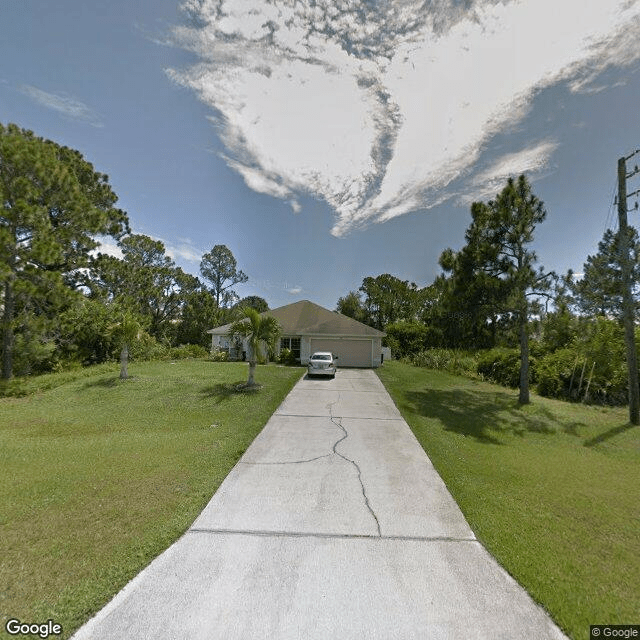
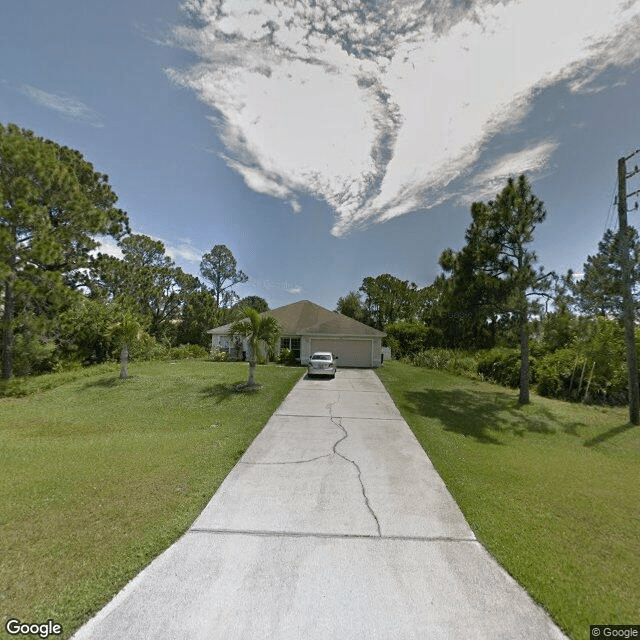
3081 Eldron Blvd SE, Palm Bay, FL 32909
To contact a resident: (321) 327-4104
For more information about senior living options: (866) 208-4318
Dahlia's House of Love Costs & Pricing
At Dahlia's House of Love, the pricing structure for accommodation reflects a commitment to affordability and quality care within the competitive landscape of Brevard County and Florida as a whole. For semi-private rooms, residents are charged $3,000 per month, which is slightly lower than the county average of $3,027 and significantly below the state average of $3,009. In terms of private rooms, costs at Dahlia's come in at $3,500 - this rate is more economical than both Brevard County's average of $3,663 and Florida's statewide figure of $3,699. This pricing strategy underscores Dahlia's dedication to providing exceptional value while ensuring a nurturing environment for its residents.
| Floor plans | Dahlia's House of Love | Brevard County | Florida |
|---|---|---|---|
| Semi-Private | $3,000 | $3,035 | $3,009 |
| Private | $3,500 | $3,672 | $3,699 |
Skilled Nursing Facilities with a similar price nearby
-
from -$150 / mo

Solaris Senior Living Vero Beach
$2,850 to $4,050 / month23.3 miles away -
from +$345 / mo
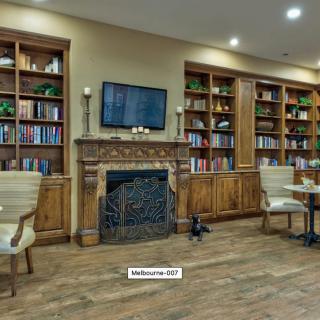
Discovery Village at Melbourne
$3,345 to $5,995 / month16.2 miles away -
About the same
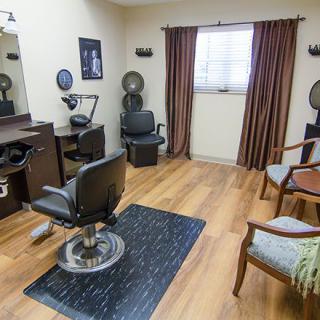
Brookdale West Melbourne
$3,060 to $3,285 / month11.9 miles away
Overall Review of Dahlia's House of Love
Pros
 The staff are caring, professional, and highly skilled, and residents are treated like family.
- The home is immaculately clean and well maintained.
- Meals are prepared fresh daily from wholesome ingredients.
- All medications, supplies, and appointments are meticulously looked after.
- Personal hygiene of residents is always properly attended to.
- Dahlia is highly skilled in nursing and can provide medical care such as wound care.
- Family communication is excellent, and residents feel safe, secure, and well cared for.
Review
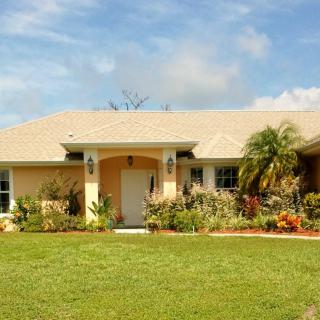
This community is best suited for seniors who want a compact, home-like setting backed by hands-on nursing leadership, where care feels personal and every detail centers on preserving dignity. Dahlia’s House of Love is built around a nurse-led ethos and a family atmosphere that immediately lowers the anxiety many families feel when selecting ongoing care. The owner-operator’s registered-nurse background translates into meticulous medical oversight, medication management, wound care, and timely health updates, while still prioritizing comfort, cleanliness, and daily routines that resemble a well-run home. Food is prepared from scratch with fresh ingredients, and the environment is consistently clean and well maintained, reinforcing a sense of safety and respect for residents. For families prioritizing trust, accessibility of staff, and a warm, non-institutional vibe, this setting is a strong match.
Those who should consider alternatives are families navigating more specialized needs or larger-scale programming. If memory-care-specific protocols, 24/7 clinical supervision with hospital-grade infrastructure, or a broad calendar of social activities and amenities are non-negotiable, a bigger, traditional assisted living community might better serve these objectives. Likewise, residents who require intensive medical equipment, extensive rehabilitation services, or highly structured, campus-wide routines may find the scale and offerings at a privately owned home less comprehensive. In short, while this option excels in personalized, attentive care, it may not replicate the breadth of services or the social ecosystems found in larger facilities.
The key strengths here, personalized attention, medical competence, and an exceptional living environment, more than compensate for the lack of a high-volume program. The nursing leadership ensures medications and appointments are handled with rigor, and the ability to address wounds or specific medical concerns on-site minimizes disruption for families and residents alike. The staff’s 24-hour presence translates into steady supervision and rapid response, which dovetails with the emphasis on safety, personal hygiene, and consistent routines. Communication with families is described as excellent, which reduces uncertainty and builds confidence that the care plan stays aligned with evolving needs. These core advantages create a compelling offset to any potential gaps created by a smaller, privately owned operation.
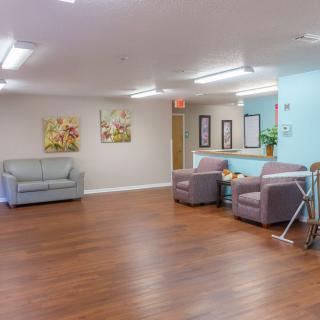
Environment and daily life emerge as standout positives. Impeccable cleanliness, flavorful meals made from scratch, and a welcoming, unobtrusive staff presence create a setting where independence is supported rather than stifled. The ability to visit at any time, the ease of access to the care team, and the sense that the resident’s dignity is paramount contribute to a stable, low-stress experience. The combination of a home-like atmosphere with professional nursing capabilities yields a practical balance: residents feel cherished and secure, while families experience transparency and ongoing reassurance about health and well-being.
From a practical standpoint, families should plan ahead on logistics and expectations. Visiting is uncomplicated, and that accessibility matters when monitoring progress, coordinating care, and maintaining meaningful connections. Prospective residents should seek clarity on day-to-day schedules, night coverage, meal plans, and how emergencies are handled. It’s wise to request a sample care plan, ask about staff-to-resident ratios, and confirm what medical services can be delivered on-site versus referrals. Budget considerations, availability of respite stays, and how the private ownership status influences continuity of care are legitimate questions to resolve before committing.
In sum, Dahlia’s House of Love offers a compelling option for seniors who want intimate, nurse-led assistance without sacrificing warmth, dignity, or a clean, deliciously home-like environment. The strongest value lies in the combination of clinical competence, daily personal attention, and a family-centered culture that treats residents like kin. For families prioritizing highly specialized memory-care programming or the extensive amenities of a larger campus, it is prudent to explore alternatives. If a heartfelt, practical, and reliably well-coordinated care home aligns with the senior’s goals, the Palm Bay option warrants serious consideration and a firsthand visit to confirm fit.
 Board and Care Home
 Skilled Nursing Facility
 Activities on-site
 Devotional services off-site
 Indoor common areas
 Private
 Respite or short term stays offered
 Melbourne International (12 miles away)
 Ambulatory care
 Diabetic care
 Hospice care
 Incontinence care
 Medication management
 Meals provided

 8 Essential Assistive Devices for Older Adults
 Navigating the Financial Road to Nursing Home Care: In-Depth Guidance and Resources
 Supportive Employee Benefits That Help Caregivers Attain Better Work-Life Harmony