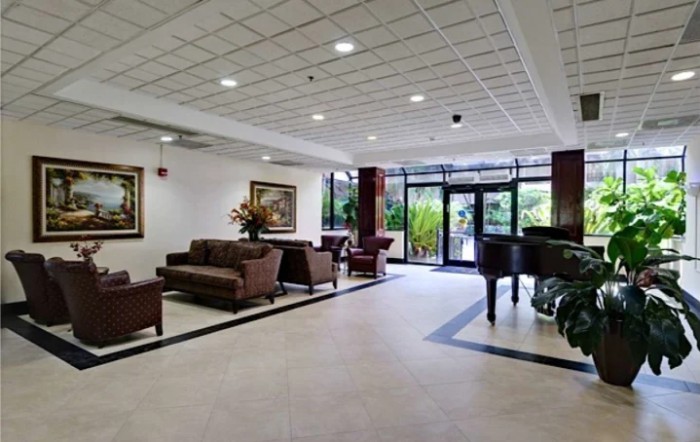
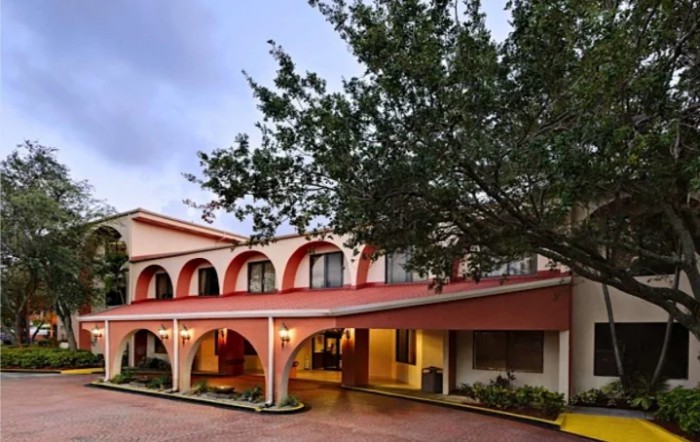
18905 North East 25Th Avenue, Aventura, FL 33180
For more information about senior living options: (866) 208-4318
Overall Review of Regents Park At Aventura
Pros
 Regents Park provides good care with attentive nurses and rehab teams.
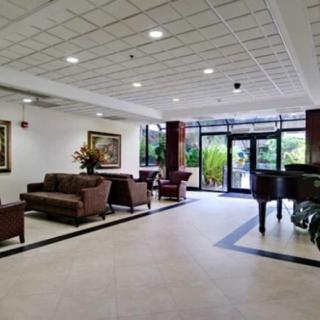
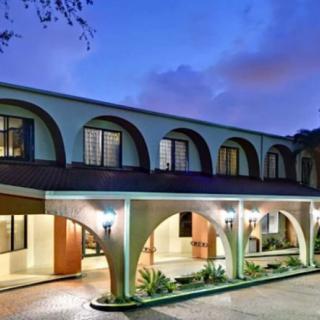
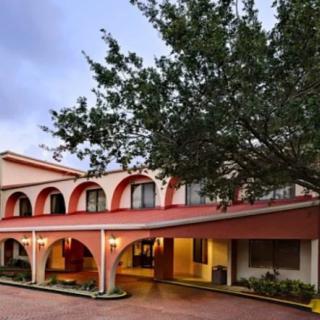
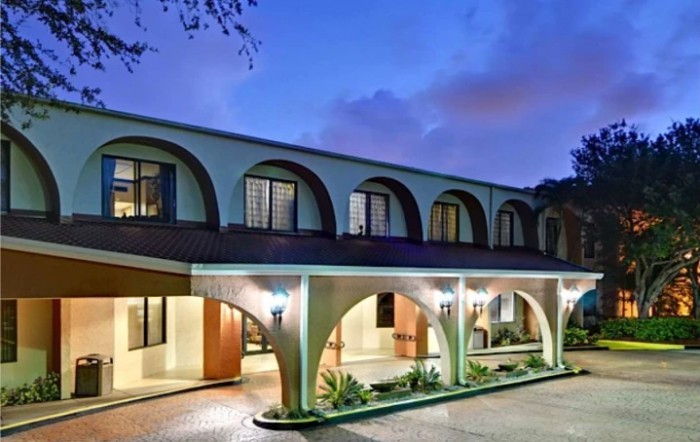
 - The facility is clean and well maintained, with a pleasant garden for residents.
- The staff—from nurses to recreation to social workers—consistently go out of their way to accommodate residents and families.
- The lobby and front-desk staff are welcoming and courteous.
- Residents feel safe, well cared for, and treated with dignity and respect.
- The environment is serene and the grounds offer natural beauty and outdoor spaces.
- Personal care, therapies, and dietary services are delivered with compassion and attentiveness.
Cons
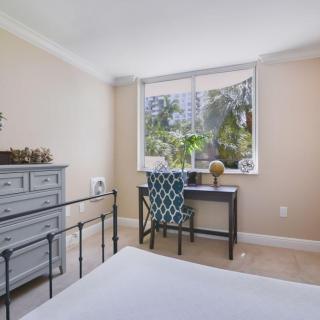
 The rooms were basic and old-fashioned, with two residents sharing a bed and a small curtain between them.
- The bathroom was basic at best, with only a toilet, sink, and shower.
- The meals were very small and sparse.
- The nurses and CNAs acted as if helping residents was a chore and didn’t like to get up to assist.
- They left a patient in hypoglycemic shock in the middle of the night and had no doctor on staff.
- A waterbug about the size of a thumb crawled across the bed while waiting for EMTs.
- The place was depressing and dirty, and physical therapy was almost never provided.
- The nurses on the second floor were lazy and rude, and residents were ignored when concerns were raised.
Review
Regents Park At Aventura is best suited for seniors who want a peaceful, garden-centered environment with mid-level care and dependable routine, and who are comfortable sharing rooms and adapting to a basic dining plan. It can work well for residents entering rehabilitation after surgery or needing steady daily support, provided family members value practical nursing attention and a setting that feels safe and familiar. The location near home and the pleasant campus atmosphere are real pluses for families who prioritize accessibility and a calm living space over boutique amenities. This community suits those who can tolerate varying levels of service depending on staff consistency and who seek a place with ongoing personal contact from caregivers rather than a highly medicalized model.
Those weighing alternatives should consider options for residents with significant medical complexity or those demanding robust, consistent medical oversight. If a doctor on site, rapid response to acute changes, or high nurse-to-patient ratios are non-negotiables, another facility may be a safer match. Families concerned about frequent therapy, strict infection-control measures, or highly personalized private-room arrangements will want to compare rooms and care plans elsewhere. For residents who require more frequent, proactive therapy, or who place a premium on full transparency and consistent communication from leadership, a different community is likely to offer more predictable experiences.
The strongest positives appear in the caregiving core: many reviews praise attentive nurses and CNAs, reliable wound and rehab support in some cases, and a staff culture that clients and families describe as caring and patient-focused. The grounds and common areas receive compliments for cleanliness and serenity, and the garden offers accessible outdoor respite. Those aspects, competent daily care, approachable front-desk staff, and a safe, well-maintained campus, provide real value when a resident’s medical needs are moderate and stability is the goal. However, these strengths must be weighed against broader structural drawbacks: rooms are basic and shared, bathrooms are functional but sparse, and meals are described as small or plain by several families who expect more variety or larger portions.
The downsides are not isolated anecdotes; they reflect a pattern that can complicate long-term satisfaction. Numerous accounts cite slow or uneven responses to medical concerns, with at least one serious incident where a hypoglycemic event went inadequately addressed, and where on-site medical oversight appeared limited. Communication gaps, changes in room assignments without clear explanations, and perceived inattentiveness on occasion further erode confidence. Complaints about management transitions and staff attitudes on certain floors also emerge, painting a picture of uneven experience depending on shift and department. These factors can overwhelm even otherwise solid clinical care if reliability and proactive communication are not consistently demonstrated.
Families should insist on concrete, current information during tours: exact nurse-to-resident ratios by shift, the frequency and pacing of physical therapy, and the on-site availability of a physician or advanced practice clinician. Inspect room configurations and the possibility of private accommodations, if desired, along with dining options and menu flexibility. Ask to observe a therapy session and to meet current residents and their families to gauge responsiveness and bedside manner over time. Clarify what happens when care needs escalate, how emergencies are managed, and how belongings are safeguarded when rooms are updated or relocated. A candid, up-front assessment will determine whether Regents Park’s solid caregiving can consistently meet the resident’s evolving needs.
In the end, Regents Park At Aventura can be a practical, reliable option for mid-level care in a nurturing, orderly setting, especially when family involvement remains active and the staff turnover is low. It shines for residents who value safety, routine, and a pleasant campus with accessible outdoor space. Yet serious concerns about medical oversight, inconsistent communication, and certain management and care-day dynamics counsel a comparative approach: explore alternatives with stronger physician on-site presence, better therapy frequency, and consistently documented care plans. The right choice hinges on whether the priority is a serene environment with dependable daily support, or a facility that can guarantee more aggressive medical responsiveness and a uniformly high standard of day-to-day operations.
 180 resident community capacity
 Skilled Nursing Facility
 Air-conditioning
 Beauty salon
 Cable or satellite TV
 Computer center
 Dining room
 Fitness room
 Fully furnished
 Gaming room
 Garden
 Housekeeping services
 Kitchenette
 Move-in coordination
 Outdoor space
 Private bathrooms
 Restaurant-style dining
 Small library
 Telephone
 Wellness center
 Wi-Fi/high-speed internet available
 Fort Lauderdale-Hollywood International (8 miles away)
 Community operated transportation
 12-16 hour nursing
 24-hour call system
 Activities of daily living assistance
 Assistance with bathing
 Assistance with dressing
 Assistance with transfers
 Diabetes diet
 Medication management
 Mental wellness program
 Special dietary restrictions
 Concierge services
 Planned day trips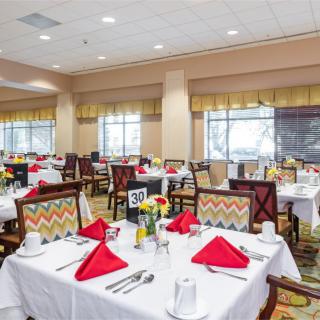



 Exploring Nonmedical Home Care: Understanding Services, Costs, and Financial Approaches
 Engaging Brain Games and Innovative Apps to Keep Senior Minds Active
 Effective Strategies for Keeping Seniors' Minds Active: A Deep Dive into Brain Games and Apps