

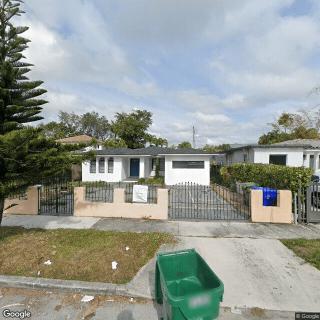
3671 S Miami Ave, Miami, FL 33133
To contact a resident: (305) 854-1110
For more information about senior living options: (866) 208-4318
Nursing Center At Mercy Costs & Pricing
At the Nursing Center At Mercy, the monthly cost for a private room is $3,870. When we compare this figure to the averages in Miami-Dade County and across Florida, it stands out as somewhat higher. In Miami-Dade County, the average cost for similar accommodations is $3,304, while the broader state average is $3,699. This pricing reflects the specialized care and services that Nursing Center At Mercy provides, ensuring residents receive not only a comfortable living environment but also comprehensive support tailored to their individual healthcare needs. While it may be on the higher end of the spectrum compared to local and state averages, many families find value in the quality of service and care offered at this facility.
| Floor plans | Nursing Center At Mercy | Miami-Dade County | Florida |
|---|---|---|---|
| Private | $3,870 | $3,304 | $3,699 |
Skilled Nursing Facilities with a similar price nearby
-
from -$170 / mo

Residential Plaza at Blue Lagoon
$3,700 to $4,000 / month5.1 miles away -
from -$370 / mo

Ponce Plaza Nursing & Rehabilitation Center
$3,500 / month2.0 miles away -
from -$120 / mo

Nspire Healthcare Miami Lakes
$3,750 to $4,875 / month14.8 miles away -
from +$540 / mo

Arch Plaza Nursing & Rehabilitation Center
$4,410 to $4,800 / month10.9 miles away
Overall Review of Nursing Center At Mercy
Pros
 The center's customer service is amazing.
- The nurses and CNAs provide customized care.
- The facility decorates the place based on the season.
- The social workers are very involved.
- The rehab department is amazing and the staff are caring and helpful.
- The facility underwent renovations this year.
- The center offers an outside seating area and a recreation room with daily activities.
Cons
 The facility is dirty and poorly managed, with roaches, broken furniture, and unavailable medications.
- The staff are described as unresponsive, taking hours to answer calls and often leaving patients unattended.
- A reviewer claims a relative died in pain with bedsores, suggesting neglect and mistreatment.
- The patient was reported to cry in pain, feel cold and hungry, and be left in unsafe conditions.
- There are allegations of a hostile work environment and a clerk who mistreated residents and families.
- The center is labeled by at least one reviewer as a Medicare scam and in need of investigation.
- There are claims of deception on the phone, including impersonation and fear of vindictive treatment.
- A grandmother is said to have died from sepsis after not being fed, hydrated, or given pain meds.
- The facility is described as dirty with no management and even theft of a resident’s purse.
- Weekend staff language barriers and poor communication are cited as factors that undermined care.
Review
This community is best suited for seniors who primarily need short-term, structured rehabilitation and can benefit from a refreshed, home-like environment. When the objective is intensive physical and occupational therapy delivered by a capable rehab team, Mercy’s unit shows promise, with nurses and CNAs who reportedly tailor care to individual needs. The setting is bright and inviting, with seasonal decor and daily activities that help maintain morale during recovery. Families that can stay actively involved, demanding timely pain control, nutrition, and clear communication, will see the most consistent benefit. It is not a hands-off option; advocacy and oversight are essential to realizing the positives.
The strongest positives center on the rehab department and the frontline staff. Nursing and CNA teams are repeatedly described as caring and capable, willing to adapt routines to suit each resident’s progress. Social workers are often cited as engaged and helpful in coordinating care and easing transitions. The renovated spaces and pleasant common areas contribute to a dignified recovery atmosphere, while dependable meal service and a steady daily rhythm support comfort and predictability. These operational strengths matter when recovery hinges on reliable therapy access and routine supports.
Yet the cons are significant and should not be minimized. Families recount troubling lapses in care, including delayed responses to calls and difficulty reaching staff, especially on weekends. Language differences complicate communication when English proficiency is uneven among some staff, amplifying frustration for families and residents. Accounts of neglect or poor symptom control, pain, hunger, or discomfort left unaddressed, paired with occasional hospital-depth concerns, raise questions about safety. Conditions cited by some reviews, such as roaches or damaged furniture, along with reports of medication delays, further erode trust and highlight systemic gaps. A few entries imply management and transparency issues that should give any prospective resident pause.
When weighed against the positives, the rehab strengths and the consistently described weekday care can offset some risk only if active, ongoing supervision is maintained. The renovated environment and structured activity schedule support recovery and can restore dignity, which matters deeply to families and residents alike. However, the most serious concerns, neglect, inconsistent communication, and potential harm, tale against a straightforward, long-term endorsement. The variability across shifts means outcomes can be solid one week and perilously thin the next, undermining confidence for families who require stable, predictable care over time.
For families considering alternatives, the decision hinges on safety, reliability, and transparent oversight. If constant monitoring, timely responsiveness, and unambiguous English communication are non-negotiables, other options with stronger track records on patient safety and ongoing medical oversight should be prioritized. Those with experiences suggesting management gaps or persistent on-call delays will likely find more peace of mind elsewhere, especially for long-term custodial care. An affiliation with a hospital network or clear, verifiable state inspections can be decisive factors in choosing where to place a loved one.
Practically, the next steps are clear. Visit the center and observe staffing patterns across shifts; speak directly with the administrator and request recent incident reports and AHCA findings. Inquire about exact staffing ratios, call-bell response times, pain management protocols, and medication administration practices. Obtain a concrete rehab plan with measurable goals and a clear discharge strategy if home social support is anticipated. If the positives, effective rehab, attentive weekday staff, and a pleasant environment, align with critical needs while red flags remain manageable, Mercy can be a viable option with vigilant oversight. If not, pursue a disciplined search for alternatives and treat Mercy as a contingent choice rather than a trusted long-term solution.
 Skilled Nursing Facility
 Miami International (6 miles away)





 A Detailed Exploration of Living Wills and Advance Directives
 Comprehensive Guide to Medicare Coverage for Hospice Care
 Caring for Those Who Care: Recognizing, Understanding, and Overcoming Caregiver Burnout