For more information about senior living options: (866) 208-4318
3.5 from 51 reviews
5 stars
28
4 stars
5
3 stars
0
2 stars
3
1 stars
15
Overall Review of Coral Gables Nursing And Rehabilitation Center
common13 reviews mention this
Care team is a frequent highlight
Residents and families frequently describe the care team as attentive, respectful, and helpful.
Many reviews emphasize feeling supported by the nursing, CNA, and broader support staff, with families saying their loved ones were kept clean and comfortable. A number of commenters also praise how quickly concerns were addressed when health issues came up. Even among mixed experiences, at least one reviewer specifically calls out an individual staff member and social worker for being the person who helped most during a difficult situation.
caveat9 reviews mention this
Cleanliness and organization vary
Reviews describe cleanliness as inconsistent, ranging from very clean to dirty conditions.
Some residents’ families report clean, organized areas and mention the facility being well kept. Other reviews directly criticize conditions like cleanliness and sanitation, including complaints about cleanliness, equipment, and bathrooms. Because these themes show up both positively and negatively, it’s hard to generalize from reviews alone.
caveat6 reviews mention this
Medication and pain care complaints
Several reviews raise concerns about medication management and getting timely comfort care.
A few reviewers report medication problems, including missed medications and confusion around medication changes during transitions. Others describe calls for assistance or pain relief not being handled as expected. Taken together, these comments point to medication oversight and comfort-care responsiveness as areas that can fall short.
caveat6 reviews mention this
Staffing levels and responsiveness
Some reviewers say staffing can affect how fast help arrives.
Several reviews mention getting help being slow or not coming when needed, including long waits for assistance. One reviewer also states CNAs are understaffed, explaining that they visit to help cover care needs like feeding and changing. While other families say staffing was sufficient and the team was efficient, the complaints suggest responsiveness isn’t consistent across experiences.
caveat4 reviews mention this
Food quality is mixed
Food is described with both strong praise and repeated negative comments.
Some reviewers mention that meals were good and that food was presented well. Others report dissatisfaction, including comments that the food was horrible and that residents complain in dining areas. With praise and complaints appearing side by side, food quality and meal satisfaction appear to vary by person and timeframe.
common3 reviews mention this
Activities and day-to-day engagement
Residents and families mention regular engagement through activities and celebrations.
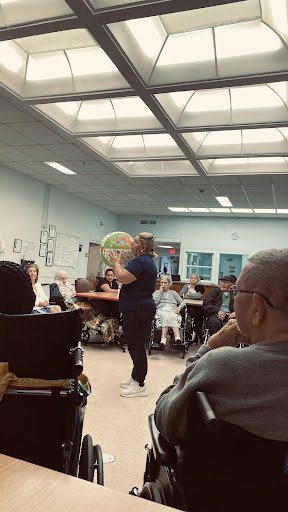
Reviews highlight organized engagement like scheduled activities, recreational events, and things like birthdays being celebrated. At least one reviewer also notes a small outdoor space that feels pleasant. Overall, activities show up as a recurring positive part of daily life in some families’ accounts.
How we summarize
Counts show how many written reviews mention each theme; a review can touch several themes, and only frequently mentioned themes are displayed.
Features
Housing
87 resident community capacity
Types of Care
Skilled Nursing Facility
Amenities
Air-conditioning
Beauty salon
Cable or satellite TV
Computer center
Dining room
Fitness room
Fully furnished
Gaming room
Garden
Housekeeping services
Kitchenette
Move-in coordination
Outdoor space
Private bathrooms
Restaurant-style dining
Small library
Telephone
Wellness center
Wi-Fi/high-speed internet available
Transportation
Miami International (2 miles away)
Fort Lauderdale-Hollywood International (24 miles away)
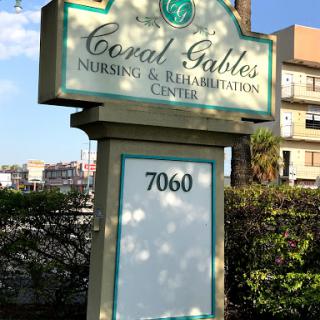
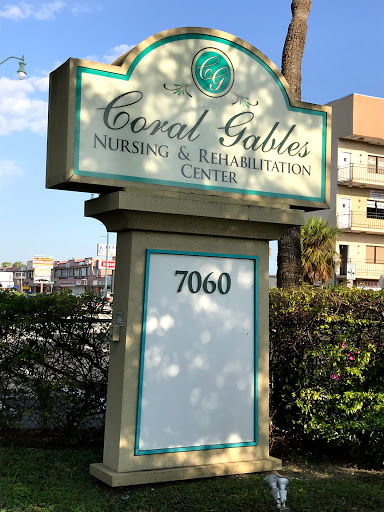
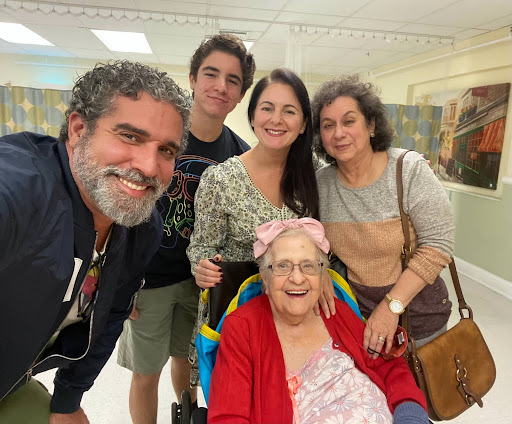
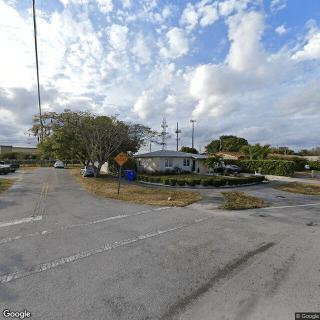
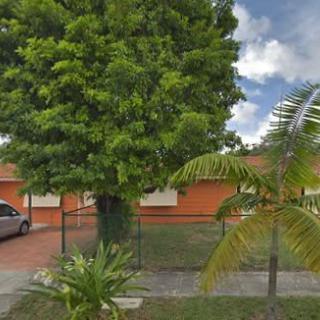
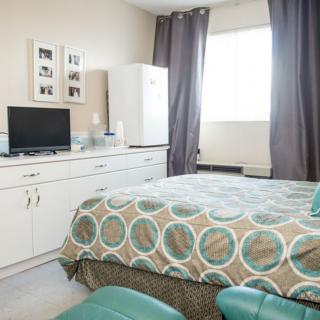
Coral Gables Nursing And Rehabilitation Center on seniors.fyi includes 3 photos including images showing rehabilitation, healthcare, facility, and more.
Nearby Communities
F & E Home Health Care
Miami, FL
4.9 from 19 reviews
Strong access to healthcare and nearby amenities.
Diana Home Care I
Miami, FL
5 from 1 review
Small, home-like 6-bed setting with 24/7 supervision, personalized daily living support, meals, housekeeping, and healthcare coordination.
My Family ALF
Miami, FL
5 from 7 reviews
Convenient access to restaurants, parks, healthcare, worship, transport, and entertainment.
ALF Professional Mgmt Service
Miami, FL
$2,500 to $3,500 / month
Strong focus on diabetic care and medication management with abundant nearby amenities; competitive pricing compared to county/state averages.
Gabriels' Home - ALF
Miami, FL
Small, intimate community offering 24/7 supervision and comprehensive, diabetes-friendly care.
MP Diversified Services
Miami, FL
Small, intimate community with personalized care and comprehensive services.
Residential Plaza at Blue Lagoon
Miami, FL
4.5 from 39 reviews
$3,700 to $4,000 / month
Friendly staff, clean facilities, spacious rooms, and a wide range of on-site amenities and activities.
The Palace at Coral Gables
Coral Gables, FL
4.7 from 146 reviews
$4,850 to $7,250 / month
The Watermark at Coral Gables
Coral Gables, FL
4.9 from 115 reviews
$6,395 to $8,145 / month
Strong staff care and comprehensive on-site amenities.
Older adults with urinary tract infections (UTIs) often present atypical symptoms, complicating diagnosis due to factors like incomplete bladder emptying and chronic health conditions that increase their susceptibility. Effective management involves prompt treatment with antibiotics, hydration, and preventive strategies while minimizing antibiotic resistance and focusing on holistic care approaches.
California's Form 602A is a vital tool for evaluating the health needs of seniors seeking residential care, detailing their medical conditions and daily living requirements to ensure proper service alignment. This standardized form enhances communication among physicians, families, and facilities, serving as a regulatory measure for admissions and ongoing care while adapting to changing healthcare practices.
The overview of blood pressure management for seniors emphasizes the importance of monitoring and interpreting blood pressure readings, noting that normal ranges can vary due to age-related factors and individual health conditions. It highlights tailored guidelines for systolic and diastolic levels, the necessity of early detection and consistent management to prevent serious health complications, and advocates for personalized care strategies that incorporate lifestyle changes and medication adherence.
Coral Gables Nursing And Rehabilitation Center photos
×
Healthcare
Healthcare, Rehabilitation, and Facility
Additional Photos
Get PricingAsk A QuestionSchedule A TourContact Senior Advisor
By clicking submit, you agree to our Partner's Terms of Use. You
also consent to receive calls and texts, which may be autodialed, from our Partner. Your consent is not a condition to
using our Partner's service. Please visit our Partner's Privacy Policy for information about their privacy practices.

 87 resident community capacity
 Skilled Nursing Facility
 Air-conditioning
 Beauty salon
 Cable or satellite TV
 Computer center
 Dining room
 Fitness room
 Fully furnished
 Gaming room
 Garden
 Housekeeping services
 Kitchenette
 Move-in coordination
 Outdoor space
 Private bathrooms
 Restaurant-style dining
 Small library
 Telephone
 Wellness center
 Wi-Fi/high-speed internet available
 Miami International (2 miles away)
 Community operated transportation
 12-16 hour nursing
 24-hour call system
 Activities of daily living assistance
 Assistance with bathing
 Assistance with dressing
 Assistance with transfers
 Diabetes diet
 Medication management
 Mental wellness program
 Special dietary restrictions
 Concierge services
 Planned day trips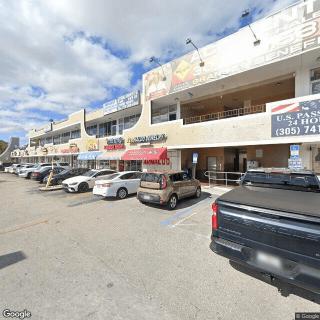
 Strong access to healthcare and nearby amenities.


 Urinary Tract Infections in Older Adults: Comprehensive Insights on Symptoms, Treatment, and Prevention
 California's Form 602A: An In-Depth Examination of Senior Care Assessment
 Comprehensive Look at Senior Blood Pressure Charts: Normal and Elevated Levels by Age