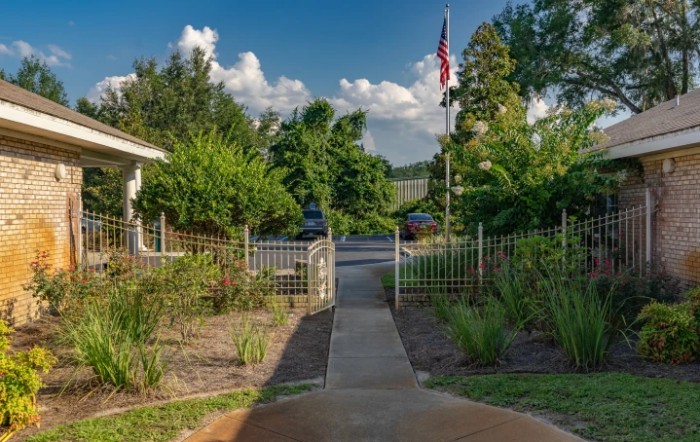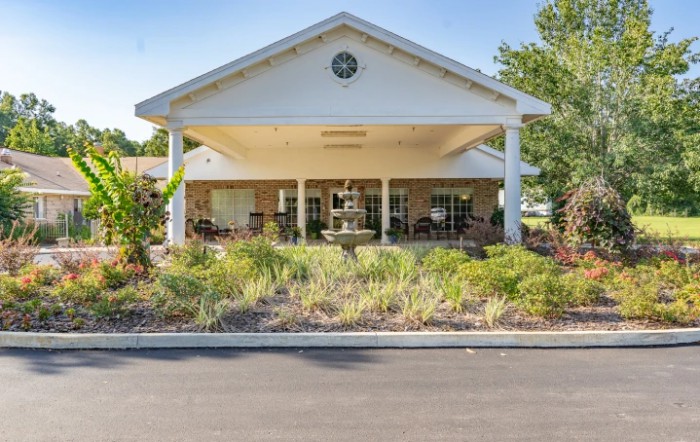
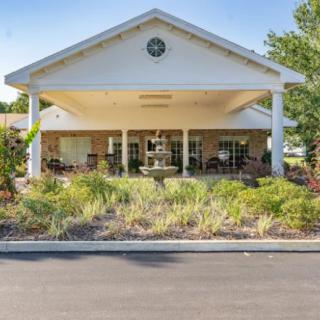
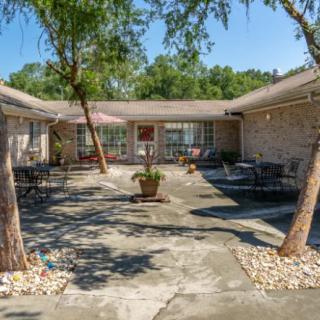

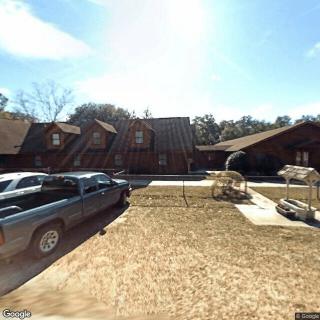
512 West Main Street, Mayo, FL 32066
For more information about senior living options: (866) 208-4318
Overall Review of Lafayette Nursing And Rehabilitation Center
Pros
 They regard Lafayette Nursing as the best facility they have ever dealt with.
- They are pleased with the care their parents received.
- The staff genuinely care for their patients.
- Misty, Calyn, Ella, Layne, Ashton, and Kenzie are praised for their exceptional service.
- Lafayette Nursing provides exceptional care and maintains a clean, hygienic environment.
- The employees are helpful and kind, offering meaningful support during difficult times.
- The staff are fantastic and supplied essential care during challenging periods.
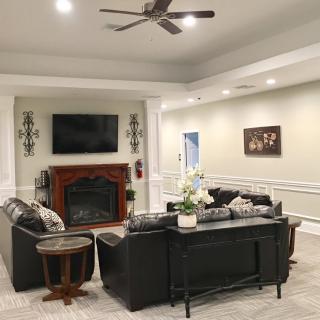
- The staff are extra friendly and professional, and the facility is clean and odor-free.
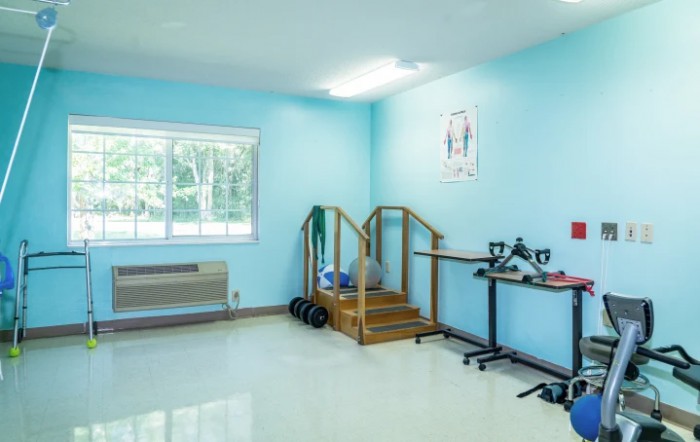
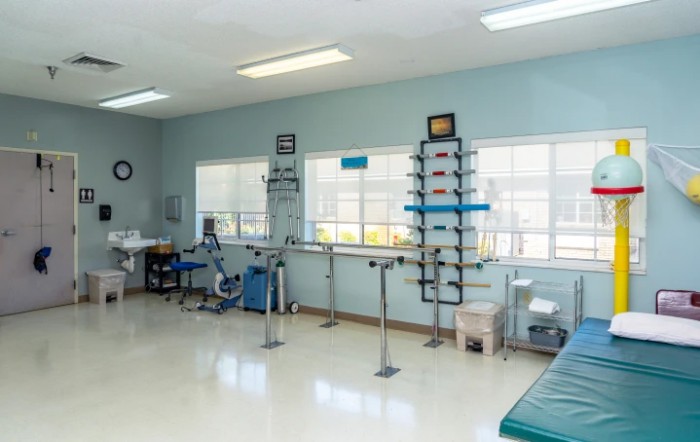
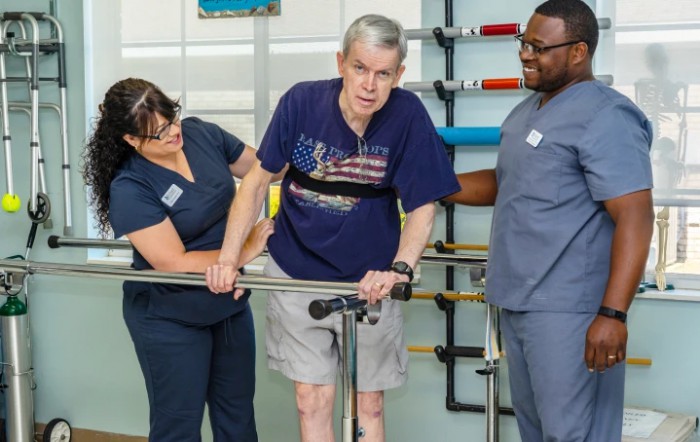
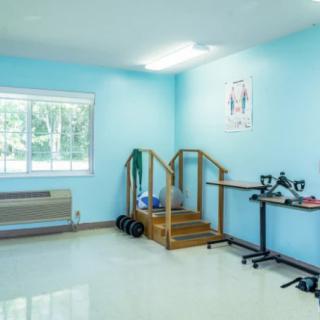
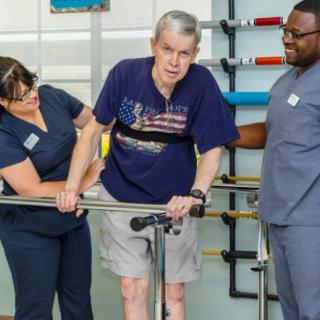
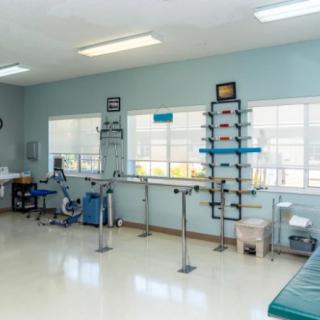
- The therapy department is highly trained, the rehabilitation unit is newly renovated, and the food tastes great.
Cons
 The healthcare provider's level of professionalism is lacking, as they fail to maintain open communication with the family.
- There are instances of deceit used to conceal their own neglectful behavior.
- Individuals in the final stages of life are sometimes left to endure a slow and excruciating passing due to lack of timely intervention.
- Christy’s actions in informing a grieving spouse to arrange discharge home are deplorable and callous.
- The family had to specifically request pain medication to alleviate the patient's suffering during the death rattle.
- The patient was left seated in a wheelchair for an extended five-hour period, with the duration downplayed by staff.
- Just before the patient’s passing, his vital signs were reportedly not monitored despite clear indications of distress.
- The family of a patient felt ignored and not informed about alleged mistreatment and bruises at another facility before transfer.
Review
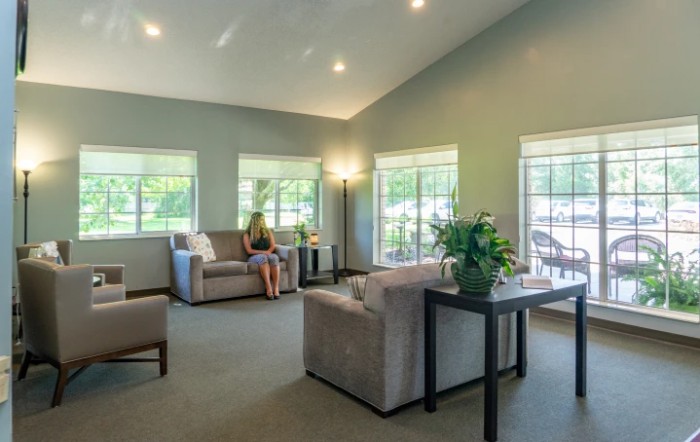
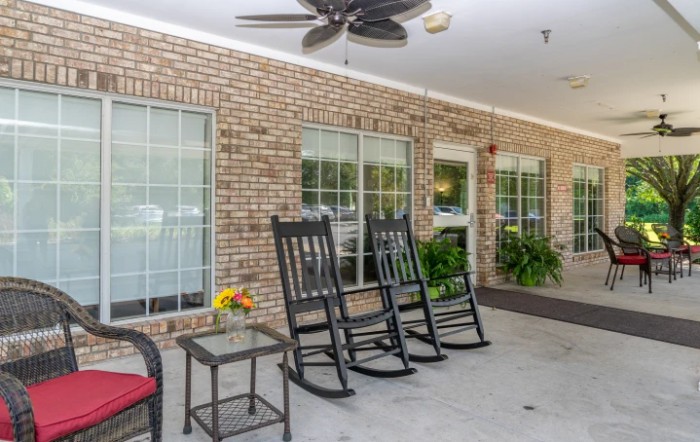
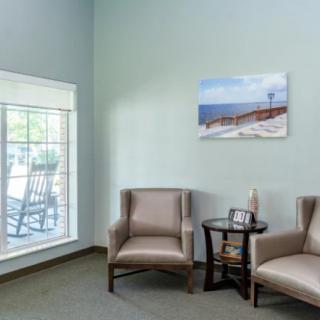
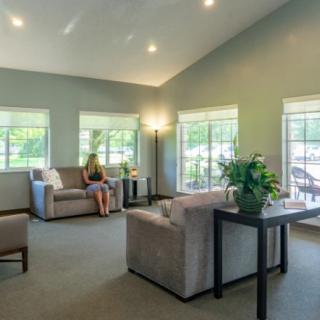
Lafayette Nursing and Rehabilitation Center is best suited for families seeking a solid post-acute rehab option with a warm, attentive staff and a clean, well-maintained environment. It shines for residents needing short- to medium-term rehabilitation after surgery or illness, where reliable therapy services and a supportive milieu can translate into real progress. The newly renovated rehabilitation unit, paired with a highly trained therapy department, creates a practical path to regain independence. For families who want a facility that feels orderly, clean, and personable, Lafayette delivers a recognizable culture of care that many reviewers describe as genuinely attentive.
Those weighing Lafayette should also consider when alternatives may be preferable. A single, deeply troubling review raises serious questions about end-of-life care: delays in intervention, perceived gaps in communication, and discomfort over pain management during a patient’s final days. Although this account is not the majority voice, it underscores a crucial risk area where transparency and proactive symptom control matter most. For families with heightened sensitivity to bedside communication and timely, compassionate management at life’s end, exploring other options with explicit palliative care protocols may be prudent.
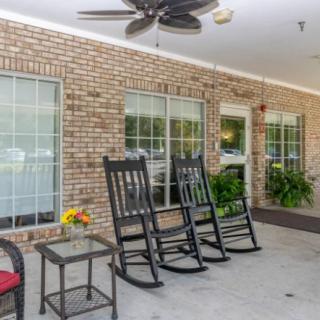
On the upside, the facility’s strengths are tangible and repeated. Front-line staff deliver warmth and professionalism, creating an environment where residents feel seen and considered. Cleanliness and odor control are consistently noted, reducing stress for families during stressful transitions. The rehabilitation program stands out: the therapy team is described as capable and responsive, with clear evidence of progress in patients who engage with it. The overall service culture, across departments, favors smooth, coordinated care that families can trust during demanding stays.
The principal caveat centers on end-of-life experiences. In the most serious critique, a family portrays a period of delayed monitoring, insufficient pain relief, and a communication gap that left them feeling misinformed and distressed. The allegation that a care plan did not align with the patient’s needs during a critical moment presents a stark contrast to the otherwise favorable picture. While this may be an outlier in a dataset that skews positive, such concerns demand careful evaluation by anyone prioritizing proactive symptom management, honest updates, and rapid response during terminal phases.
Despite that caveat, Lafayette’s enduring advantages remain compelling for many families. The combination of devoted staff, a clean and climate-controlled environment, and a robust rehabilitation pathway often translates into meaningful improvements and a more hopeful trajectory after discharge from acute care. For residents focused on recovery and reintegration, the facility’s strengths frequently offset the reputational risk attached to a single negative account. Careful due diligence and a clear conversation about expectations can help align decision-makers with a stay that delivers practical value and tangible daily supports.
To decide with confidence, conduct a focused tour centered on end-of-life workflows: how pain is assessed and managed, how the team communicates changes in condition, and how quickly distress is addressed when it arises. Request current references and ask for a dedicated care coordinator who provides regular, proactive updates to family members. Inquire about staff-to-resident ratios, CNA coverage, and the involvement of physicians or palliative specialists during critical moments. If rehab outcomes, cleanliness, and a service-forward culture are the priorities, Lafayette is a strong candidate; if uncompromising clarity and proactive, transparent comfort management at life’s end are non-negotiable, it may be wise to compare alternatives while using Lafayette as a benchmark.
 60 resident community capacity
 Skilled Nursing Facility
 Air-conditioning
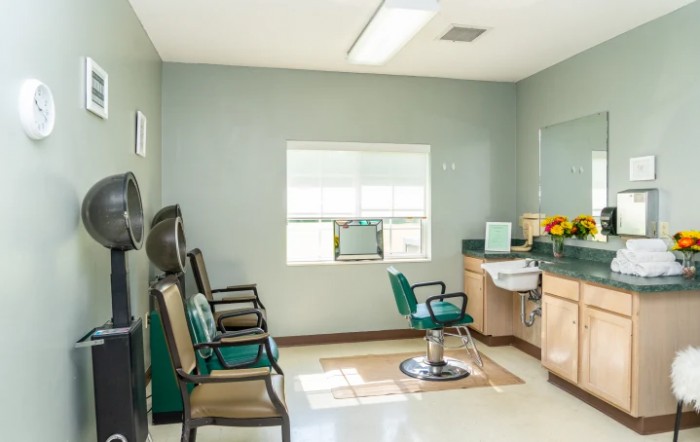
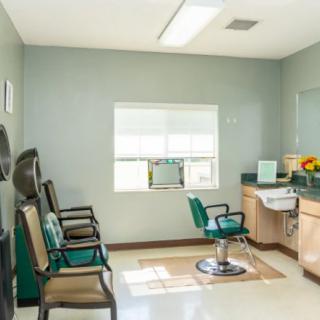
 Beauty salon
 Cable or satellite TV
 Computer center
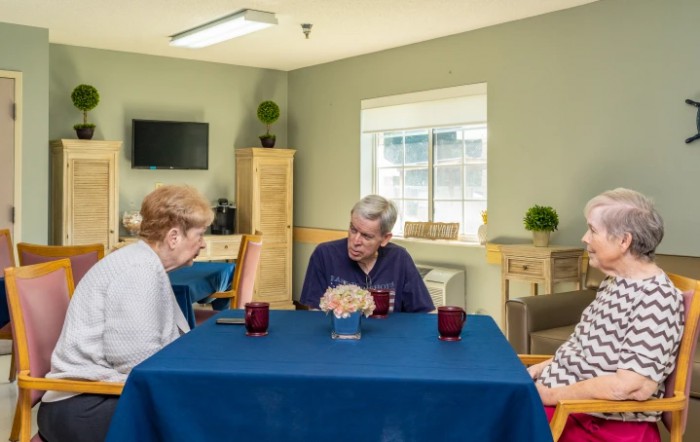
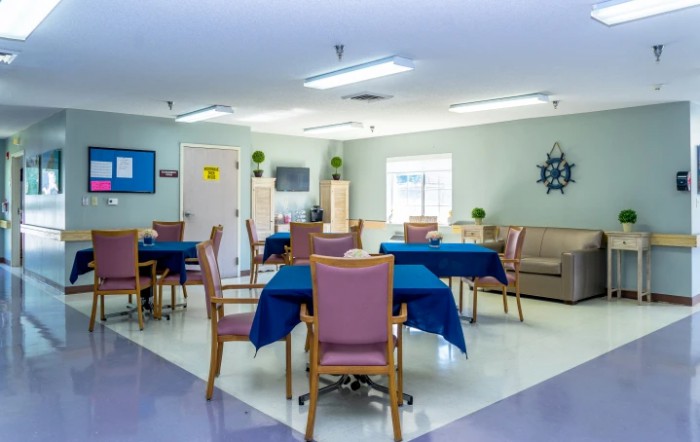
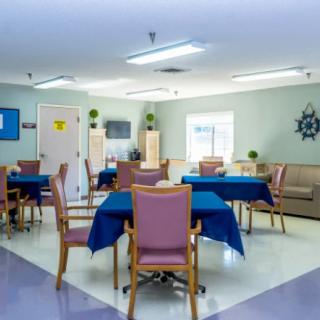
 Dining room
 Fitness room
 Fully furnished
 Gaming room
 Garden
 Housekeeping services
 Kitchenette
 Move-in coordination
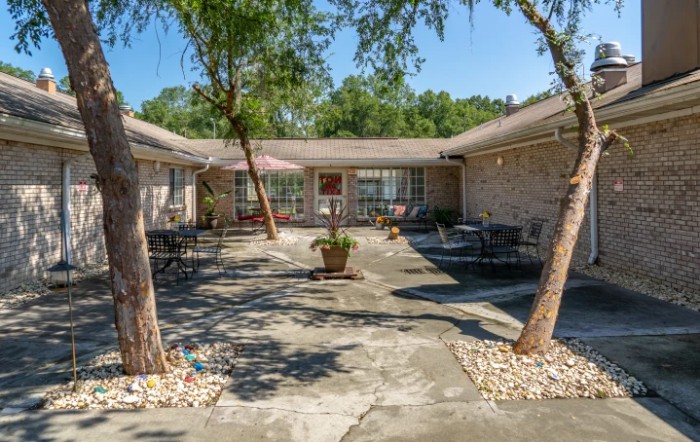
 Outdoor space
 Private bathrooms
 Restaurant-style dining
 Small library
 Telephone
 Wellness center
 Wi-Fi/high-speed internet available
 Community operated transportation
 12-16 hour nursing
 24-hour call system
 Activities of daily living assistance
 Assistance with bathing
 Assistance with dressing
 Assistance with transfers
 Diabetes diet
 Medication management
 Mental wellness program
 Special dietary restrictions
 Concierge services
 Planned day trips



 A Detailed Examination of Nursing Home Costs Across the U.S.
 Exploring Nonmedical Home Care: Understanding Services, Costs, and Financial Approaches
 Engaging Brain Games and Innovative Apps to Keep Senior Minds Active