For more information about senior living options: (866) 208-4318
4.1 from 54 reviews
5 stars
39
4 stars
4
3 stars
0
2 stars
1
1 stars
10
Overall Review of Wrights Healthcare And Rehabilitation Center
common38 reviews mention this
Staff care is often praised
Residents and families frequently describe staff members as caring and responsive.
Many reviews highlight staff members who are kind, welcoming, and willing to help with daily needs, questions, and therapy coordination. Several people also say staff treated their loved ones with dignity and respect and helped reduce stress during rehab. A smaller set of reviews report dismissiveness, disrespect toward families, or problems getting help quickly, so experiences aren’t uniform.
common13 reviews mention this
Cleanliness is a frequent theme
Cleanliness stands out in both positive and negative reviews.
Positive reviews describe a clean environment, housekeeping that keeps things neat, and residents feeling safe. Others specifically complain about serious cleanliness and pest issues, including reports of cockroaches, black mold, and dirty linens. Taken together, residents’ cleanliness experiences range from consistently clean to deeply concerning.
differentiator9 reviews mention this
Rehab progress and therapy support
Rehabilitation progress is a key point residents mention most often.
Several families describe noticeable improvement during short stays, including progress with mobility after setbacks like stroke and surgery. Reviews also mention hands-on physical and occupational therapy, with some residents praising how exercises were taught and tailored. A few negative reviews criticize the amount or consistency of therapy and overall responsiveness, which is worth considering alongside the success stories.
caveat9 reviews mention this
Communication and staffing concerns
Some residents and families describe communication and staffing breakdowns.
A subset of reviews report difficulty reaching staff, including delayed help requests and repeated issues when families tried to advocate for updates. Other negative accounts describe dismissive phone responses, long waits for assistance, and concerns about whether calls were handled appropriately. Even when people praise care, these recurring complaints suggest communication and staffing reliability can vary.
caveat8 reviews mention this
Meals are mixed, diet errors noted
Dining experiences vary, including complaints about diet handling.
Some reviews praise the food quality and describe nutritious meals that residents looked forward to, including diet-modified pureed options. Others report dissatisfaction with meal quality and, in at least one case, describe getting the wrong diet. Since the community provides special dietary restrictions and diabetes diet support, it’s especially important to confirm how individual preferences are handled during a stay.
How we summarize
Counts show how many written reviews mention each theme; a review can touch several themes, and only frequently mentioned themes are displayed.
Features
Housing
60 resident community capacity
Types of Care
Skilled Nursing Facility
Amenities
Air-conditioning
Beauty salon
Cable or satellite TV
Computer center
Dining room
Fitness room
Fully furnished
Gaming room
Garden
Housekeeping services
Kitchenette
Move-in coordination
Outdoor space
Private bathrooms
Restaurant-style dining
Small library
Telephone
Wellness center
Wi-Fi/high-speed internet available
Transportation
St. Petersburg-Clearwater International (7 miles away)
Tampa International (18 miles away)
Community operated transportation
Transportation arrangement
Transportation arrangement (non-medical)
Transportation to doctors appointments
Care Services
12-16 hour nursing
24-hour call system
24-hour supervision
Activities of daily living assistance
Assistance with bathing
Assistance with dressing
Assistance with transfers
Diabetes diet
Meal preparation and service
Medication management
Mental wellness program
Special dietary restrictions
Dining
Diabetes diet
Special dietary restrictions
Activities
Community-sponsored activities
Concierge services
Fitness programs
Planned day trips
Resident-run activities
Scheduled daily activities
Nearby Places of Interest
Pharmacies
Winn-Dixie (0.6 miles)
CVS Pharmacy (0.7 miles)
Walgreens (0.8 miles)
CVS Pharmacy (2 miles)
Walgreens (2.3 miles)
Walgreens (2.3 miles)
Winn-Dixie (2.3 miles)
Restaurants
Chili's Grill & Bar (1.5 miles)
Chick-Fil-A (1.9 miles)
Burger King (2.4 miles)
Salt Rock Grill (3.3 miles)
Seaweed Steaks, Seafood and Sushi (3.4 miles)
Hammerstein Brewing Company (3.8 miles)
McDonald's (5.2 miles)
Theaters
Regal Largo Mall (1.6 miles)
SMG Seminole (2 miles)
Regal Park Place & RPX (7.2 miles)
Physicians
Dr.Karkare (2.2 miles)
Pinellas County Environmental Health (2.7 miles)
Eye Institute of West Florida / LASC (3 miles)
The Heart Institute at Largo (3 miles)
Village Family Practice (3.2 miles)
Bay Dermatology & Cosmetic Surgery (3.4 miles)
Skin Wellness Center (3.8 miles)
Parks
Largo Central Park (2.6 miles)
Eagle Lake Park (4.6 miles)
Freedom Lake Park (6 miles)
Dog Run (6.2 miles)
Sand Key Park (6.5 miles)
McMullen Booth Tennis Center Clearwater FL (6.7 miles)
Treasure Island Beach (7.1 miles)
Cafes
Belleair Coffee Company (3.4 miles)
Panera Bread (7.2 miles)
Starbucks (8.1 miles)
Hospitals
Morton Plant Hospital (5.6 miles)
Morgan Heart Hospital (5.6 miles)
Places of Worship
Christ The Cornerstone (6.1 miles)
Transportation
St Pete-Clearwater International Airport (PIE) (6.8 miles)
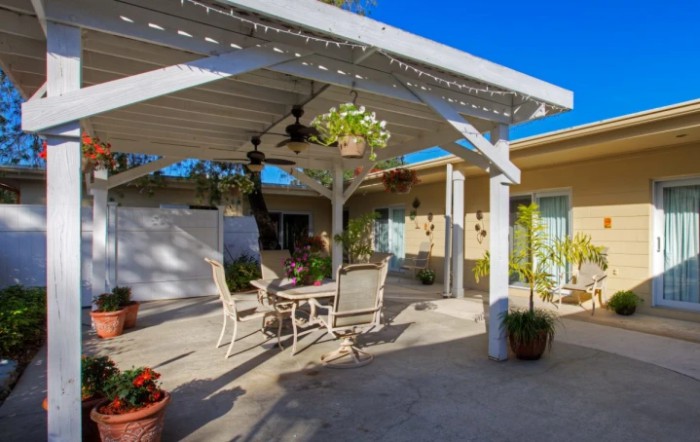
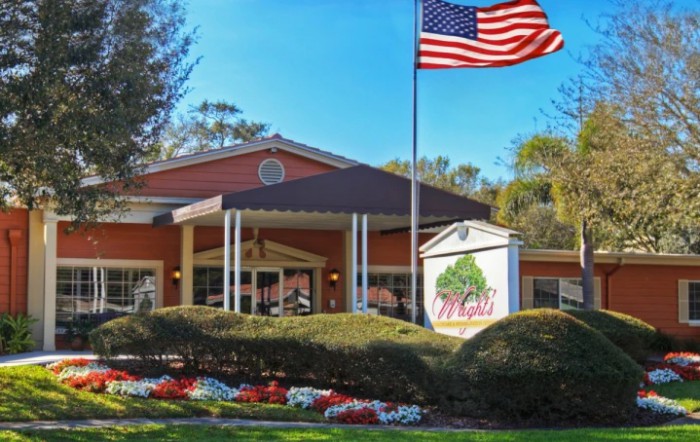
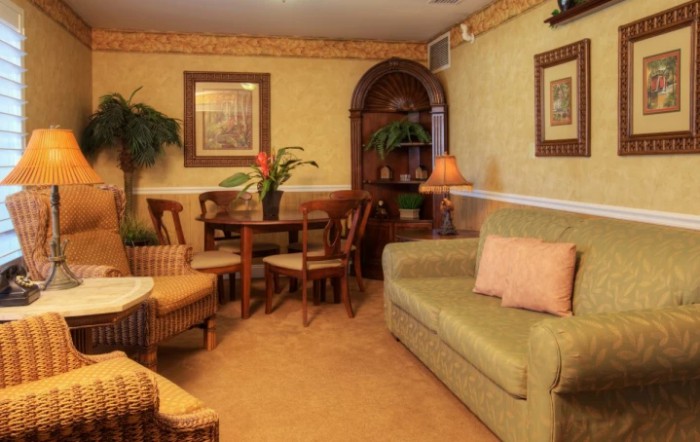
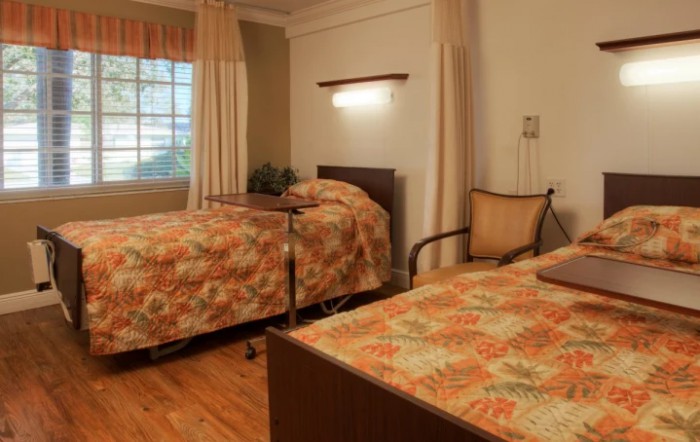
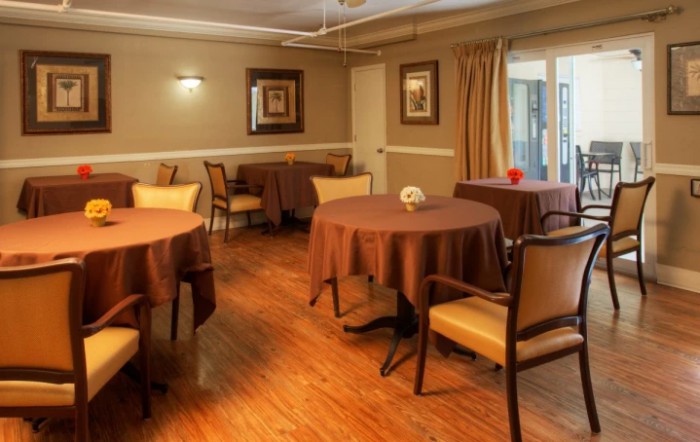
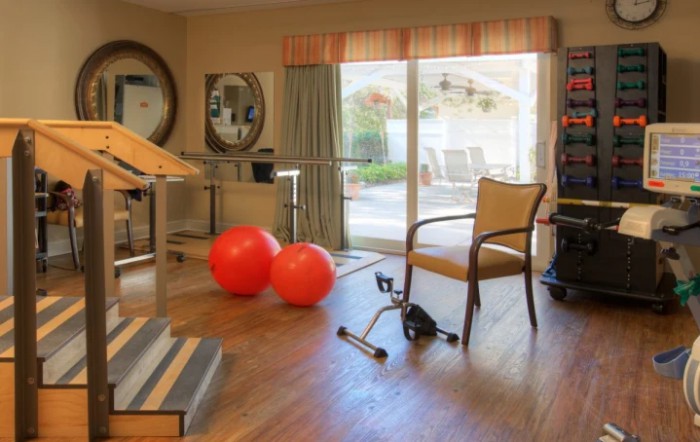
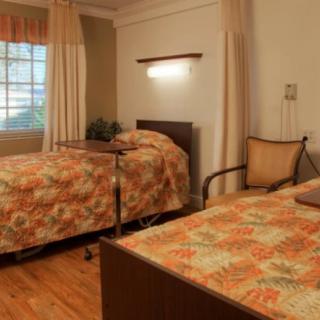
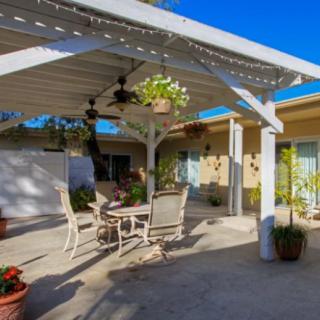
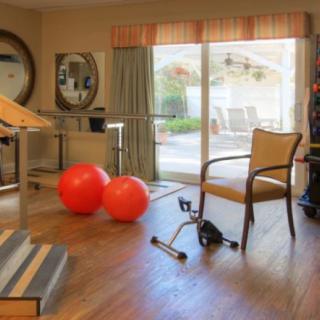
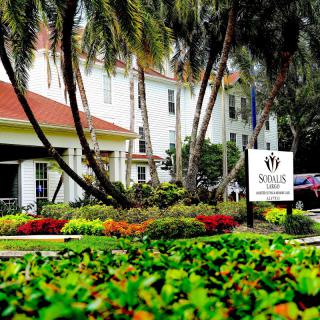
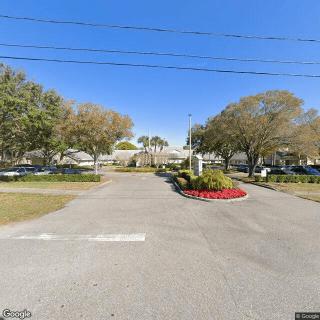
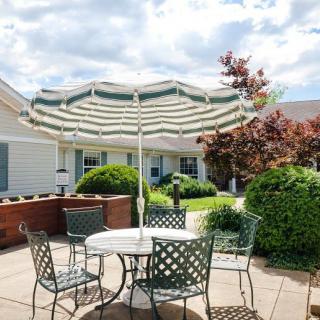
Wrights Healthcare And Rehabilitation Center on seniors.fyi includes 6 photos including images showing decor, bedroom, interior, landscaping, indoor plants, windows, dining, rehabilitation, and more.
Nearby Communities
The Vineyard Inn
Seminole, FL
4.6 from 37 reviews
$2,000 to $3,700 / month
Warm, welcoming atmosphere with friendly staff, engaging activities, and pet-friendly options.
Glenncor
Seminole, FL
Specialized diabetic care with on-site activities and indoor common spaces.
Sweet Water at Largo
Largo, FL
4.2 from 33 reviews
$3,000 to $4,500 / month
Small, well-maintained community with friendly staff and a warm, personalized atmosphere.
Holiday Shores Park Inc
Largo, FL
4.6 from 83 reviews
Diabetic care and off-site devotional services with indoor social spaces.
Freedom Court Manor
Seminole, FL
Prime location with easy access to amenities and memory care.
Heritage Presbyterian Apt
Largo, FL
4.3 from 86 reviews
Convenient location with abundant nearby services and an inclusive environment.
Sodalis Largo
Largo, FL
4.2 from 119 reviews
$2,800 to $5,110 / month
Friendly, caring staff in a clean, smaller community with engaging activities.
Palm Garden Pinellas
Largo, FL
4.6 from 127 reviews
Caring staff and strong rehab/activities.
Arden Courts of Seminole
Seminole, FL
5 from 124 reviews
$6,400 to $7,200 / month
Small, intimate memory care setting with personalized attention and engaging activities.
Palliative care focuses on alleviating distress at any stage of a serious illness and can accompany curative treatments, while hospice care is for those nearing the end of life with a prognosis of six months or less, emphasizing comfort over curative measures. Both prioritize holistic care for patients and families but differ in timing, goals, and scope.
Fecal incontinence, prevalent among older adults, arises from factors like weakened pelvic muscles and nerve damage, significantly affecting well-being and social interactions. Diagnosis involves clinical evaluation and tests to inform tailored treatments, while caregivers and preventive measures can aid in managing the condition effectively.
Anticipatory grief is an emotional response to the impending loss of a loved one, characterized by complex emotions such as sadness and anger, and involves navigating stages similar to those identified by Kübler-Ross. Coping strategies are vital for managing this process, emphasizing compassionate communication, self-care, and support groups while recognizing the cultural influences on grieving.
Wrights Healthcare And Rehabilitation Center photos
×
Interior
Decor
Building
Bedroom
Landscaping
Exercise Equipment
Interior
Decor
Bedroom and Windows
Dining
Living Room, Indoor Plants, and Dining Table
Landscaping
Building, Trees, Entrance, and Flag
Patio, Outdoor Furniture, and Pergola
Exercise Equipment and Rehabilitation
Get PricingAsk A QuestionSchedule A TourContact Senior Advisor
By clicking submit, you agree to our Partner's Terms of Use. You
also consent to receive calls and texts, which may be autodialed, from our Partner. Your consent is not a condition to
using our Partner's service. Please visit our Partner's Privacy Policy for information about their privacy practices.


 60 resident community capacity
 Skilled Nursing Facility
 Air-conditioning
 Beauty salon
 Cable or satellite TV
 Computer center
 Dining room
 Fitness room
 Fully furnished
 Gaming room
 Garden
 Housekeeping services
 Kitchenette
 Move-in coordination
 Outdoor space
 Private bathrooms
 Restaurant-style dining
 Small library
 Telephone
 Wellness center
 Wi-Fi/high-speed internet available
 St. Petersburg-Clearwater International (7 miles away)
 Community operated transportation
 12-16 hour nursing
 24-hour call system
 Activities of daily living assistance
 Assistance with bathing
 Assistance with dressing
 Assistance with transfers
 Diabetes diet
 Medication management
 Mental wellness program
 Special dietary restrictions
 Concierge services
 Planned day trips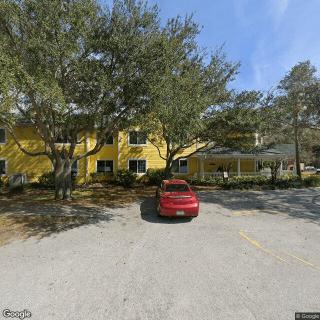
 Warm, welcoming atmosphere with friendly staff, engaging activities, and pet-friendly options.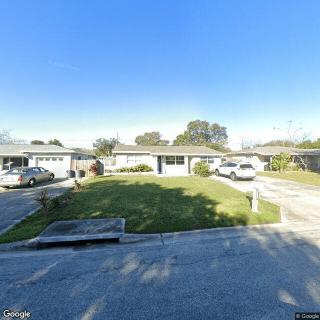

 Understanding the Nuances of Palliative Care and Hospice: A Comprehensive Exploration
 Fecal Incontinence in Older Adults: A Comprehensive Guide
 Recognizing the Journey: Understanding and Navigating Anticipatory Grief