
1230 South Old Dixie Highway, Jupiter, FL 33458
For more information about senior living options: (866) 208-4318
Jupiter Medical Center Pavilion Costs & Pricing
At Jupiter Medical Center Pavilion, the monthly cost for a private room is set at $2,600, which stands in stark contrast to the average expenses in Palm Beach County and across Florida. In comparison, Palm Beach County reflects a significantly higher average of $4,444 per month for similar accommodations, while the state-wide average is also elevated at approximately $3,699. This positions Jupiter Medical Center Pavilion as an attractive option for individuals seeking quality care without the steep financial burden typically associated with private room options in both the county and statewide settings. Such competitive pricing underscores the facility's commitment to providing accessible healthcare solutions tailored to meet community needs.
| Floor plans | Jupiter Medical Center Pavilion | Palm Beach County | Florida |
|---|---|---|---|
| Private | $2,600 | $4,444 | $3,699 |
Skilled Nursing Facilities with a similar price nearby
-
from -$100 / mo

Finnish American Village
$2,500 to $3,300 / month23.0 miles away -
from +$400 / mo

Edward J Healey Rehabilitation And Nursing Center
$3,000 to $4,500 / month9.7 miles away -
from -$100 / mo
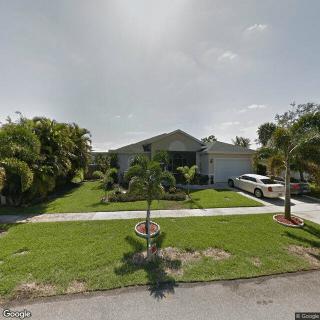
Hibiscus Palace III Assisted Living Facility LLC
$2,500 to $3,800 / month18.5 miles away
Overall Review of Jupiter Medical Center Pavilion
Pros
 The staff were amazing there.
- They treated her mother with kindness and more attention than anywhere else she had been.
- The facility was clean and the staff were attentive.
- They even allowed a small dog in at night to motivate and encourage her.
- The staff were very caring and treated her well during the two weeks.
- The therapy team is a great mix of people, all working toward a positive outcome.
Cons
 The reviewer described it as not a good experience at all.
- They advised against taking loved ones to this facility to pass away.
Review
Jupiter Medical Center Pavilion in Jupiter, FL is best suited for families seeking a warm, personable environment where staff engagement and cleanliness are the principal strengths. It serves seniors who value daily kindness, real attentiveness, and straightforward, home-like routines over glossy, high-end amenities. Short-term rehab or post-acute recoveries are a comfortable fit, given the reports of two-week stays with attentive care and palpable motivation. The team’s willingness to go the extra mile, such as permitting a brief pet visit to spark engagement, translates into meaningful morale boosts for residents. For families that measure care by the daily human touch, this community delivers with consistency.
However, not every path through Jupiter Pavilion will align. Families anticipating a uniformly seamless long-term experience or robust end-of-life comfort oversight should consider alternatives. The mix of reviews suggests variability in outcomes and expectations. One account explicitly warns against using the facility for end-of-life care, signaling potential gaps in palliative comfort or communication during that stage. Prospective residents should test whether a given resident’s needs match the facility’s strengths, especially beyond the initial, home-like impression.
On the plus side, the standout asset is the caregiving staff. Reviews repeatedly describe staff as highly caring and attentive, capable of creating a warm, reassuring atmosphere for residents who might otherwise feel vulnerable. Cleanliness and food satisfaction appear to be reliable positives that reinforce daily quality of life. The rehabilitation team is portrayed as a diverse, capable group, with therapists who push for real progress and collaboration. These elements matter because they translate into tangible, day-to-day comfort: residents feel seen, fed well, and motivated to participate in activities. When a resident’s day hinges on staff interactions, these are the offset that keeps experience from tipping into frustration.
Yet the strongest pros do not fully erase the concerns raised. The facility’s overall rating sits in the low-middle range, and at least one reviewer frames the experience as inadequate for someone nearing the end of life. That tension signals unevenness, potentially in staffing consistency, clinical oversight, or the ability to deliver a cohesive care plan across shifts and days. Another reviewer’s blunt verdict, “not a good experience”, is not easily dismissed, and it underlines the risk of encountering days where personalization and attentiveness fall short. For families managing complex medical needs, the uncertain consistency makes a risk to plan around.
To navigate the decision, prospective movers should pursue specific information during tours: staff-to-resident ratios, turnover, and how care plans are communicated and updated; the range and coordination of therapy services; and policies around pet visitation and family involvement, which appear to meaningfully buoy morale. Ask to observe a typical shift, not just a staged tour, to gauge whether the warmth observed in positive reviews is stable across all hours. Clarify expectations about end-of-life or high-acuity care and whether additional supports or transfers are available if needs escalate. In short, Jupiter Pavilion can deliver daily comfort and engagement, but these gains hinge on consistent staffing and clear, proactive care planning.
Bottom line: this community is a practical fit for families prioritizing compassionate care, cleanliness, and resident motivation in a shorter-term or transition scenario. It is not the default choice for those requiring unwavering consistency in long-term management or specialized end-of-life support. If tours confirm strong alignment with individual needs, Jupiter Pavilion stands as a capable option that can make a difficult transition smoother. For alternatives, compare facilities with proven consistency in end-of-life and chronic-condition management, along with transparent care coordination. The right choice will balance the heart of the staff with the certainty of ongoing, goal-oriented care.
 90 resident community capacity
 Skilled Nursing Facility
 Air-conditioning
 Beauty salon
 Cable or satellite TV
 Computer center
 Dining room
 Fitness room
 Fully furnished
 Gaming room
 Garden
 Housekeeping services
 Kitchenette
 Move-in coordination
 Outdoor space
 Private bathrooms
 Restaurant-style dining
 Small library
 Telephone
 Wellness center
 Wi-Fi/high-speed internet available
 Palm Beach International (16 miles away)
 Community operated transportation
 12-16 hour nursing
 24-hour call system
 Activities of daily living assistance
 Assistance with bathing
 Assistance with dressing
 Assistance with transfers
 Diabetes diet
 Medication management
 Mental wellness program
 Special dietary restrictions
 Concierge services
 Planned day trips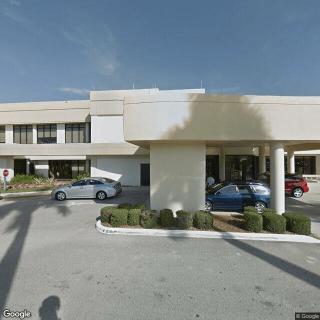




 Caregiver Exhaustion: Recognizing the Signs and Restoring Your Well-Being
 Understanding Hospice Care at Home: Comprehensive Services, Key Benefits, and Eligibility
 Understanding the Full Cost of 24/7 In-Home Care: A Detailed Overview