Fort Walton Rehabilitation Center in Fort Walton Beach, FL

Save

  • Interior

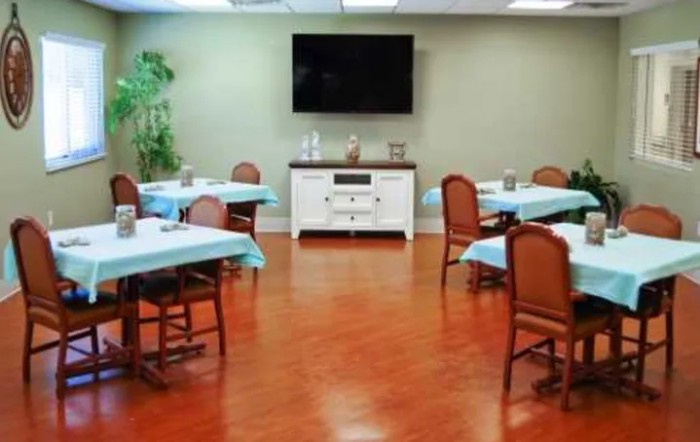
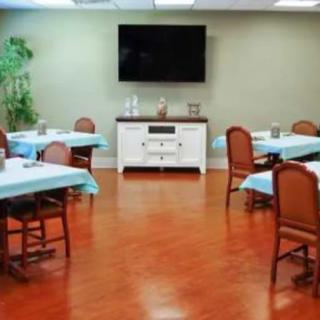
    A neatly arranged dining room with tables and chairs, featuring a large TV and sideboard.
  • Outdoors

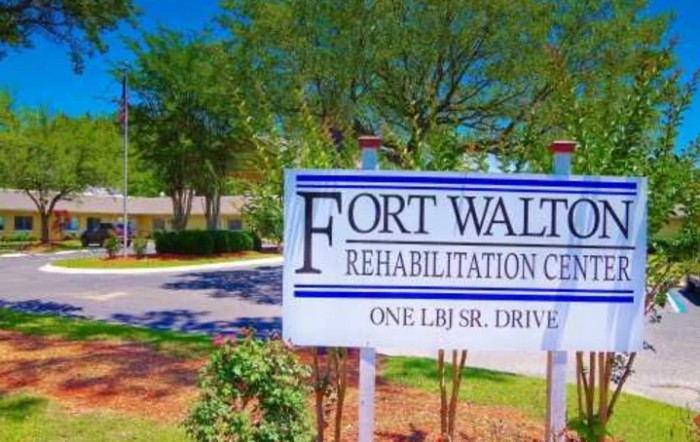
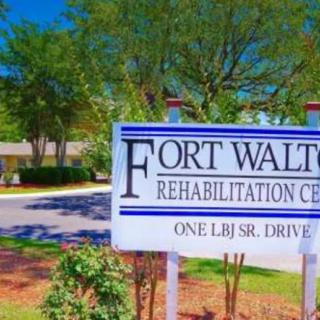
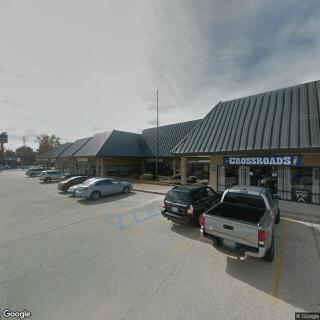
    Sign for Fort Walton Rehabilitation Center with building and trees in the background.
  • Decor

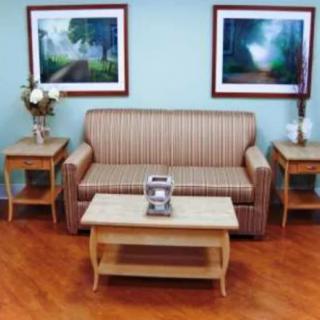
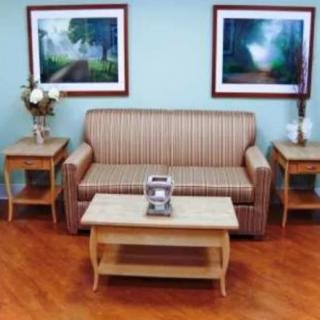
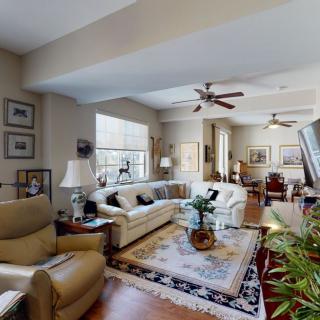
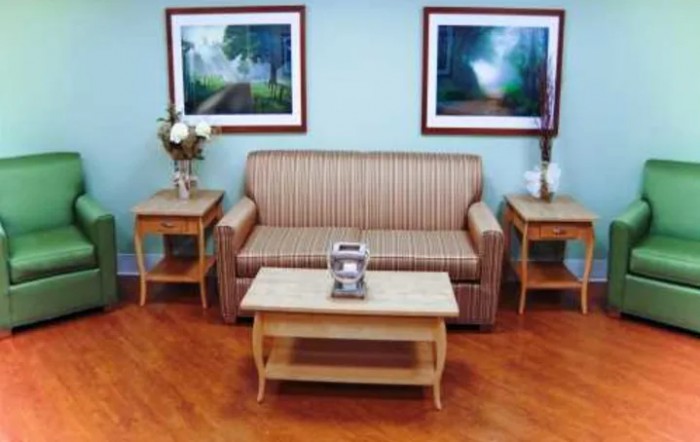
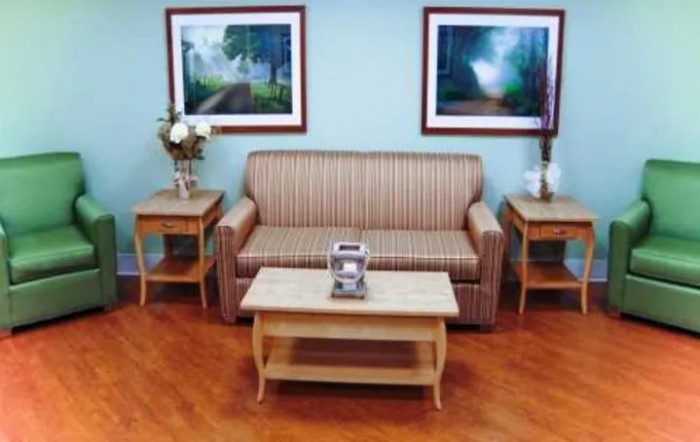
    A cozy living room setup featuring a striped sofa, wooden coffee table and side tables, complemented by wall art and decor elements.
  • Living Room

    A cozy living room with a striped sofa, wooden coffee table, and side tables adorned with decorative items.
  • Building

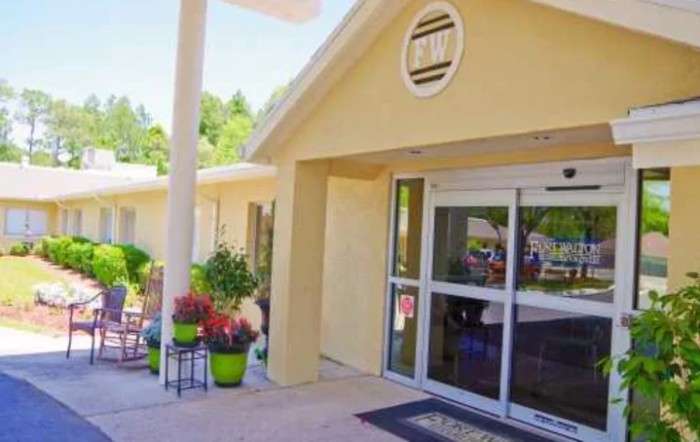
    A welcoming building entrance with potted plants and glass doors.
  • Architecture

    A charming white gazebo is centered in a neatly landscaped garden, surrounded by lush green grass and trees, with pathways leading up to it.
  • Bedroom

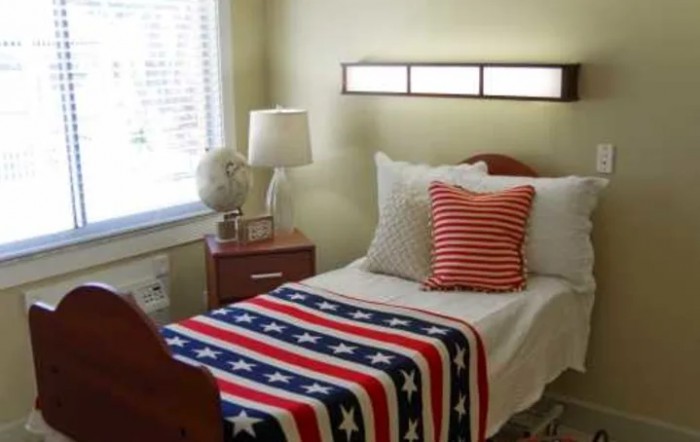
    A cozy bedroom with an American flag-themed blanket and a striped pillow on the bed, accompanied by a globe and lamp on the nightstand.
  • Trees

    A tranquil backyard patio with seating surrounded by lush greenery and a white fence.
  • Windows

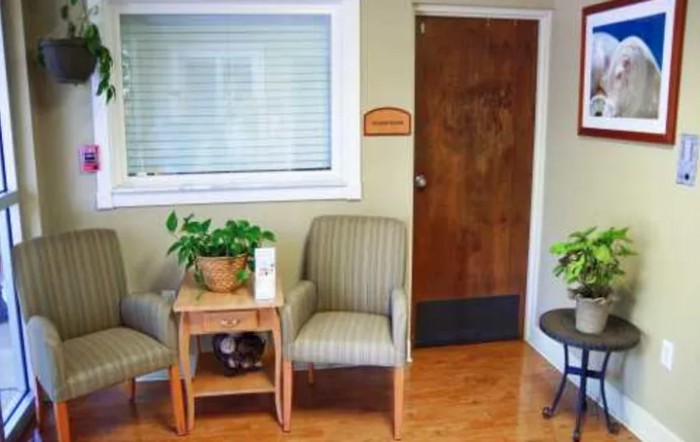
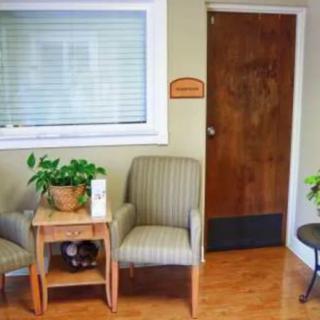
    A cozy waiting room with chairs, plants, and a wooden door.
  • Exercise Equipment

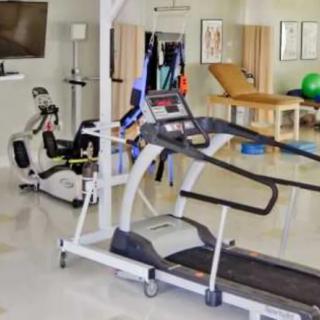
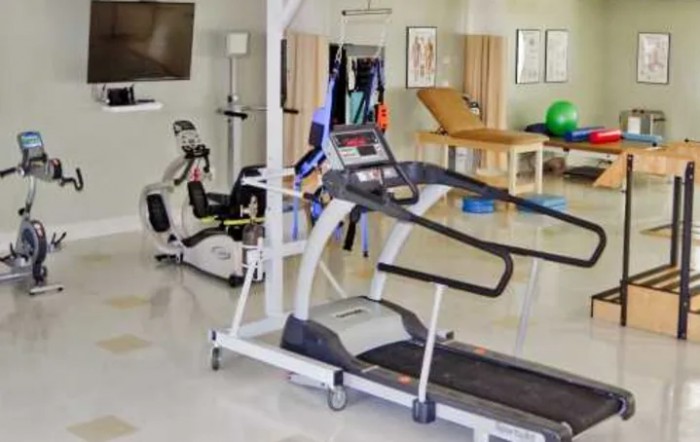
    A well-equipped indoor gym with a treadmill and exercise bike.
  • Gym

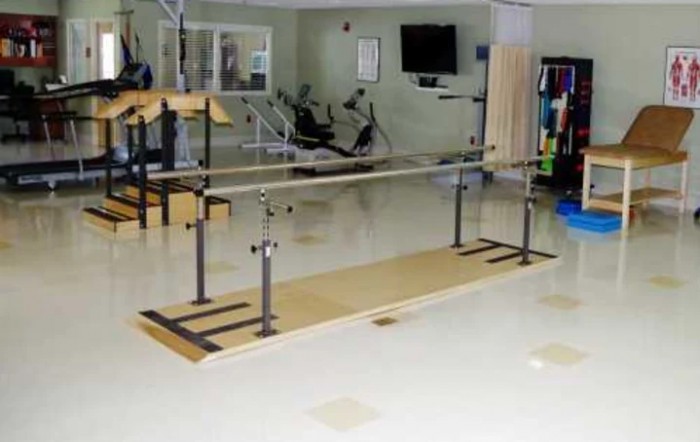
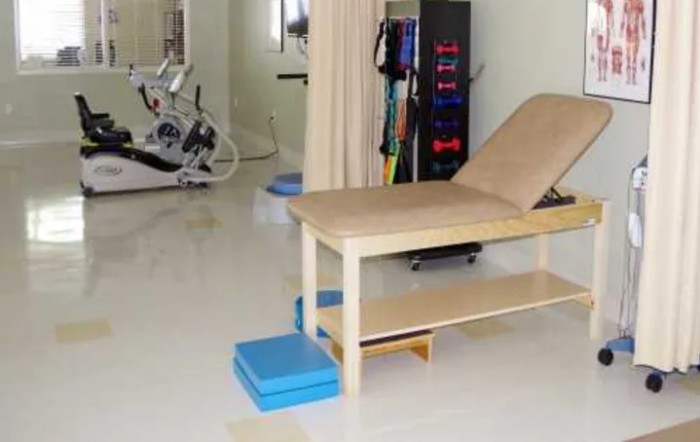
    A physical therapy room equipped with exercise equipment for rehabilitation and fitness training.
  • Salon

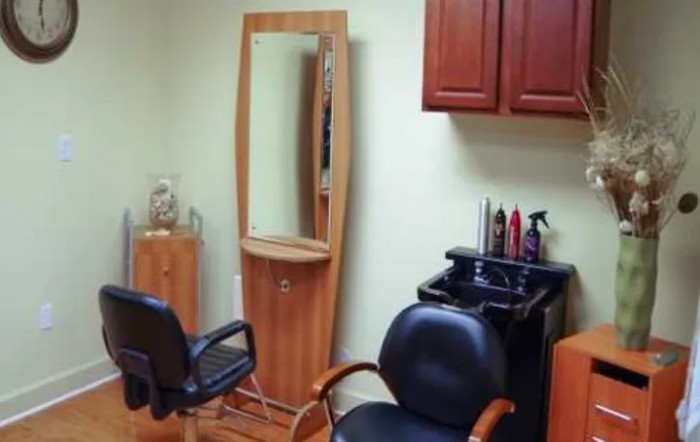
    A cozy salon setup with chairs, a large mirror, and hair styling products.
  • Healthcare

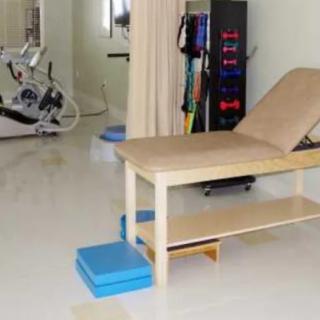
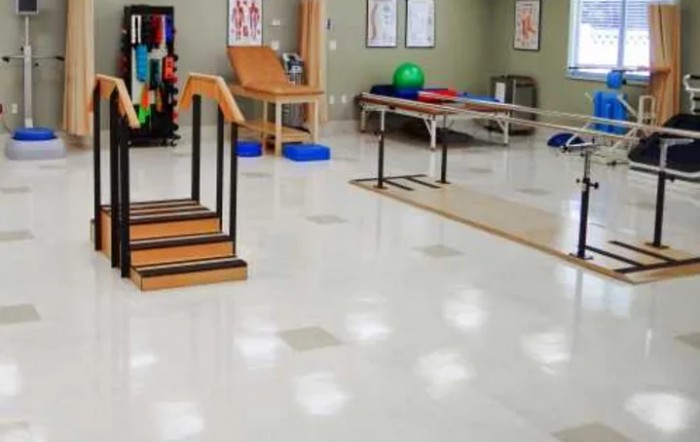
    A physical therapy room with a treatment table and exercise equipment.
  • Rehabilitation

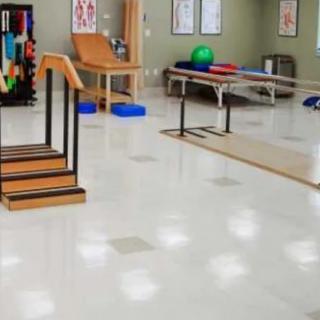
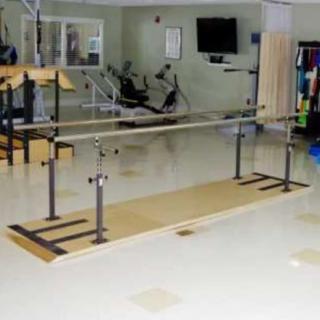
    A rehabilitation room featuring balance bars for physical therapy exercises.

Fort Walton Rehabilitation Center in Fort Walton Beach, FL

Information last verified:

1 Lbj Sr Drive, Fort Walton Beach, FL 32547

For more information about senior living options: (844) 490-3973

3.8 from 97 reviews
5 stars
64
4 stars
2
3 stars
4
2 stars
5
1 stars
22

Overall Review of Fort Walton Rehabilitation Center

Pros

  • pro The facility's staff are kind and efficient.
  • pro The physical therapists are friendly and extremely kind.
  • pro The care team is highly appreciated for their compassion and dedication.
  • pro The staff are phenomenal and more pleasant than at other facilities.
  • pro Private rehab rooms offer large TVs, private bathrooms, and personal climate control.
  • pro The facility is clean, well-kept, and welcoming.
  • pro The admissions team are rockstars.
  • pro The facility is a hidden gem and highly recommended.

Cons

  • pro Rhonda was mean, rude, and disrespectful; she needs training in manners.
  • pro Patients wait too long to be helped, especially when they are alone.
  • pro Some staff members are unhelpful and make life there miserable.
  • pro The joining bathroom had urine on the floor and wall for two days, and supervisors did not address it.
  • pro Staff were often arguing, and a male staff member yelled at a patient.
  • pro One reviewer reports a mother’s death resulted from an untreated UTI that turned into urosepsis, with concerns about staff response.
  • pro The facility is described as understaffed with slow call-light responses.
  • pro The meals were cold and did not stay hot, and drinks were not consistently provided.
  • pro Nurses’ documentation is false.
  • pro Some reviewers warn not to trust this facility to care for loved ones, calling the staff unprofessional and inattentive.

Review

Fort Walton Beach Rehabilitation Center is best suited for seniors who need structured post-acute rehabilitation, post-hospital recovery, or wound-care oriented care, and for families that value a warm, familial environment where therapy is prioritized and the administrator is accessible. The rehab wing emphasizes private rooms with in-room bathrooms, climate control, and a well-equipped therapy gym. In practice, the center often delivers steady progress through a coordinated team of therapists, nurses, and CNAs who strike a consistently courteous and supportive tone at the bedside. Leadership under Ashley Hodge receives frequent praise as accessible and proactive, a real asset when navigating discharge planning and ongoing care needs. This combination, therapy-driven recovery, private accommodations, and hands-on administration, provides a credible path to regained independence for many residents. It remains essential to recognize that fit will hinge on tolerance for operational variability that can appear in a busy, mixed-use facility.

Nevertheless, this community is not the best fit for families demanding near-perfect staffing consistency or instant response to every call light. A meaningful portion of reviews cites delays in nurse response times, gaps in daily care, and occasional lapses in communication. Complaints range from inconsistent meal delivery and room cleanliness to sporadic medication administration issues and uneven attention to residents’ comfort. These experiences underscore a reality: while many families report warm, attentive care, others encounter circumstances that leave loved ones waiting longer than desired for help or oversight. For residents who require constant, high-touch supervision or who insist on flawless day-to-day reliability, alternatives offering tighter staffing guarantees may be more reassuring.

The center’s strongest upside, robust rehabilitation teams, genuine caregiver warmth, and a dignified, comfortable environment, often offsets the more uneven operational aspects. Rehab therapists are frequently described as encouraging and skilled, with a track record of helping residents regain function and momentum. The wound-care program is cited positively by patients with ongoing needs, and the private rooms, updated equipment, and pleasant common areas create a platform where recovery can feel attainable rather than daunting. Administrators and frontline leaders who are responsive to concerns help smooth out issues when they arise, turning difficult moments into teachable opportunities for improvement. Taken together, the clinical core, the therapists, the nursing staff, and the wound-care capacity, offers a meaningful counterweight to occasional administrative or staffing gaps.

Visible negatives cannot be ignored. Several families recount prolonged wait times for call-light responses, inconsistent attention to personal hygiene, and reports of uncomfortable or unsafe conditions on some days. There are also troubling anecdotes about miscommunication with families and, in a few cases, serious adverse events that reportedly went inadequately addressed. The breadth of experiences ranges from highly positive to deeply troubling, colorfully illustrating how performance can swing with shifts, staffing levels, and individual staff members. These are not universal outcomes, but they are significant enough to demand careful, ongoing scrutiny by families, and to justify a conservative approach when risks are weighed against the potential rehab gains and the emotional comfort of a familiar caregiving team.

For families evaluating this center, a practical due-diligence plan is essential. Arrange in-person tours of both the rehab and extended-care sides to observe workflows and staffing patterns at a typical daytime and evening. Speak with the therapy leads about individualized plans, milestone tracking, and how progress is communicated to families. Meet the administrator and the nursing leadership to gauge responsiveness and accountability, and ask directly about call-light times, medication safety processes, and how dietary restrictions are managed for residents with diabetes or other conditions. Request recent quality indicators and ask to see how wound care and infection-control protocols are executed in practice. If possible, talk with multiple families who have recent experiences to gauge consistency over time. The presence of Ashley Hodge as administrator is a meaningful variable in these conversations and worth assessing early in the visit.

When the decision hinges on a blend of rehab potential, atmosphere, and risk tolerance, Fort Walton Beach Rehabilitation Center presents a credible option worth considering for families prioritizing rehabilitation outcomes and a family-like culture. The center’s core strengths, structured therapy, practical wound-care capabilities, clean facilities, and a leadership team that is accessible and involved, translate into real momentum for residents seeking to regain independence. The caveat is real: operational inconsistencies, call-light responsiveness, occasional care gaps, and reports of variability in daily routines, require vigilant oversight from families and clear, ongoing communication with the care team. For those who can tolerate some variability in service in exchange for strong rehab momentum and a supportive, engaged staff, this center remains a solid choice. For others, particularly those who cannot tolerate even periodic lapses in attentiveness or safety, exploring alternatives with more uniform staffing guarantees and tighter day-to-day controls is prudent. A deliberate on-site evaluation, aligned with a pointed set of questions, will reveal whether this community aligns with the family’s priorities and the resident’s needs.

Features

Housing

  • 120 resident community capacity 120 resident community capacity

Types of Care

  • Skilled Nursing Facility Skilled Nursing FacilitySkilled Nursing Facilities are crucial for seniors as they provide round-the-clock medical care, rehabilitation services, and assistance with daily activities. These facilities ensure that seniors receive the specialized care they need to maintain their health and well-being as they age.

Amenities

  • Air-conditioning Air-conditioningAir conditioning is important for seniors as they are more vulnerable to heat-related illnesses and may have underlying health conditions that make it difficult for them to regulate their body temperature. It helps to keep them comfortable, safe, and healthy in hot weather.
  • Beauty salon Beauty salonBeauty salons are important for seniors because they provide a space for them to feel pampered, socialize, and maintain their personal grooming and hygiene. Regular visits to a beauty salon can help boost seniors' self-esteem and overall well-being.
  • Cable or satellite TV Cable or satellite TVCable or satellite TV is important for seniors because it provides entertainment, news, and companionship, helping to combat loneliness and boredom. It also offers a wide range of programming options tailored to different interests and preferences.
  • Computer center Computer centerA computer center is essential for seniors as it provides access to technology, communication tools, and resources that can enhance their daily lives. It allows them to stay connected with loved ones, engage in online activities, and learn new skills, ultimately promoting socialization and mental stimulation.
  • Dining room Dining roomDining rooms are important for seniors as they provide a space for socialization, connection, and nutritious meals. They offer opportunities for residents to bond over shared meals, foster a sense of community, and promote healthy eating habits. Dining rooms also ensure that seniors have access to well-balanced meals tailored to their dietary needs and preferences.
  • Fitness room Fitness roomHaving a fitness room in a senior living community is essential for seniors to stay active, maintain their physical health, and improve their overall well-being. Regular exercise can help prevent falls, reduce the risk of chronic diseases, and promote mental sharpness. It also provides social opportunities for residents to connect with others and enjoy a sense of community.
  • Fully furnished Fully furnishedFully furnished senior living communities are important for seniors because they provide convenience, comfort, and a hassle-free moving experience. Seniors can easily settle into their new living space without the stress of having to buy and move furniture. This allows them to focus on enjoying their new home and community.
  • Gaming room Gaming roomGaming rooms are important for seniors as they provide a fun and engaging environment for socializing, cognitive stimulation, and physical activity. Games can improve memory, problem-solving skills, and overall mental well-being while fostering friendships and reducing feelings of isolation.
  • Garden GardenGardens are important for seniors as they provide a peaceful and therapeutic environment for relaxation, physical activity, and socialization. Being in nature has been shown to reduce stress, improve mood, and promote overall well-being. Gardens also offer opportunities for seniors to engage in gardening activities, which can improve mobility, flexibility, and cognitive function. Additionally, gardens create a sense of community and connection with others who share a passion for plants and outdoor spaces.
  • Housekeeping services Housekeeping servicesHousekeeping services are important for seniors because they help maintain a clean and safe living environment, promote independence, and reduce the risk of accidents or illnesses. Additionally, having assistance with household chores can alleviate physical strain and allow seniors to focus on other aspects of their well-being.
  • Kitchenette KitchenetteKitchenettes are important for seniors living in senior living communities because they provide the convenience and independence of being able to prepare simple meals and snacks in the comfort of their own living space. This can help promote a sense of autonomy and well-being for seniors, allowing them to maintain some level of control over their dietary choices and daily routines.
  • Move-in coordination Move-in coordinationMove-in coordination is important for seniors because it helps ease the transition into their new living environment. It ensures that all logistics, such as packing, organizing movers, and setting up utilities are taken care of, allowing seniors to focus on settling in and adjusting to their new home. Having a smooth move-in process can alleviate stress and anxiety, making the transition smoother and more enjoyable for seniors.
  • Outdoor space Outdoor spaceOutdoor spaces are important for seniors as they provide opportunities for physical activity, social interaction, exposure to natural light and fresh air, and a sense of connection to nature. Having access to outdoor spaces can improve overall well-being and quality of life for older adults living in senior communities.
  • Private bathrooms Private bathroomsPrivate bathrooms are important for seniors in senior living communities because they provide independence, dignity, and comfort. Having a private bathroom allows seniors to maintain their personal hygiene routines without the need for assistance, promoting a sense of autonomy and privacy. Additionally, private bathrooms help prevent the spread of infections and provide a safe and clean environment for seniors to navigate safely.
  • Restaurant-style dining Restaurant-style diningRestaurant-style dining is important for seniors because it allows them to enjoy delicious, nutritious meals in a social and upscale setting. This enhances their dining experience, promotes healthy eating habits, and fosters socialization with fellow residents, ultimately contributing to their overall well-being and quality of life.
  • Small library Small librarySmall libraries are important for seniors as they provide access to a variety of reading materials, including books, newspapers, and magazines. This can help stimulate their minds, keep them engaged, and provide a sense of community through book clubs and other social activities. Additionally, reading has been shown to improve cognitive function and overall mental well-being in older adults.
  • Telephone TelephoneTelephones are important for seniors as they provide a lifeline for communication with loved ones, emergency services, and healthcare providers. They offer a sense of security and independence, enabling seniors to stay connected and access assistance when needed.
  • Wellness center Wellness centerWellness centers are important for seniors because they offer a variety of programs and services that promote physical, mental, and emotional well-being. These centers provide opportunities for exercise, socialization, education, and relaxation, helping seniors maintain their overall health and quality of life.
  • Wi-Fi/high-speed internet available Wi-Fi/high-speed internet availableWi-Fi/high-speed internet is important for seniors to stay connected with loved ones, access online resources, and participate in virtual activities to combat feelings of loneliness and isolation. It also allows them to easily manage healthcare needs, access entertainment, and engage in lifelong learning opportunities.

Transportation

  • Eglin Air Force Base (7 miles away) Eglin Air Force Base (7 miles away)
  • Community operated transportation Community operated transportationCommunity operated transportation is crucial for seniors as it provides them with the means to access essential services, social activities, and medical appointments. It allows seniors to maintain their independence and quality of life by ensuring they can participate in activities outside of their homes. Additionally, community-operated transportation services offer a safe and reliable way for seniors to travel without having to rely on family or friends for assistance.
  • Transportation arrangement Transportation arrangementTransportation arrangements are crucial for seniors as they may face challenges with driving, mobility, or access to public transportation. Having reliable transportation services ensures that seniors can easily attend appointments, social activities, and maintain their independence and quality of life.
  • Transportation arrangement (non-medical) Transportation arrangement (non-medical)Transportation arrangements are essential for seniors as they provide access to essential services, activities, and social interactions outside the home. This service helps maintain independence, mobility, and overall well-being for seniors who may have limited transportation options.
  • Transportation to doctors appointments Transportation to doctors appointmentsTransportation to doctors appointments is crucial for seniors as it ensures they have access to necessary medical care and support, promoting their health and well-being. It allows them to receive timely treatment, monitor existing conditions, and address any new health concerns efficiently. Additionally, transportation services can help seniors maintain their independence and quality of life by enabling them to stay connected with their healthcare providers.

Care Services

  • 12-16 hour nursing 12-16 hour nursing12-16 hour nursing care is crucial for seniors in order to ensure around-the-clock monitoring, timely medication administration, and prompt response to any health concerns or emergencies. This level of care helps to promote the overall well-being and safety of seniors living in senior living communities.
  • 24-hour call system 24-hour call system24-hour call systems are important for seniors because they provide peace of mind and immediate assistance in case of emergencies. This technology ensures that help is always available, promoting safety and security for elderly individuals living alone or in assisted living facilities.
  • 24-hour supervision 24-hour supervision24-hour supervision is important for seniors to ensure their safety, well-being, and access to immediate assistance in case of emergencies or health issues. This constant support provides peace of mind for both seniors and their loved ones, allowing them to age in place with dignity and security.
  • Activities of daily living assistance Activities of daily living assistanceActivities of daily living assistance are important for seniors because they provide essential support with tasks such as eating, bathing, dressing, and mobility. This assistance helps seniors maintain their independence, dignity, and overall quality of life as they age.
  • Assistance with bathing Assistance with bathingAssistance with bathing is crucial for seniors as it helps maintain personal hygiene, prevents infections, and ensures their overall well-being and comfort. It also provides a sense of dignity and independence for seniors who may struggle with this task on their own.
  • Assistance with dressing Assistance with dressingAssistance with dressing is important for seniors because it helps maintain their independence, promotes personal hygiene, prevents accidents and injuries, and improves overall quality of life. This service ensures that seniors can continue to dress comfortably and confidently, despite any physical limitations they may have.
  • Assistance with transfers Assistance with transfersAssistance with transfers is crucial for seniors as it helps prevent falls and injuries, maintains their independence, and ensures they can safely navigate their living environment. It also provides peace of mind for both seniors and their loved ones.
  • Diabetes diet Diabetes dietA diabetes diet is crucial for seniors as it helps manage blood sugar levels, reduce risks of complications, and improve overall health and well-being. By following a balanced and nutritious diet tailored to their specific needs, seniors can better control their diabetes and enhance their quality of life.
  • Meal preparation and service Meal preparation and serviceMeal preparation and service are crucial for seniors as they may have limited mobility or energy to cook nutritious meals. Having access to healthy and convenient food options can ensure they are getting the proper nutrition needed to maintain their overall health and well-being.
  • Medication management Medication managementMedication management is crucial for seniors to ensure they are taking the right medications at the correct dosages and times. This helps prevent adverse drug interactions, reduces the risk of medication errors, and promotes overall health and well-being. Proactive management also allows for adjustments as needed based on changing health conditions or new prescriptions.
  • Mental wellness program Mental wellness programMental wellness programs are essential for seniors as they promote cognitive stimulation, emotional support, and social engagement. These programs help prevent isolation, depression, and cognitive decline, ultimately enhancing the overall quality of life for older adults.
  • Special dietary restrictions Special dietary restrictionsSpecial dietary restrictions are important for seniors because age-related changes in metabolism and health conditions can make it difficult for their bodies to process certain foods. By following a diet tailored to their specific needs, seniors can maintain their overall health and well-being, manage chronic conditions, and reduce the risk of complications such as malnutrition or food interactions with medications.

Dining

  • Diabetes diet Diabetes dietA diabetes diet is crucial for seniors as it helps manage blood sugar levels, reduce risks of complications, and improve overall health and well-being. By following a balanced and nutritious diet tailored to their specific needs, seniors can better control their diabetes and enhance their quality of life.
  • Special dietary restrictions Special dietary restrictionsSpecial dietary restrictions are important for seniors because age-related changes in metabolism and health conditions can make it difficult for their bodies to process certain foods. By following a diet tailored to their specific needs, seniors can maintain their overall health and well-being, manage chronic conditions, and reduce the risk of complications such as malnutrition or food interactions with medications.

Activities

  • Community-sponsored activities Community-sponsored activitiesCommunity-sponsored activities are important for seniors as they provide opportunities for social interaction, mental stimulation, and physical activity. These activities can help improve overall well-being, combat loneliness and isolation, and promote a sense of belonging and purpose among older adults.
  • Concierge services Concierge servicesConcierge services are essential for seniors as they provide assistance with daily tasks and errands, enhance their quality of life by offering convenience and personalized care, and promote a sense of safety and security.
  • Fitness programs Fitness programsFitness programs are crucial for seniors as they help improve strength, flexibility, balance, and overall well-being. Staying active can reduce the risk of chronic diseases, improve mental health, and enhance quality of life in older adults.
  • Planned day trips Planned day tripsPlanned day trips are important for seniors because they offer opportunities for socialization, mental stimulation, and physical activity. They provide a change of scenery and help seniors stay engaged and connected to their community, promoting overall well-being and quality of life.
  • Resident-run activities Resident-run activitiesResident-run activities are important for seniors as they encourage social interaction, creativity, and a sense of autonomy. These activities empower seniors to stay engaged and active in their community while fostering meaningful connections with their peers.
  • Scheduled daily activities Scheduled daily activitiesScheduled daily activities are important for seniors because they provide structure, socialization, mental stimulation, and physical activity. Engaging in regular activities can improve overall well-being and quality of life for seniors living in a community setting.

Description

The Fort Walton Rehabilitation Center in Fort Walton Beach, FL is an exceptional assisted living community that provides a wide range of amenities and care services to its residents. The center offers a comfortable and well-maintained environment for seniors to enjoy their retirement years.

Residents can take advantage of amenities such as a beauty salon, allowing them to look and feel their best without leaving the community. Cable or satellite TV is provided in each room for entertainment purposes. Community operated transportation is available for those who need assistance getting around town, whether it be for shopping or social outings.

The center also caters to the tech-savvy individual with a computer center and Wi-Fi/high-speed internet access throughout the facility. For those who enjoy reading, there is a small library stocked with various books for leisurely reading.

Meals are served restaurant-style in the dining room, where residents can enjoy delicious and nutritious meals prepared by the staff. Special dietary restrictions can be accommodated to ensure each resident's specific needs are met. Additionally, residents have access to a kitchenette if they prefer to prepare their own snacks or meals.

For recreational activities, there is a fitness room complete with exercise equipment and regularly scheduled fitness programs. A gaming room provides residents with opportunities for friendly competition and socializing. There is also outdoor space available for residents to relax and enjoy nature in the beautifully maintained garden.

Care services provided at Fort Walton Rehabilitation Center include 24-hour call system for emergencies, 24-hour supervision to ensure safety, assistance with activities of daily living such as bathing and dressing, as well as assistance with transfers for those who need help moving from one place to another.

Medication management is available to assist residents in taking their medications correctly and on time. The center also offers meal preparation and service along with special dietary restrictions catered specifically to individuals with diabetes or other dietary needs.

To promote mental wellness, a mental wellness program is offered that includes activities designed to stimulate cognitive functioning and improve overall mental well-being. Transportation arrangement can be made for non-medical purposes, such as outings or appointments.

Additionally, the center provides move-in coordination services to help ease the transition for new residents. Housekeeping services are available to ensure a clean and comfortable living environment.

Residents can enjoy a variety of activities both within the community and in the surrounding area. The center offers concierge services to assist residents with arrangements for day trips, as well as resident-run activities that encourage social interaction among peers. Scheduled daily activities provide opportunities for residents to stay engaged and active.

The Fort Walton Rehabilitation Center is conveniently located near several amenities for added convenience. There are two cafes, five parks, six pharmacies, 31 physicians, 34 restaurants, and two hospitals nearby, allowing residents easy access to various necessities and healthcare options.

Overall, the Fort Walton Rehabilitation Center offers a comprehensive range of amenities and care services designed to ensure the comfort, well-being, and enjoyment of its residents.

Nearby Places of Interest

Physicians

  • Donald Whitaker (0.4 miles)
  • White-Wilson Medical Center (0.5 miles)
  • Interventional Pain Center (0.5 miles)
  • White Wilson General Surgery (0.5 miles)
  • All Seasons Allergy & Asthma Center PA (0.6 miles)
  • James F Watt (0.6 miles)
  • Michael L Shawbitz (0.6 miles)

Restaurants

  • McDonald's (0.4 miles)
  • Culver's (0.4 miles)
  • Stewby's Seafood Shanty (0.9 miles)
  • Domo Cafe (0.9 miles)
  • Burger King (1 miles)
  • Wendy's (1.1 miles)
  • Panda Express (1.4 miles)

Hospitals

  • Fort Walton Beach Medical Center OB OR (0.6 miles)
  • Kidney center (0.7 miles)

Pharmacies

  • Walgreens (0.9 miles)
  • Winn-Dixie (1 miles)
  • Walgreens (2.6 miles)
  • CVS Pharmacy (2.6 miles)
  • Winn-Dixie (3.4 miles)
  • Genoa-Qol Healthcare Co. (3.8 miles)

Parks

  • Sunset Park (1.9 miles)
  • Vesta Heights Park (2.7 miles)
  • Ferry Park (3.3 miles)
  • Liza Jackson Park (3.8 miles)
  • Fort Walton Beach Landing (4.5 miles)
  • John Beasley Park (5.7 miles)
  • Mattie Kelly Park (9.2 miles)

Cafes

  • Starbucks (2.3 miles)
  • Starbucks (3.5 miles)

Transportation

  • Destin–Fort Walton Beach Airport (VPS) (5.6 miles)
  • Hertz Rent A Car (5.7 miles)

Frequently Asked Questions

Where is Fort Walton Rehabilitation Center?
What photos are available for Fort Walton Rehabilitation Center in Fort Walton Beach, Florida?

Nearby Communities

  • Meridian At Westwood

    Meridian At Westwood

    Fort Walton Beach, FL

    4.4 from 156 reviews
    $3,000 to $4,350 / month

    pro Clean, well-maintained community with friendly staff, good dining, and engaging activities.
  • Belvedere Commons of Fort Walton Beach

    Belvedere Commons of Fort Walton Beach

    Fort Walton Beach, FL

    4.4 from 128 reviews
    $2,800 to $6,000 / month

    pro Friendly, attentive staff in a smaller, welcoming community with spacious rooms.

  • Brookdale Fort Walton Beach

    Brookdale Fort Walton Beach

    Fort Walton Beach, FL

    4.2 from 55 reviews
    $2,495 to $4,315 / month

    pro Friendly, attentive staff in a smaller, well-maintained community with engaging activities.

  • Home Instead - Fort Walton Beach,  FL

    Home Instead - Fort Walton Beach, FL

    Fort Walton Bch, FL

    3.5 from 11 reviews
     

    pro Convenient access to healthcare, dining, parks, and cafes with attentive staff.

  • Teresa Village

    Teresa Village

    Fort Walton Beach, FL

    2.6 from 8 reviews
     

    pro Quiet, accessible 55+ community with friendly staff and social activities.

  • Air Force Enlisted Village

    Air Force Enlisted Village

    Shalimar, FL

    4.9 from 58 reviews
     

    pro Memory care with on-site activities and meals in a supportive community.

  • Bay Port Of Fort Walton Beach

    Bay Port Of Fort Walton Beach

    Fort Walton Beach, FL

    4.5 from 58 reviews
     

    pro Caring staff in a clean, home-like setting with engaging activities.

  • American House Bluewater Bay

    American House Bluewater Bay

    Niceville, FL

    4.7 from 63 reviews
    $4,820 to $6,480 / month

    pro Vibrant, active community with helpful staff and resort-style amenities.

  • The Blake at Miramar Beach

    The Blake at Miramar Beach

    Miramar Beach, FL

    4.8 from 44 reviews
     

    pro Excellent upkeep and cleanliness; compassionate, competent staff; restaurant-quality dining; engaging activities; upscale, professional environment.

Skilled Nursing Facility in Nearby Cities

Related Resources

  • how much does 24/7 in home care cost per monthUnderstanding the Full Cost of 24/7 In-Home Care: A Detailed Overview

    The guide outlines the rising costs of 24/7 in-home care, ranging from $10,000 to over $20,000 monthly, driven by factors such as location and caregiver qualifications. It discusses the limited coverage by Medicare and private insurance, potential Medicaid support, and the emotional and living condition considerations influencing families' decisions on care arrangements.

  • home health nurseExploring the World of Home Health Nurses: Qualifications, Roles, and Hiring Tips

    Home health nursing is an expanding field where licensed professionals provide specialized medical care in patients' homes, addressing the needs of an aging population through personalized services like assessments and medication management. Effective collaboration with healthcare teams, cultural sensitivity, and quality assurance measures are essential for fostering trust and ensuring positive patient outcomes.

  • does medicare cover home health careNavigating Medicare Coverage for In-Home Care Services
    Medicare covers in-home health care services, which are medical and provided by licensed professionals under a physician's supervision, whereas non-medical personal assistance is generally not covered unless part of a broader skilled care plan. Eligibility for benefits depends on being homebound and needing intermittent skilled services from a Medicare-certified agency, with specific coverage limitations and additional resources available for navigating options.