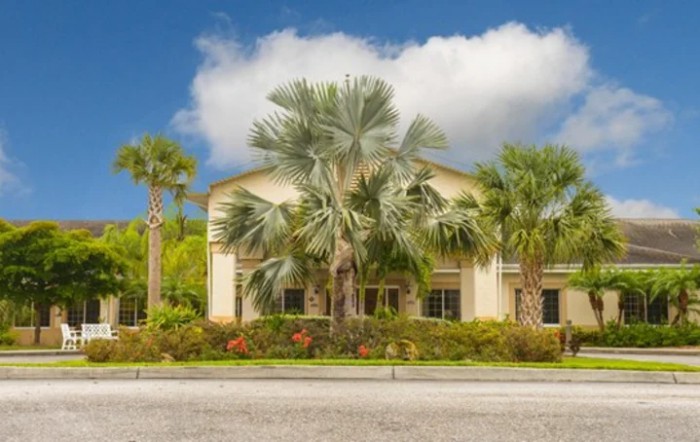
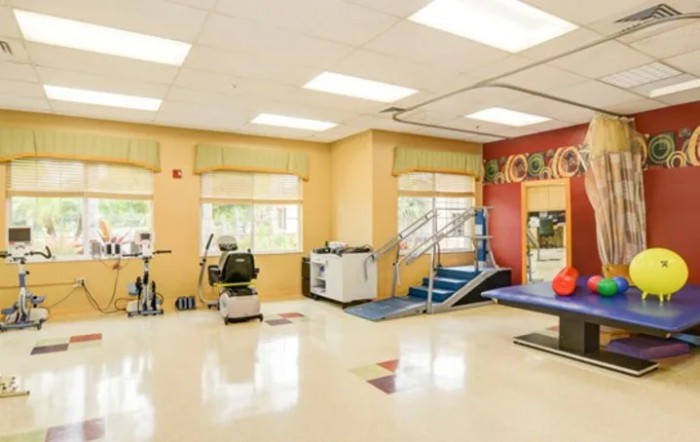
13881 Eagle Ridge Drive, Fort Myers, FL 33912
For more information about senior living options: (866) 208-4318
Overall Review of Manorcare Health Services - Fort Myers
Pros
 The staff were attentive and responsive when asked to help.
- The resident was happy with the food.
- They were good about getting him to dialysis and to doctors.
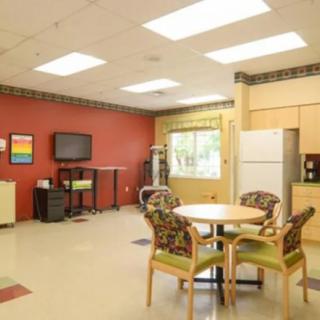
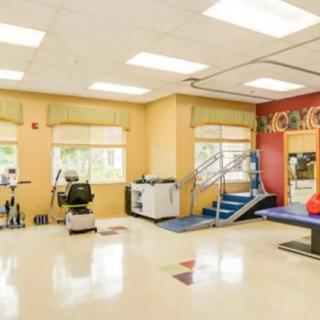
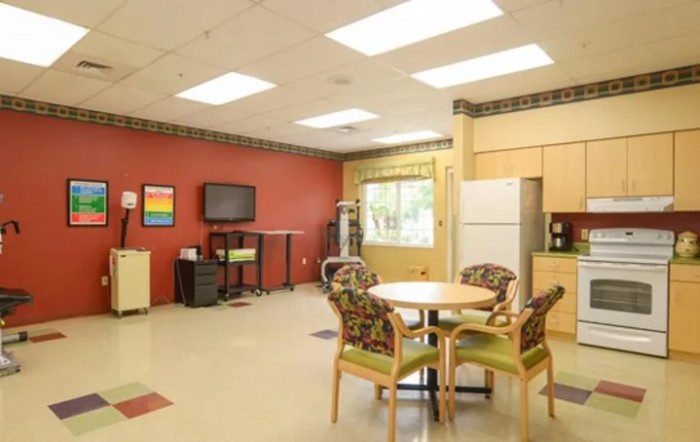
- The facility was clean, with a newer, welcoming environment.
- Nursing and physical therapy were well-regarded.
- The rooms were bright and clean, contributing to a positive overall impression.
Cons
 They had some problems at the end and were unhappy with the service.
- They tried calling for a full day, but the staff did not call back.
- The bathroom was outdated and the faucet in the first room did not work.
- ManorCare did not provide care as good as it should have.
- They did not do much for her during physical therapy.
- Some of the staff members were not good at all.
- There was no communication with family about care goals or progress.
- Large and sudden changes in a resident's condition seemed to be ignored.
- Staff argued with and yelled at disoriented residents.
- They would leave her in the room if she did not want to eat.
- The reviewer would not recommend it.
Review
ManorCare Fort Myers is best suited for seniors who need skilled nursing and short-term post-acute rehab in a clinical, hospital-like setting. It works for residents who require intensive therapy and medical oversight, including coordination of dialysis and routine physician access, and for families prepared to monitor care closely. The strongest case is made for those who value concrete rehab momentum, reliable nursing attention when engaged, and a building that can feel newer and cleaner on many days. It is not ideal for anyone seeking a warm, boutique memory-care atmosphere or effortless, always-available communication. In short, the community serves recovery-focused residents whose families are ready to advocate and supervise care.
Alternatives are worth considering for those who prioritize consistent communication, a more engaging daily routine, and a clearly defined memory-care program. Several reviewers report frequent, inaccurate, or late family updates, staff turnover, and a lack of structured activities for memory-care residents. For long-term living, the combination of intermittent responsiveness and uneven care quality could become a significant burden. In cases where an elder requires daily, proactive engagement, closer doctor–family coordination, or a more homelike environment with predictable routines, other options may deliver more peace of mind.
On the upside, several reviews note that staff can be attentive and do what is asked, and therapy services can be solid, particularly early in a rehab stay. Families also describe clean buildings and, in some cases, good meal options that residents enjoy. The ability to move a patient to doctors and manage medical appointments is repeatedly cited as a strength. These positives create a practical backbone for recovery: if therapy is consistent and nursing staff respond when prompted, progress and safety improve. However, these advantages do not universally apply to all shifts or all residents, and they can be fragile anchors if communication falters or patient needs shift rapidly.
That said, the dominant concerns are acute and recurring. Calls from families are not always returned, and coordination with the facility doctor is inconsistent, leaving families anxious about care plans. The memory-care unit is described as lacking daily activities and oriented programming, with residents left in quiet spaces and little cognitive stimulation. Staff interactions can become tense, and encounters where staff yell at disoriented residents have been reported. In short, the care experience can feel impersonal when there is heavy reliance on announcements or therapy sessions rather than ongoing, proactive communication and goal-setting. Long-term residents face the risk of being forgotten in changes of condition or care priorities.
Practical next steps for families weighing ManorCare include asking for a dedicated care coordinator and regular, proactive updates; requesting a clear rehab or memory-care program outline with daily activities; and reviewing recent staffing changes or leadership. Tour the memory-care or rehab units, observe interaction styles, and request case studies or example care plans. Verify meal schedules, menu quality, and the dining experience, as these affect daily satisfaction. If long-term residence is anticipated, discuss room options, cleanliness standards, and the facility’s process for coordinating with outside providers. A candid, upfront plan helps determine whether the positives, therapy, medical coordination, and basic cleanliness, can sustain years of care.
Overall, ManorCare Fort Myers delivers essential nursing and rehab services with a few reliable strengths, attentive staff when engaged, workable therapy momentum, and a generally clean environment in places. Yet the frequent communication gaps, uneven care quality, and a lack of meaningful memory-care programming seriously limit its appeal for long-term residence. For short-term rehab with an assertive family advocate, the facility can function as a practical option, offering necessary medical oversight and a path to recovery. For those seeking consistent, resident-centered care and a stimulating daily routine, stronger alternatives are worth pursuing. The choice hinges on whether recovery navigation and medical coordination outweigh the need for dependable communication and engaged memory care.
 120 resident community capacity
 Skilled Nursing Facility
 Air-conditioning
 Beauty salon
 Cable or satellite TV
 Computer center
 Dining room
 Fitness room
 Fully furnished
 Gaming room
 Garden
 Housekeeping services
 Kitchenette
 Move-in coordination
 Outdoor space
 Private bathrooms
 Restaurant-style dining
 Small library
 Telephone
 Wellness center
 Wi-Fi/high-speed internet available
 Southwest Florida International (5 miles away)
 Community operated transportation
 12-16 hour nursing
 24-hour call system
 Activities of daily living assistance
 Assistance with bathing
 Assistance with dressing
 Assistance with transfers
 Diabetes diet
 Medication management
 Mental wellness program
 Special dietary restrictions
 Concierge services
 Planned day trips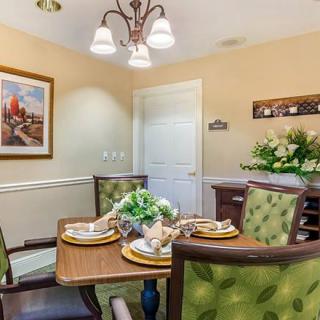






 Comprehensive Look at Senior Blood Pressure Charts: Normal and Elevated Levels by Age
 Top Canine Companions for Older Adults
 Comprehensive Guide to Blood Pressure Charts for Older Adults: Understanding Normal and High Readings by Age