
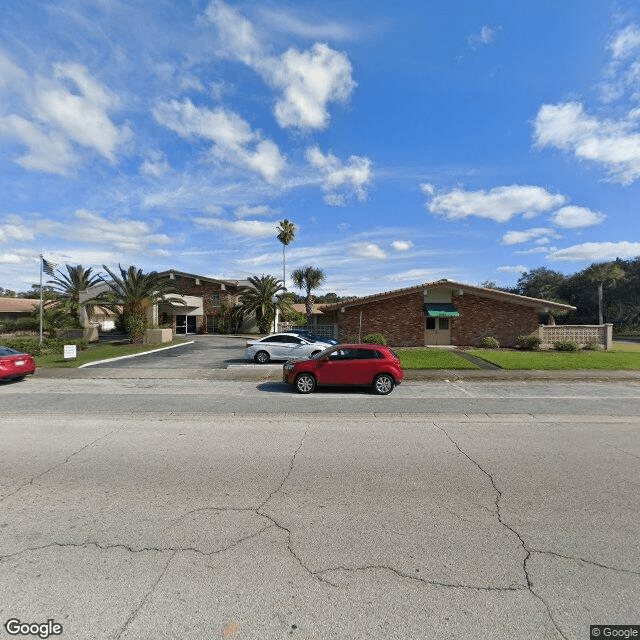
1001 S Beach St, Daytona Beach, FL 32114
To contact a resident: (904) 258-3334
For more information about senior living options: (866) 208-4318
Overall Review of Sandalwood Rehabilitation and Nursing Center
Pros
 The nursing home was excellent; the nurses were caring and professional.
- The staff were caring, attentive, and professional.
- The facility is wonderful, with a caring staff and a professional administration team.
- The staff taking care of residents were outstanding.
- The facility is clean, with delicious meals and very attentive staff.
- The nursing department is great, with nurses dedicated to helping residents regain health and return home.
- The facility is highly recommended for nursing care.
Cons
 The staff couldn’t care less about her care.
- The facility was filthy and the conditions were the filthiest.
- There was an unnecessary wheelchair alarm on her chair.
- Management was furious to have someone leave against medical advice.
- They failed to provide essential physical therapy and IV antibiotics for the first three days.
- It was an awful place that should not be trusted with a loved one.
- Roaches were present in the bathroom, signaling poor sanitation.
- The rooms smelled like urine and residents were neglected.
- A staff member stole her credit card and checks to obtain money for drugs.
- The administrator never answered the phone when contacted.
- There was constant staff turnover and poor communication.
- The state should shut this place down.
- The care was so poor that insurance companies should be notified.
Review
Sandalwood Rehabilitation and Nursing Center in Daytona Beach is best suited for families where a loved one needs attentive day-to-day nursing care and a defined rehabilitation track, with the expectation that compassionate nurses and aides will be consistently present. It can be a workable choice for short-term rehab or post-acute recovery when daily therapy and friendly, personable staff are valued. However, it is not a fit for families prioritizing flawless administration, airtight safety, and consistently proactive communication. The experiences shared by families are highly polarized, making it essential to separate what works on the floor from what happens in the administrative office.
On the positive side, several reviews highlight genuine care from frontline staff. The nursing team is frequently described as caring, professional, and responsive to resident needs, and in some cases the rehab program delivers daily physical therapy with residents able to return home after a successful course. Cleanliness and meals also show up as strengths in multiple accounts, with some visitors noting a well-kept environment and delicious, nourishing food. When the care team is functioning as described, families feel connected through regular updates and have confidence in the residents’ daily well-being.
Yet the downsides are substantive and cannot be dismissed. A significant thread running through the testimonials is underps staffing and inconsistent communication with families and the facility’s social worker or administrator. Several accounts describe difficulty getting timely answers, trouble reaching leadership, and a sense that important decisions or care adjustments take too long to arrive. Beyond scheduling and information gaps, there are grave accusations of neglect and harm, examples range from unsatisfactory handling of medications or care plans to reports of conditions that suggest poor hygiene and unsafe environments. The most troubling anecdotes involve errors in safety and protection, including theft and financial misuse, which severely erode trust.
These pros and cons do not cancel each other out; they simply tilt in opposite directions depending on what a family values most. For families prioritizing a warm, capable nursing presence and a rehab program with demonstrated activity, the positives can offset some administrative friction if oversight remains strong and one can advocate actively for the resident. But when administrative inaccessibility collides with allegations of neglect or unsafe conditions, the potential harms outweigh the benefits. In such cases, the risk profile justifies serious consideration of alternatives, especially for long-term residential care rather than episodic rehab.
For those considering other options, look for facilities with stable leadership, transparent operations, and consistently accessible administration. Scrutinize state survey results, deficiency histories, and recent corrective actions; verify infection control practices, housekeeping standards, and pest management. Ask for direct access to the director of nursing and the social worker, and request a detailed care plan review, including therapy frequency and daily staffing ratios. If possible, observe a shift change to gauge how information travels between staff and families. The right choice aligns ongoing safety, reliable communication, and quality daily care with a clear, accountable leadership structure.
 99 resident community capacity
 Skilled Nursing Facility
 Air-conditioning
 Beauty salon
 Cable or satellite TV
 Computer center
 Dining room
 Fitness room
 Fully furnished
 Gaming room
 Garden
 Housekeeping services
 Kitchenette
 Move-in coordination
 Outdoor space
 Private bathrooms
 Restaurant-style dining
 Small library
 Telephone
 Wellness center
 Wi-Fi/high-speed internet available
 Daytona Beach International (3 miles away)
 Community operated transportation
 12-16 hour nursing
 24-hour call system
 Activities of daily living assistance
 Assistance with bathing
 Assistance with dressing
 Assistance with transfers
 Diabetes diet
 Medication management
 Mental wellness program
 Special dietary restrictions
 Concierge services
 Planned day trips

 Top Cars for Senior Drivers and Essential Safety Innovations
 A Closer Look at Private Pay Home Care
 Comprehensive Approaches for Arthritis: A Detailed Guide to Symptoms, Causes, and Care