1150 Ponce De Leon Boulevard, Clearwater, FL 33756
For more information about senior living options: (866) 208-4318
3.5 from 117 reviews
5 stars
64
4 stars
7
3 stars
3
2 stars
8
1 stars
35
Overall Review of Belleair Health Care Center
common30 reviews mention this
Staff attentiveness comes through
Residents and families repeatedly describe supportive, welcoming staff during care.
Many reviewers say the team felt attentive and genuinely caring, from front-desk and nursing to aides and therapy. Several families highlight individual staff members by name, describing frequent check-ins and help with daily comfort and recovery. A smaller set of reviews report the opposite experience, including periods when call lights weren’t answered promptly and staffing felt short.
differentiator22 reviews mention this
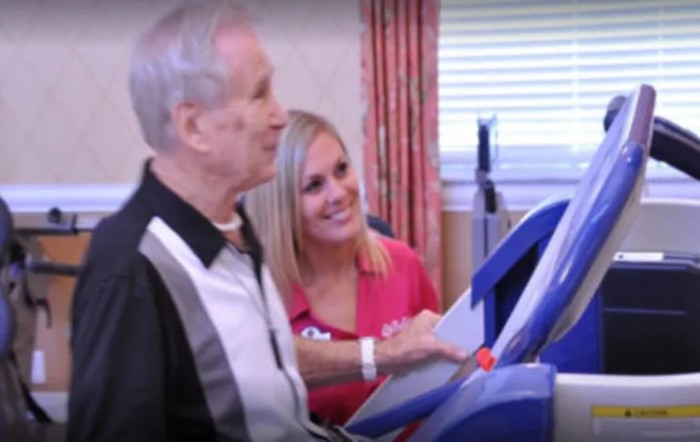
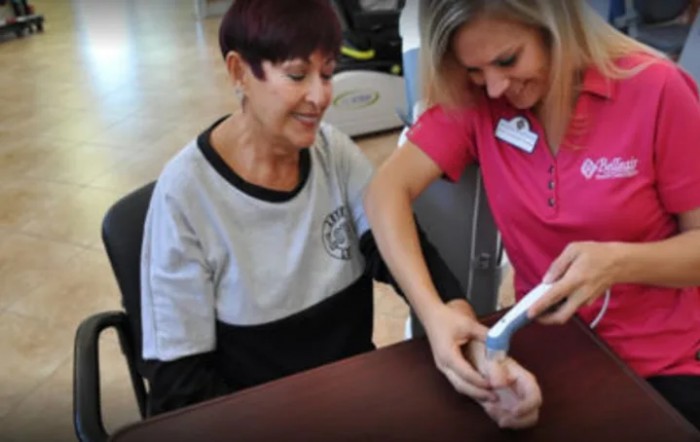
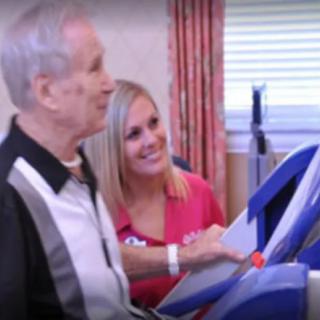
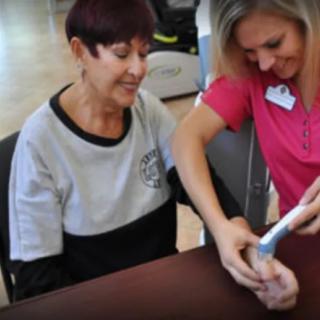
Rehab therapy supports recovery
Physical and occupational therapy is a consistent focus of improvement residents talk about.
A large portion of reviews connect the rehab experience to functional gains, like getting stronger, walking again, or returning home after therapy. Reviewers often describe supportive, knowledgeable therapists and therapy sessions that felt personalized. Some comments also wish therapy was more consistent or better balanced across specific types, but rehab quality is still a recurring theme overall.
common14 reviews mention this
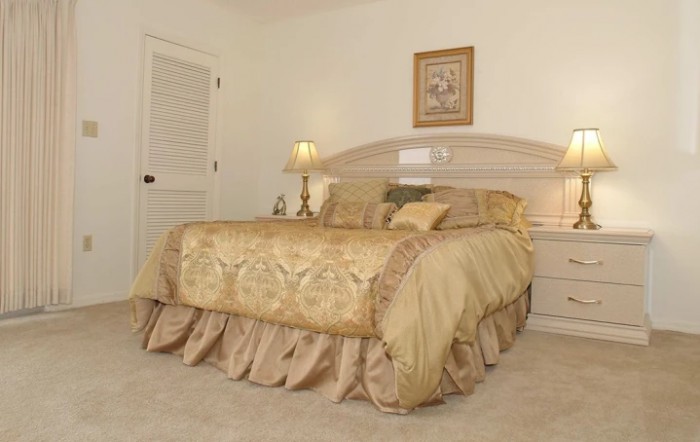
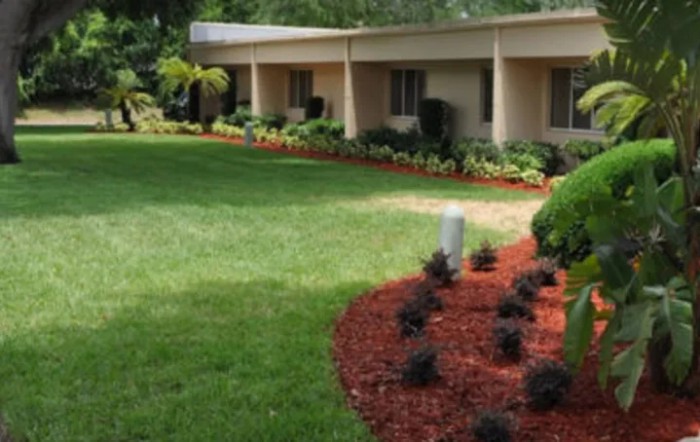
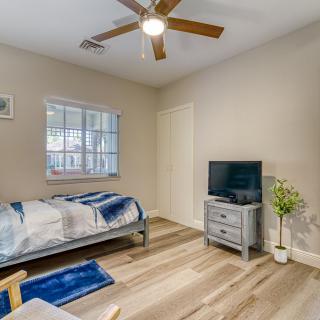
Clean rooms and building stand out
Clean, bright accommodations are mentioned often in positive reviews.
Multiple reviewers describe clean, spotless spaces and a facility that feels well kept, including clean rooms and hallways. Cleanliness also comes up in at least a few negative reviews as something that doesn’t necessarily match the overall experience. Taken together, residents seem to associate the modern, tidy environment with better day-to-day comfort.
common9 reviews mention this
Food quality varies by reviewer
Dining quality is mixed, with some calling meals delicious and others calling them poor.
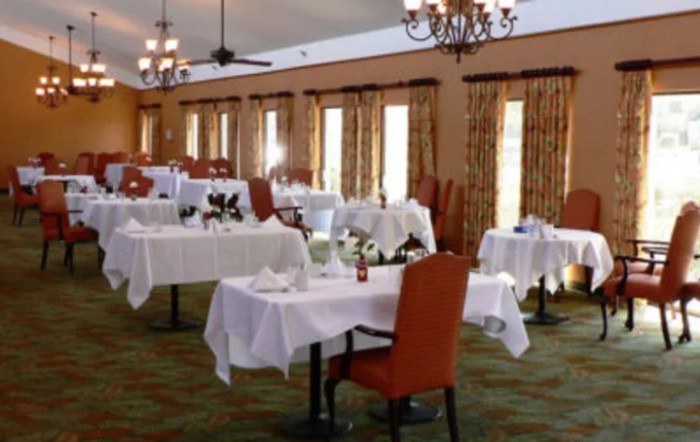
Several reviewers praise food, describing it as clean, well prepared, and even worth highlighting, sometimes mentioning alternate meal options. Others criticize meal quality, describing tasteless food or food that didn’t meet expectations. The dining support described in reviews aligns with the community offering medically guided diets like diabetes and special dietary restrictions.
caveat10 reviews mention this
Communication and follow-through concerns
Some families report gaps in communication and care coordination.
A recurring negative theme is difficulty getting timely answers—especially around updates, medication, and care coordination. Some reviewers describe delayed responses from administration or limited follow-through from social services, while others say requests weren’t handled consistently. Even when reviews are generally positive, a few note problems with getting information or having needs met quickly.
caveat12 reviews mention this
Response time and staffing feel uneven
Several reviews describe understaffing affecting call response and assistance.
Some reviewers say call buttons weren’t answered promptly, leaving residents waiting for bathroom assistance or help with medication timing. A few describe nighttime coverage as especially limited, along with situations where residents were left unattended or care felt inconsistent. There are also positive counterexamples describing immediate help and responsive staff, which suggests the experience may depend on timing and unit coverage.
How we summarize
Counts show how many written reviews mention each theme; a review can touch several themes, and only frequently mentioned themes are displayed.
Features
Housing
120 resident community capacity
Types of Care
Skilled Nursing Facility
Amenities
Air-conditioning
Beauty salon
Cable or satellite TV
Computer center
Dining room
Fitness room
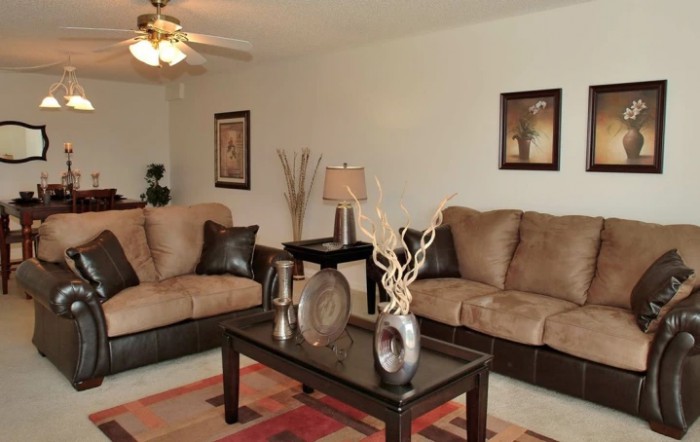
Fully furnished
Gaming room
Garden
Housekeeping services
Kitchenette
Move-in coordination
Outdoor space
Private bathrooms
Restaurant-style dining
Small library
Telephone
Wellness center
Wi-Fi/high-speed internet available
Transportation
St. Petersburg-Clearwater International (7 miles away)
Tampa International (16 miles away)
Community operated transportation
Transportation arrangement
Transportation arrangement (non-medical)
Transportation to doctors appointments
Care Services
12-16 hour nursing
24-hour call system
24-hour supervision
Activities of daily living assistance
Assistance with bathing
Assistance with dressing
Assistance with transfers
Diabetes diet
Meal preparation and service
Medication management
Mental wellness program
Special dietary restrictions
Dining
Diabetes diet
Special dietary restrictions
Activities
Community-sponsored activities
Concierge services
Fitness programs
Planned day trips
Resident-run activities
Scheduled daily activities
Nearby Places of Interest
Restaurants
Hammerstein Brewing Company (0.6 miles)
Cristino's Coal Oven Pizza (1.3 miles)
Seaweed Steaks, Seafood and Sushi (1.7 miles)
Island Way Grill (3 miles)
Chili's Grill & Bar (3 miles)
Windward Bar & Grille (3.1 miles)
Chick-Fil-A (3.1 miles)
Hospitals
Morton Plant Hospital (1.2 miles)
Morgan Heart Hospital (1.2 miles)
Physicians
Academic Alliance in Dermatology (1.2 miles)
The Heart Institute at Largo (1.4 miles)
Eye Institute of West Florida / LASC (1.4 miles)
Bay Dermatology & Cosmetic Surgery (1.9 miles)
Florida Department of Health, Pinellas County Health Department, Clearwater Center (2.3 miles)
Pinellas County Environmental Health (3.7 miles)
Clearwater Pediatric Care (4.2 miles)
Cafes
Belleair Coffee Company (1.7 miles)
Starbucks (6.3 miles)
Starbucks (6.7 miles)
Pharmacies
Walgreens (1.8 miles)
Winn-Dixie (2.6 miles)
Walgreens (3.4 miles)
CVS Pharmacy (3.5 miles)
CVS Pharmacy (3.5 miles)
CVS Pharmacy (3.7 miles)
CVS Pharmacy (4 miles)
Parks
Eagle Lake Park (2 miles)
Sand Key Park (2.5 miles)
Largo Central Park (2.9 miles)
McMullen Booth Tennis Center Clearwater FL (4 miles)
Dog Run (4.2 miles)
Kapok Park (5.9 miles)
Cooper Bayou Park (7.4 miles)
Theaters
Regal Largo Mall (3 miles)
SMG Seminole (6.4 miles)
Transportation
St Pete-Clearwater International Airport (PIE) (6.9 miles)
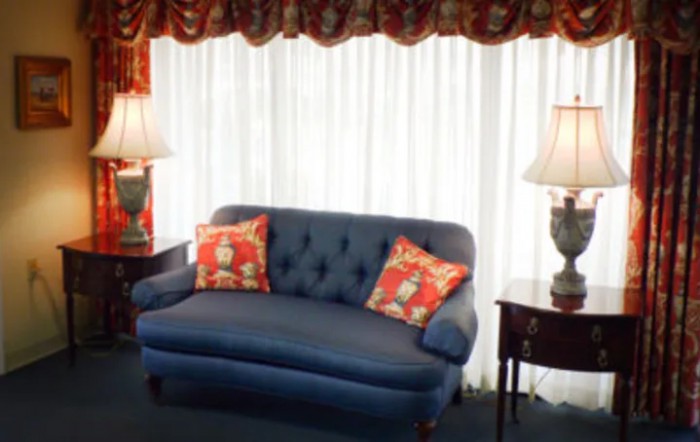
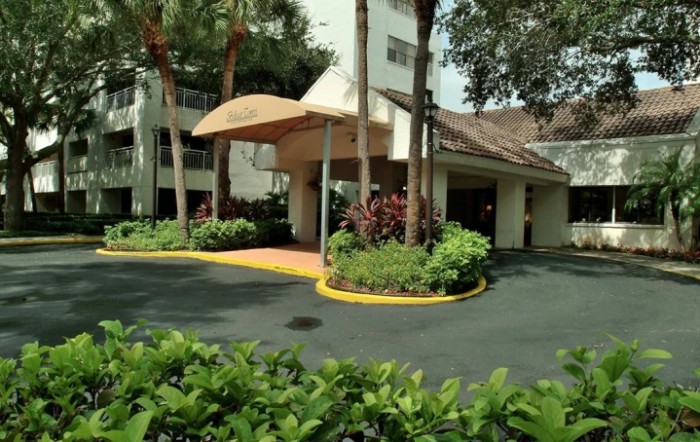
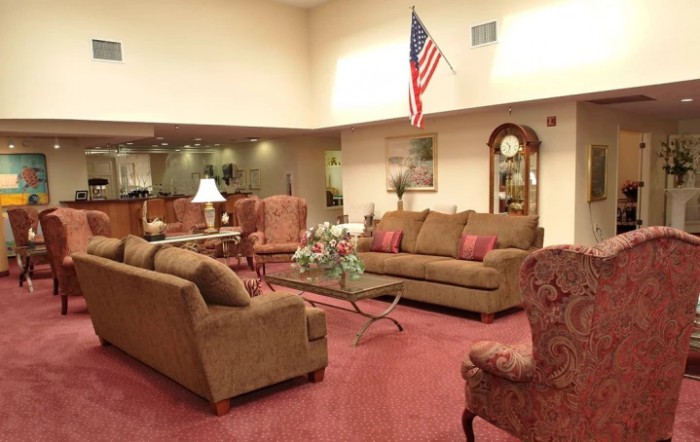
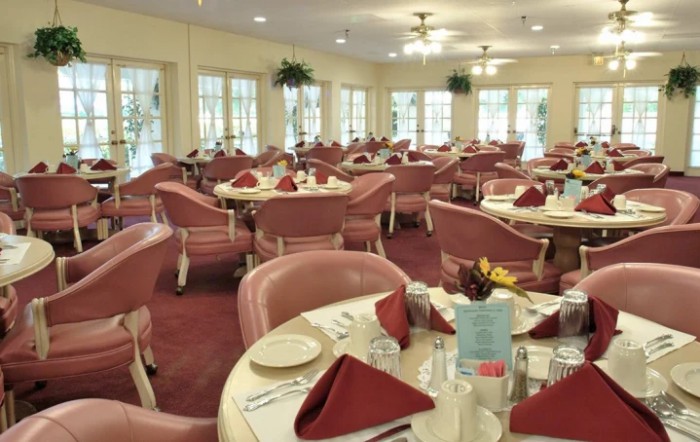
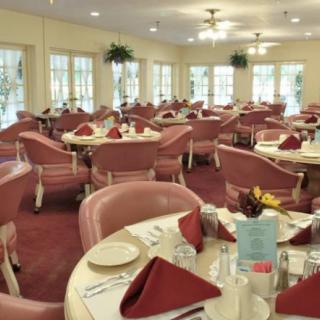
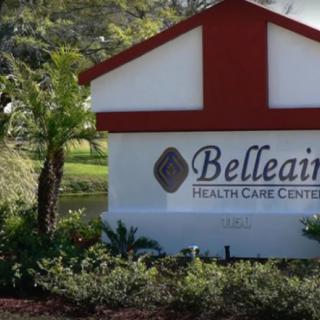
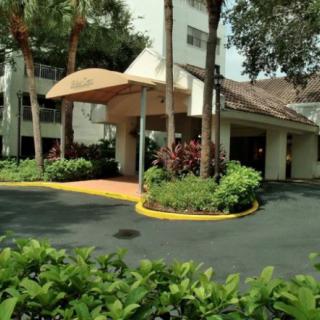
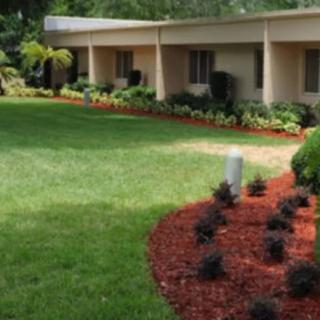
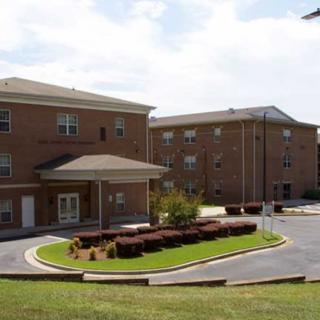
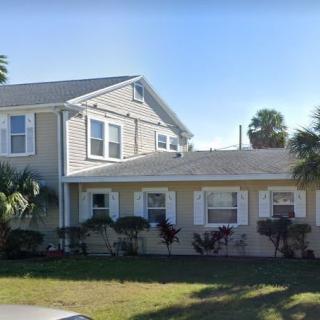
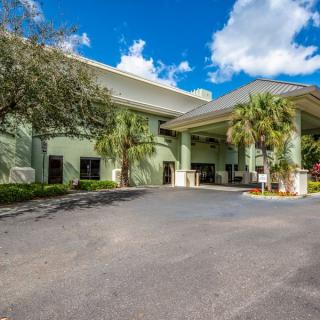
Belleair Health Care Center on seniors.fyi includes 13 photos including images showing interior, landscaping, decor, dining, trees, living room, healthcare, building, and more.
Nearby Communities
Holiday Belleair Towers
Clearwater, FL
4.6 from 130 reviews
$3,859 to $4,189 / month
Spacious, clean apartments with a friendly staff and active community.
Seasons Belleair
Clearwater, FL
4.5 from 124 reviews
$4,995 to $5,995 / month
Caring staff and engaging activities in a clean, lively environment.
Pacifica Senior Living Belleair
Clearwater, FL
4.4 from 154 reviews
$2,595 to $3,295 / month
Cottage-style living with caring staff and personalized care.
Fairwinds Treatment Center
Clearwater, FL
Home-like setting with comprehensive assisted living support and on-site amenities.
Midway Manor Assisted Living Facility
Clearwater, FL
3.6 from 38 reviews
$2,449 to $3,249 / month
Friendly staff and good meals, with ongoing room renovations.
Autumn Way
Largo, FL
Cozy, home-like board-and-care with full daily living support and medical transport.
Magnolia Manor
Clearwater, FL
3.1 from 9 reviews
$2,500 to $3,500 / month
Caring, attentive staff with strong clinical care.
Windsor House
Clearwater, FL
4.9 from 33 reviews
$1,800 to $2,500 / month
Caring staff and a comfortable, home-like atmosphere.
Elison of Pinecrest
Largo, FL
4.3 from 170 reviews
$2,930 to $3,526 / month
Friendly, engaged staff in a clean, active community with spacious apartments and flexible move-out options.
Hospice care focuses on providing comfort and support for individuals nearing the end of life, with Medicare Part A covering services like nursing care and counseling for patients with a terminal illness and a life expectancy of six months or less. While most hospice services are low-cost for eligible patients, families should be aware that certain expenses, such as room and board, may not be covered.
Caregiver burnout is a common issue resulting from the intense physical, emotional, and mental demands of caregiving, leading to symptoms like fatigue and social withdrawal. To prevent burnout, caregivers should recognize early warning signs and implement self-care strategies, seek support, and prioritize their own well-being alongside that of those they care for.
Caregiver exhaustion, or burnout, stems from the relentless demands of caregiving, leading to emotional and physical depletion characterized by stress, frustration, and neglect of personal needs. Addressing this burden is essential to prevent long-term consequences, with early recognition and support being crucial for caregivers to maintain balance and implement self-care.
Get PricingAsk A QuestionSchedule A TourContact Senior Advisor
By clicking submit, you agree to our Partner's Terms of Use. You
also consent to receive calls and texts, which may be autodialed, from our Partner. Your consent is not a condition to
using our Partner's service. Please visit our Partner's Privacy Policy for information about their privacy practices.






 120 resident community capacity
 Skilled Nursing Facility
 Air-conditioning
 Beauty salon
 Cable or satellite TV
 Computer center
 Dining room
 Fitness room
 Fully furnished
 Gaming room
 Garden
 Housekeeping services
 Kitchenette
 Move-in coordination
 Outdoor space
 Private bathrooms
 Restaurant-style dining
 Small library
 Telephone
 Wellness center
 Wi-Fi/high-speed internet available
 St. Petersburg-Clearwater International (7 miles away)
 Community operated transportation
 12-16 hour nursing
 24-hour call system
 Activities of daily living assistance
 Assistance with bathing
 Assistance with dressing
 Assistance with transfers
 Diabetes diet
 Medication management
 Mental wellness program
 Special dietary restrictions
 Concierge services
 Planned day trips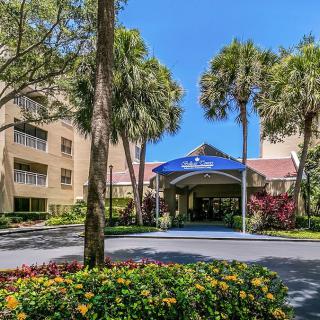
 Spacious, clean apartments with a friendly staff and active community.


 Comprehensive Guide to Medicare Coverage for Hospice Care
 Caring for Those Who Care: Recognizing, Understanding, and Overcoming Caregiver Burnout
 Caregiver Exhaustion: Recognizing the Signs and Restoring Your Well-Being