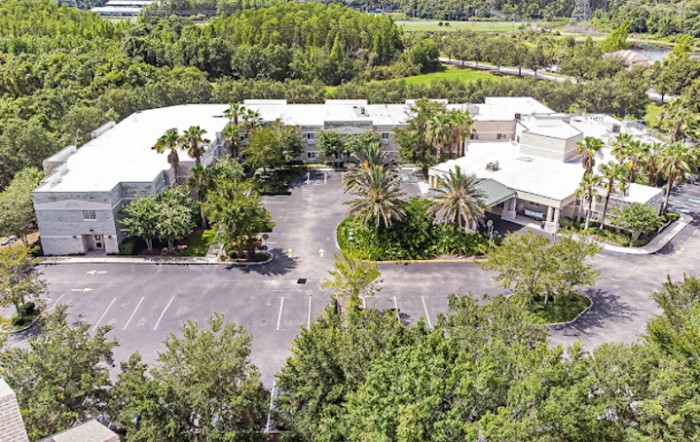



239 Crooked River Road, Carrabelle, FL 32322
For more information about senior living options: (866) 208-4318
Overall Review of St James Health And Rehabilitation Center
Pros
 The staff at the Fairhope facility were professional and attentive during the stay.
- The management and staff were some of the nicest people, cheerful and kind to all the patients.
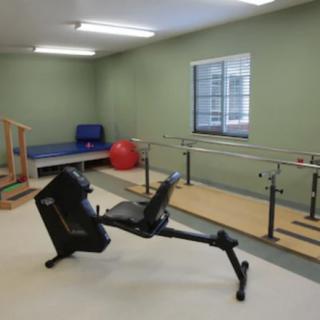
- The rehab went above and beyond to help patients regain movement.
- The food was very good.
- Arabella has been a godsend for his dad and family; the staff are caring and attentive.
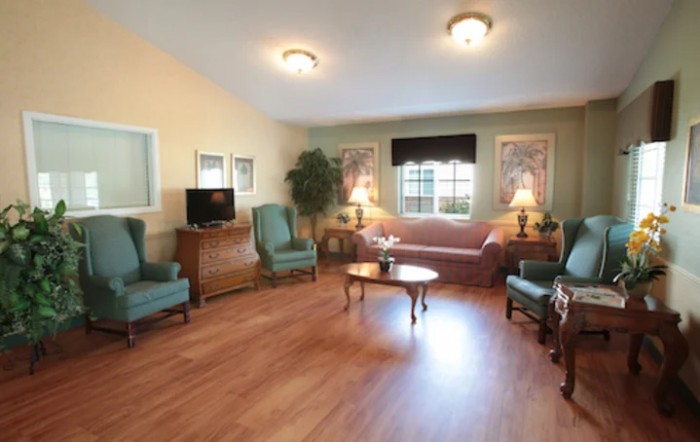
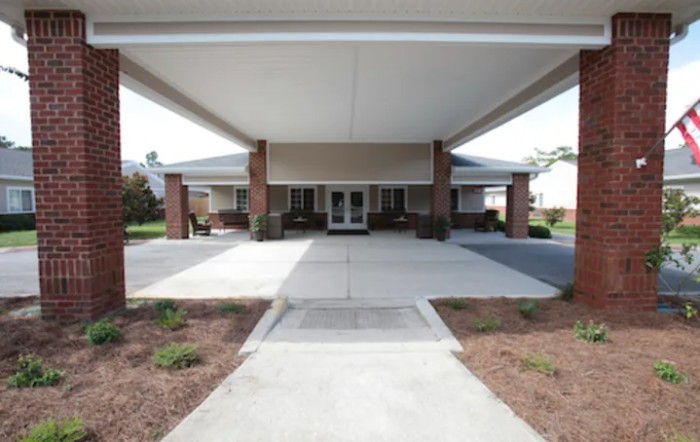
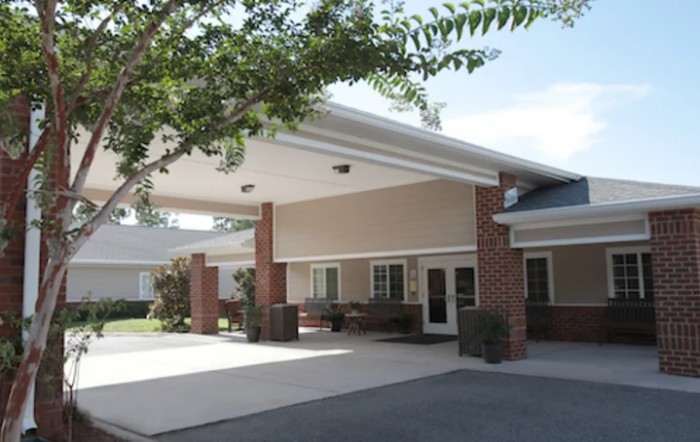
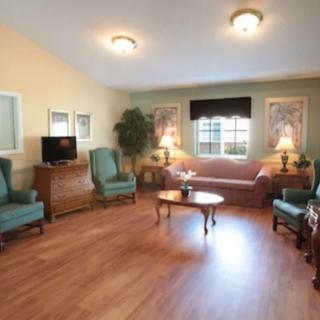
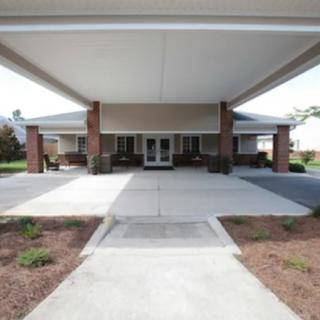
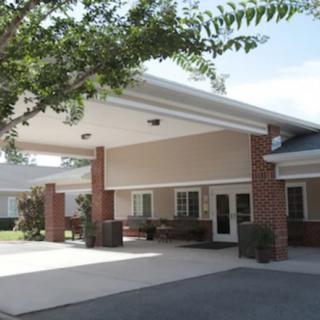
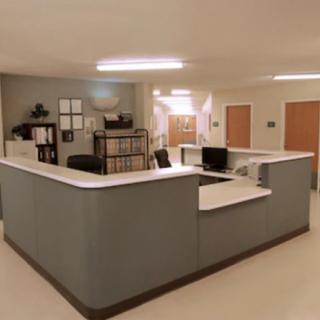
- The Arabella facility in Carrabelle is modern, clean and welcoming with a very friendly staff.
- The nursing director went above and beyond to ensure all prescribed medications were provided.
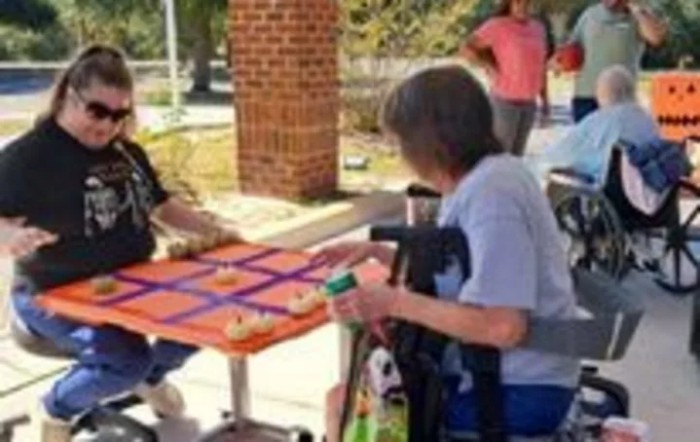
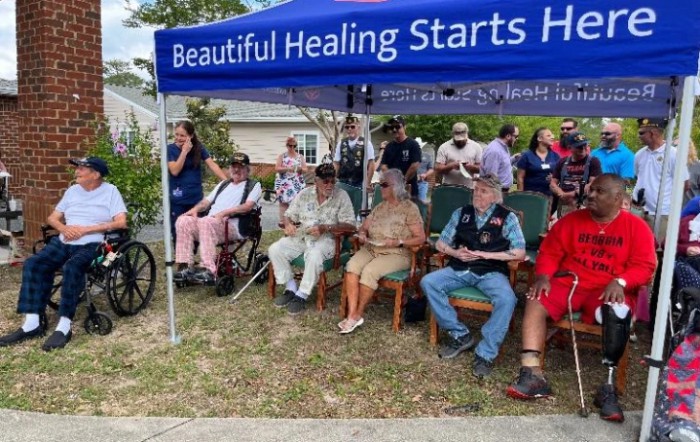
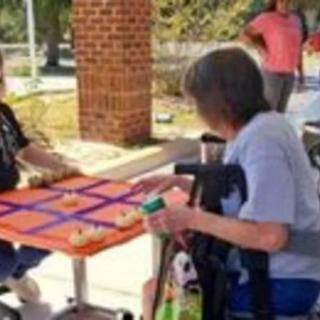
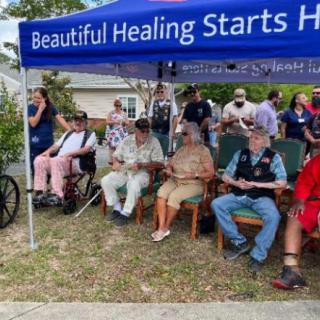
- Residents are very happy and love the activities offered.
- Arabella's admissions team takes the time to review referrals and provide helpful feedback.
- Arabella's team is great; walking into the building feels inviting and like home, and they communicate, listen, and address concerns, with safety as a priority.
- The rehabilitation professionals were extremely attentive and provided personalized care, exceeding expectations.
- The staff encouraged patients to quit smoking and celebrated their progress.
Cons
 He was unable to get his pain meds for the first three to four days.
- The head nurse could not read the doctor's handwriting.
- His sugar dropped so low that he lost consciousness under her care.
- For four hours she tried to raise his sugar by giving an unconscious man food and drink.
- 911 should have been called within 15 to 30 minutes; four hours later the ambulance was called only because the nurses pulled his PICC line out.
- The meals were severely lacking; Father's Day supper consisted of tuna sandwiches and beets.
- He was misled and lied to about the rehab center; recruiters coerced him into going there.
- It was a nightmare; he ended back in hospital for a week with sepsis.
- The relative's food was not hot enough.
Review
This community is best suited for families seeking a skilled-nursing and rehabilitation setting where therapy is central to the plan of care and the staff maintain a warmly communicative, family-friendly atmosphere. It works well for post-acute needs after surgery or serious injuries, especially for residents who value a concrete therapy program (PT/OT) paired with social activities, daily structure, and staff who treat residents with ongoing respect and attentiveness. The environment tends to appeal to both older adults and younger rehab patients who want a supportive, home-like feel while recovering or transitioning to longer-term care.
Those who may want to consider alternatives have clear reasons to look elsewhere. The most troubling reviews center on medication management and acute-care responsiveness, where gaps in pain control, delays in addressing urgent needs, and lapses in following physician orders have been reported. For families whose top priorities are rock-solid med administration, immediate medical escalation, or consistently satisfying meals, this facility may not satisfy those expectations every time. In the same market, candidates should also compare with nearby options like Arabella Health and Wellness of Carrabelle, which consistently earns praise for communication, staffing stability, and therapy engagement.
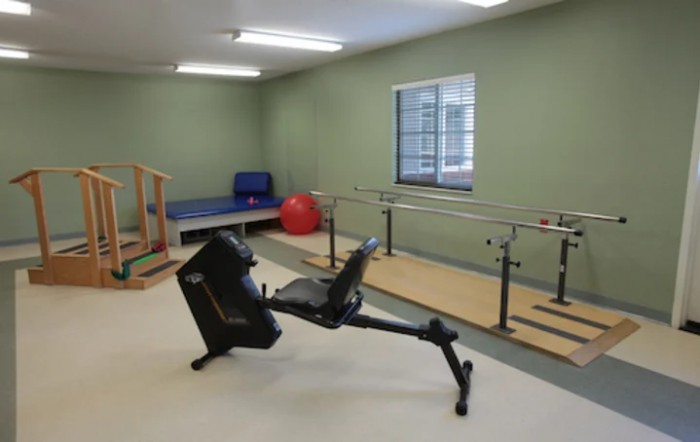
On the positive side, the strongest attribute by far is the therapy program. Multiple reviewers describe highly attentive PT and OT teams who tailor treatments to individual needs and drive meaningful progress. Families consistently note proactive nursing leadership, strong admission coordination, and ongoing updates that reduce the anxiety common to transitions into long-term care. The facility’s labor pool is described as cheerful, compassionate, and deeply engaged in residents’ daily lives, from morning activities to shopping trips and social gatherings. The combination of accessible therapy, transparent communication, and an inviting, clean environment creates real value for residents who thrive under guided rehab and structured activities.
The principal drawbacks concentrate on safety-critical areas that residents and families should scrutinize before choosing. Several reviews recount medication- and order-management issues, including delays in pain relief and misreadings of doctors’ handwriting that led to concerning lapses in care. There are also accounts of meals not meeting expectations, some days offering limited menus or meals that aren’t served hot, and isolated incidents illustrating how hydration and timely interventions can fall short in a moment of need. These aren’t universal experiences, but they are significant enough to shape risk considerations for anyone with complex medical regimens or strict nutritional plans.
When weighing the positives against the negatives, the therapy-focused, communicative milieu often offsets relative inconsistencies in med management for residents who can advocate with family support and robust oversight. The most persuasive argument in favor is therapy-driven recovery and ongoing progress, reinforced by staff who listen and respond to concerns, along with a social framework that keeps residents engaged. For families who can and will monitor medication passes, set clear expectations with the care team, and request consistent nutrition oversight, the upside is substantial: meaningful rehab gains, real staff accountability, and a community that feels like a second home.
In the end, this community emerges as a pragmatic, experienced option for skilled nursing and rehabilitation where the emphasis on therapy and relationship-building is clear. It is particularly well-suited for those who prize a well-staffed, communicative setting, the ability to participate in purposeful activities, and a sense of belonging within a caring “family” atmosphere. However, families with high sensitivity to medication accuracy or who require consistently hot meals and rapid medical escalation may want to compare with other providers in the region, and insist on concrete assurances about med-pass accuracy, order adherence, and nutrition protocols before committing. Schedule a direct tour, speak with the therapy director, and ask for recent quality metrics and incident-response histories to confirm it meets the specific care thresholds needed for a loved one.
 90 resident community capacity
 Skilled Nursing Facility
 Air-conditioning
 Beauty salon
 Cable or satellite TV
 Computer center
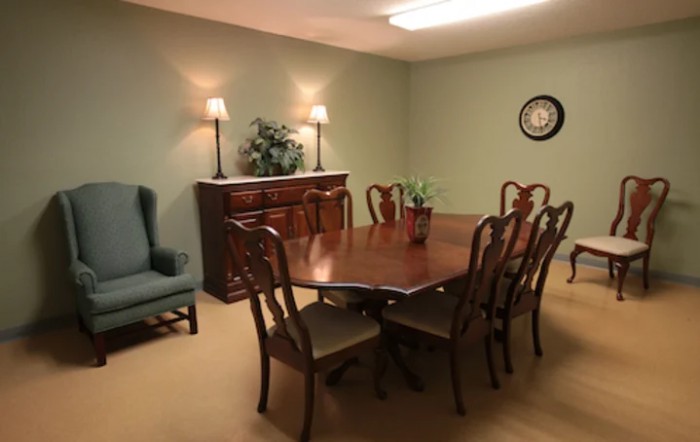
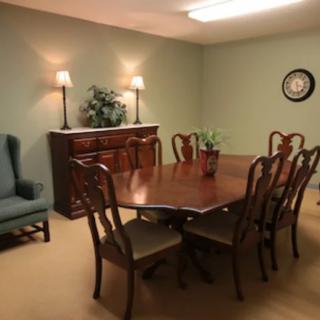
 Dining room
 Fitness room
 Fully furnished
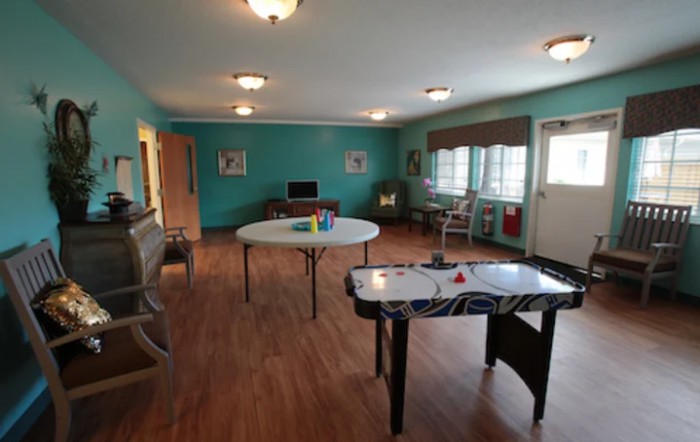
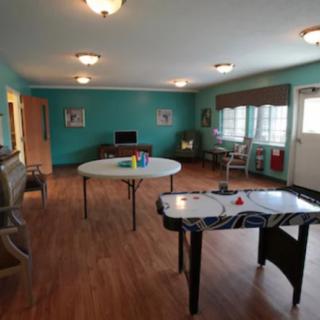
 Gaming room
 Garden
 Housekeeping services
 Kitchenette
 Move-in coordination
 Outdoor space
 Private bathrooms
 Restaurant-style dining
 Small library
 Telephone
 Wellness center
 Wi-Fi/high-speed internet available
 Community operated transportation
 12-16 hour nursing
 24-hour call system
 Activities of daily living assistance
 Assistance with bathing
 Assistance with dressing
 Assistance with transfers
 Diabetes diet
 Medication management
 Mental wellness program
 Special dietary restrictions
 Concierge services
 Planned day trips
 Urinary Tract Infections in Older Adults: Comprehensive Insights on Symptoms, Treatment, and Prevention
 California's Form 602A: An In-Depth Examination of Senior Care Assessment
 Comprehensive Look at Senior Blood Pressure Charts: Normal and Elevated Levels by Age